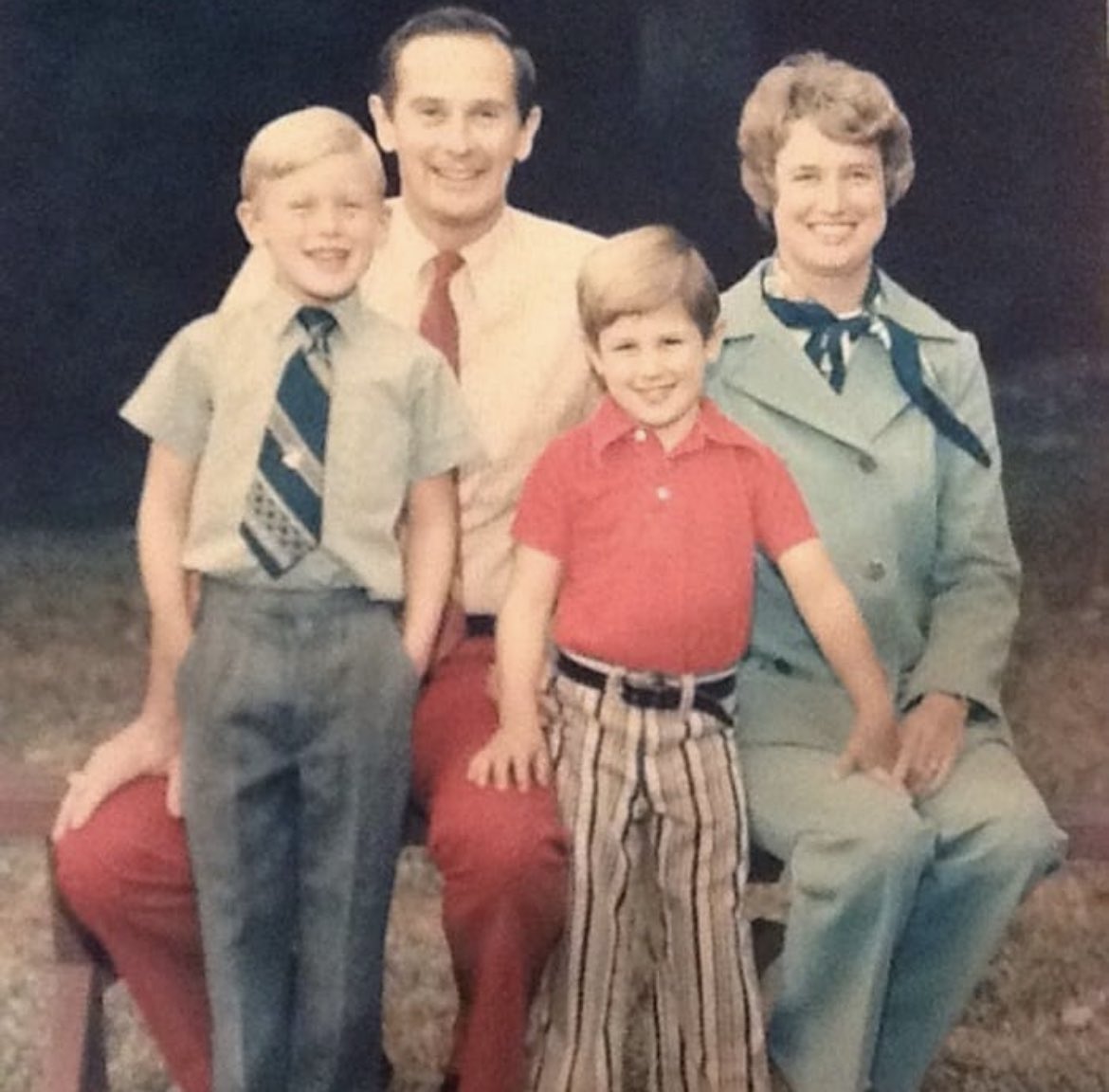
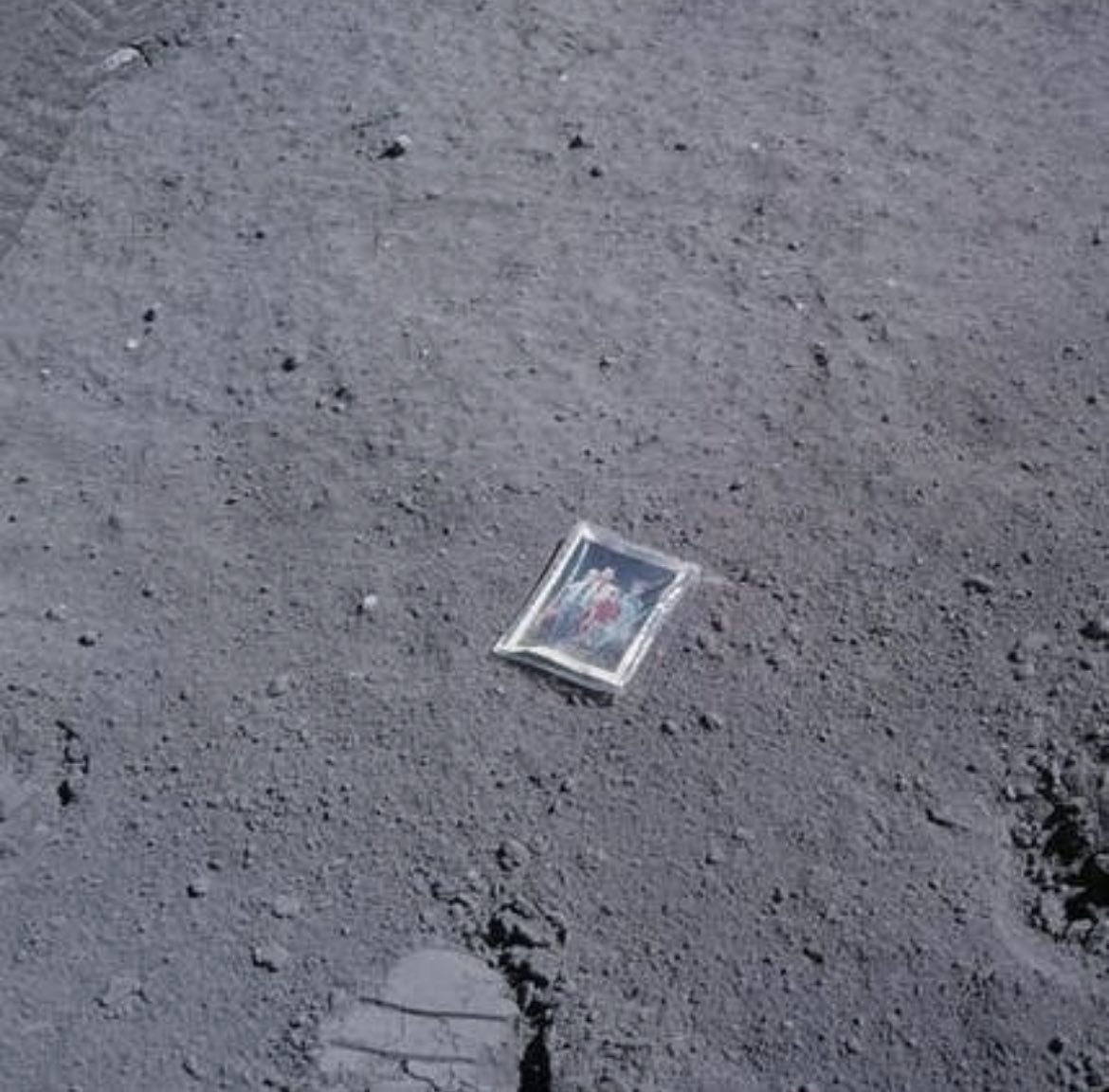
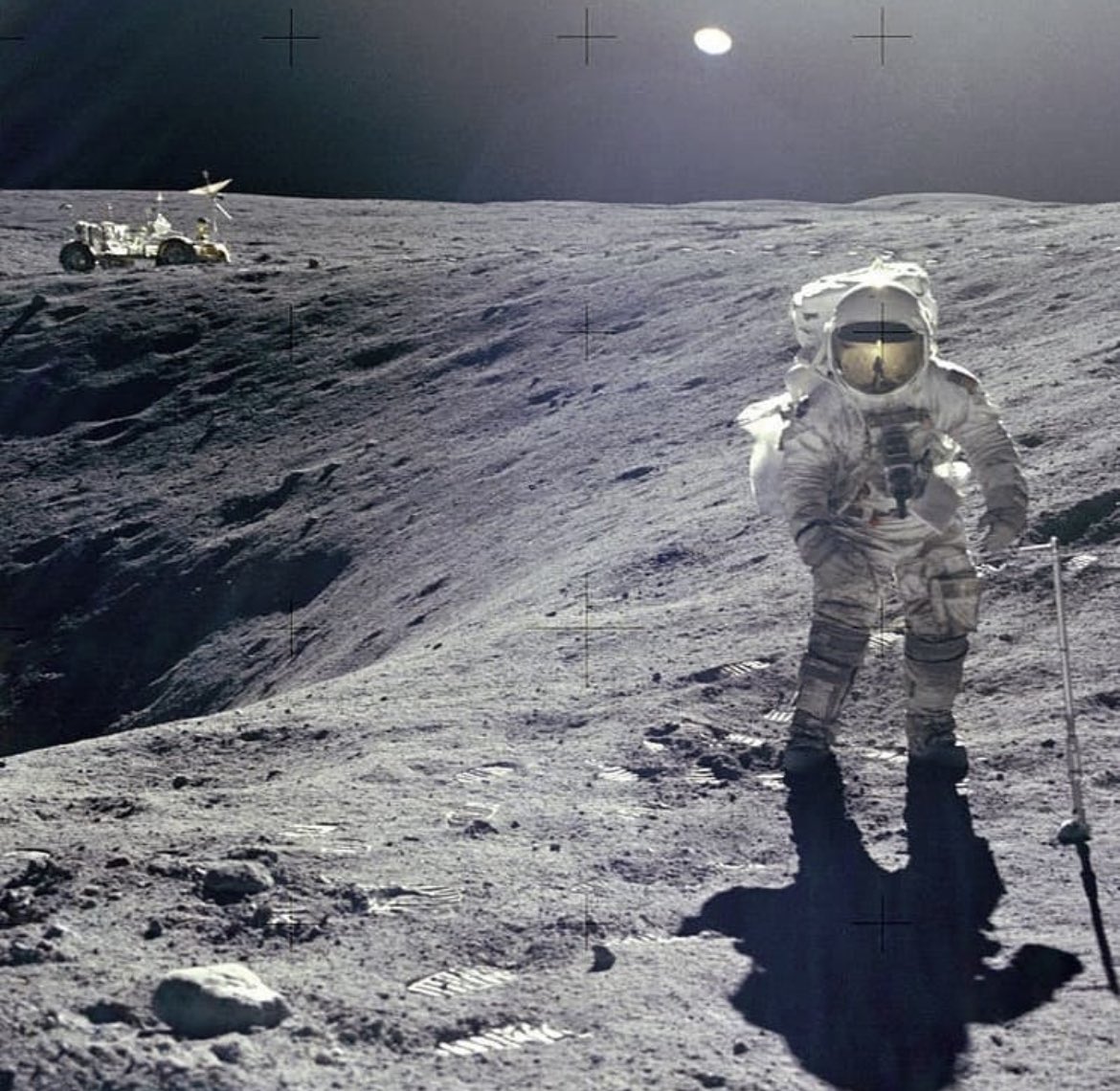
The family portrait left behind by Apollo 16 astronaut Charles Duke on the moon has become a significant artifact in space exploration history. The photograph, which Duke placed on the lunar surface during the mission, has remained untouched and undisturbed for over five decades.
Apollo 16 was the tenth crewed mission in NASA's Apollo program and was launched on April 16, 1972, from the Kennedy Space Center in Florida. The mission aimed to explore the Descartes Highlands region of the moon, where the Lunar Module landed on April 20, 1972. The crew consisted of Commander John W. Young, Lunar Module Pilot Charles M. Duke Jr., and Command Module Pilot Thomas K. Mattingly II.
As part of the personal items astronauts were allowed to carry, Duke chose to bring a family portrait to commemorate his journey to the moon. The photograph depicted his wife and children, symbolizing the connection between the astronauts and their loved ones back on Earth. Duke took the photo out of his spacesuit pocket and carefully placed it on the lunar surface near the Lunar Module.
On the back of the photo, Duke wrote a heartfelt inscription that read, "This is the family of astronaut Charlie Duke from planet Earth who landed on the moon on April 20, 1972." This inscription served as a testament to the historic achievement of the Apollo 16 mission and a reminder of the human presence on the moon.
Since the moon lacks an atmosphere, the photograph has remained unaffected by weather conditions, preserving it in pristine condition. Over the years, subsequent missions to the moon have respected the historic significance of the photo and have not disturbed its placement.