What is the Indigenous Leadership Initiative? We are an Indigenous-led organization who works to work to:
➡️ strengthen Indigenous Nationhood
➡️ support Indigenous responsibility to the land
➡️ help build a new generation of Indigenous leaders
How do we move from biodiversity loss toward restoration, responsibility, and renewal?
On June 8, join Forest Futures Canada and partners for a timely conversation on Nature Positive Science, Society & Policy: Canada and the Global Goal.
This conversation will feature Leroy Little Bear and Harvey Locke, in discussion around their article “Nature Positive: Halting and Reversing Biodiversity Loss Toward Restoring Earth System Stability.”
Register now: https://t.co/7PXwXWTVf4
Indigenous Peoples have been stewards of the lands and waters in Canada since time immemorial. Today, they are helping to shape Canada’s future.
This National Indigenous History Month, we honour the histories, cultures, languages, and enduring contributions of First Nations, Inuit, and Métis across Canada. Together, we can lay a stronger foundation on which to build a better future for all.
Great news. 🌿
A major scientific review of 111 studies found that Indigenous stewardship consistently delivers strong conservation outcomes, often matching or outperforming state-run protected areas.
Guardians. IPCAs. Cultural fire. Indigenous governance.
These aren't theories. They're proven solutions already working. 🪶
Read the @TheTyee 's article here: https://t.co/Hnz2VvJnl5
Across the country, Guardians programs are helping lead the way in conservation.🌿
The approach is simple: we are not separate from the land, but part of it. By nurturing our relationship with the land, we can better care for it, but also for each other: protecting species while strengthening languages, bringing communities together by including youth and Elders & restoring cultural practices alongside stewardship of our ecosystems.
That’s why it works: when we care for the land, the land takes care of us. 🤎
🔥 Funding opportunity for Indigenous fire stewardship initiatives 🔥
Thunderbird Collective has launched the second intake of its grants program supporting projects focused on:
💬 Knowledge Sharing
🌱 Cultural Land-Based Learning
🪶 Advocacy
🏔️ Sovereignty
Deadline: June 5, 2026. Applications and guidelines are available here:
https://t.co/meJzyRMCP6
“Take this opportunity… because this will literally change your life.”
The First Nations Women Transforming Conservation Fellowship, co-hosted with @WCS_Canada, is back for a second year to support women advancing Indigenous-led stewardship, conservation & Nationhood.
Applications open until June 30th! Click here for more info: https://t.co/FYquNNji9M
What if the future of forests depends less on controlling nature — and more on learning how to work with it again? 🌲🔥
This @globeandmail feature interviews with ILI’s Valérie Courtois & Dr. Amy Cardinal Christianson who share insights on how Indigenous knowledge and fire stewardship can help build healthier, more resilient forests. https://t.co/AcgjkXnR8n
Breaking news for marine conservation on the West Coast. 🌊🐟
Six First Nations, alongside B.C. and Canada, signed an agreement to help protect one of the richest marine ecosystems on Earth through the Mia-yaltwa Ha’lidzogm hoon coastal reserve.
It’s another powerful example of what becomes possible when Indigenous leadership is placed at the centre of conservation. 🌿
https://t.co/UmmOmTsJQ6
If we want biodiversity to thrive, we need to protect the places where it still flourishes. 🌎🪶
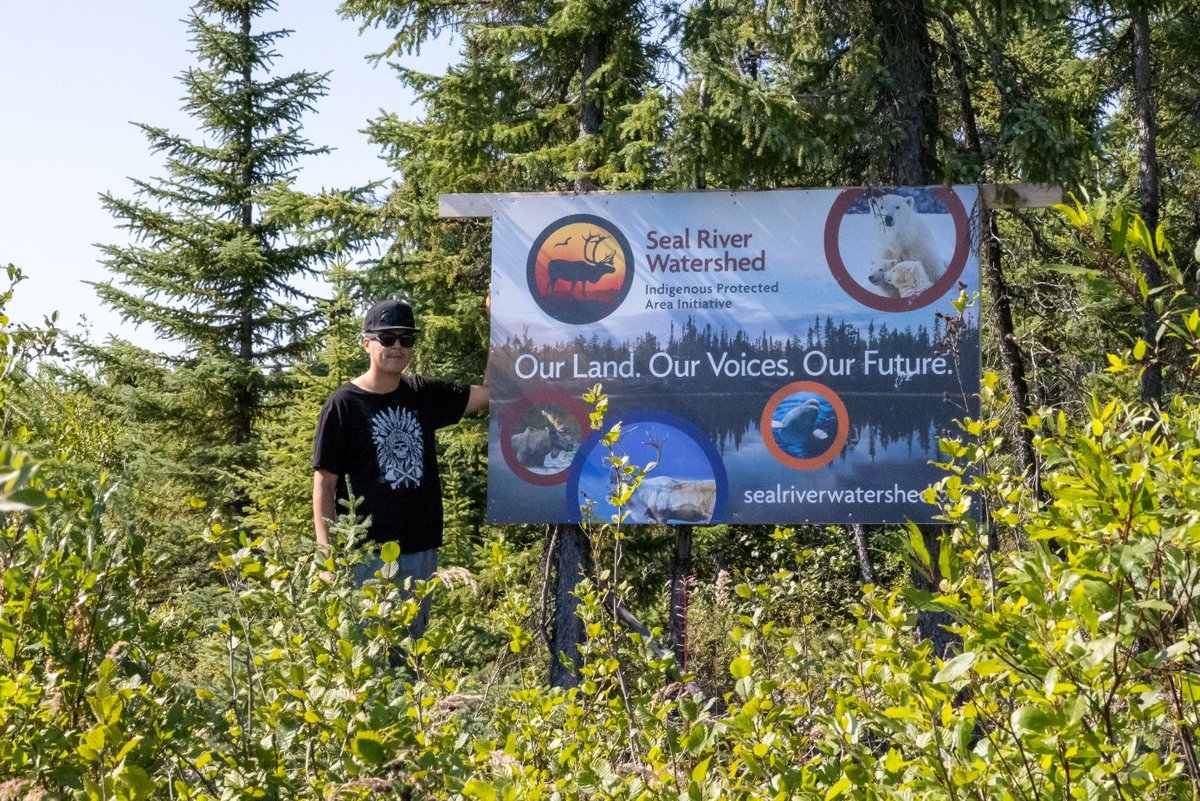
The Seal River Watershed is one of them.
Led by four First Nations alongside Manitoba and Canada, a proposal is now on the table to protect one of the planet’s last intact watersheds.
This is what “acting locally for global impact” looks like, and you can be part of it now by submitting a comment in support of the IPCA proposal: https://t.co/rfhiwSYKUv 🌿
#WorldBiodiversityDay
Do you know about the Indigenous women who are helping lead a new future for fire stewardship? 🔥🌾
This @thenarwhalca article follows Interior Salish women at the forefront of wildfire response, cultural burning, and land restoration efforts in B.C. Read here: https://t.co/9E3PimKBD9
“Cultural burns are about more than fire. They’re about living with the land.” 🔥
In our newest blog, Dr. Amy Cardinal Christianson breaks down the important distinctions between cultural burns, prescribed fires, and prescribed fires with cultural objectives — and explains why understanding those differences matters for Indigenous sovereignty, stewardship, and the future of fire management in Canada. Read here: https://t.co/E42feza7vM
Today is #MooseHideCampaign Day — an Indigenous-led movement grounded in ceremony, healing, and collective action to end gender-based violence. 🤎
Wearing the moose hide pin is a commitment to accountability, respect, and protecting women and children.
Show your solidarity and take the pledge today! Learn more about the campaign by visiting their page: https://t.co/1OmfBjmE8V
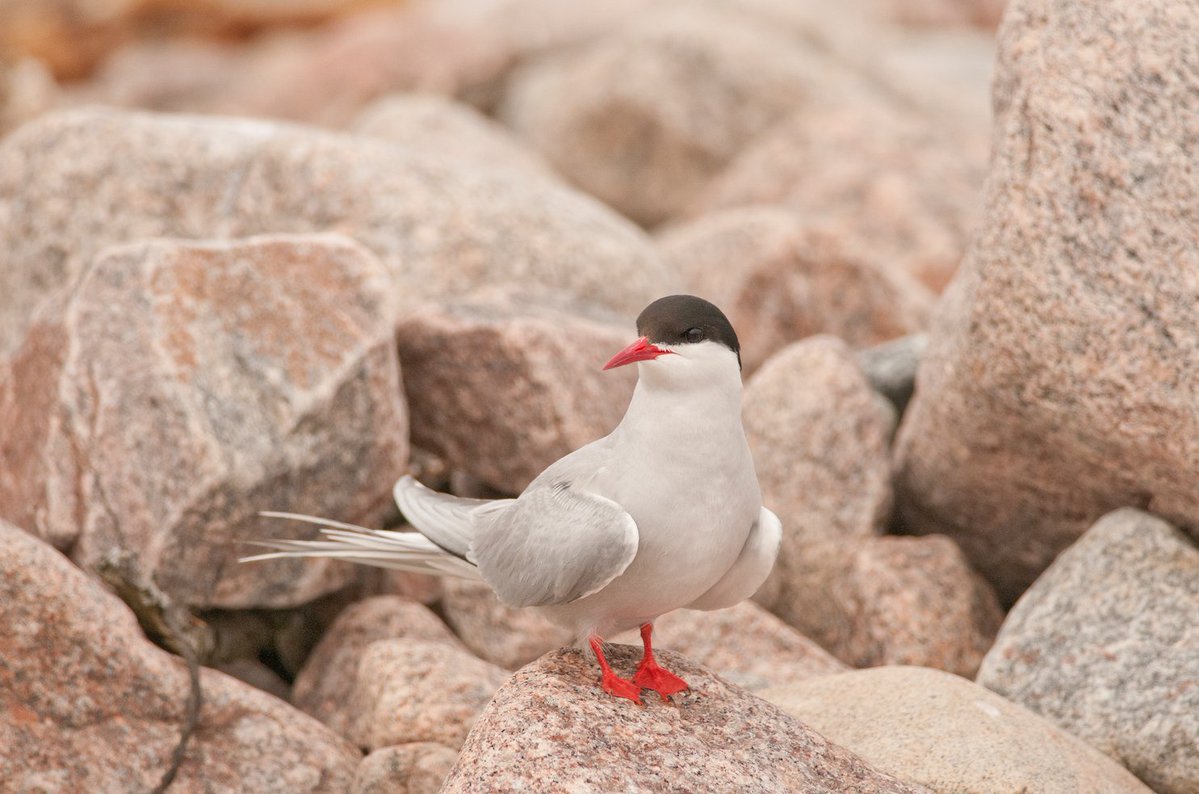
Every spring, the Boreal forest comes alive with birdsongs from our winged relatives that are coming back from the South. 🪶🌎 For generations, Indigenous communities have known these landscapes are vital for migratory birds. That’s why First Nations are working hard to protect these important ecosystems, like the Seal River Watershed, which alone is home to more than 100 species of migratory birds. Want to contribute to its safeguarding? Follow this link and leave a comment to support the new Indigenous-led proposition that aims to protect it: https://t.co/rfhiwSYKUv
When we talk about protecting nature in this country, the Boreal Forest must be part of the conversation. Stretching across almost 60% of Canada’s land area, this region remains one of the planet’s great ecological strongholds. The knowledge carried by Indigenous People has helped maintain its balance for millennia — and continues to guide its stewardship today.
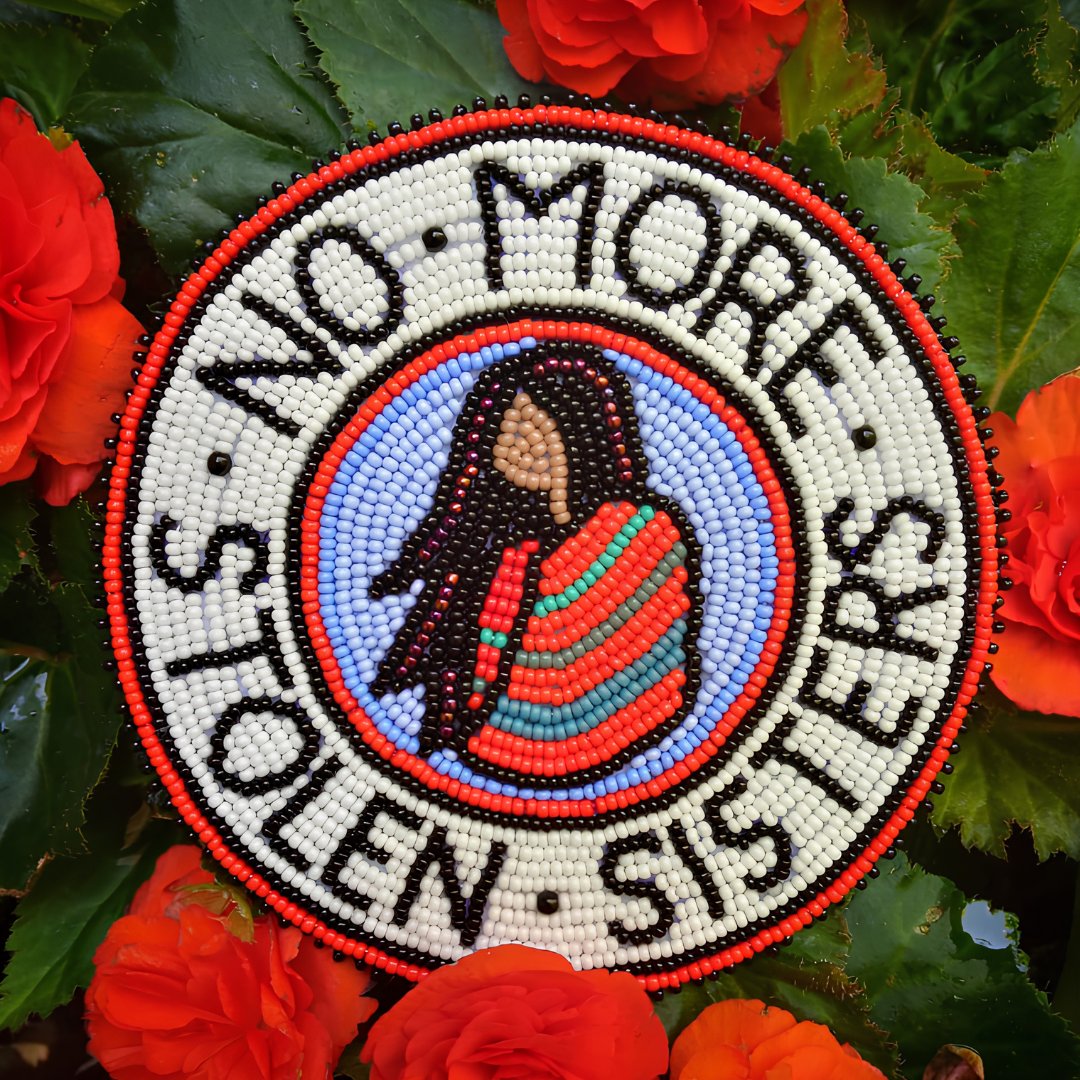
Today is Red Dress Day.
A day to honour Indigenous women, girls, and two-spirit people who are missing or have been taken — and to stand together in the fight for justice.
These are not just statistics. These are our relatives.
Stand in solidarity. Wear red. Uplift voices. Take part in your community’s events. And most importantly, act in calling for justice, safety, and change. ❤️
Beautiful beadwork by Heather Stewart (sweetgrass_beads)
10 years after Fort McMurray: are we better prepared?
Wildfires now affect millions, from evacuations to smoke-filled cities. Indigenous knowledge offers a way forward: stewardship, prevention, and working with fire.
Indigenous Fire Guardians + local Indigenous firefighters = both proven solutions for reducing wildfire risk.
The solutions exist. It’s time to scale them. 🔥
https://t.co/nTW6bG9s8L
Here’s a myth we need to leave behind. Indigenous fire knowledge wasn’t lost. Actually, Indigenous Nations across the country are leading cultural fire initiatives — restoring ecosystems, reducing wildfire risk, and passing knowledge to the next generation.
Read more about it here: https://t.co/S43FZ4Zstn
At the ‘Cercle du Feu des Premières Nations du Québec’, Nations gathered with a shared purpose: the revitalization of Indigenous fire stewardship.🔥
Over several days, community leaders, Guardians, Elders, and Knowledge Keepers exchanged teachings, strengthened relationships, and mapped out the next steps for revitalizing cultural fire across the central-eastern part of the country. Watch to find out what it looks like when Nations gather to collaborate and grow solidarity.
This is a conversation we need to be having.
Indigenous communities make up 42% of wildfire evacuations in Canada — and are often displaced longer, with fewer culturally appropriate supports.
In this clip, Dr. Amy Cardinal Christianson explains why current approaches aren’t working — and what needs to change.