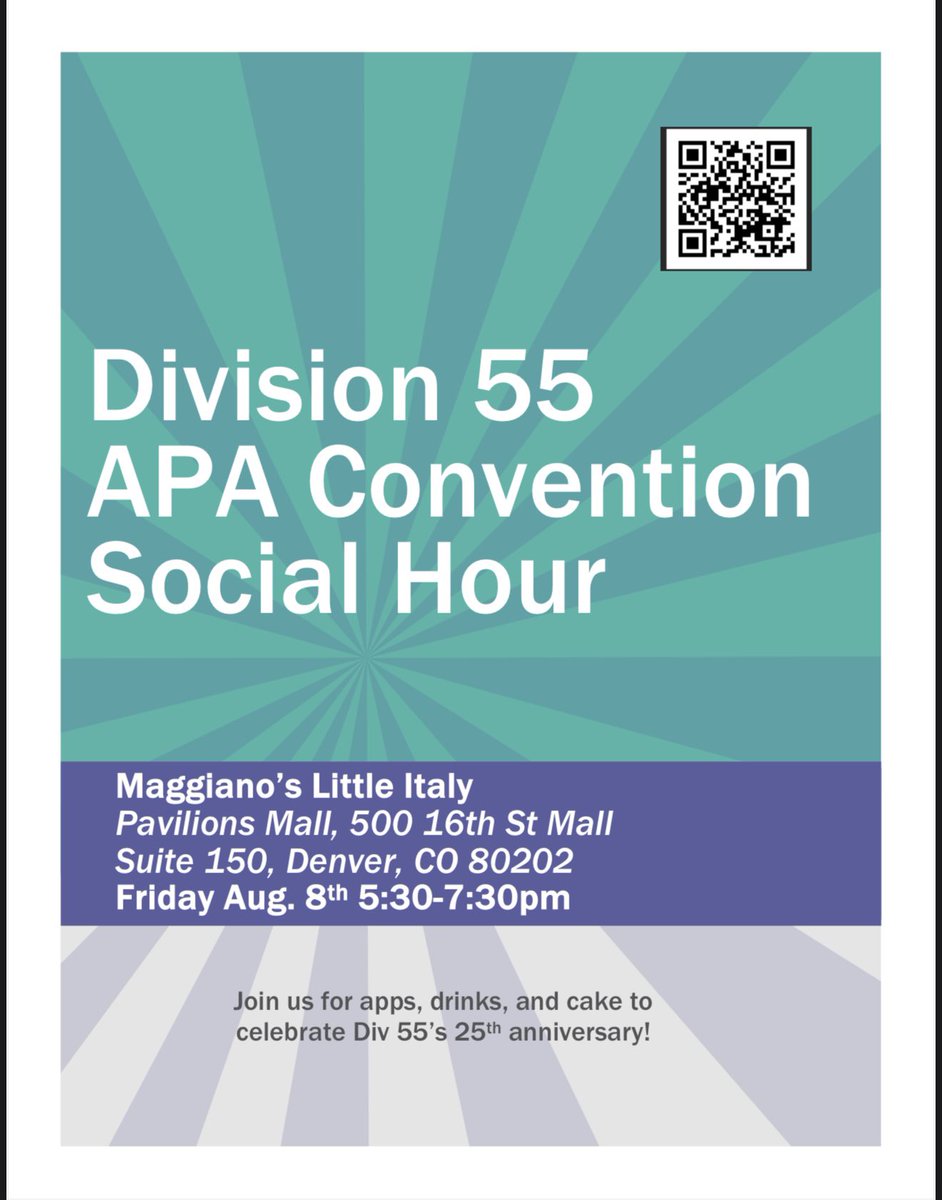
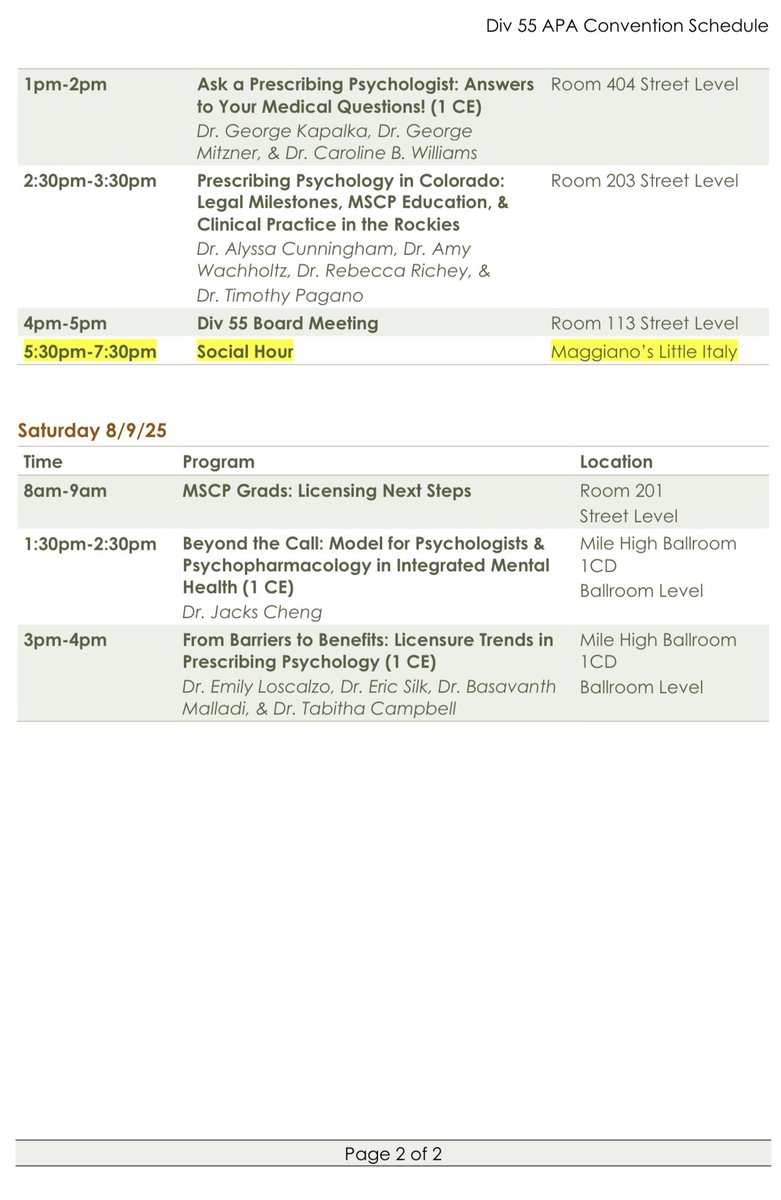
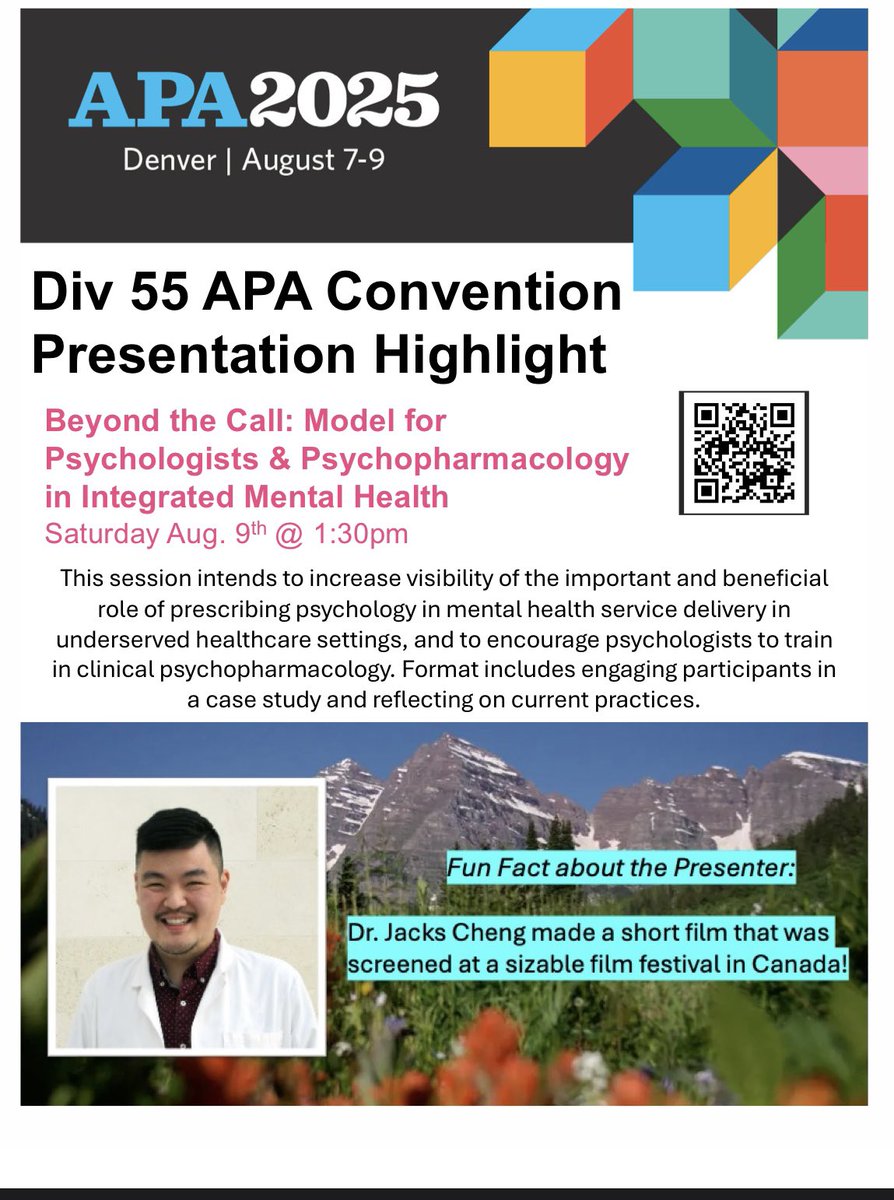
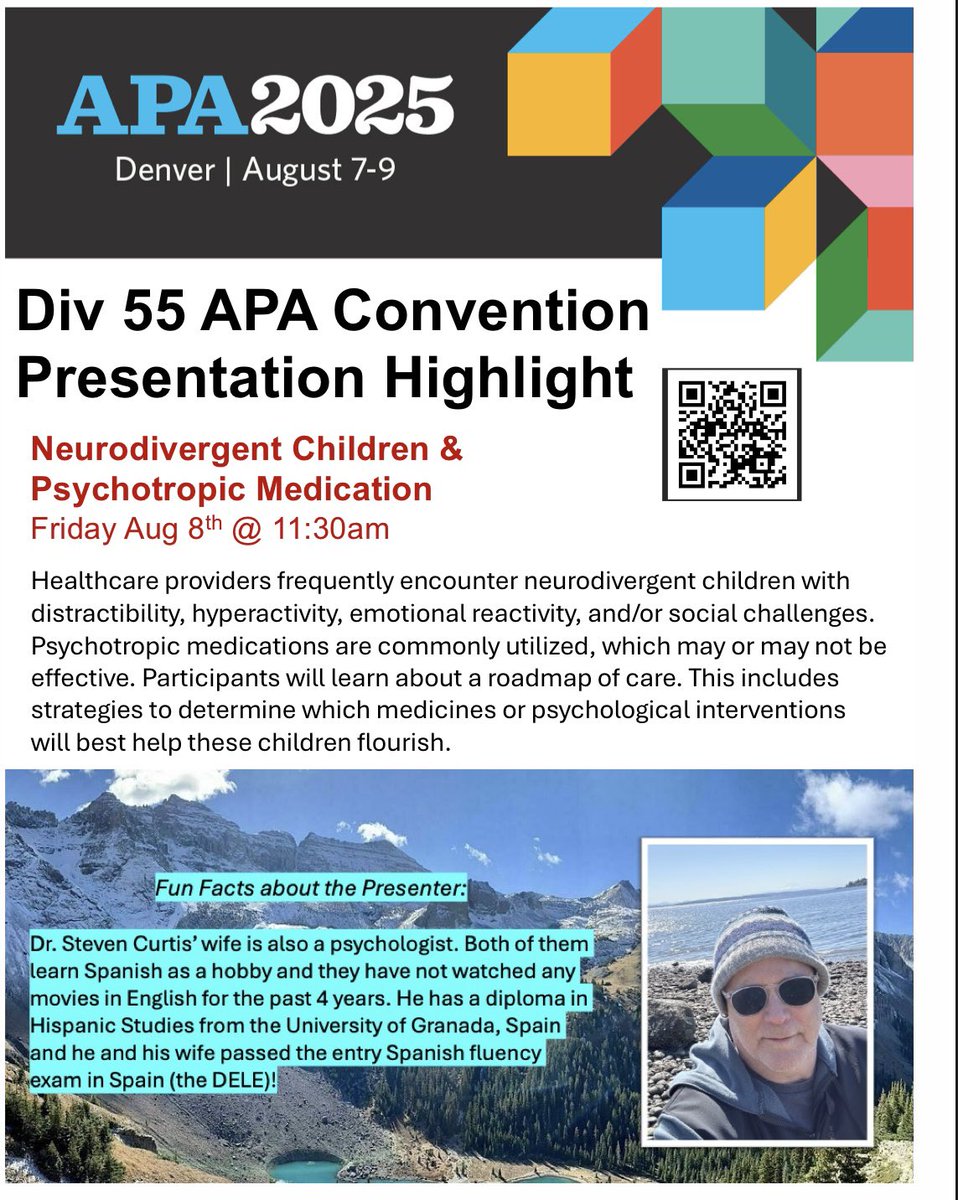
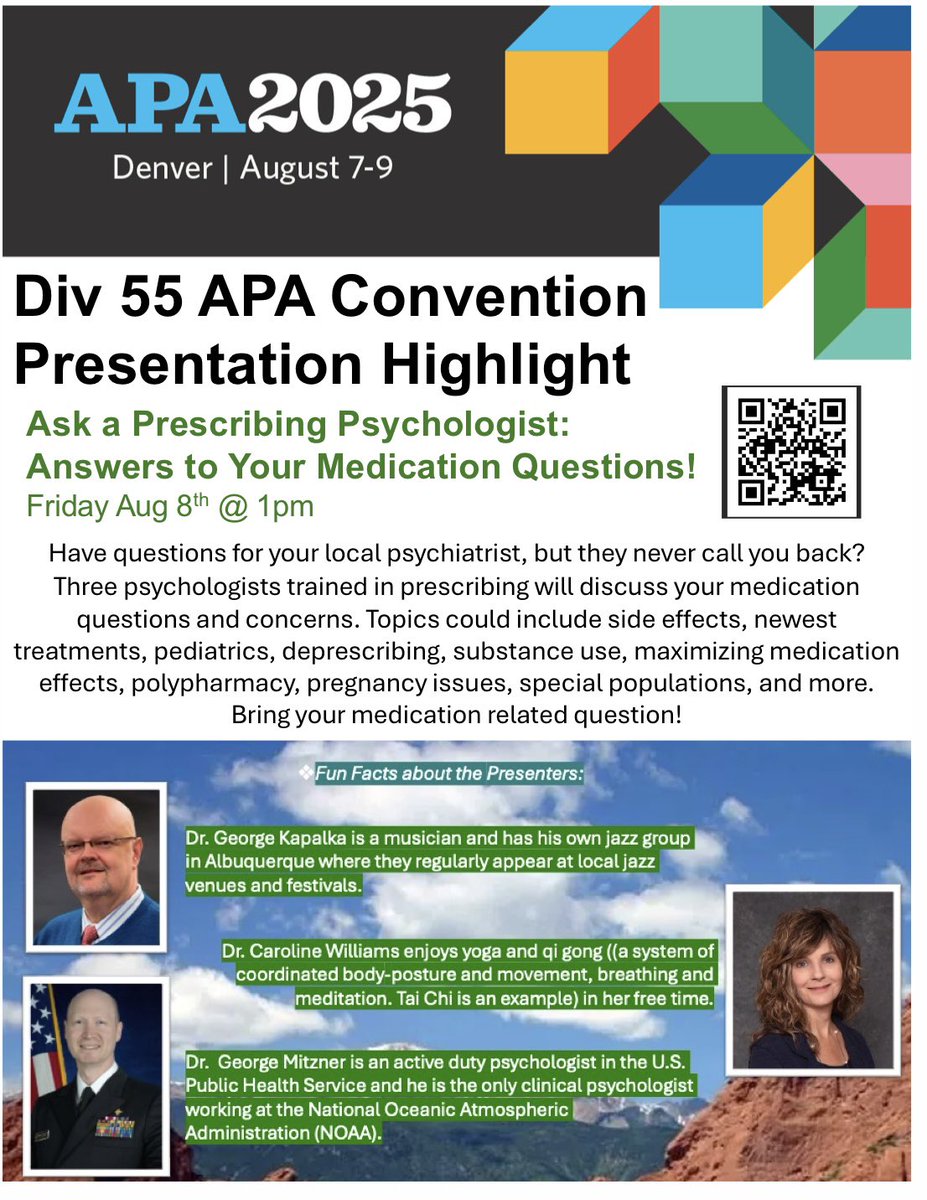
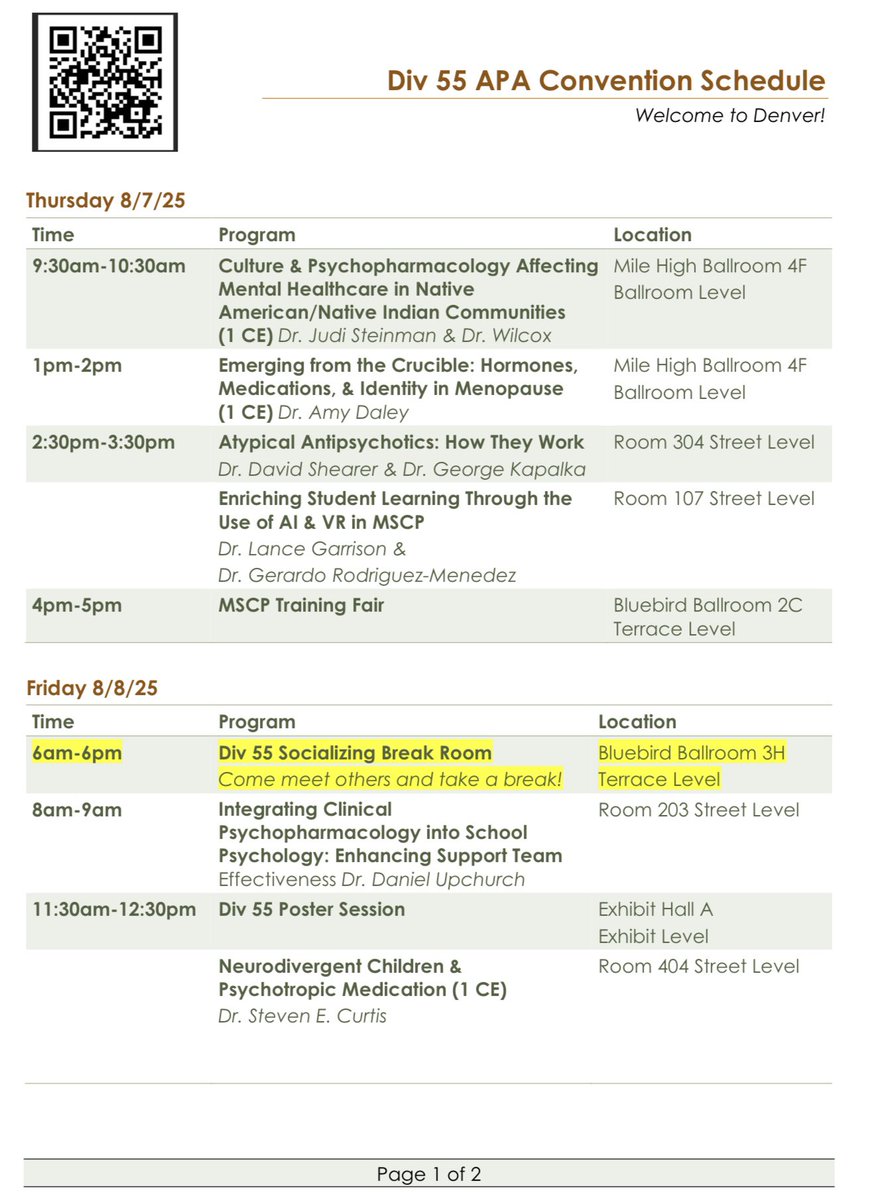
@APAconvention 2025 in Denver is only 3 WEEKS AWAY! We have made a quick reference guide to help you organize your days to attend our Division 55 presentations. Hope to see you there! #APA2025
🌈 Join APF for the Springfield Town Hall! This free event is for psychologists, mental health professionals, and allies to discuss how psychology can better support the LGBTQIA+ community and those who advocate for them. 🏳️🌈🧠✨ Learn more & register at the link in our bio!
Recent and proposed policy changes and actions across the U.S. have raised concerns within the psychological community.
These changes contradict established psychological science, reinforce exclusionary structures, and risk perpetuating harm.
Read more: https://t.co/6wq00WKZ12
The dating lives of Americans are not immune to the political stress many are experiencing. In our most recent #StressInAmerica survey, nearly half of U.S. adults said they wouldn't date someone with conflicting opinions.
See more from the report: https://t.co/OisKQXE8jQ
Psychology for a Better You is APA’s new LinkedIn #newsletter offering science-backed takeaways for everyday life. It’s free and anyone with a LinkedIn account can sign up. Check out this month's issue on #love and #friendship: https://t.co/35gSX182Ab
#science#psychology
Looking for a leadership opportunity? Join one of APA’s boards and committees!
Nominate yourself or a colleague by Jan 31 for consideration! Members of all types, from fellows to graduate students, are invited to submit a nomination.
Learn more: https://t.co/qDifgAfvEl
Want to find happiness?
People are happiest having sex, dancing, attending a museum, playing sports, gardening, or socializing.
People are less happy at work than any of the other 39 activities they reported engaging in (except for being sick in bed)
https://t.co/a9dm3Lae3y
As experts in human behavior, psychologists can help people understand the individual, interpersonal, and societal forces that fuel division and how to manage their response to threats and form healthy relationships, says @taniaisraelphd.
By the age of 6, #girls become less likely than boys to associate brilliance with their own gender, #research suggests.
While the stereotype equating brilliance with men doesn’t match reality, @peterglick says it may still affect girls’ aspirations and eventual careers.