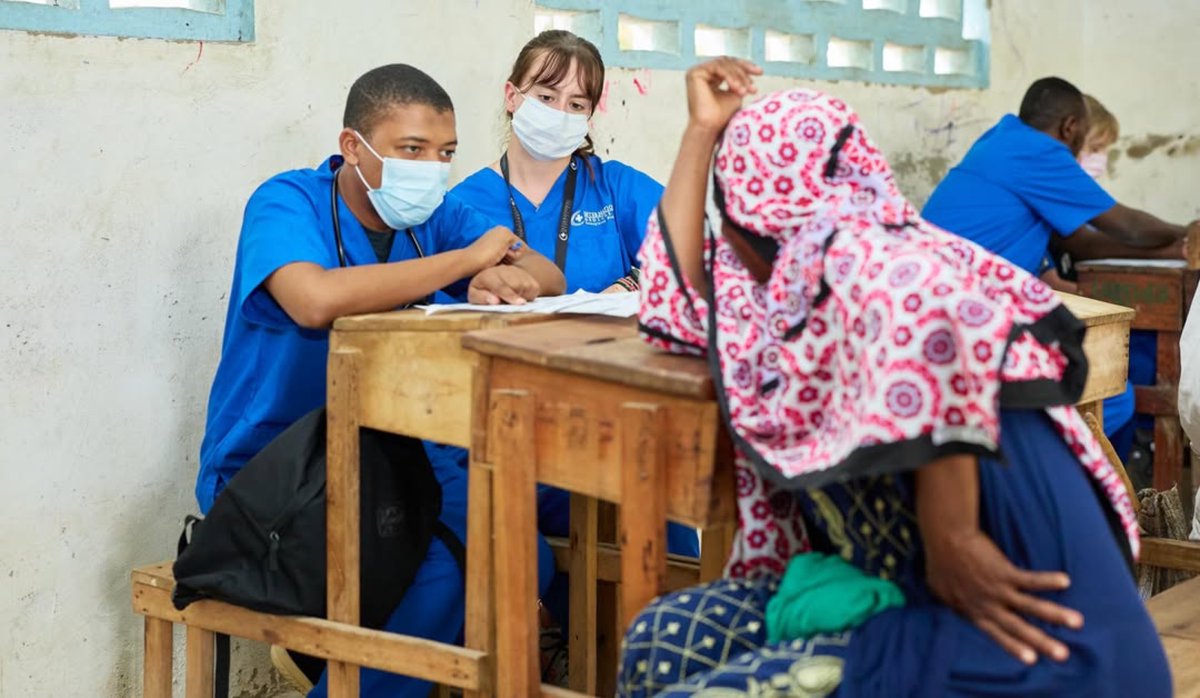
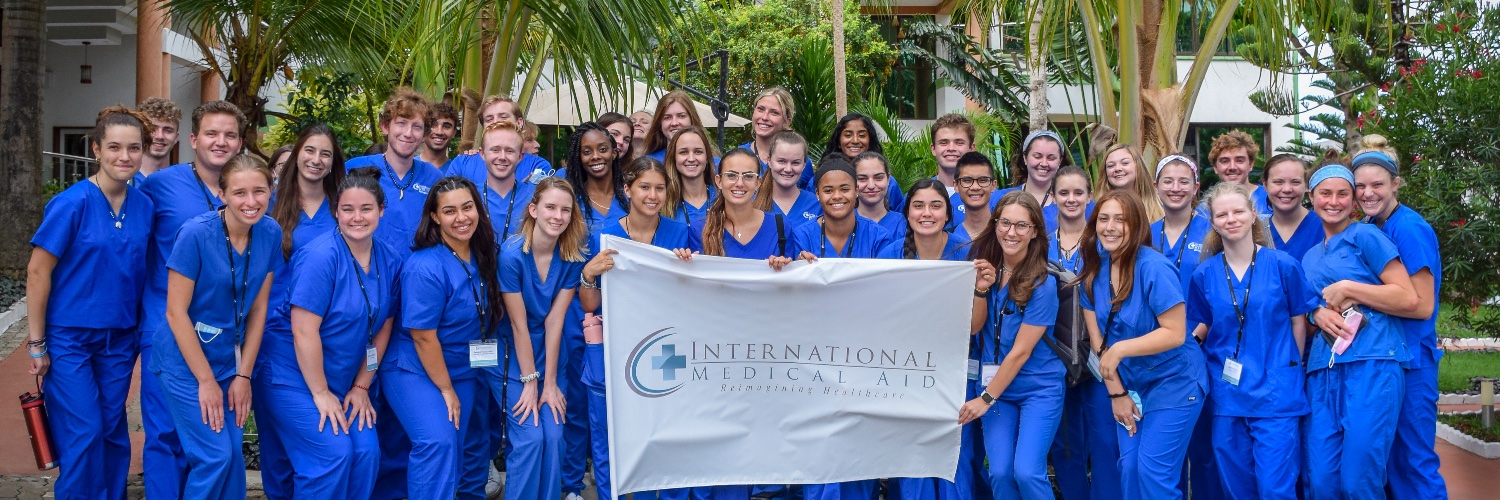
As 2025 comes to a close, we’re reflecting on a year defined by impact, growth, and shared purpose. This year, we delivered some of our largest initiatives yet—through our Community Medical Clinics, Hygiene Education Programs, and Mental Health Awareness Clinics, we reached tens of thousands of patients in profoundly underserved communities. We also supported patient care within some of East Africa’s and South America’s largest and most important regional teaching and referral hospitals, working alongside local clinical teams to strengthen care delivery where it’s needed most.
None of this would have been possible without the dedication of our interns, staff, and healthcare partners. Together, we helped bridge critical gaps in care and supported communities across East Africa and South America—creating real, lasting impact.
Beyond the work, 2025 was also a year of connection and discovery. We formed lifelong friendships, immersed ourselves in diverse cultures, and experienced some of the world’s most extraordinary natural wonders—from the Masai Mara to Machu Picchu.
Here’s to carrying this momentum into 2026—we can’t wait to see what we’ll accomplish together in the year ahead. 💙✨
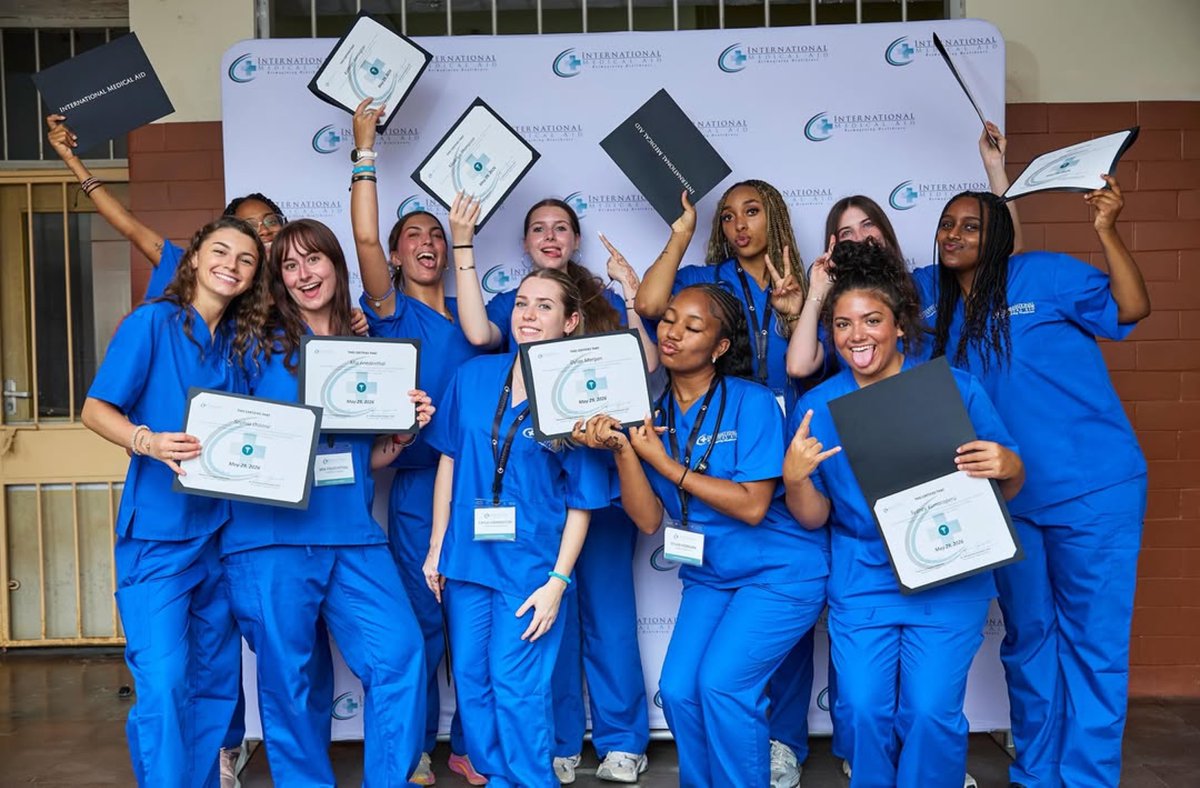
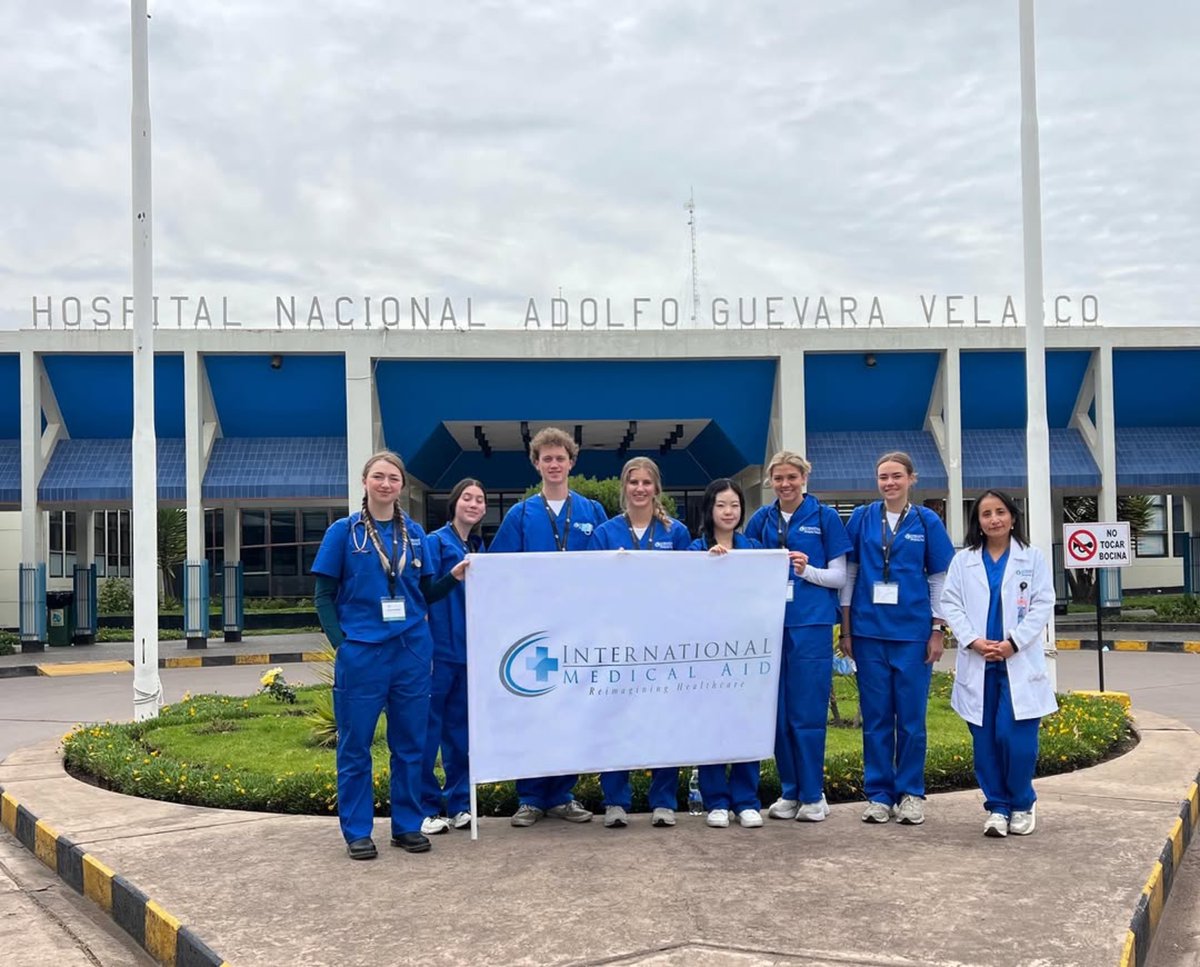
Recently, at our flagship site in South America—Cusco, Peru—International Medical Aid proudly recognized the dedication, professionalism, and commitment of our Summer 2026 May Cohort as they completed their IMA programs.
During their time in Cusco, the cohort participated in meaningful global health experiences that combined clinical shadowing, health education, cultural immersion, and community engagement. Through these opportunities, they gained valuable insight into Peru’s healthcare system while continuing to develop the knowledge, perspective, and professionalism essential to their future careers in healthcare.
At the conclusion of their programs, the May Cohort received Certificates of Completion in recognition of their participation, growth, and contributions throughout their internship experience.
We are grateful for the enthusiasm, compassion, and commitment this cohort brought to the program, and we are proud to have been part of their learning journey. We wish them continued success as they move forward in their academic and professional paths.
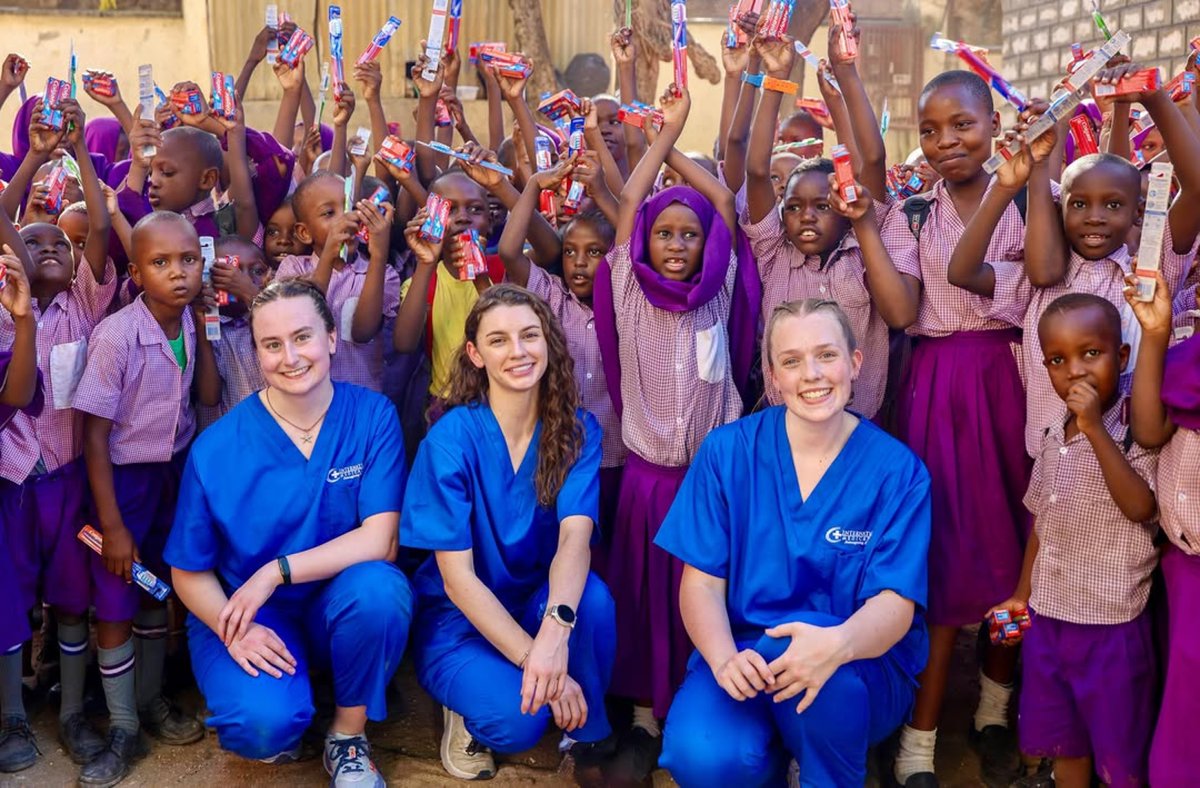
Recently, at our flagship site in South America—Cusco, Peru—interns from our May cohorts conducted an oral hygiene and handwashing education session at Víctor Raúl Haya de la Torre School, reinforcing IMA’s commitment to preventive health education and meaningful community engagement among school-aged children.
Health education remains a fundamental component of promoting long-term well-being. Through partnerships with local communiaties, IMA strives to equip children with the knowledge and practical skills needed to adopt healthy habits that can positively impact their lives for years to come.
During this campaign, our interns worked closely with students through interactive demonstrations, educational activities, and hands-on learning focused on proper toothbrushing techniques and effective handwashing practices. These dynamic engagements encourage active participation while making health education both accessible and enjoyable for children.
As we continue our outreach efforts, IMA remains dedicated to empowering communities through education, prevention, and health promotion initiatives.
Our Community Medical Clinics are guided by a long-term approach to healthcare delivery—one that prioritizes continuity, accessibility, and a deeper understanding of how health shapes everyday life. Rather than standalone interventions, each engagement forms part of an ongoing commitment to strengthening access to care in ways that are both practical and meaningful.
Recently, IMA conducted a Community Medical Clinic at Longo Primary School in Mtongwe, located near our flagship site in East Africa—Mombasa, Kenya. As communities continue to grow beyond central healthcare hubs, outreach remains essential not only for delivering services, but also for understanding the evolving needs that shape care on the ground.
What often stands out in these settings is that healthcare is not only about diagnosis or treatment. It is also about how people live within the realities of their health—how they learn, participate in their communities, and navigate different stages of life.
During this clinic, a clear pattern emerged across generations. While needs may differ, the underlying themes remain the same: dignity, confidence, and continuity in daily life.
For breast cancer survivors, this was reflected in the provision of breast prostheses as part of continued support beyond treatment. Their journeys speak to the ongoing process of adjustment and rebuilding, where identity and confidence evolve alongside physical recovery.
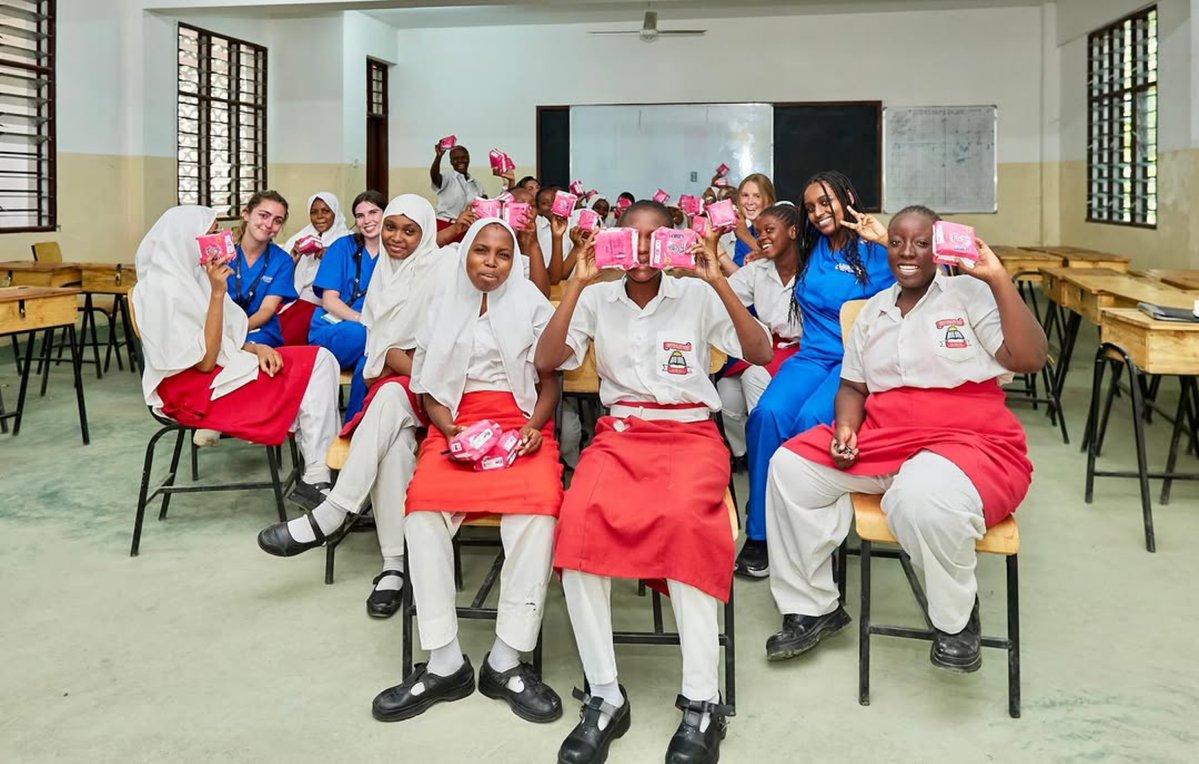
For young girls, it was reflected in the provision of sanitary towels as part of IMA’s continued focus on menstrual health, supporting their ability to remain in school and participate fully in daily life without disruption.
Across both experiences, what stood out was not the difference in context, but the shared need for care that preserves dignity and supports continuity in how health is lived, not just treated.
Each IMA outreach activity contributes to a broader effort to strengthen community-centered care that is responsive, sustained, and rooted in lived experience. In every clinic, our focus remains on expanding access while staying attentive to the quieter dimensions of healthcare that shape long-term well-being.
We celebrate our early May Cohort, the first Summer 2026 group to successfully complete their healthcare internship at our flagship site in East Africa—Mombasa, Kenya.
They arrived with curiosity and left with perspectives shaped by real clinical spaces. From the beginning, they were immersed in environments where learning was not theoretical, but lived through patients, conversations, and the rhythm of care as it unfolded in real time.
Much of their journey took place at Coast General Teaching and Referral Hospital, where they rotated through busy outpatient departments, wards, and specialized units. In these spaces, they experienced the realities of public healthcare—fast-paced, unpredictable, and deeply reliant on teamwork, communication, and shared responsibility to keep care moving.
Over time, something shifted. What first felt like observation became understanding. What once felt overwhelming became meaningful. Healthcare became less about isolated moments and more about the quiet systems and human connections that hold it all together.
To our early May Cohort: congratulations. You leave not only with experience in clinical settings, but with a perspective shaped by being part of them. We are proud of your journey here and even more excited for the paths you are now stepping into.
As we continue recognizing Menstrual Hygiene Management Month, our outreach efforts remain centered on understanding how menstrual health challenges present differently across communities and settings.
In recent weeks, we highlighted some of the barriers faced in rural communities, where limited access to menstrual products, sanitation facilities, healthcare resources, and menstrual health education continues to affect the well-being, dignity, and school attendance of young girls.
This week, our team at our flagship site in East Africa—Mombasa, Kenya—visited Mekatilili wa Menza Girls Senior School, located within an urban setting, to further explore the realities surrounding menstrual health management in a different context. While urban communities may have greater access to healthcare services and menstrual products, many students still face significant challenges, including affordability, inconsistent access to products, stigma, misinformation, limited menstrual health education, and the need for more supportive spaces where these conversations can take place openly.
These engagements help us better understand the diverse and evolving needs of the communities we work with while strengthening community-centered approaches to health education and advocacy. Through continued dialogue, education sessions, and partnerships with local schools and community stakeholders, IMA remains committed to supporting safer, more informed, and more supportive environments for girls and young women.
This year’s theme, “Together for a #PeriodFriendlyWorld,” is an important reminder that menstrual health equity requires collective action across all communities. Whether in rural or urban settings, creating period-friendly environments means ensuring that girls and young women have access not only to menstrual products, but also to education, dignity, support, and safe spaces to thrive without shame or limitation.
Through sustained community partnerships and open conversations, we remain committed to advancing menstrual health awareness and helping build healthier, more supportive futures for the communities we serve.
Recently, at our flagship site in South America—Cusco, Peru—IMA interns had the opportunity to experience a breathtaking hike through the mountains surrounding the city. As part of the activity, interns visited Inkilltambo, an Inca-era archaeological site nestled among the mountains and local flora.
Throughout the journey, interns connected with Peru’s natural landscape while walking alongside streams, learning about medicinal herbs traditionally used in the region, and taking in the fresh air and peaceful scenery of the Andean countryside.
Beyond the adventure itself, the experience offered interns a meaningful opportunity to step away from the pace of the city and the demands of their hospital rotations, allowing them to reflect, recharge, and reconnect with nature while deepening their appreciation for Peru’s rich history, culture, and environment.
Conversations surrounding boys’ mental health are too often shaped by silence, stigma, and expectations that discourage emotional openness from an early age. In many school environments, young men are encouraged to appear resilient and self-reliant, while discussions surrounding stress, emotional well-being, and mental health challenges remain limited or overlooked.
Recently, at our flagship site in East Africa—Mombasa, Kenya—IMA interns participated in a Mental Health Awareness Clinic at Tononoka Boys Senior School. During the session, interns engaged students in meaningful conversations about emotional health, stress management, self-awareness, and the importance of building supportive environments where young men feel comfortable expressing themselves without fear of judgment.
Throughout the clinic, students reflected on the pressures that can accompany adolescence, including academic expectations, peer relationships, and societal perceptions surrounding masculinity and emotional expression. The session encouraged students to recognize that emotions such as stress, anxiety, frustration, and sadness are a normal part of life, and that acknowledging these experiences is an important part of maintaining overall well-being.
Creating spaces where young men can speak openly about mental health is essential to strengthening emotional literacy, peer support, and long-term well-being within school communities. Through continued outreach initiatives like this, IMA remains committed to supporting health education, encouraging meaningful dialogue, and helping students better understand the social, emotional, and human dimensions of care.
Here is another look at our most recent Community Medical Clinic at Casa de la Cultura, located at our flagship site in South America—Cusco, Peru.
IMA interns joined local healthcare professionals as members of the community received free healthcare services across multiple specialties, including general medicine, pediatrics, gynecology, psychology, and dentistry.
Moments like these reflect the heart of IMA’s global health programs: learning, service, and meaningful connection with the communities we are privileged to work alongside.
This past week at our flagship site in South America—Cusco, Peru—IMA interns took part in a Community Medical Clinic at Casa de la Cultura, where members of the local community received free healthcare services across general medicine, pediatrics, gynecology, psychology, and dentistry.
Working alongside local healthcare professionals, interns had the opportunity to observe patient care in a community-based setting while gaining a deeper understanding of the healthcare needs, challenges, and strengths of the Cusco community. From physician-patient communication to interdisciplinary teamwork, the clinic offered students meaningful exposure to the human side of medicine and the role compassionate care plays in improving access to healthcare.
Experiences like these are central to IMA’s mission: connecting students with immersive global health opportunities that deepen clinical understanding, strengthen cultural awareness, and inspire a lifelong commitment to service.
As our Summer 2026 programs continue in Cusco, Peru, and Mombasa, Kenya, we look forward to sharing more moments from the field as our interns learn, serve, and grow through meaningful global healthcare experiences.
The last few weeks have marked the beginning of another exciting season as we welcomed interns from around the world to our flagship sites in East Africa and South America. These upcoming cohorts were selected from the largest and most competitive applicant pool IMA has seen to date, reflecting a substantial increase in application volume and growing interest in our global healthcare programs.
From the moment they arrive, participants step into the environments that will shape their experience over the coming weeks, beginning with introductions to the hospitals, clinics, and community spaces that form the foundation of their time in Mombasa, Kenya, and Cusco, Peru. Our goal is to immerse students in global healthcare while fostering a strong sense of community, cultural connection, and purpose from day one.
As they settle into these new settings, interns begin engaging with healthcare teams and local communities, gaining early exposure to the realities of healthcare delivery in resource-limited settings while building meaningful connections along the way.
Each arrival marks the beginning of a transformative journey, one shaped by every rotation, every patient interaction, and every shared learning experience that brings students closer to understanding the practice and purpose of global medicine.
Many of the habits that shape long-term health begin to develop during childhood, often in the everyday environments where students spend the most time. Schools, therefore, play an important role in introducing children to the practical behaviors and routines that support personal and community well-being.
Recently, we conducted a Hygiene Education Session at Kipevu Primary School, located at our flagship site in East Africa—Mombasa, Kenya. Through interactive discussions and demonstrations, students explored foundational hygiene practices, including proper handwashing techniques, oral hygiene, and the importance of maintaining consistent daily hygiene routines.
The session focused on teaching practical skills while helping students better understand why these habits matter. Within shared school environments, small daily routines can influence classroom health, student well-being, attendance, and overall quality of life. Introducing these concepts early helps students build stronger awareness around prevention, responsibility, and healthy living practices that can extend beyond the classroom into their homes and communities. What stood out throughout the session was the students’ level of engagement and curiosity. Their willingness to participate, ask questions, and contribute to discussions created a meaningful learning environment for both students and interns.
Through continued outreach and preventive health education initiatives, we remain committed to supporting healthier school environments and encouraging practical habits that promote long-term well-being in the communities we serve.
Summer 2026 has officially begun at our flagship site in South America—Cusco, Peru—where a new cohort of interns is beginning their global healthcare internship experience with International Medical Aid.
Each IMA program begins with a comprehensive orientation designed to help participants transition into both the clinical and cultural dimensions of life abroad. For interns arriving in Cusco, this transition includes adapting to a new healthcare system, language, culture, altitude, and pace of daily life, all while preparing for meaningful clinical and community-based learning experiences.
IMA’s orientation serves as an important foundation for this process. During their first days in Peru, interns are introduced to program structure, clinical expectations, transportation, cultural adjustment, shared living arrangements, safety protocols, and the support systems available to them throughout their stay.
As participants settle into Cusco, these early experiences begin shaping their understanding of the communities and healthcare environments they will engage with during the program. Orientation also provides an opportunity for interns to build connections with one another, ask questions openly, and begin adapting together within a new and unfamiliar setting.
The beginning of every cohort brings a sense of anticipation, curiosity, and possibility. In the weeks ahead, interns will enter clinical environments, immerse themselves in Peruvian culture, and gain experiences that challenge their perspectives while contributing to their personal, academic, and professional growth.
We look forward to sharing more moments from their journey in Cusco throughout the summer.
Applications for our Summer 2026 programs remain open on a rolling basis. Learn more and apply today at https://t.co/QfEDbrbztC!
This summer, our focus across our Global Health Initiatives and flagship programs is to scale and build on the impact we have been establishing over the years. This means returning to the communities we have long partnered with, strengthening and streamlining those relationships, expanding our reach to additional underserved areas, and broadening the scope of care we are able to provide.
Recently, we conducted a Community Medical Clinic at Maweni Primary School, located at our flagship site in East Africa—Mombasa, Kenya. The Maweni community, located within an informal settlement, is one that we have had the privilege of working with consistently each year since the beginning of our operations in the region.
These recurring engagements are central to our approach to community health. They allow us not only to provide immediate clinical services but also to build continuity of care through follow-ups on chronic conditions, strengthen structured collaboration with local health workers, and develop a clearer understanding of recurring health patterns within the community year after year. Within this context, we continue to observe an increasing burden of lifestyle and non-communicable diseases, which has become an important consideration in how we align care delivery with the evolving needs of the population we serve.
During this most recent clinic, our teams worked alongside local partners to deliver essential medical services, health education, and preventive care, reinforcing our commitment to accessible and community-centered healthcare delivery.
With each return, our commitment remains the same: to bridge the gap in healthcare accessibility through sustained, community-centered engagement.
At our flagship site in South America—Cusco, Peru—clinical learning extends far beyond the hospital environment. As part of the Summer 2026 experience, our interns recently participated in a cultural and nature-based city tour designed to help them better understand the region's history, environment, and communities that shape daily life.
Throughout the experience, interns explored some of Cusco’s most historically significant landmarks, including Sacsayhuamán, Qenqo, and Puka Pukara, gaining firsthand insight into the legacy and architectural brilliance of the Inca civilization. Surrounded by breathtaking mountain landscapes and centuries of history, the experience offexred a deeper appreciation of the cultural context that continues to influence life in Peru today.
The group also visited San Pedro Market, one of Cusco’s most vibrant community spaces, where interns experienced local foods, traditions, and the energy of everyday life within the city. These moments create opportunities for participants to engage with Cusco beyond clinical settings while building meaningful connections through shared experiences and cultural immersion.
What makes experiences like these so impactful is how they transform healthcare internships into something much more than clinical exposure alone. By living within the culture, exploring historic sites, and engaging directly with local communities, interns gain a broader global perspective while creating memories and connections that often become defining parts of their experience in Peru.
For many students in remote and underserved communities, access to menstrual health education remains deeply limited—not because the need is absent, but because the barriers are significant. In recognition of Menstrual Health Awareness Month, we recently conducted a Women’s Health Education Session at Mwakirunge Senior School, located near our flagship site in East Africa: Mombasa, Kenya. This outreach reflects our continued commitment to ensuring that girls in hard-to-reach communities are not left behind in conversations surrounding reproductive health, dignity, and access to accurate health information.
In schools located far from urban centers, challenges surrounding menstrual hygiene management are often intensified by limited access to accurate information, inconsistent water availability, financial barriers to sanitary products, and deeply rooted cultural taboos. For many girls, menstruation is approached quietly and cautiously, shaped by stigma and misinformation that discourage open discussion. These realities can affect confidence, school attendance, and emotional well-being.
What became evident throughout the session was how many students had spent years navigating menstruation with unanswered questions and limited guidance. Topics that are often treated as uncomfortable quickly became among the most important conversations in the room. As trust grew, students became more willing to speak honestly about their experiences, concerns, and the challenges they face in managing their periods within their daily environments.
At IMA, we recognize menstrual health education as an essential part of promoting dignity, confidence, and long-term well-being among young women. Through continued outreach in underserved schools, we remain committed to creating spaces where students can access accurate information, ask questions openly, and develop a healthier understanding of their bodies.
Preventive health education often begins with the simplest lessons, yet its impact can shape long-term health outcomes for entire communities. As Summer 2026 programs begin, these early moments of engagement set the tone for a season dedicated to community outreach, healthcare awareness, and prevention-focused learning across communities.
Our first Hygiene Education Session of the summer took place at Pentrose Community Primary School, located near our flagship site in East Africa—Mombasa, Kenya. During the session, our interns engaged students through interactive discussions and demonstrations focused on essential hygiene practices, including proper handwashing, oral hygiene, personal cleanliness, and how everyday habits directly influence disease prevention and overall well-being.
The session reached approximately two hundred students, creating an energetic and meaningful start to our outreach efforts. Through active participation and open dialogue, students were encouraged to reflect on how small, consistent actions can protect not only their own health but also the well-being of their families and wider community. These foundational lessons are especially impactful in settings where access to health education may be limited, helping to bridge critical gaps in preventive knowledge.
As the summer continues, this first session sets a clear foundation for the many initiatives ahead. Each upcoming outreach program will build on this momentum, reinforcing the importance of prevention and empowering communities with the knowledge to make informed, healthier choices for the long term.
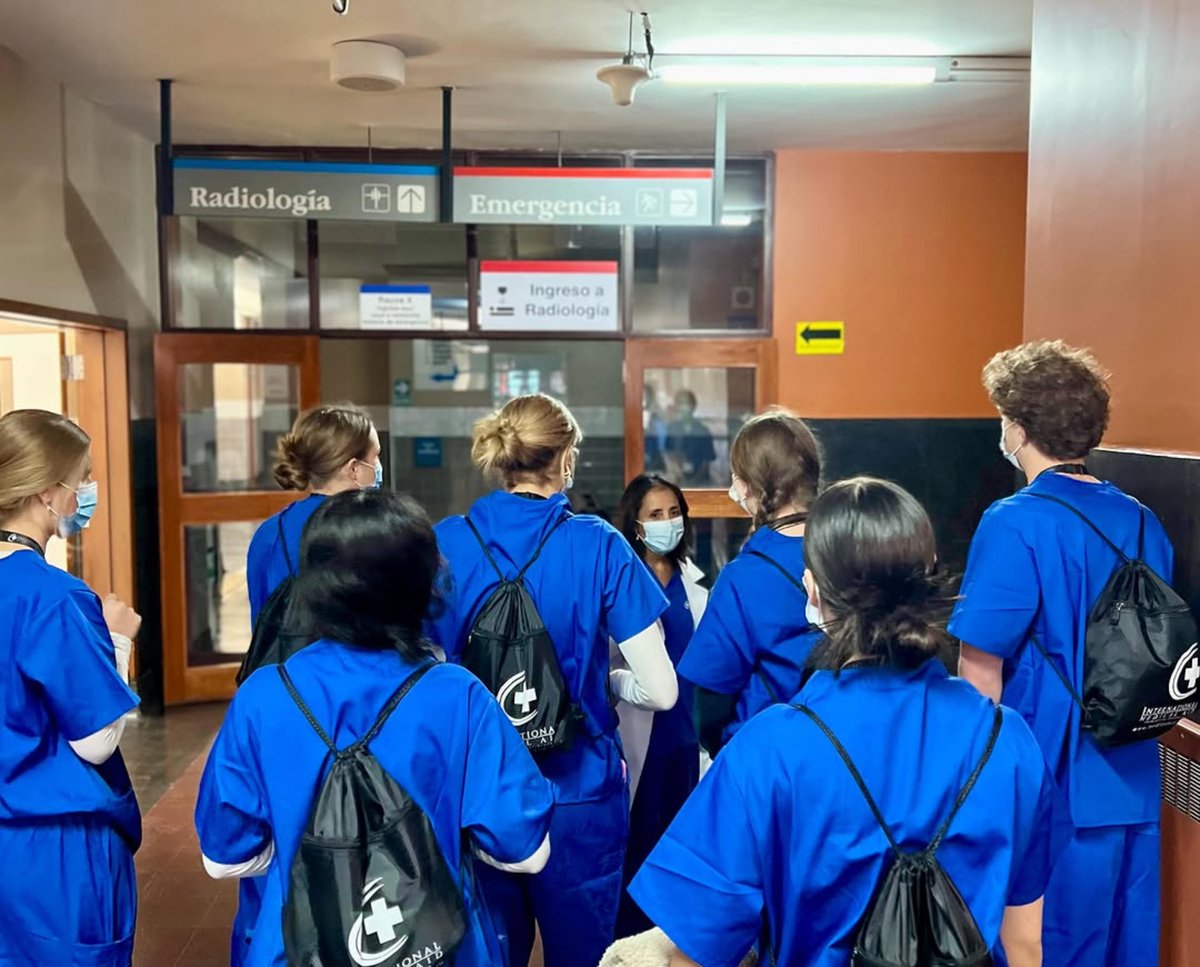
Summer 2026 has officially begun, marked by the arrival of the first members of our initial cohort at our flagship site in East Africa—Mombasa, Kenya—where their journey included a comprehensive hospital orientation at Coast General Teaching and Referral Hospital.
At Coast General Teaching and Referral Hospital, the largest referral hospital in Kenya’s coastal region, interns were introduced to the hospital environment, key departments, and the coordination of care across different units. This first step provides essential context for engaging with healthcare providers, observing care delivery in real time, and understanding patient flow within a busy public hospital setting.
As they settle in and are joined by members of the full cohort in the coming weeks, we will continue sharing highlights from their internship experiences, offering a closer look at their learning, growth, and overall journey within the program.
Are you interested in gaining global healthcare internship experience?
Applications for our Summer 2026 programs remain open on a rolling basis. Learn more and apply today at https://t.co/QfEDbrbztC!
April is recognized as Stress Awareness Month, a global reminder of the importance of understanding and managing stress in everyday life. This year’s theme, Be The Change, aligns with our Mental Health Awareness Clinics, conducted primaryy at our flagship sites in East Africa—Mombasa, Kenya—at high schools and in selected vulnerable communities.
⠀
The program serves as an educational platform that introduces key mental health concepts while creating space for meaningful discussions around the academic, social, and personal pressures young people face. Rather than treating mental health as a distant issue, the sessions are held in familiar environments where participants can reflect openly and engage more comfortably.
⠀
Through guided discussions, participants are encouraged to express themselves, share perspectives, and explore practical ways to recognize and respond to stress and emotional challenges. The focus goes beyond awareness by building confidence in managing everyday pressures. In many of these settings, conversations around mental well-being remain limited, making these engagements an important step toward reducing stigma and strengthening understanding among young people.
⠀
As stress-related challenges continue to rise globally, especially among adolescents, these clinics support early awareness and prevention by encouraging healthier coping approaches, open communication, and stronger support systems within schools and communities.
⠀
At IMA, we believe meaningful change begins when awareness evolves into conversation, and conversation becomes a sustained part of everyday community practice. To learn more about our Global Health Initiatives, visit https://t.co/QfEDbrbztC!
"I could go on and on with stories of what I heard, saw, and experienced during my time at CGTRH and with IMA. Through these moments, I began to understand the kind of provider I want to be.
I saw the strain of overworked, understaffed, resource-limited systems. I saw how bias can influence care, and how repeated exposure to death can slowly erode the small gestures that matter most. But I also saw resilience, creativity, and compassion. I learned what it means to problem-solve when a patient can only afford one test or treatment, and what it looks like to truly meet a patient halfway—like performing a total hip replacement under epidural anesthesia because the patient could not afford general anesthesia.
Above all, I leave this experience with a deeper understanding that medicine is not just practiced through knowledge, but through presence, humility, and humanity. I am, and always will be, profoundly grateful to IMA and CGTRH for allowing me to witness both the joy and the grief that shape this beautiful country and for trusting me with the stories that will continue to shape me as a future provider."
- 𝐀𝐧𝐧𝐚 𝗪𝐢𝐥𝐥𝐢𝐭𝐬, 𝗪𝐢𝐧𝐭𝐞𝐫 𝟐𝟎𝟐𝟓 𝐀𝐥𝐮𝐦
𝘜𝘯𝘪𝘷𝘦𝘳𝘴𝘪𝘵𝘺 𝘰𝘧 𝘛𝘦𝘹𝘢𝘴 𝘔𝘦𝘥𝘪𝘤𝘢𝘭 𝘉𝘳𝘢𝘯𝘤𝘩 𝟸𝟶𝟸𝟼
Access to consistent healthcare remains a challenge in the Dalu community, Tana River County, Kenya, where long distances to health facilities and limited access to basic health resources often delay or prevent families from receiving timely care. In many cases, even essential hygiene items are not readily available, leaving everyday health needs unmet.
These gaps highlight the importance of community-based outreach in settings where routine medical services are not always easily accessible. Such initiatives help bring essential healthcare support closer to populations that would otherwise go without timely care.
At our flagship site in East Africa—Mombasa, Kenya—we partnered with Kuluhiro and Vibe Spot to conduct a community outreach at Dalu Secondary School. This outreach was delivered collaboratively, with Kuluhiro supporting community mobilization and Vibe Spot contributing sanitary towels to support menstrual hygiene needs. We spearheaded a mobile medical clinic that provided general consultations, dental services, and essential medications.
Through partnerships like these, we continue to strengthen access to essential health services in underserved areas through coordinated Community Outreach Activities. Are you interested in making an impactful difference? Learn more about our Global Health Initiatives at https://t.co/QfEDbrc7ja!