Bringing together 191 member countries to improve lives through global growth and economic stability.
@FMIactualites @FMInoticias @IMFAfrica @IMFAsiaPacific
Ahead of the 2026 IMF–World Bank Annual Meetings, three photographers selected through the IMF’s Thailand Photo Contest capture a Thailand that blends innovation, sustainability, tradition, and community, offering a fresh perspective on the country hosting this year’s Meetings.
Some of the most important economic debates of our time are unfolding in books. From the future of globalization and the rise of China to financial regulation and illicit finance, discover a dozen recent titles reviewed in F&D magazine in our latest blog. https://t.co/N3ROusKmX9
Commodity markets are volatile in nature. Supply shocks can trigger sharp price swings with global consequences, Jean-Marc Natal writes in F&D magazine. https://t.co/2aV7h8gWsu
Good to see my friends @Treasury_RSA Finance Minister Enoch Godongwana and @SAReserveBank Governor @KganyagoLesetja. We had a good exchange on the global economic outlook and reform priorities that can lift growth in South Africa. Looking forward to seeing you both again in Bangkok.
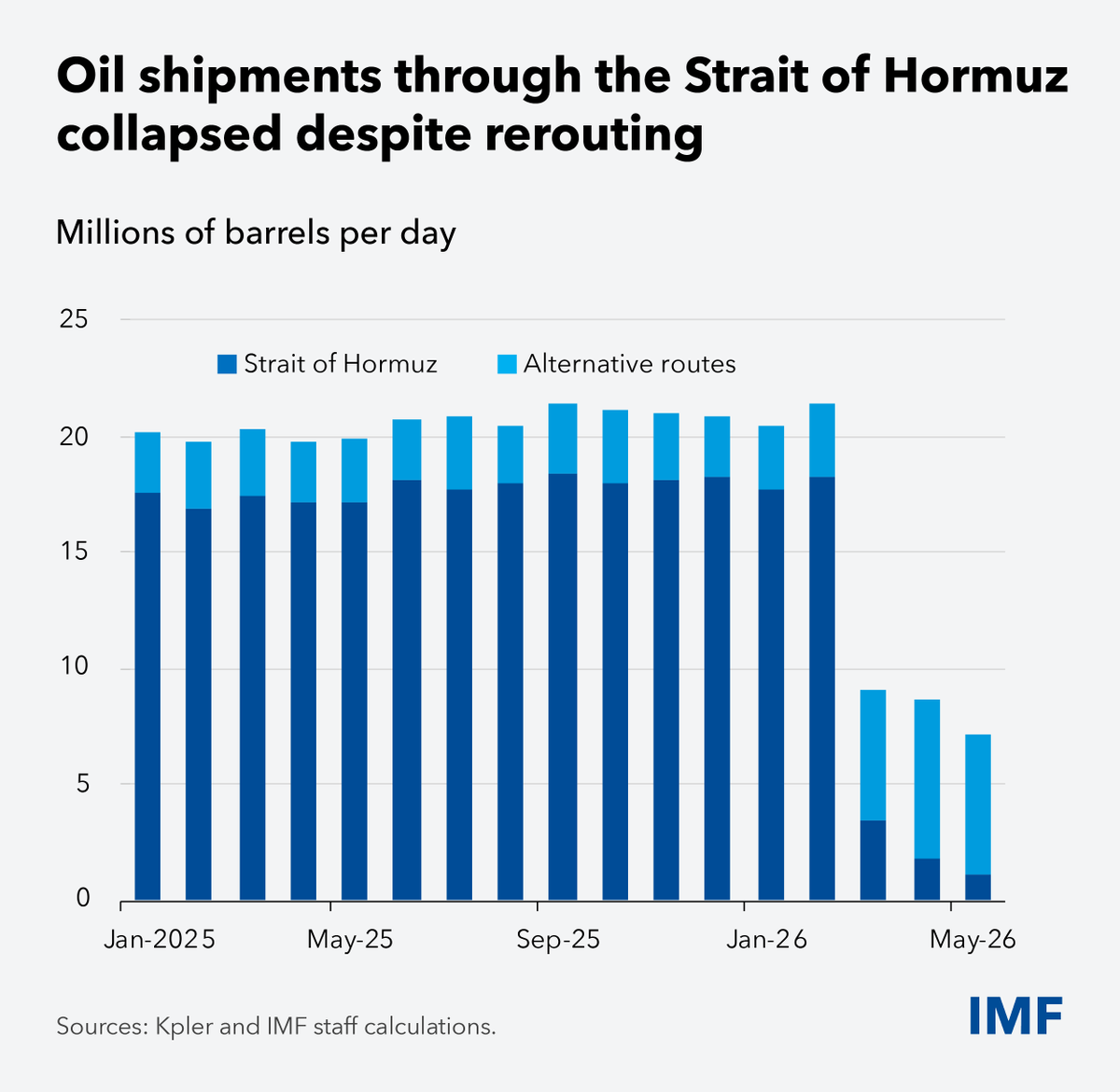
Energy markets absorbed a major oil supply shock through lower demand, higher production, and existing inventories. The next priority is clear: rebuild stocks and strengthen resilience against future disruptions. See our blog. https://t.co/kRGNExbDj7
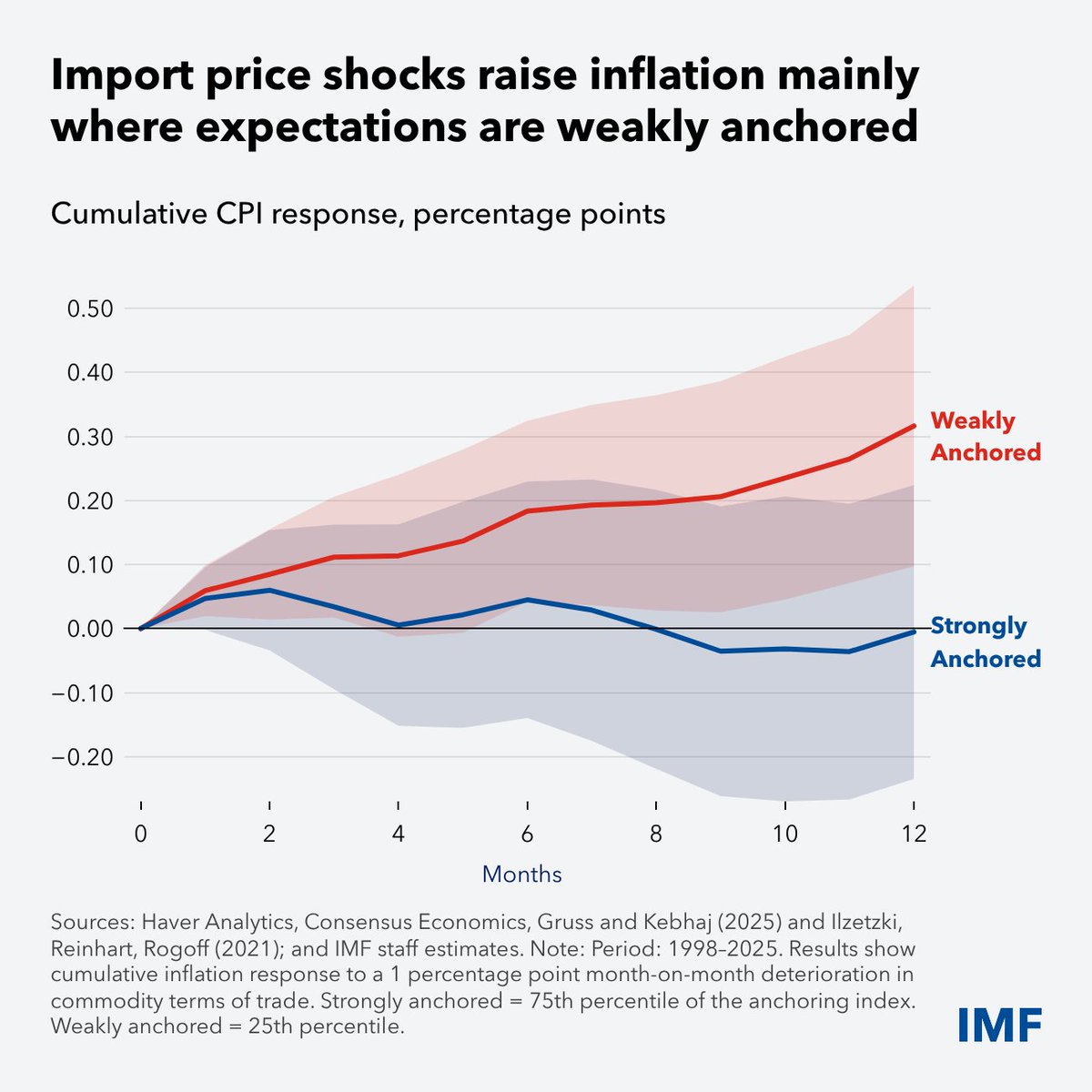
Latin America’s well-anchored inflation expectations may help policymakers better manage tradeoffs in the face of oil price shocks. Read our new blog for more on what the latest IMF research shows. https://t.co/5PGrAzxo33
Aid to sub-Saharan Africa is falling fast—and this time is different. Cuts are large, broad, and driven by donor decisions, not domestic conditions. For countries with limited fiscal space, there are no easy options. New IMF analysis explains the trade-offs. https://t.co/SihLsMyfjo
Thailand's Deputy Prime Minister and @mofthailand Minister Ekniti Nitithanprapas calls the 2026 Annual Meetings the "Olympics of global finance." This October, Thailand hosts finance ministers and central bank governors from around the world. #IMFMeetings
The IMF Executive Board completed the latest reviews of Egypt’s IMF-supported programs, enabling access to about $1.8 billion. Egypt’s economy remains resilient. Accelerating structural reforms and reducing the state’s role is key to inclusive growth. https://t.co/2ZKp6OrEYD
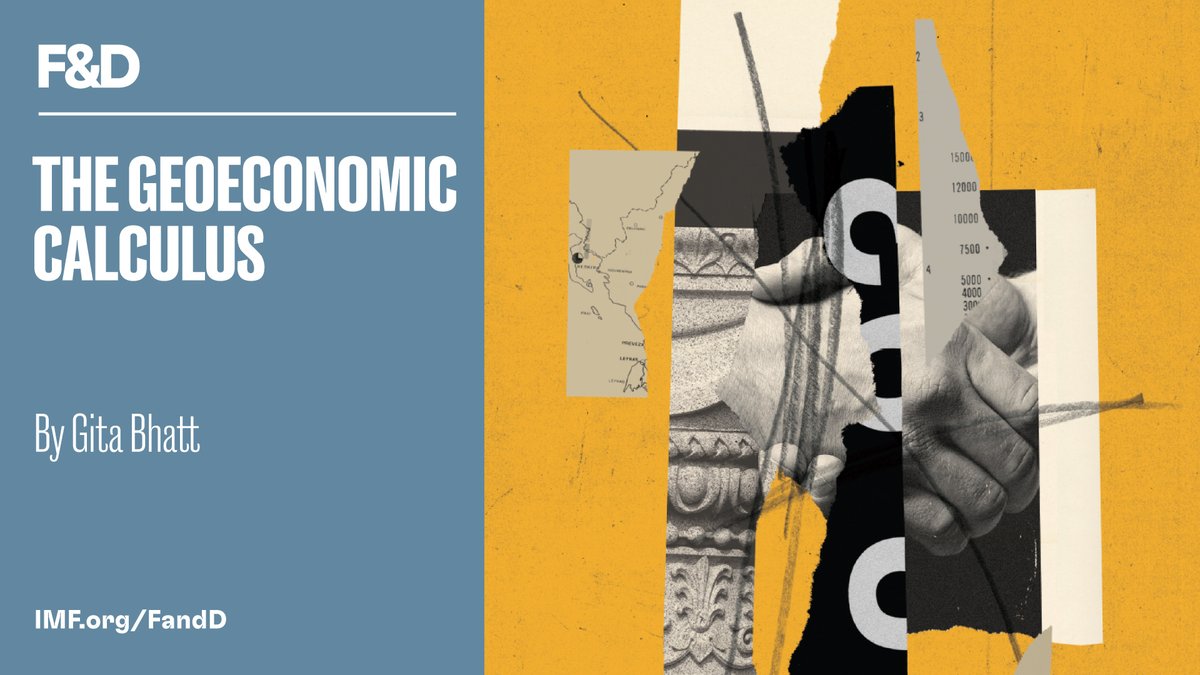
A new era of geoeconomics is reshaping how nations pursue power, growth, and security, according to F&D editor-in-chief Gita Bhatt. https://t.co/TDEA9pIHwO
I’m counting down the weeks to our Annual Meetings in Bangkok this October. Echoing Thailand’s Deputy Prime Minister and Finance Minister, Ekniti Nitithanprapas, we’ll bring the world together to discuss the challenges we all face—and the practical solutions we need.#IMFMeetings
Persistent global imbalances can fuel financial vulnerabilities & raise the risk of disorderly adjustment. IMF research shows that simultaneous policy action across major economies could reduce imbalances and support more balanced and sustainable growth. https://t.co/qO3AO44WyX
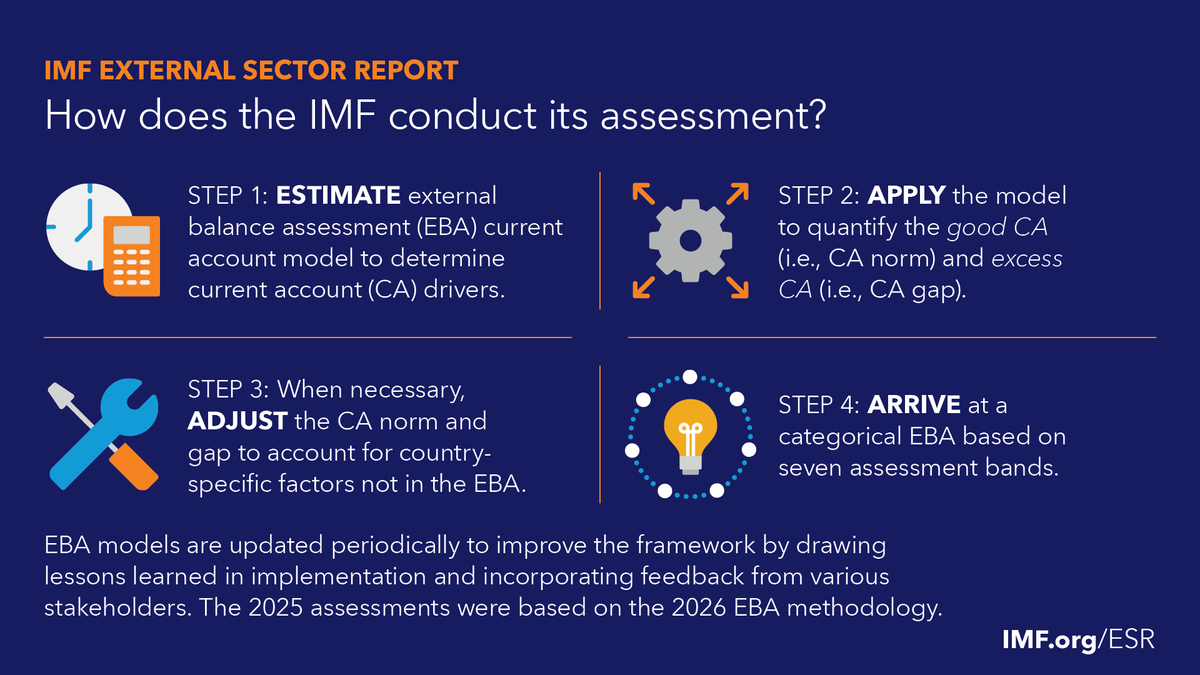
The External Sector Report uses the External Balance Assessment methodology to estimate current account norms and gaps in 30 of the world’s largest economies. Read the latest report: https://t.co/95kXB4H88U
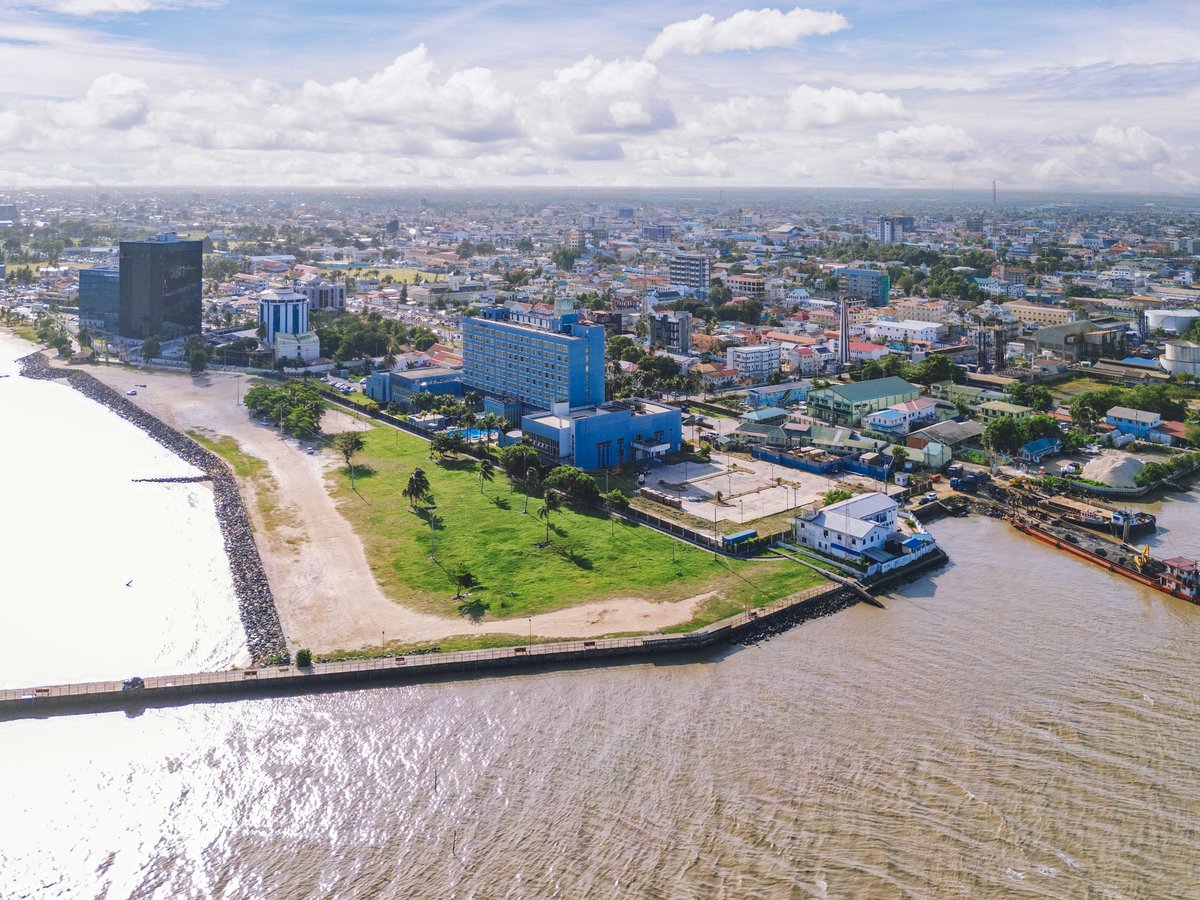
Guyana's economy continues to grow rapidly, driven by strong oil and non-oil activity. Prudent macroeconomic policies, growing buffers, and strong public and private investment support stability and long-term growth. Read the findings of the 2026 Article IV mission: https://t.co/EhU4GCymWe
Argentina has laid the foundations for a more stable future. The challenge now is to stay the course—to keep building the institutions, confidence, and opportunities that will allow today's progress to become lasting prosperity. Read my visit recap: https://t.co/W588XWUhju
In today’s Weekend Read, we examine how rising global imbalances can contribute to financial vulnerabilities, how Peru can turn a commodity boom into lasting prosperity, and how African economies can adapt to an increasingly fragmented world. https://t.co/IoyWwZEFBA
A few large economies drove a widening of global current account imbalances in 2025, according to our latest External Sector Report. As trade patterns evolve, the path to stronger growth & stability is in sound policies at home & cross-border cooperation. https://t.co/R2BF2q14b5
Egypt's economy remains resilient despite the war in the Middle East. Preserving stability requires a tight monetary policy, fiscal discipline, decisive implementation of the State Ownership Policy and divestment agenda and sustained social support. 2/2 https://t.co/atjAI6Xahw
The IMF Executive Board completed the 7th review under the Extended Fund Facility and the 2nd review under the Resilience and Sustainability Facility arrangement, enabling access to about $1.8 billion to support Egypt’s reform agenda and resilience efforts. 1/2
IMF’s latest External Sector Report finds that global current account balances widened again in 2025, reversing the post-global financial crisis narrowing trend. The widening was driven primarily by China, partly offset by narrowing in the U.S. & euro area.
https://t.co/C90A4RTHqQ