Welcome to the IMF’s official Middle East & North Africa account. We share our latest news, reports, and events from the region in Arabic, English, and French.
Growth in the MENAP region is projected to contract by 1.3% in 2026, nearly 3 percentage points below April's forecast. If the Middle East war subsides & trade normalizes, growth could rebound to 6.6% in 2027, supported by a recovery in Gulf oil exporters. https://t.co/xWFn5pP7fW
Deputy Managing Director Okamura concluded his visit to Jordan, highlighting the country's resilience and the importance of sustained reforms to create more and better jobs, expand opportunities, and support stronger, more inclusive growth. https://t.co/pyNNeiXO8x
@CentralBank_JO@MOF_Jordan@MoPIC_Jordan Their discussions focused on preserving monetary and financial stability, keeping fiscal adjustment on track, alongside reforms to deepen capital markets, accelerate digitalization, boost private investment and create more jobs.
DMD Kenji Okamura had a productive exchange with @CentralBank_JO Governor Adel Al-Sharkas, @MOF_Jordan Minister Abdelhakim Shibli and @MoPIC_Jordan Minister Zeina Toukan on Jordan’s economic priorities.
During his visit to Amman, DMD Okamura met with Jordan's @JafarHassan and @MuhanadShehadeh, commending the country's resilience and commitment to macroeconomic stability. They discussed sustaining reform momentum to support stronger, more inclusive, private sector-led growth.
NEW PUBLICATION: Our latest departmental paper looks at the economic impact of refugee flows across the Middle East and Central Asia, and the policies that can ease pressures on host countries. https://t.co/QIBi0qulpM
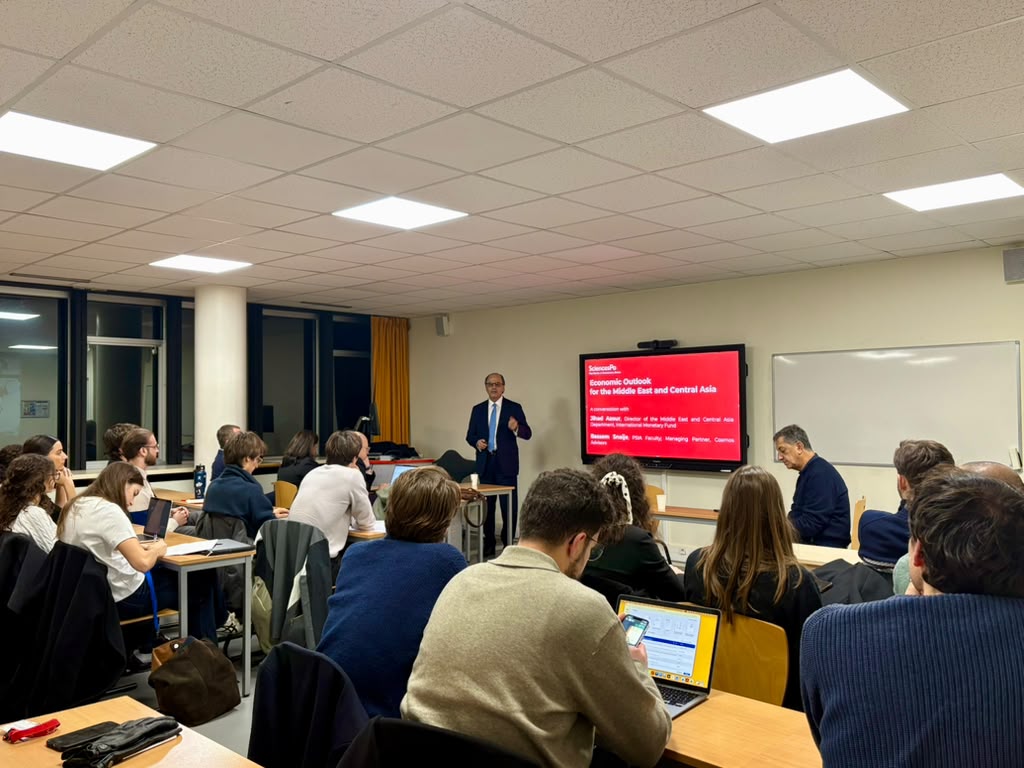
In Paris, @jihad_azour shared the IMF’s outlook for the Middle East and Central Asia with scholars, experts, and students at the French Institute of Economics, in a discussion chaired by Christophe Destais. Find out more https://t.co/YZW8ChrkzL
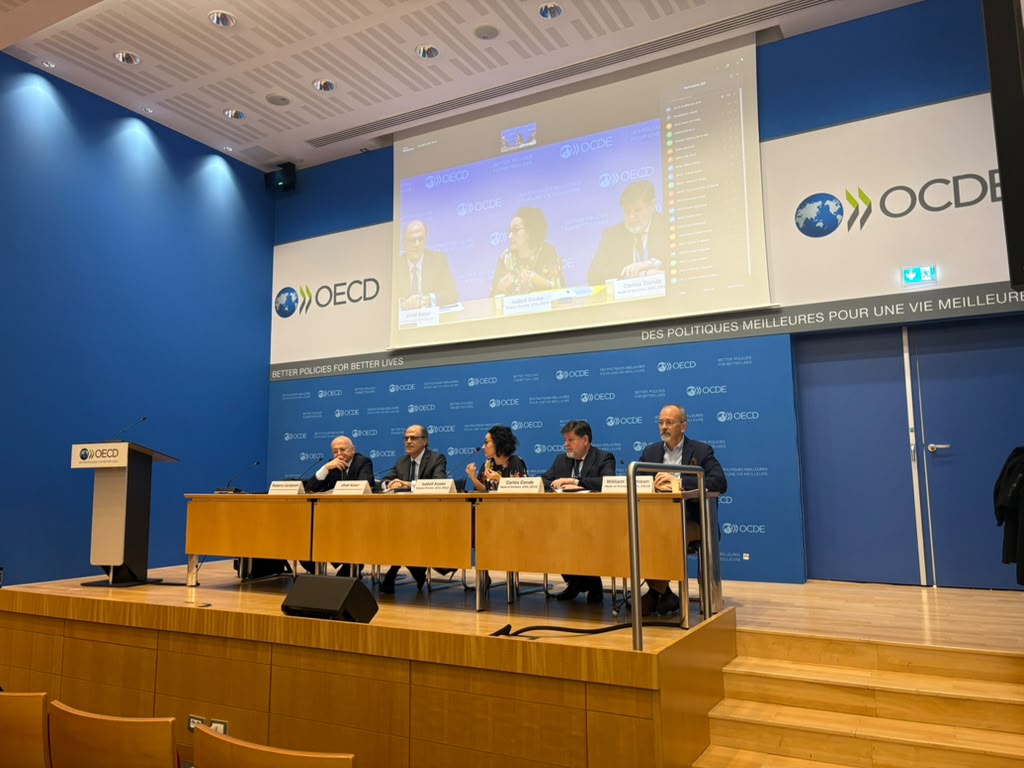
At the OECD in Paris, @jihad_azour and colleagues discussed the Middle East and Central Asia outlook and opportunities for IMF-OECD cooperation to strengthen policy frameworks and institutional capacity across the region.
Learn more: https://t.co/YZW8ChrkzL
IMF staff and Egypt have reached staff-level agreement on the final EFF review and third RSF review. Continued reforms will be key to safeguarding stability, supporting private sector-led growth, and creating more jobs and opportunities for all Egyptians. https://t.co/cwIo5wr8eT
IMF Middle East and Central Asia Director and Sciences Po alumnus Jihad Azour joined PSIA master’s students and faculty member Bassem Snaije to discuss the region’s economic outlook and encourage the next generation to get involved in international economics.
In Paris, @jihad_azour met with IEA experts Tim Gould and Ali Saffar to discuss the global energy outlook and the impact of disruptions to energy production and trade routes in the Middle East. IMF Assistant Director Roberto Cardelli joined the discussion.
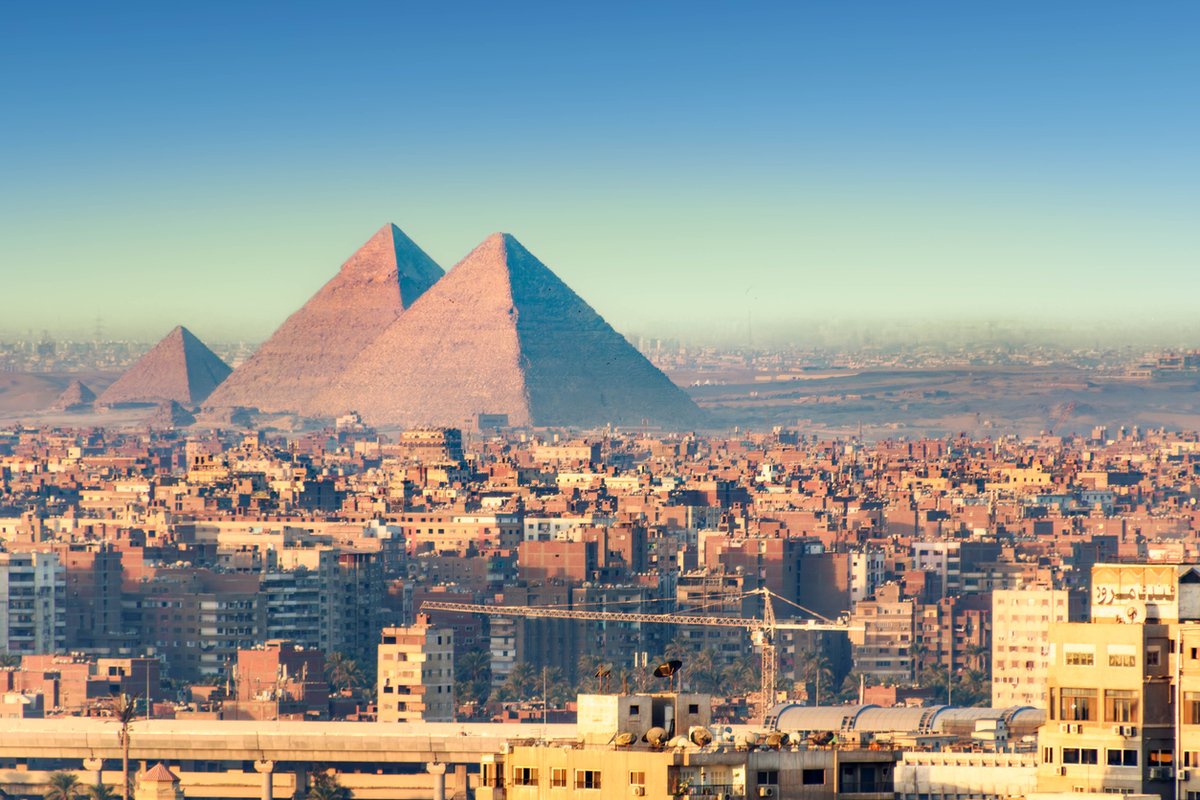
Egypt remains resilient in the face of the latest regional shock but lowering public debt, reducing financing needs, and creating more space for private sector-led growth will require further reforms. Read this IMF Country Focus article: https://t.co/nvaw0EPLbU
At today’s briefing, I provided updates on management travel and the IMF’s upcoming Statistical Forum. I also took questions on AI, Argentina, Egypt, Ghana, India, Lebanon, and Senegal. https://t.co/XWoo6LqpIl
Egypt’s economy proved more resilient than expected. Despite regional pressures growth stayed strong, remittances hit record highs, and investor confidence rebounded. What drove this resilience and what challenges lie ahead? Read the IMF Country Focus: https://t.co/nvaw0EPLbU
🔴 LIVE: Bank of Japan Governor Kazuo Ueda speaks on lessons learned from Japan's current account surplus, followed by a one-on-one conversation with IMF Managing Director @KGeorgieva. https://t.co/pPiP0Jb18Z
How can the Middle East and North Africa navigate today’s turbulent global environment and build greater resilience for the future? IMF’s @jihad_azour explores the challenges, opportunities, and policy priorities for the region.
Read more: https://t.co/AYgjbGSKMA
📅 SAVE THE DATE: How will digital money and geopolitical shifts reshape the international monetary system? Join IMF’s @KGeorgieva, Chief Economist @STenreyroIMF & leading researchers Nov 12–13 for the 27th Jacques Polak Annual Research Conference. https://t.co/VFziXgM62H
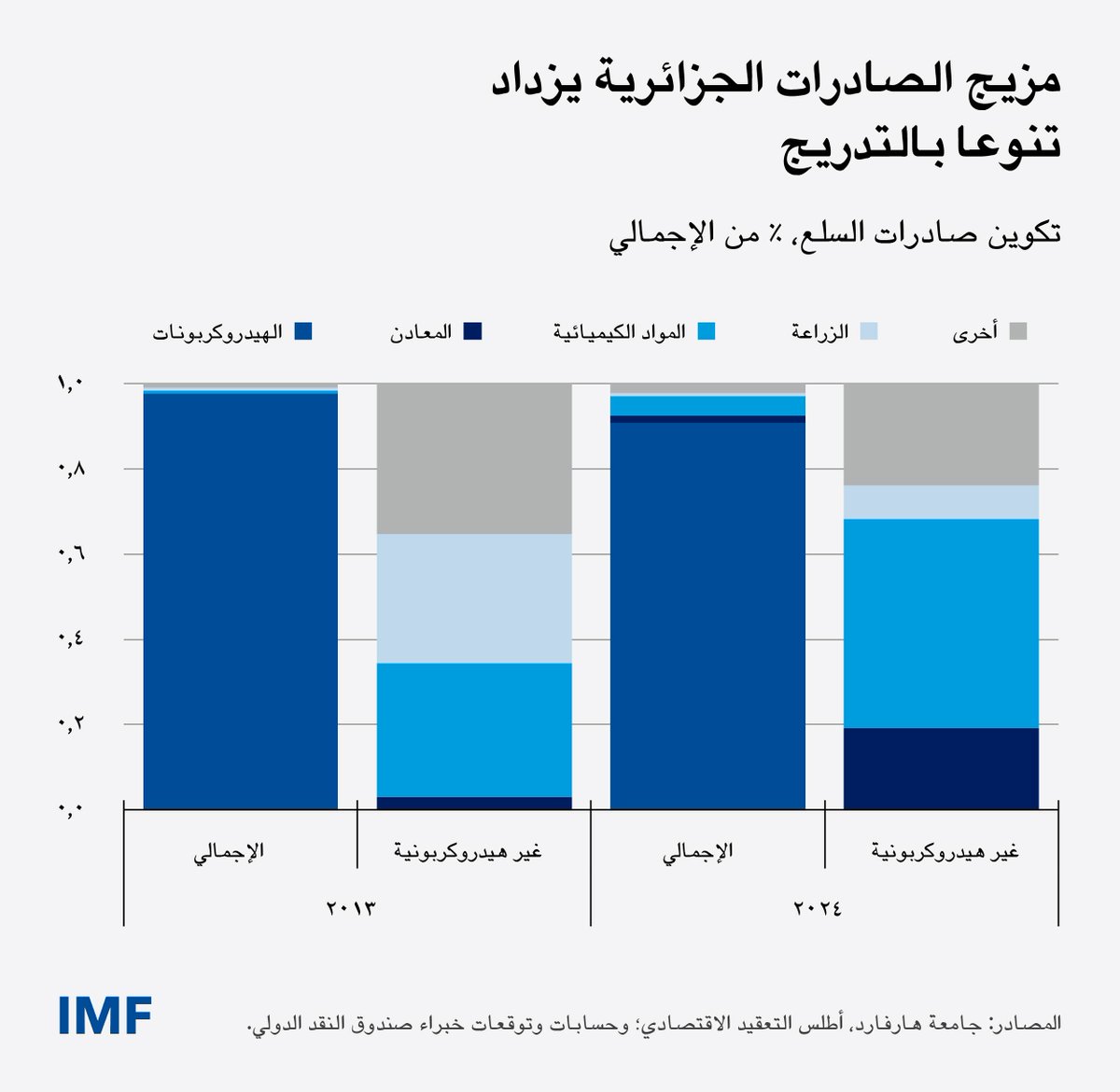
تحرز الجزائر تقدما في تنويع أنشطتها الاقتصادية بدلا من الاعتماد على النفط والغاز. ويمكن استثمار التقدم لتحقيق مكاسب مستدامة في الوظائف والصادرات عبر مواصلة الإصلاحات، وتعزيز أوضاع المالية العامة، ورفع كفاءة إدارة الاستثمارات، وزيادة ديناميكية القطاع الخاص. https://t.co/ClAFYkAtyT
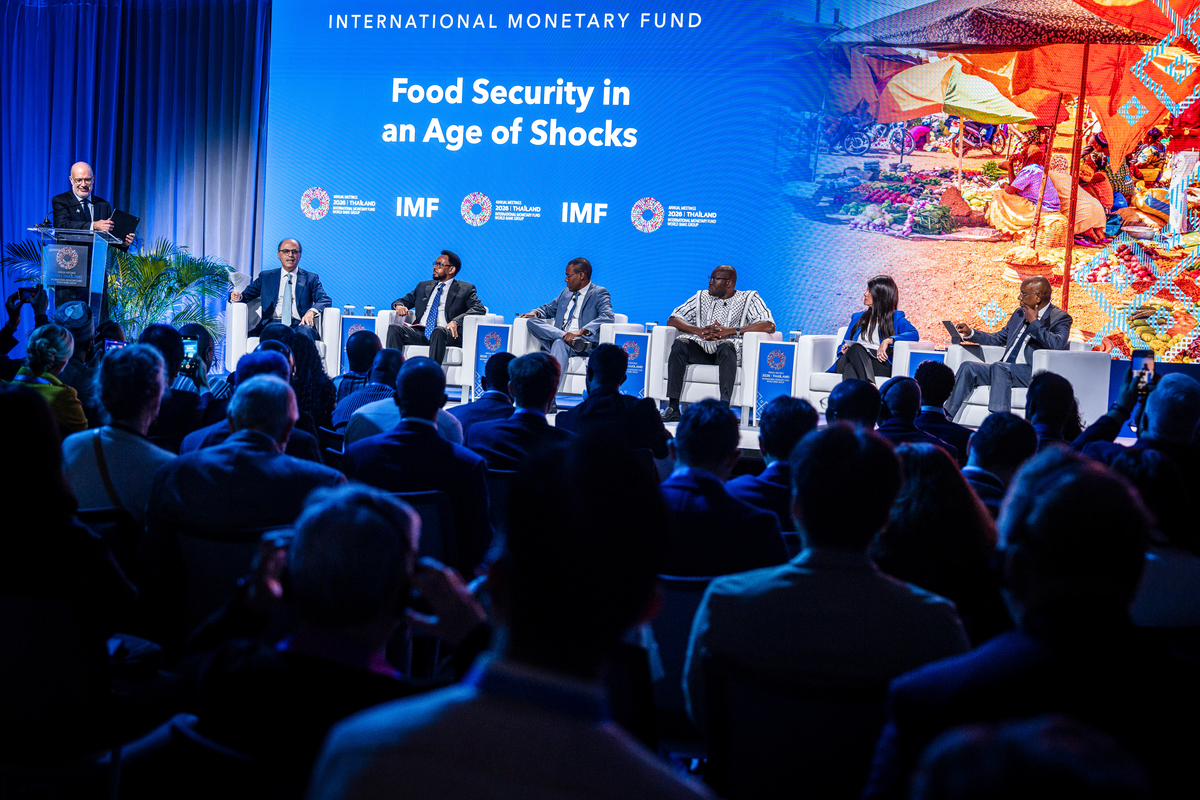
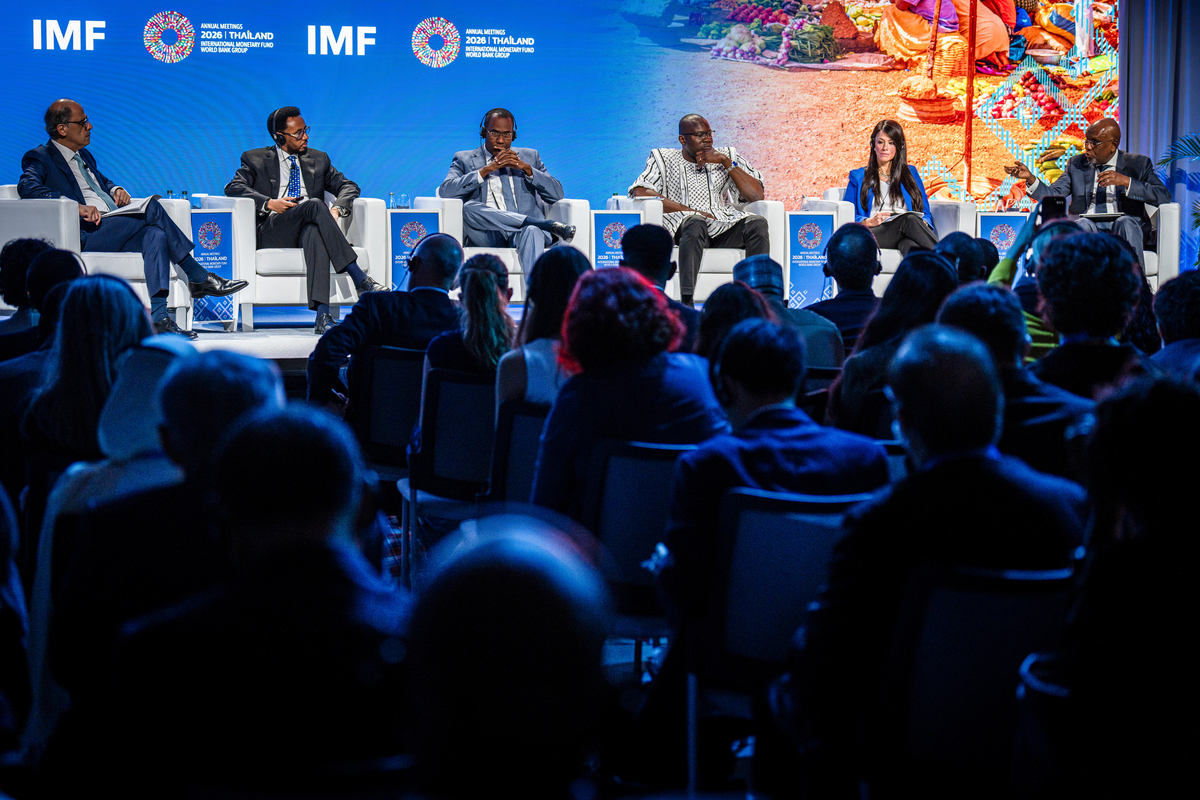
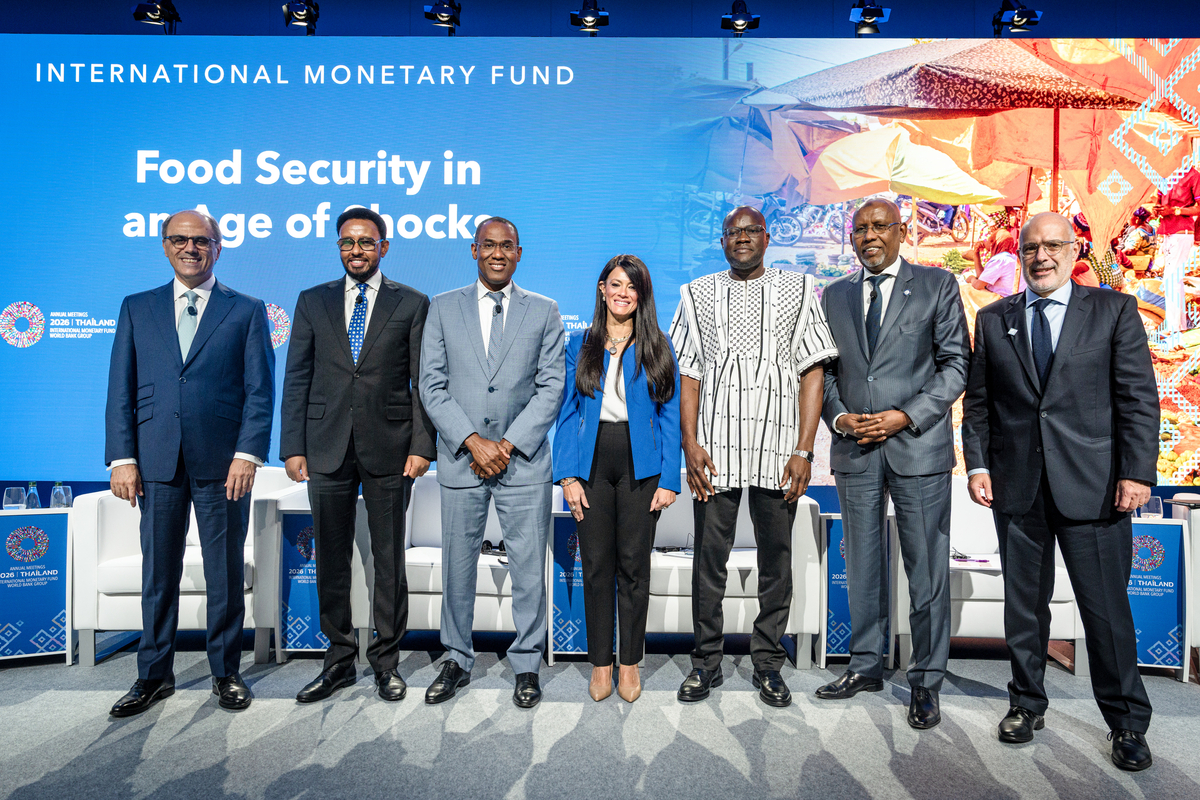
ICYMI: Rising food and transport costs are straining household budgets and public finances, particularly in fragile and import-dependent countries. Watch the event replay at the #IMFMeetings https://t.co/TZUr8sP03Z
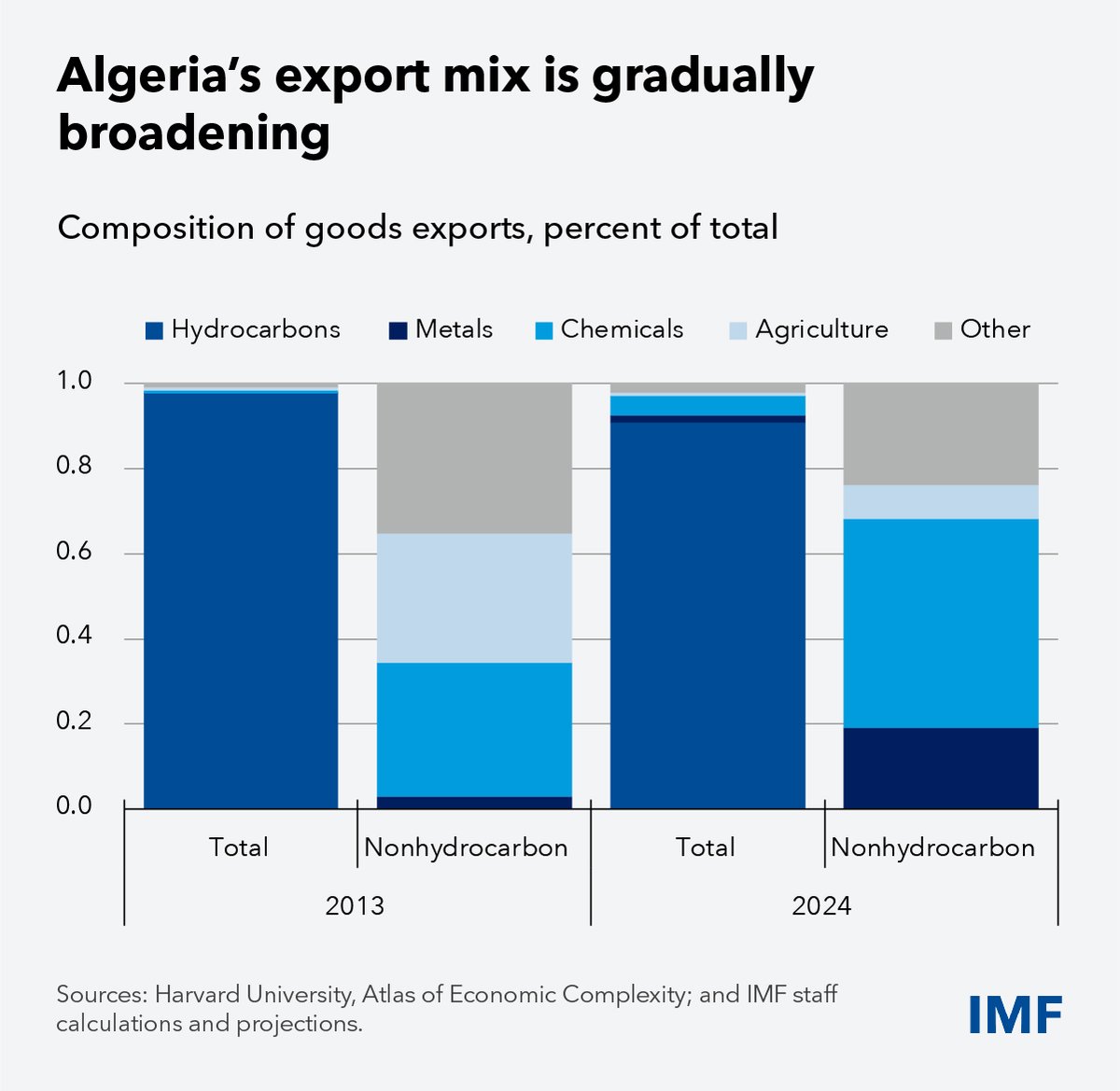
Algeria is making progress in diversifying its economy beyond oil & gas. Continued reforms, stronger public finances, effective investment management, and a more dynamic private sector can help translate this progress into lasting gains in jobs & exports. https://t.co/DmcGT7bx7h
MENA's AI readiness gap: emerging markets trail the region’s markets average across the board, and low-income countries (LIC) lag global LIC peers on nearly every measure. The biggest shortfall? Regulation and ethics — rooted in broader governance gaps. https://t.co/u1zWwhYAd1