📕 The 2026 Spring Issue of the International Migration Review from @CMSnewyork is out now!
This edition contains new research on technology, migrant and diasporic identities, and public opinion on migrants and migration.
https://t.co/JtwpgCUS72
🚨 International Migration Review is seeking essay submissions that illustrate innovative approaches to teaching and curriculum development on international migration and mobilities, immigrant experiences, displacement, and forced migration.
@utsystem The study finds that these disparities cannot be explained by differences in demographic factors, nor by higher visa overstay rates. The authors offer empirical evidence that US visas systematically restrict migration from the Global South.
🔗 https://t.co/fS3kWrA5Lw
📊 Analyzing data from 2006 to 2021, Kevin Thomas and Ricardo Henrique Lowe from @utsystem show that visa rejection rates were consistently higher for applicants from the Global South than the Global North. African applicants face rejection rates more than double those in Europe.
📘 International Migration Review's Winter Issue is out now!
New research on migration in Africa, immigrant families, liminal legal statuses, and the impact of the pandemic. #immigrationresearch
https://t.co/eJ7tmyE5u5
📚 Our book reviews are always free to read! Read commentary on new immigration books, including Strangers in the Land, In Search of Home, Building Little Saigon, and more.
"More than just a book... (Luo) highlights the resilience, perseverance, and courage of Chinese immigrants, despite all their challenges."
Read a new IMR review of @michaelluo's history of Chinese immigration to the US from the mid-19th century on.
https://t.co/uPVDDAhIOt
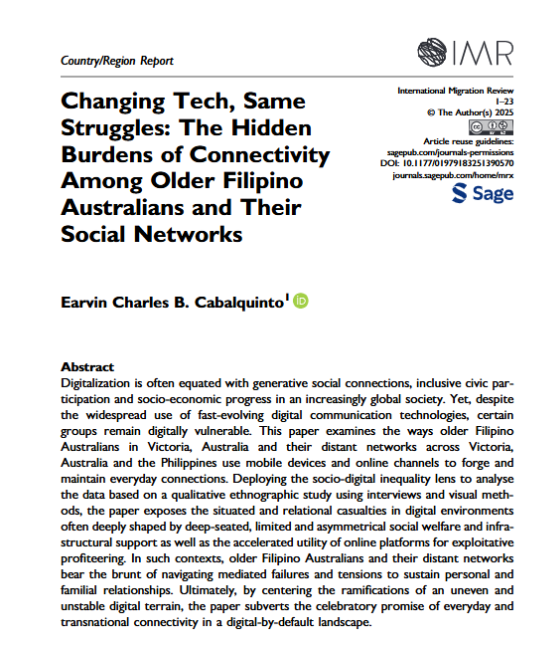
OUT NOW! Sharing my article published in @IMRjournal. It explores how older #migrants and their distant social networks navigate the #digital divide. It' s based on my ARC DECRA fellowship funded by the Australian Research Council. It's #openaccess. Link: https://t.co/lldyKcpJeQ
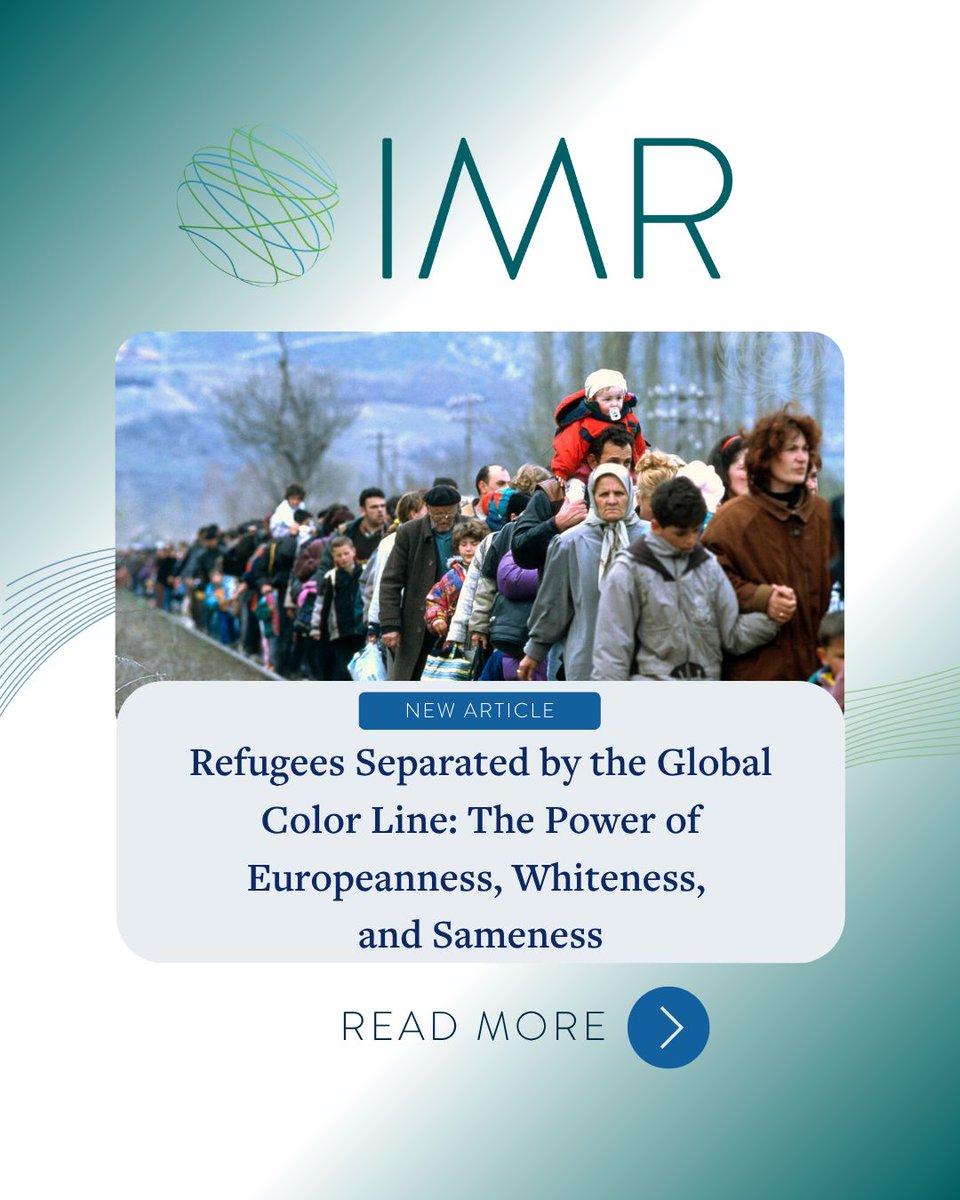
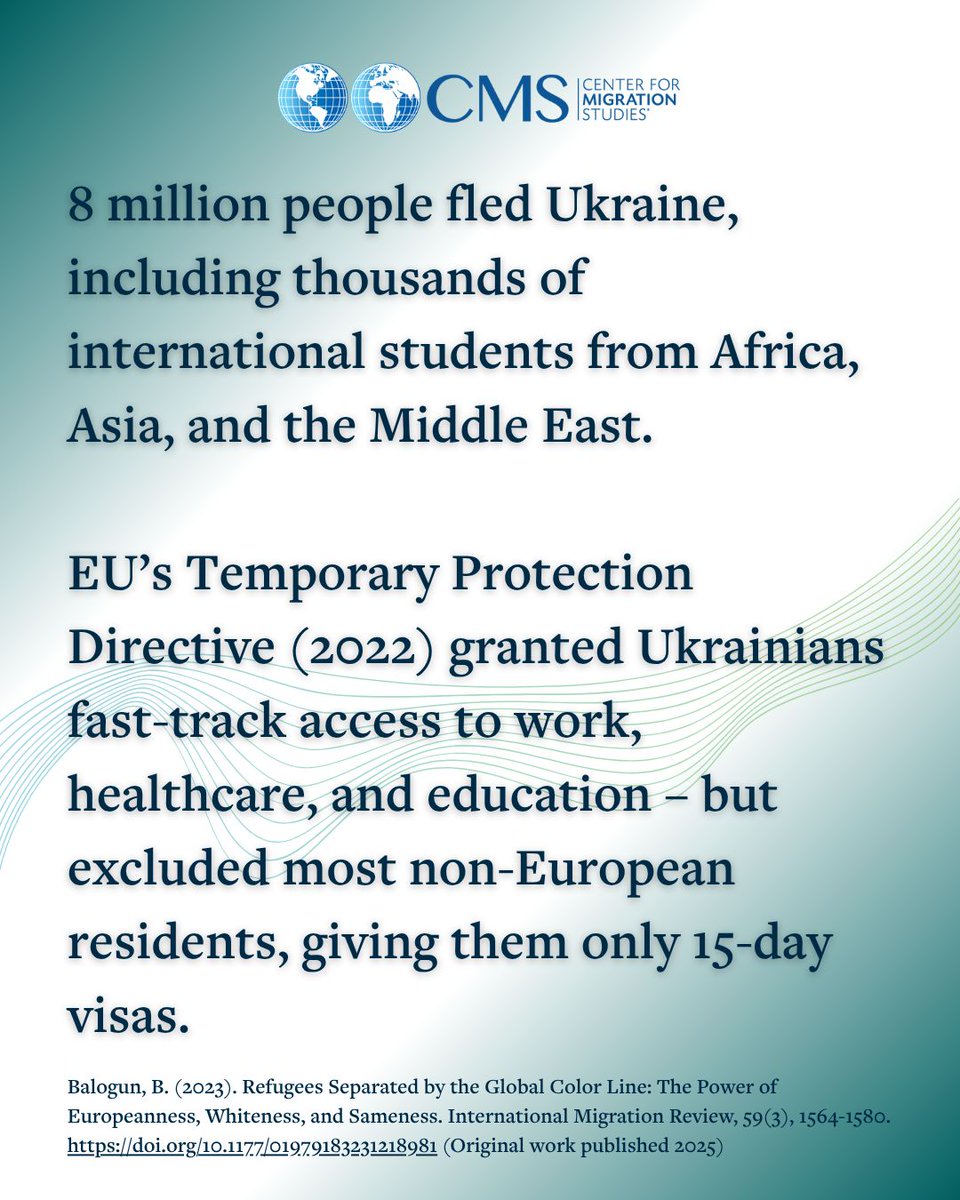
“Skin colour or passport types should not be a criteria which provides one group of people more protection over another.” – @ENAREurope@BobBalogun of @sheffielduni explains how the invasion of Ukraine exposed deep racial inequities in Europe’s refugee response in IMR.
@ENAREurope@BobBalogun@sheffielduni The paper, “Refugees Separated by the Global Color Line”, argues that racialized logics of “Europeanness” and “whiteness” determined who was welcomed and granted mobility within the EU.