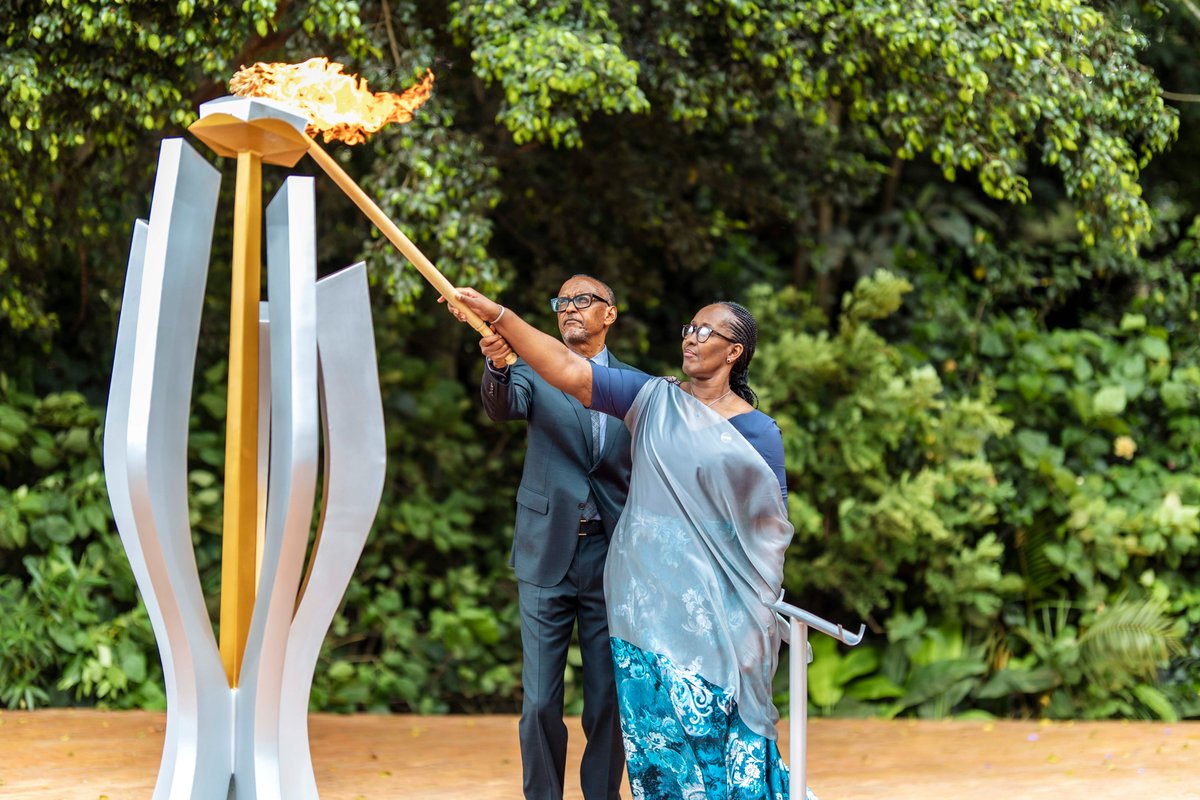
President @PaulKagame and the @FirstLadyRwanda lit the Flame of Remembrance. This flame, a symbol of hope and resilience, will burn brightly for 100 days, mirroring the length of the Genocide against the Tutsi. It serves as a beacon of remembrance, inspiring us to honour the past, cherish the present, and build a future rooted in unity and peace. #Kwibuka32
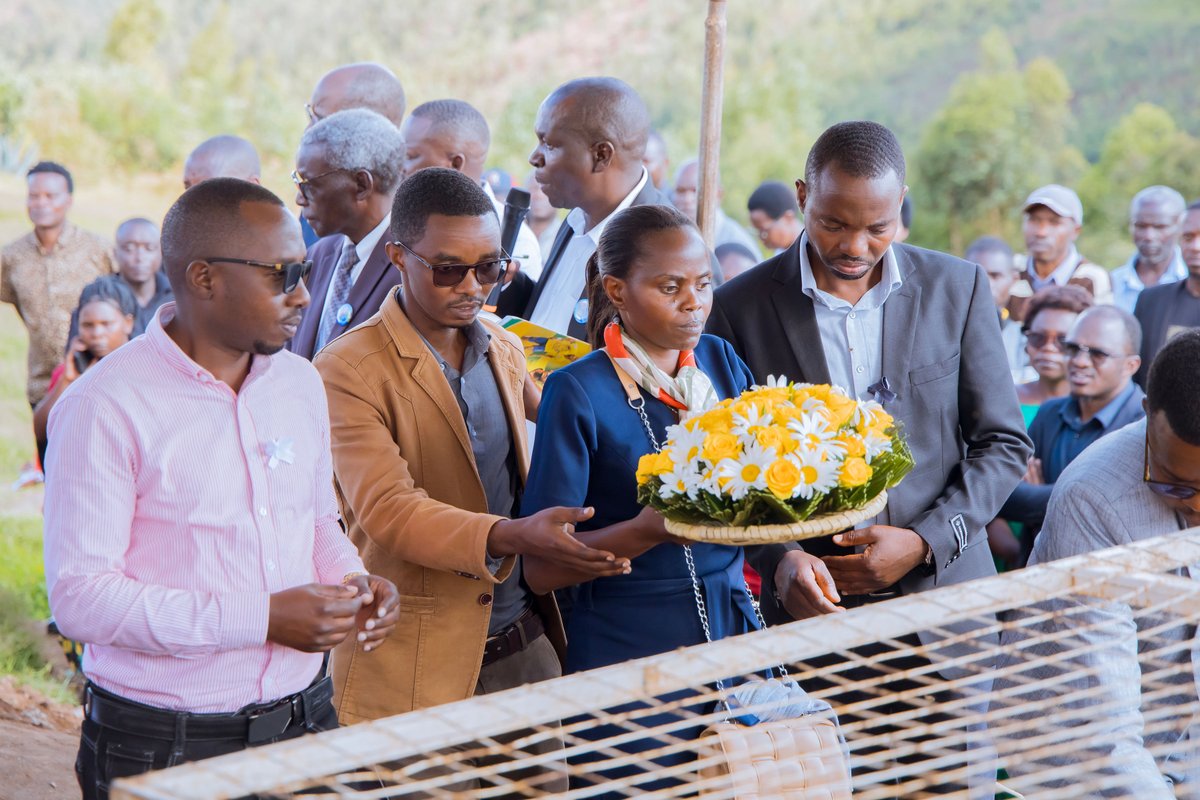
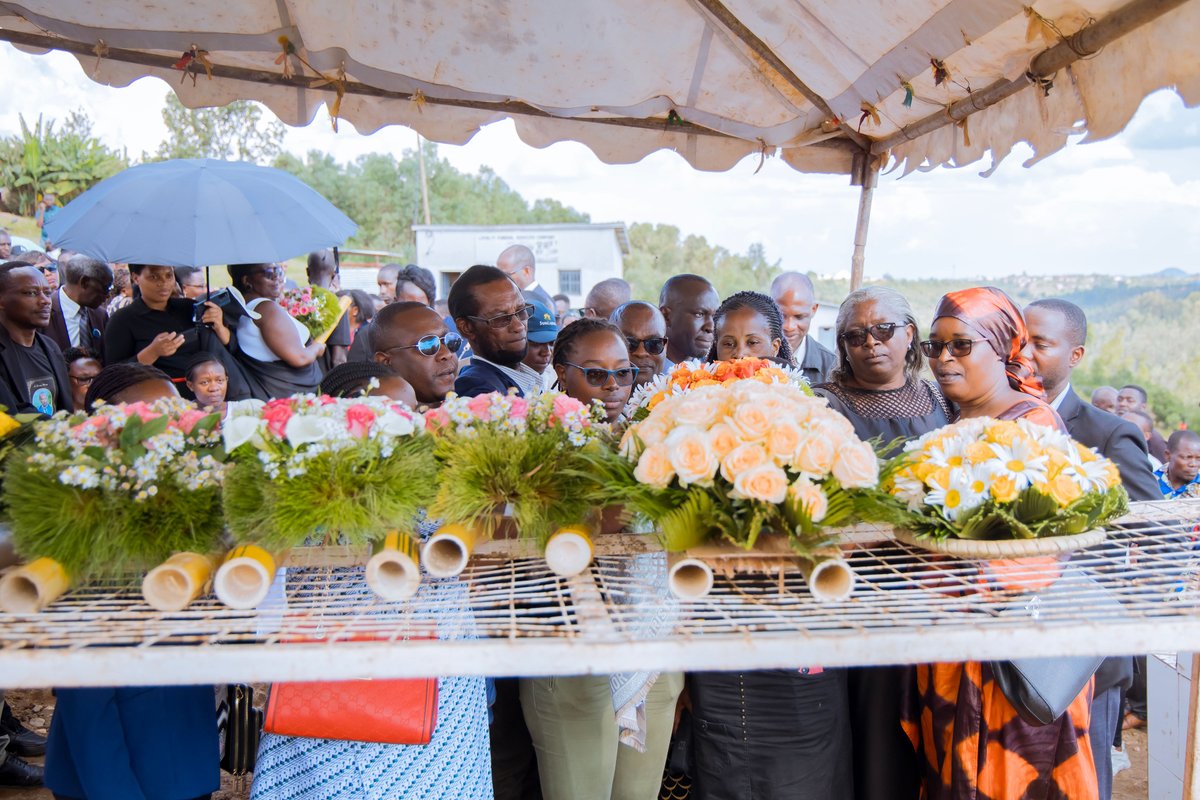
On the International Day of Reflection on the 1994 Genocide Against the Tutsi in Rwanda, we mourn the victims & pay tribute to the survivors.
We must learn from past failures & protect the living — by rejecting hatred, inflammatory rhetoric & incitement to violence.
Kwibuka 32: Honoring the past, remembering the lost, and walking boldly toward a brighter Rwanda under the vision and leadership of Afande Paul Kagame.
#Kwibuka32
@SamuelBaker_B@PaulKagame Linking this moment only to present-day political debates, while ignoring the historical context and regional realities, oversimplifies a complex situation and shifts focus away from the victims.
@SamuelBaker_B@PaulKagame Paul Kagame and Rwanda’s leadership have consistently emphasized remembrance, unity, and responsibility—not just for the past, but for ensuring such tragedy never happens again, in Rwanda or anywhere else
Commemoration is not distraction. It is reflection, truth, and vigilance.
@xtr_africa Yes, many Rwandans suffered during that period, and every innocent life matters. But accuracy matters too. Using vague language that blurs the nature of the genocide risks distorting history and undermining the memory of the victims.
@xtr_africa Kwibuka 32 is not a moment for confusion or rewriting history.
The events of 1994 are internationally recognized as the Genocide against the Tutsi. This is not a general tragedy—it was a targeted extermination against Tutsi, acknowledged by Rwanda, UN and global institutions.
POUR RAPPEL
"[Les] conclusions [du juge d'instruction Marc Trévidic] début 2012 sont sans appel : les tirs de missiles sont partis du camp Kanombe où loge la garde présidentielle, proche des faucons du régime. Ceux qui s’opposaient à l’application des accords de paix et de partage du pouvoir avec le FPR, que Habyarimana venait d’accepter de mettre en place, lors de cette ultime réunion à Dar es Salam le 6 avril 1994. De toute évidence, impossible pour le FPR d’accéder au camp Kanombe. Ce sont donc vraisemblablement les ultras du régime qui ont abattu l’avion, comme l’avait déjà suggéré une note de la DGSE le 11 avril 1994".
https://t.co/HrybacH4jr
like with the Holocaust we must never stop speaking and teaching about the genocide against the Tutsi's because hate and haters and negationists are still present and we don't want it to happen again - look at antisemitism today from youth who don't know historical facts 🙏🏻🙏🏽🙏🏿





![onduhungirehe's tweet photo. POUR RAPPEL
"[Les] conclusions [du juge d'instruction Marc Trévidic] début 2012 sont sans appel : les tirs de missiles sont partis du camp Kanombe où loge la garde présidentielle, proche des faucons du régime. Ceux qui s’opposaient à l’application des accords de paix et de partage du pouvoir avec le FPR, que Habyarimana venait d’accepter de mettre en place, lors de cette ultime réunion à Dar es Salam le 6 avril 1994. De toute évidence, impossible pour le FPR d’accéder au camp Kanombe. Ce sont donc vraisemblablement les ultras du régime qui ont abattu l’avion, comme l’avait déjà suggéré une note de la DGSE le 11 avril 1994".
https://t.co/HrybacH4jr](https://pbs.twimg.com/media/HFO4BNIWYAA2Djs.jpg)