Integrating the EU Methane Regulation into the EU Simplification Agenda
📨Joint letter: IOGP Europe, @FuelsEurope , @GIIGNL & Eurogas
👉 Read more https://t.co/PfMZCRMKQT
📆03/09: Come discuss the Mediterranean region’s energy, climate and competitiveness challenges and opportunities. 1 month before the
@EU_Commission's anticipated adoption of the Pact for the Mediterranean
Co-hosted with @OME_cooperation
👉https://t.co/Rt7LVvuOLW
🔍Can the EU secure its energy future and deliver on decarbonization ?
On June 4, our MD @FRegisMouton joins top voices at @ORLEN_Group & @politico forum in Brussels to discuss security, LNG, infrastructure & resilience.
🎤 Details: https://t.co/lZFecyiFVx
Simplification must go beyond slogans.
The EU’s first #OmnibusSimplification package is a step forward—but key issues remain:
⚠️ Fragmented rules
⏳ Conflicting timelines
❓ Overlapping mandates
📄 Read more: https://t.co/KfECqvB2a5
Blue hydrogen & CCS go hand in hand — but need the right system to scale.
At #Flame2025, @dematteis_ca outlined 3 enablers:
1️⃣ CCfDs & CCS Bank
2️⃣ Cross-border infra & permits
3️⃣ Inclusive hydrogen rules
Let’s make the business case work.
🔗 https://t.co/dfwJ5F2LEu
🔎 Where does Europe stand on CO₂ storage?
Our updated Map shows:
📍 52 projects across 13 countries
📍23 projects with 41 MtCO₂/year EU planned infection capacity by 2030
📍 9 MtCO₂/year gap to Net Zero Industry Act 2030 Objective
Explore the map 👉 https://t.co/nBELkxQcc0
🔎 How can the EU budget (MFF) boost competitiveness?
Not by cutting programmes—but connecting them.
⚠️ Fewer tools = weaker signals for investment & innovation.
👉 Full response: https://t.co/tREdW4keQv
Can Europe strengthen its energy security while staying competitive and advancing decarbonization?
📉 2022 witnessed the worst energy crisis since the 1973 oil shock: nearly half of the EU’s gas supply was lost or under threat.
Russian gas imports have since dropped from 45% to just 15%, but the system remains fragile.
Domestic production now covers only 13% of demand after a 73% drop in EU gas output since 2010.
💥 Meanwhile, policies meant to accelerate the transition are adding pressure.
Complex and prescriptive regulations are discouraging investment
Assumptions about accelerated electrification often ignore the economic and technical realities.
EU gas demand has fallen over 20% since 2022—not only due to efficiency gains or fuel switching, but because of industrial output destruction.
⚠️ Emergency measures like price caps and joint gas purchasing may have helped in the short term, but they’re no substitute for a functioning market. Turning them into permanent tools risks further market distortions.
🔑 What Europe needs now is a pragmatic, balanced energy policy:
➡️Regulatory clarity that supports - not stifles - investment
➡️Diversification of energy sources, including domestic oil & gas
➡️Infrastructure resilience for LNG, pipelines, and hydrogen
➡️Realistic decarbonization pathways that include gas
➡️Market-based solutions that restore trust and competitiveness
Europe has what it takes to lead - if we align ambition with reality.
🔗 Read the interview with @FRegisMouton, our Managing Director.
https://t.co/ZYXagQPPIy
🔎 Our response to the @EU_Commission consultation on the Clean Industrial Deal State Aid Framework (CISAF)
How can we make Europe's Clean Industrial Deal truly deliver for industry, climate, and competitiveness?
In our response, we welcome the ambition behind the draft CISAF but highlights key areas for improvement to ensure the framework truly supports Europe's decarbonisation and competitiveness objectives.
We call for:
✅A technology-neutral approach that allows all effective decarbonisation solutions — including CCS, low-carbon hydrogen, and flexible gas-based technologies — to compete fairly.
✅Greater clarity on the interaction between CISAF and other EU funding mechanisms, such as the Innovation Fund and the European Hydrogen Bank.
✅Flexibility in project timelines, with a recommended 60 months from Final Investment Decision to operation, recognising the realities of complex industrial projects.
✅Comprehensive support for the entire CCS value chain, from capture to transport and storage.
✅Avoiding rigid technology prioritisation and prescriptive substitution mandates that could undermine industrial resilience and the EU’s climate goals.
With a few targeted adjustments, CISAF can become a powerful catalyst for innovation, investment, and a just energy transition in Europe.
📄 Read our full response here ➡️ https://t.co/RtGlcAwJmP
𝗛𝗼𝘄 𝗰𝗮𝗻 𝘁𝗵𝗲 𝗘𝗨 𝘂𝗻𝗹𝗼𝗰𝗸 𝗟𝗡𝗚’𝘀 𝗽𝗼𝘁𝗲𝗻𝘁𝗶𝗮𝗹 𝘁𝗼 𝗱𝗲𝗹𝗶𝘃𝗲𝗿 𝗼𝗻 𝗶𝘁𝘀 𝟮𝟬𝟰𝟬 𝗖𝗹𝗶𝗺𝗮𝘁𝗲 & 𝗘𝗻𝗲𝗿𝗴𝘆 𝗴𝗼𝗮𝗹𝘀?
🛡️ LNG is key in securing EU energy needs and fostering its strategical independence.
🌱 But it is also paving the way for the integration of renewable and low-carbon gases across sectors.
🤝 We joined forces with 5 other trade associations to bring clarity on the policy levers that will help amplify their contribution to a competitive energy transition.
𝗢𝘂𝗿 𝟲 𝗽𝗼𝗹𝗶𝗰𝘆 𝗿𝗲𝗰𝗼𝗺𝗺𝗲𝗻𝗱𝗮𝘁𝗶𝗼𝗻𝘀:
🔹 Boost confidence in the EU LNG market
🔸 Align methane measurement standards for imports under the EU Methane Regulation
🔹 Support the transformation of LNG terminals into multi-molecule energy hubs
🔸 Recognize the role of LNG in reducing emissions in power, shipping, and transport
🔹 Ensure access to sustainable fuels produced outside the EU
🔸 Simplify and streamline LNG data reporting requirements
📄 𝗥𝗲𝗮𝗱 𝘁𝗵𝗲 𝗳𝘂𝗹𝗹 𝘀𝘁𝗮𝘁𝗲𝗺𝗲𝗻𝘁 𝗵𝗲𝗿𝗲 ➡️https://t.co/aSMH2qzExY
𝗔𝗯𝗼𝘂𝘁 𝘁𝗵𝗲 𝗟𝗡𝗚 𝗽𝗿𝗼𝘁𝗼𝗰𝗼𝗹:
Led by – list members by alphabetical order - this initiative works on raising awareness on how LNG infrastructure can evolve into hybrid hubs supporting decarbonisation, while maintaining flexibility and affordability across the EU energy system.
📌 The European Commission’s Action Plan for Affordable Energy lacks balance.
Here’s 3 ways it can be fixed:
The Plan adopted in late February puts too much emphasis on electrification and demand-side flexibility & does not factor in the entire energy system.
These imbalances won’t just be insufficient in addressing the problem of energy affordability in Europe... they might just make things worse.
⚖️ So how do we find balance?
Step 1: Address the issue of supply by
- Incentivizing the signature of long-term LNG contracts through removal of unnecessary regulatory barriers.
- And incentivizing the domestic production of gas.
Step 2: Address market distortions by
- Making supply side flexibility more available for industry
- And implementing the principle of technology neutrality into Europe’s energy policy
Step 3: Ensure proper use of emergency measures by
not overusing emergency measures that were put in place (Market Correction Mechanism, gas storage filling target obligation) outside of times of crisis and making sure that they do not become a permanent feature of the market.
🤝 We agree with the @EU_Commission that energy affordability should be at the forefront of the EU’s priorities, and we look forward to working together with policymakers to achieve this goal together.
Read our full position paper here: [ https://t.co/38bFuGvaj2 ]
@naregter
---------------------------------------------------------------
🛢 We are the European voice of the oil and gas industry.
📰 Interested in data, policy positions, discussions, trends, events, and more?
🔔 Give us a follow and ring it on our profile.
🎙️ “The renewables will be the success story of the world.”
@micha_bloss, Member of the European Parliament (@Europarl_EN), joined the panel and shared his optimistic outlook on the future of renewable energy.
⚡🌱 A bright future ahead as renewables lead the way to a sustainable and clean energy future!
#RenewableEnergy #GreenTransition #SustainableFuture #EES2025
💬 @DanielMesEU, Member of the Taskforce for EU Competitiveness, @EU_Commission, highlighted the need for a balanced approach in the green transition:
💡 “To make sure that we do transition but to make sure we look at it in the sense of competitiveness.”
Ensuring sustainability while keeping European industries competitive is key to the success of the transition.
#GreenTransition #EUCompetitiveness #SustainableEnergy #EES2025
Addressing the importance of the energy mix, @FrançoisRéGis Mouton, Managing Director of @IOGP_EU, also stated:
☀️💨 “EU energy policy cannot be wind and solar only.”
🌱 There is a need for a balanced energy mix, where gas is essential alongside renewables for a sustainable and secure energy future!
#EnergySecurity #EnergyMix #SustainableEnergy #EES2025
💬 During the panel "Securing Europe’s Energy Supply", François-Régis Mouton, Managing Director, @IOGP_EU, highlighted the important role of gas in Europe’s energy landscape:
🌍 “Gas is supplying industry, but also gas is enabling renewables.”
A critical point in balancing energy security and the transition to cleaner sources.
#EnergySecurity #GasTransition #SustainableEnergy #EES2025
𝗢𝗺𝗻𝗶𝗯𝘂𝘀 𝘁𝗮𝘅𝗼𝗻𝗼𝗺𝘆 𝘀𝗶𝗺𝗽𝗹𝗶𝗳𝗶𝗰𝗮𝘁𝗶𝗼𝗻: 𝗮 𝘀𝘁𝗲𝗽 𝗶𝗻 𝘁𝗵𝗲 𝗿𝗶𝗴𝗵𝘁 𝗱𝗶𝗿𝗲𝗰𝘁𝗶𝗼𝗻 — 𝗯𝘂𝘁 𝗻𝗼𝘁 𝘁𝗵𝗲𝗿𝗲 𝘆𝗲𝘁
We support the @EU_Commission ambition to make the EU Taxonomy simpler and more practical. Fewer tables, clearer thresholds, and more flexibility are all welcome moves. But the current proposals still leave preparers with heavy and unclear burdens.
𝗧𝗵𝗲 𝗣𝗿𝗼𝗯𝗹𝗲𝗺𝘀
▪️The 10% threshold is a helpful idea in theory — but in practice, companies still need to gather all the underlying data just to confirm what can be excluded.
▪️The Operational Expenditure (OpEx) KPI creates extra work without meaningful insight, especially when Capital Expenditure (CapEx ) already provides a forward-looking view of investment.
▪️Appendix C (pollution prevention) introduces complex technical rules on pollution prevention that are difficult to apply consistently across businesses.
▪️We are cautious of reporting partial alignment, because reporting on partial alignment will lead to increased reporting burdens
𝗧𝗵𝗲 𝗥𝗶𝘀𝗸𝘀
🔸More time spent on compliance, less on impact.
🔸Inconsistent reporting across companies.
🔸Missed opportunity to truly simplify sustainability disclosures.
𝗢𝘂𝗿 𝗥𝗲𝗰𝗼𝗺𝗺𝗲𝗻𝗱𝗮𝘁𝗶𝗼𝗻𝘀
➡️ Allow companies to exclude non-material activities without needing to provide detailed justifications.
➡️OpEx reporting should be optional, or removed entirely to reduce unnecessary complexity.
➡️Let businesses determine materiality based on what’s most relevant — whether through financial metrics or strategic importance.
➡️Simplify Appendix C by removing the final paragraph, which adds implementation hurdles.
➡️Ensure reporting stays focused on core activities that represent 10% or more of the business.
➡️Eliminate overly detailed breakdowns in the summary table, and combine gas and nuclear disclosures into one clear, consolidated format.
➡️Keep reporting partial alignment optional
🔎 Read our full response to the Taxonomy consultation: https://t.co/LrZfNPafd7
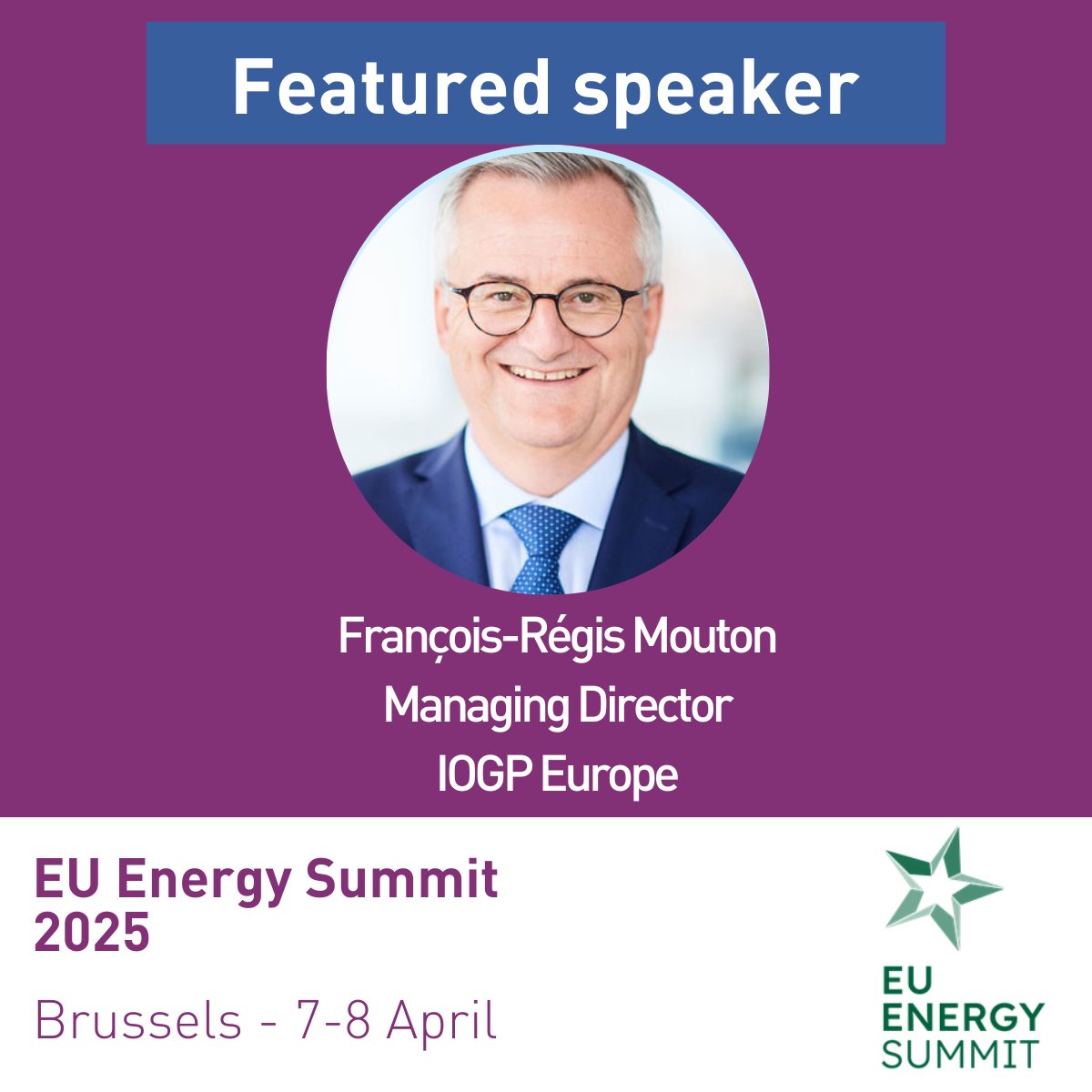
1 week to Go: 10th EU Energy Summit 2025!
🗓️ 7-8 April 2025 | 📍Egmont Palace, Brussels
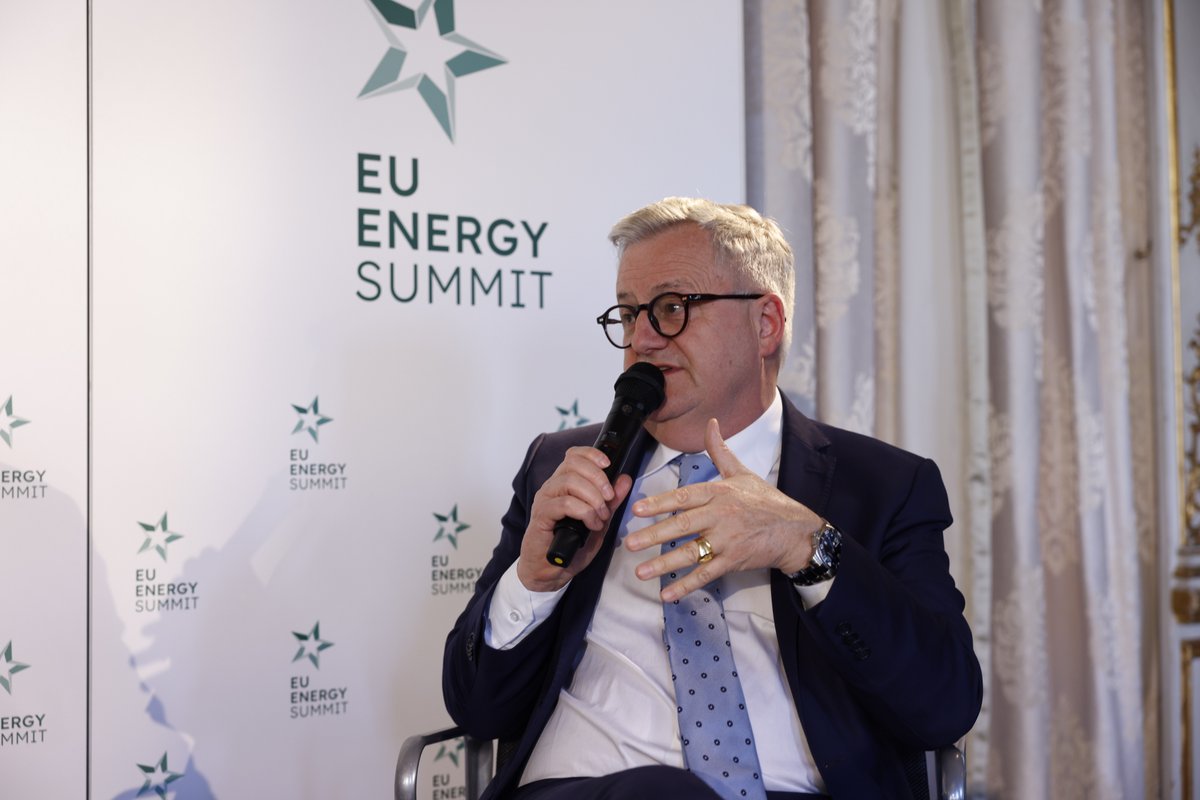
We are proud to partner with this key European event - and we’re especially pleased to share that our Managing Director, @FRegisMouton, will be a featured speaker at the Summit.
He will join a high-level panel on “Security of Gas Supply: A Delicate Balancing” alongside industry leaders and policymakers.
As Europe navigates evolving regulations, geopolitical uncertainties, and the push for decarbonization, his insights will be crucial in shaping a pragmatic energy transition.
The Summit will address key challenges, including:
🔹The role of gas in Europe’s energy mix amid political and economic uncertainties
🔹Balancing affordability, market stability, and long-term sustainability
🔹The impact of LNG imports on Europe’s energy security and competitiveness
🔹Investments in gas infrastructure, including hydrogen-ready solutions and CCS
With 2025 marking a pivotal year for Europe’s energy transition, this discussion is more important than ever
🙌@ebsummiteurope
👉Register here: https://t.co/jf47qbinAI
A thread 🧵(2/2)
⌛ Tomorrow’s (April 1, 2025 - this is no joke) vote in Strasbourg is crucial!
It will be the first major vote on the Omnibus Directives— and its outcome will shape the future of corporate sustainability rules in Europe and beyond.
MEPs will likely vote twice:
➡️On April 1, to decide whether to fast-track the adoption of the "Stop the Clock" proposal.
➡️If that passes, a formal vote will follow on April 3 on whether to delay the application of the CSDDD & CSRD.
While many support this temporary relief, there’s a crucial blind spot in the current proposal – the EU companies that are first to report are left out.
Their exclusion undermines the level playing field that the CSRD was meant to ensure.
That’s why IOGP Europe, together with FuelsEurope, Euromines and International Copper Association Europe has published a position paper setting out 5 reasons why Wave 1 companies must be included.
Let’s not stop the clock for some — and forget the rest
👉 Read the full joint position here: https://t.co/LvGhha1gr3
A thread 🧵(1/2)⌛Tomorrow’s (April 1, 2025 - this is no joke) vote in Strasbourg is crucial!
It will be the first major vote on the Omnibus Directives— and its outcome will shape the future of corporate sustainability rules in Europe and beyond.
MEPs will likely vote twice:
➡️On April 1, to decide whether to fast-track the adoption of the "Stop the Clock" proposal.
➡️If that passes, a formal vote will follow on April 3 on whether to delay the application of the CSDDD & CSRD.
While many support this temporary relief, there’s a crucial blind spot in the current proposal – the EU companies that are first to report are left out.
Their exclusion undermines the level playing field that the CSRD was meant to ensure.
That’s why IOGP Europe, together with FuelsEurope, Euromines and International Copper Association Europe has published a position paper setting out 5 reasons why Wave 1 companies must be included.
Let’s not stop the clock for some — and forget the rest
👉 Read the full joint position here: https://t.co/LvGhha1gr3