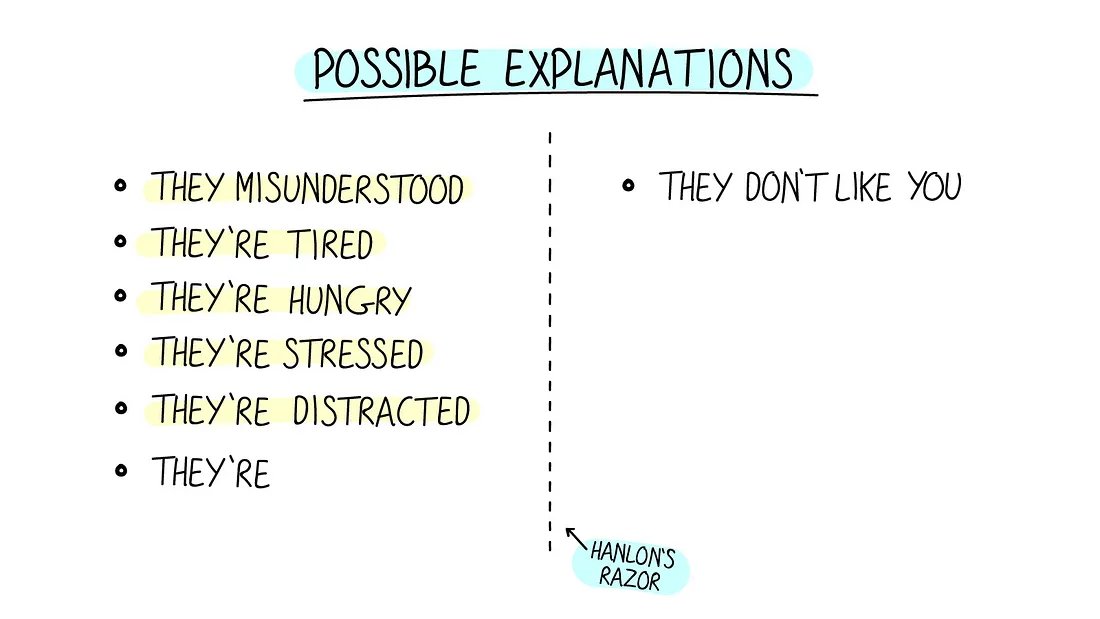
A philosophy that's served me well over the years is "always assume that other people are acting with a positive intent". That's why Hanlon's Razor is such a useful mental model. It states "never attribute to malice that which can be adequately explained by neglect." Other versions replace "neglect" with "stupidity". It helps us see the world in a more positive light, stops negative assumptions and improves relationships: https://t.co/TvSB9kA6NP By @farnamstreet' Graphic: Matthew Cook.
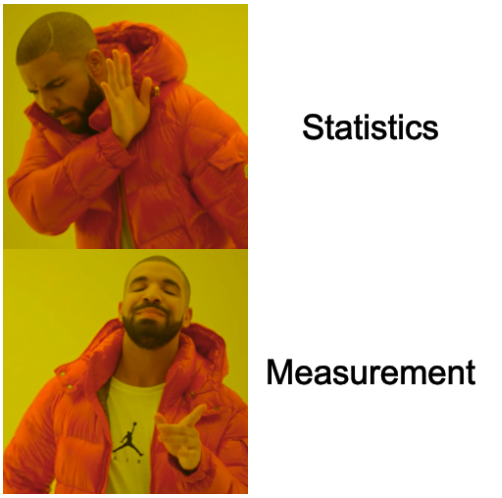
A lot of reforms in psych science in the last decade have focused on improving statistical practices (and that's great). But, as the many of us who have re-analyzed a lot of data can tell you: statistics really cannot help you much when your measures are problematic or invalid.
Actually, good leaders prioritize sleep, for themselves and their teams.
When you don’t sleep you lose emotional control, the ability to problem solve, and you basically become dumb and a little insane.
Congrats to our recent I/O Psychology Grad, Dr. Gordan Sayre (now Assistant Professor of Law, Management and Social Sciences at emlyon Business School) for his recent publication in Journal of Applied Psychology. Check it out: https://t.co/yhIBMJMifW
#Intellectualhumility involves recognizing (1) the limits of one’s knowledge and being aware of one’s fallibility, (2) that other people can hold legitimate beliefs different from one’s own and (3) a willingness to reveal ignorance in order to learn
https://t.co/TlsBtetEaC
In cultures of arrogance, people get rewarded for expressing certainty and conviction. The most confident speaker claims the most status.
In cultures of humility, people are applauded for admitting ignorance and asking questions. The most complex thinker earns the most respect.
Culture first organizations not only respect this viewpoint from employees, they actively work to *advance* it with their formal (policy) and informal (leadership behaviors) actions.
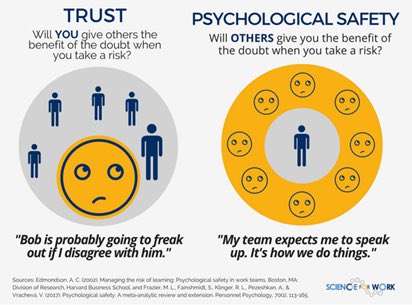
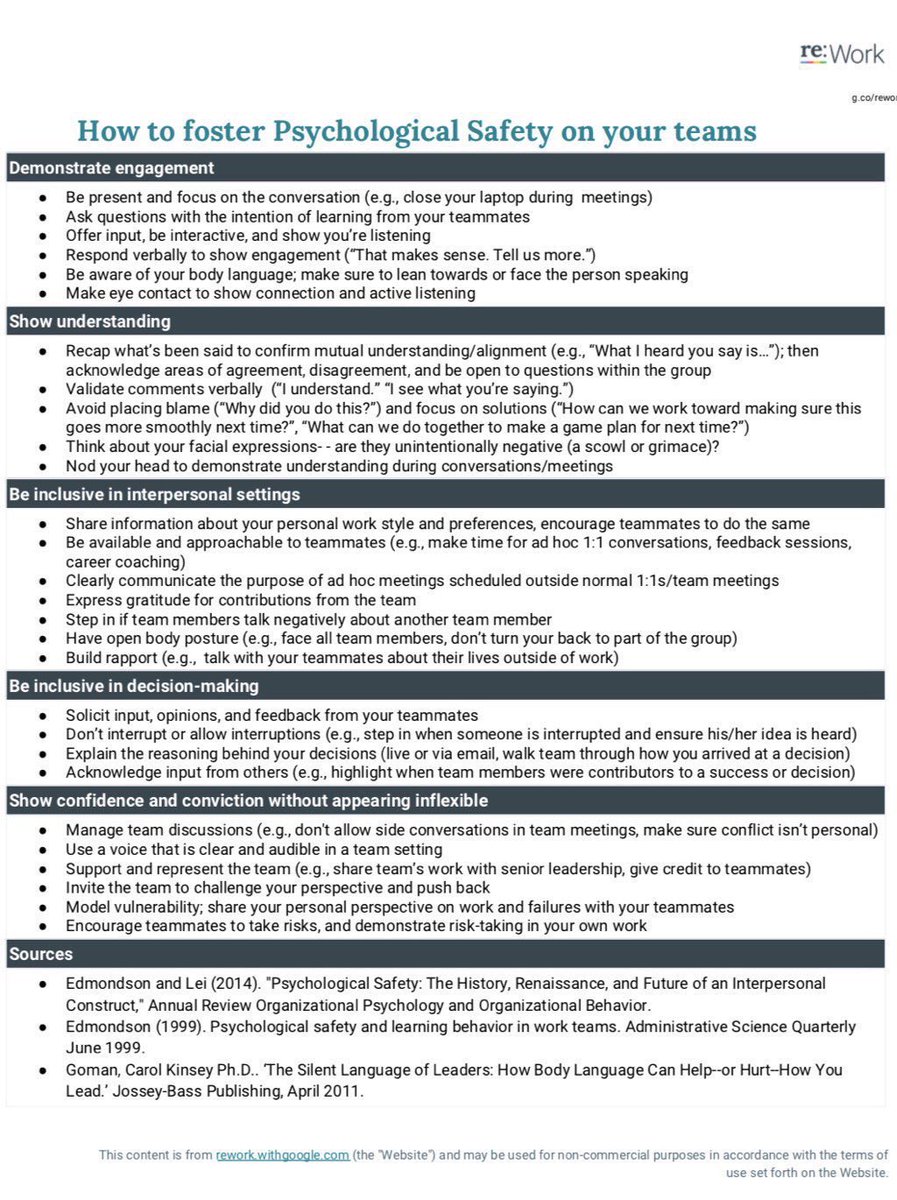
I occasionally see misuse of the term “psychological safety.” It isn’t a buzzword, but a research-backed approach to making sure everyone on the team feels comfortable taking risks. At studies at Google it was the key predictor of innovative team success. https://t.co/wsfR2MWZHo
It takes humility to consider information that contradicts your opinions. You're willing to concede that you might be wrong.
It takes curiosity to actively seek evidence that challenges your views. You're eager to find out if you might be wrong.
During the Trump admin, affectively polarized Republicans opposed some constitutional protections while polarized Democrats supported them. The reverse was true during the Obama administration. Polarized partisans take cues from leaders on democratic norms
https://t.co/V4eXRCltHN
Leadership is more than knowing what to do next.
Sometimes it's having the courage to say out loud that you don't know what to do next.
Being transparent about what you don't know is still transparency.
https://t.co/uJw4yD0OGI
@dr_samhunter @UNOCBA@NCITE_COE Equally delightful to visit with such an amazing mentor @dr_samhunter! I always leave our conversations lighter and full of more enthusiasm!