Is it OK to proceed with Epidural Steroid injections for Radicular Pain Due to Spinal Stenosis Caused by Lipomatosis? Is steroid administration via spinal injections contraindicated in postpartum patients?
Check the latest Fact Finders:
https://t.co/9NZHT7ZH2P
Lumbar Spinal Stenosis: percutaneous image-guided lumbar decompression (PILD) vs laminectomy: is there a difference in safety and outcomes?
See the manuscript by Dr. Staats et al:
https://t.co/t7eL9oDN9S
Should we perform bilateral cervical medial branch radiofrequency ablation? This case report and multispecialty international working group consensus practice guidelines may not agree.
See the manuscript by Dr. Niño et al:
https://t.co/A7thHoJgif
Are we using the correct anatomical landmarks for cannula positioning during lumbar medial branch radiofrequency neurotomy? This anatomical study questions standard approaches.
See the manuscript by Dr. Tran et al:
https://t.co/UVjGepWhFF
The correct positioning of the RF cannula during lumbar medial branch radiofrequency neurotomy is crucial. This manuscript examines the reliability of interpreting "true lateral imaging" during this procedure.
See the manuscript by Dr. Waring et al:
https://t.co/9hRIWV1LY5
This recent manuscript and the corresponding editorial by Dr. Samer Narouze both raise an important question: what is the safer approach for cervical epidural steroid injections?
a) Interlaminar
or
b) Transforaminal (with non-particulate steroids)
Tran et al.'s study on 3D Modelling of Lumbar Dorsal Rami highlights variations in branching patterns, emphasizing risks in denervation for facetogenic low back pain. Further research is necessary for clinical implications. #BackPain Read more: https://t.co/dUhPEkeNUW
Dr. Devor emphasizes the need to redefine Knee OA pain tx by promoting interdisciplinary collaboration for understanding pain mechanisms and developing new therapies. Exciting possibilities are on the horizon for effective KOA pain management. Read more: https://t.co/POo7nKd8bs
A recent study by M. Devor delves into mechanisms of OA pain, which stems from bone-on-bone contact caused by cartilage erosion. The study recommends targeting intrinsic nerve pathways in subchondral bone for effective, long-term pain relief. Read more: https://t.co/7S3pR1TcRC
In this observational study by Goyal et al., cervical transforaminal epidural steroid injections are shown to be effective in improving pain, function, and quality of life for patients with cervical radiculopathy. #IPM#Pain#CTFESI
ILESIs are the bread and butter of interventional spine and pain. Gebrekristos et al. review the technical and safety practice patterns, which suggest on-going variability among procedural practice patterns, despite updated consensus recommendations. https://t.co/TYMeUyD6ET
A systematic review by Gall et al. follows the PRISMA guidelines to shed light on the use of systemic steroids for the treatment of cervical radicular pain. Read More: https://t.co/8FQVZ1f6Xl
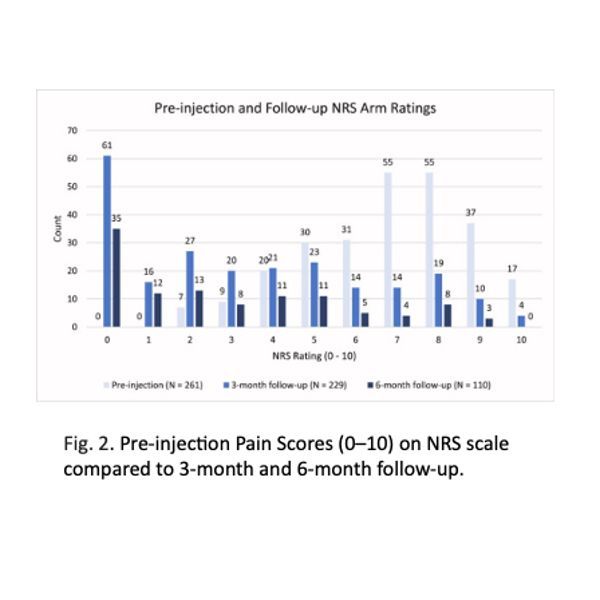
New study by Khuba et al. find a sole administration of intraarticular PRP for alleviating pain and enhancing functionality for a duration of up to 6 months in individuals with early-stage osteoarthritis. Read More: https://t.co/rTG15ojwSm
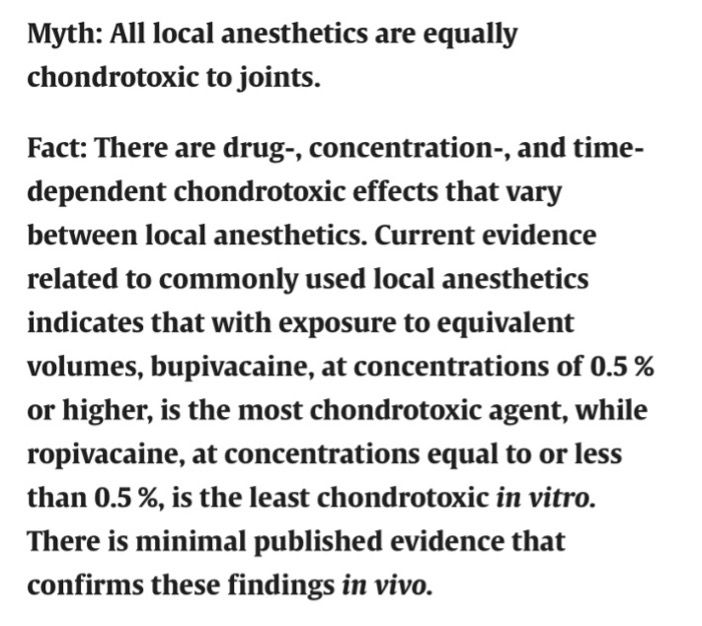
FactFinders for patient safety by the IPSIS. Check out which myths are busted in “Preventing local anesthetic-related complications: Local anesthetic chondrotoxicity and stellate ganglion blocks” by Saffarian et al. Read more: https://t.co/RSnsk28N3Q
A survey examines TFESI safety practices during COVID-19 & supply chain issues. Findings: practice variability despite safety guidance; differences in imaging, sedation, contrast & steroid use; fewer procedures reported due to COVID-19. https://t.co/40r92b3Rp4
Levi et al. unveils the success of a modified technique for cervical TFESI, with a 0.3% discontinuation rate due to intolerance in non-sedated patients. Also, no significant neurologic or cardiovascular complications adds to the safety evidence. Read: https://t.co/OBiT8Bb2zQ
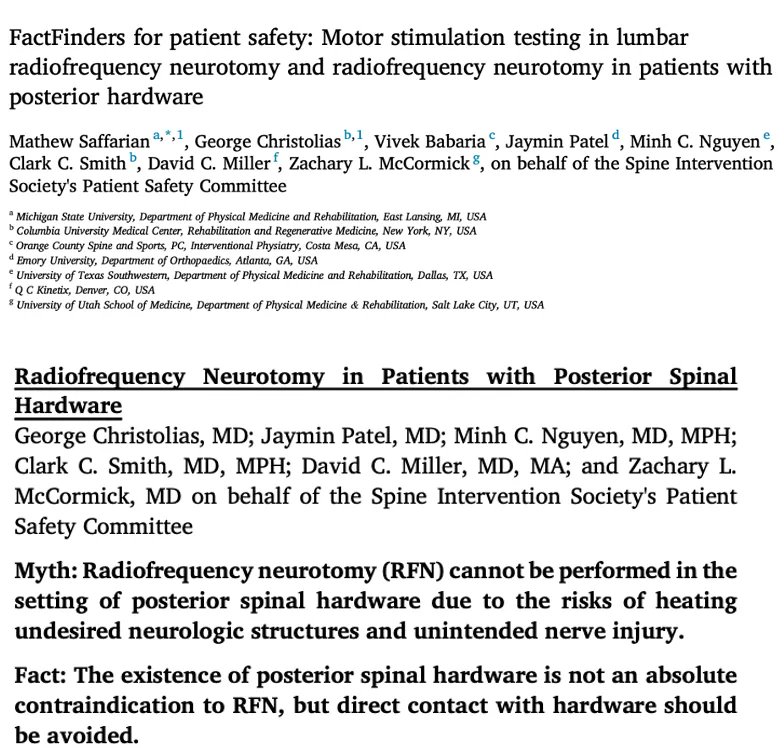
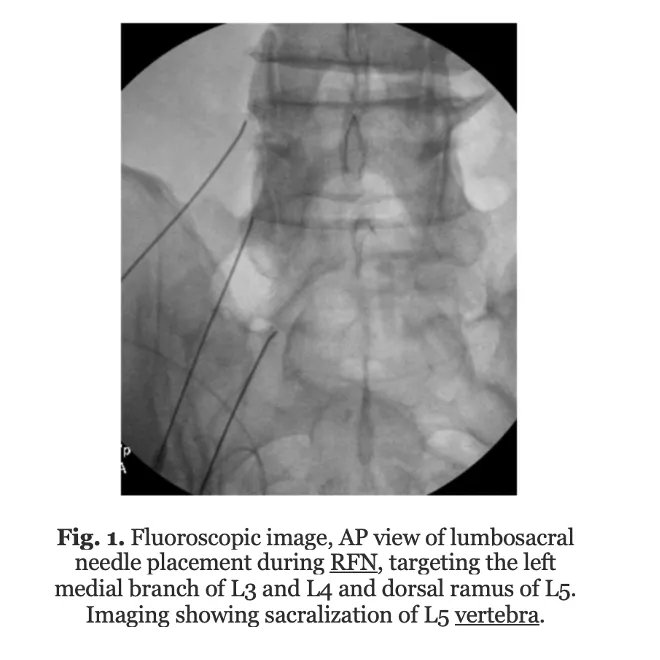
FactFinders for Patient Safety brought you by the Journal of IPM. Read the highlights from "Motor stimulation testing in lumbar radiofrequency neurotomy and radiofrequency neurotomy in patients with posterior hardware” by Saffarian et al. https://t.co/6phm1x4K1S #MotorStimulation
Galbraith et al. promote reconsideration of discontinuing APT for lumbar RFN due to increased risk of thromboembolic events. Read more: “Myocardial infarction following held antiplatelet therapy for lumbar radiofrequency neurotomy: A letter to the editor” https://t.co/3tdAfP7WPp