Not all risks are visible.
In respiratory care, even moisture and storage can affect infection control.
Smarter handling = safer patients.
Switch to WikiPouch
👉 https://t.co/sbSXgK2ij5
#PatientSafety#ICUCare#InfectionControl
Respiratory care saves lives every day—
but improper handling can quietly increase infection risks.
Protect every breath with smarter storage.
Switch to WikiPouch
👉 https://t.co/sbSXgK2ij5
#InfectionPrevention#RespiratoryCare#HospitalSafety#WikiPouch
Respiratory treatments are high-touch and directly impact the airway—making infection control critical.
Reducing hospital-acquired infections starts with better practices.
Switch to WikiPouch
👉 https://t.co/sbSXgK2ij5
#HealthcareMatters#RespiratoryCare#HAI#PatientProtection
Prevention starts with simple steps:
✔️ Keep equipment dry
✔️ Clean thoroughly
✔️ Store in breathable environments
Avoid sealed plastic when moisture is present.
Switch to WikiPouch
👉 https://t.co/sbSXgK2ij5
#Prevention#HealthcareTips#CleanCare#MedicalSafety
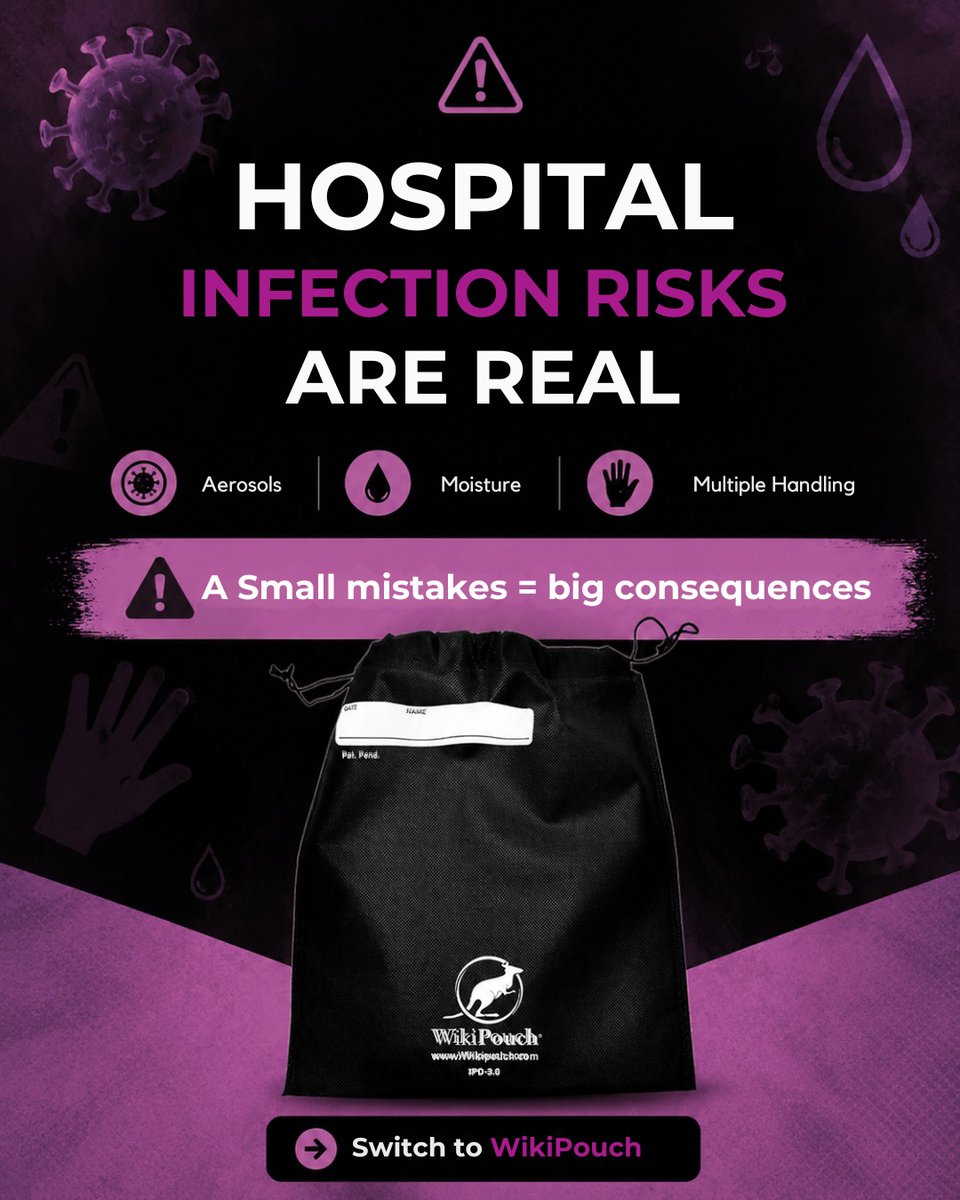
In hospitals, infection risks come from multiple sources:
Aerosols, moisture, and frequent handling.
Small oversights can lead to serious consequences.
Switch to WikiPouch
👉 https://t.co/sbSXgK2ij5
#InfectionControl#HospitalSafety#HealthcareAwareness#PatientCare
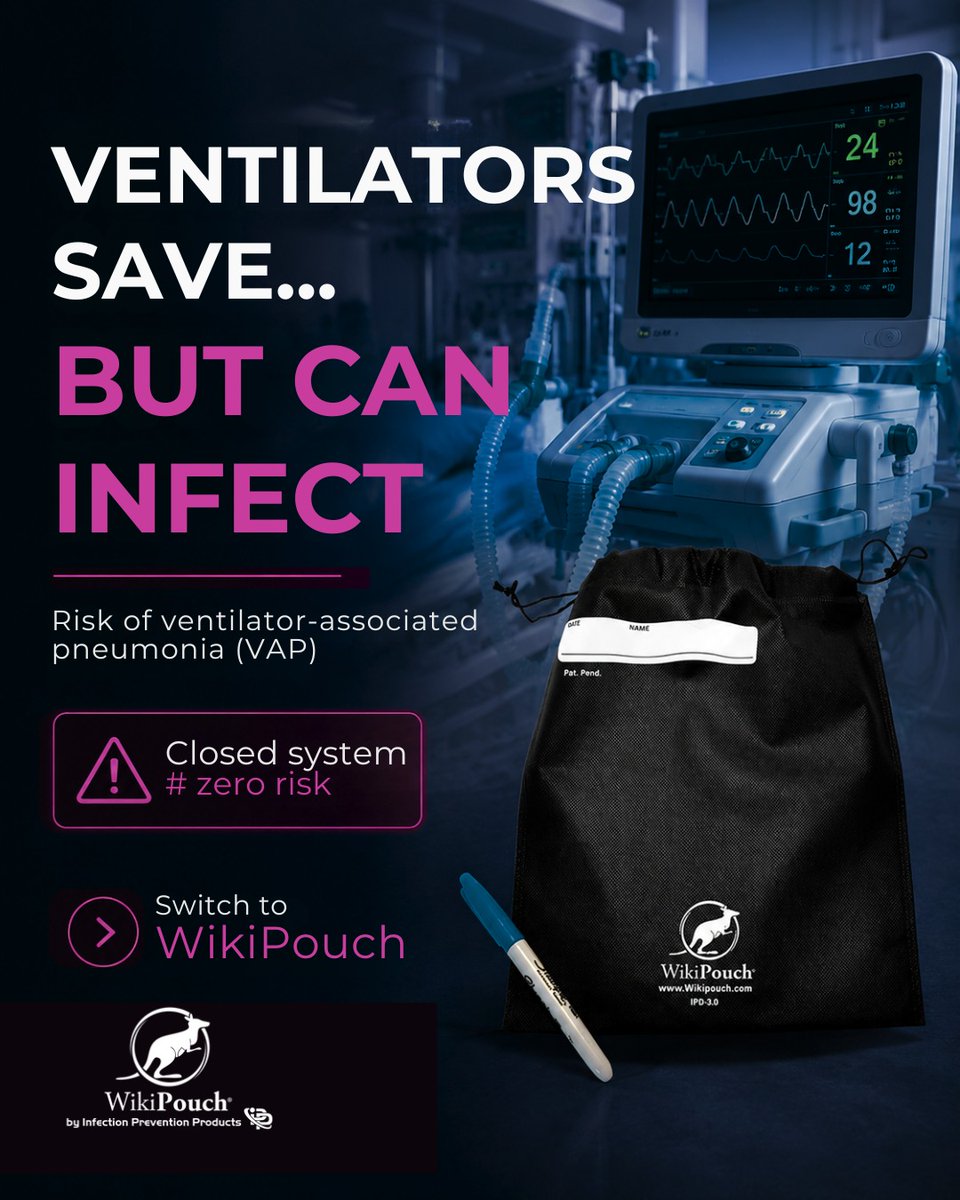
Ventilators save lives—but they also carry risks like ventilator-associated pneumonia (VAP).
Even closed systems need proper care and maintenance.
Switch to WikiPouch
👉 https://t.co/sbSXgK2ij5
#Ventilator#ICUCare#VAP#HospitalInfection
CPAP and BiPAP devices support breathing—but without strict cleaning, they can become a source of infection.
Handling matters. Storage matters. Every step counts.
Switch to WikiPouch
👉 https://t.co/sbSXgK2ij5
#CPAP#BiPAP#PatientSafety#MedicalDevices