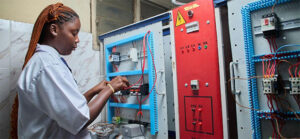
Demand for minerals needed for energy transition is expected to surge in the coming decades as countries expand clean technology capacity, electric vehicles, battery storage, renewable energy systems, and digital infrastructure, finds @UNCTAD report https://t.co/Nl5F1WkRKh
118 countries, predominantly in the Global South, are not engaged in major AI governance discussions, and less than one-third of developing countries have developed national AI strategies, finds UN report https://t.co/AetRgVVvor
Governments are making consequential decisions about AI under great uncertainty with rapidly changing, often conflicting sources of evidence and perspectives that do not necessarily reflect local realities, according to the UN’s independent panel on AI https://t.co/AetRgVVvor
HIV experts and activists have condemned the U.S. decision to end funding for HIV projects in South Africa, warning the cuts could be catastrophic for efforts to control the disease in the country with the world's highest HIV burden https://t.co/Yl0J46riX8
The more AI advances without shared rules, the less say governments and people will have in the outcome. So my message to governments is simple: Do not wait, says UN Secretary-General António Guterres https://t.co/AetRgVVvor
Xenophobic campaigns will not solve South Africa’s unemployment crisis. Hate isn’t the solution. It deepens distrust and spreads fear. Surely, logic and peace should prevail https://t.co/Lk9zrgFHNT
Foreign migrants hold less than 4% of formal jobs in South Africa, and Wits University research suggest unemployment rate would fall by only 6% points, from 43.6% to 37.6%, if all foreigners’ jobs went to unemployed South Africans https://t.co/Lk9zrgFHNT
Fast Facts: migrants in South Africa. Many South Africans experience terrible hardships - but migrants are not the cause. Blaming migrants means the real problems never get fixed (via Collective Voices for Health Access) https://t.co/Lk9zrgFHNT
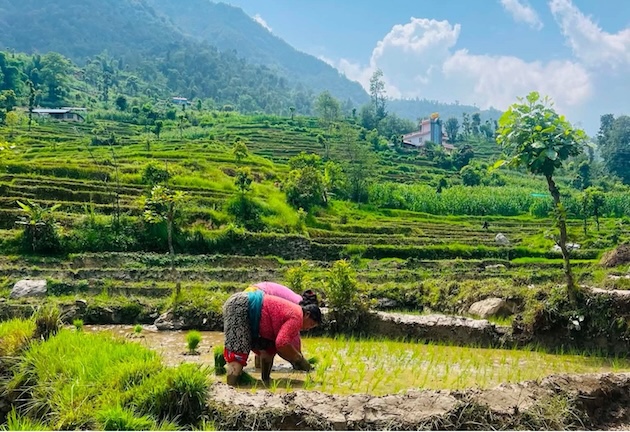
Smart farming, using data, digital tools, and precision technologies to make better decisions, reduce inputs, and get more from every hectare, is not a luxury response, it is increasingly a practical and necessary one, writes Beth Bechdol, @FAO https://t.co/RbRJdrHaeX
Smallholder farmers produce a third of the world’s food but are too often last in line for smart farming tools. Women farmers and young producers face additional barriers to technology and financing, warns Beth Bechdol, @FAO https://t.co/RbRJdrHaeX
This is the time to double down on climate action. With renewed energy & persistence, we can keep bending the curve and change humanity’s future. This, surely, is something participants at future COPs should be striving towards,✍️Felix Dodds & Chris Spence https://t.co/GXQJsYj67X
The Global South should undoubtedly try to benefit from the economic weight and voice of BRICS+. But it can best advance its shared interests with its own voice and organised strength via a revived NAM, repurposed for peace, development and justice https://t.co/8GYx5BAfAI
Leadership of the Global South has gradually declined since the 1980s. Many hope BRICS+ will fill the vacuum, but its purpose and membership suggest such hopes may be misplaced. A repurposed Non-Aligned Movement offers the best way forward https://t.co/8GYx5BAfAI
As Seychelles marks 50 years of Independence, @jalixmichel looks to the next half century with a vision of a nation that has moved from perceived vulnerability to respected ocean leadership through sustainable management of its maritime space and resources https://t.co/zJOHhoVpI6
Most‑read stories and must‑reads in our weekly newsletter:
➡️Building Peace Infrastructures: African Leaders Reflect on Peacebuilding;
➡️The UN Climate Talks in Bonn Just Failed. Why?; and more 👇
https://t.co/bqKkJsbnwB