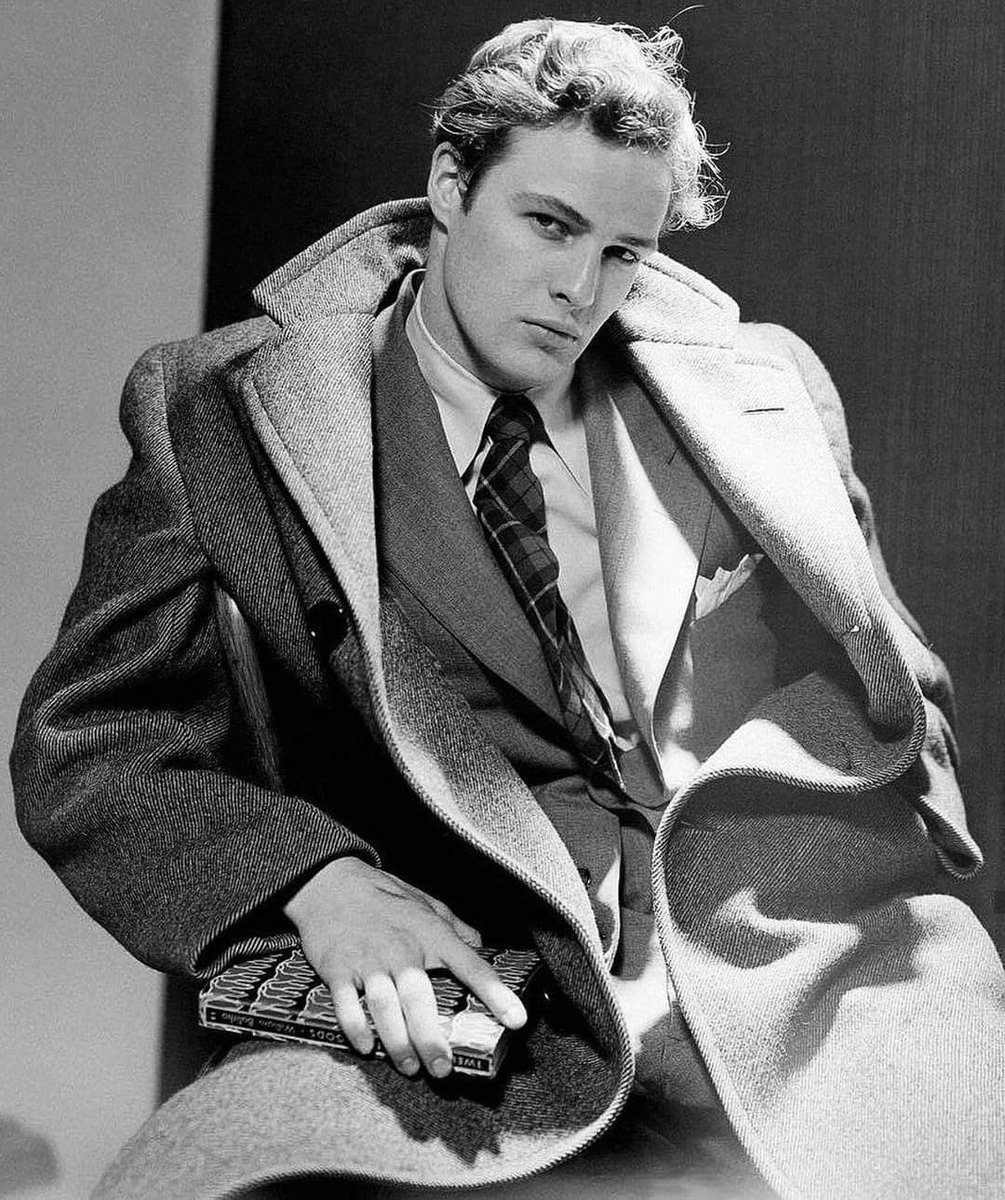
Klaus Mann (b. 18 November 1906) was a German novelist, essayist, journalist, and outspoken anti-Nazi whose literary achievements were frequently overshadowed by his famous father, Nobel Prize-winning author Thomas Mann. Born in Munich into one of Germany’s most distinguished intellectual families, Klaus grew up surrounded by artistic privilege, formidable expectations, and a father whose emotional reserve made their relationship particularly complicated.
Openly homosexual at a time when discretion was generally considered essential, Mann explored sexual identity, alienation, and the hypocrisies of bourgeois society in his writing. His early novel Der fromme Tanz (The Pious Dance, 1926) was among the first German novels to portray homosexuality sympathetically. His romantic life included a significant relationship with actor Gustaf Gründgens, who was later married (1926-1929) to Klaus’s sister Erika. Gründgens' subsequent prominence in Nazi Germany inspired Mann’s most celebrated novel, Mephisto (1936), a devastating portrait of an ambitious actor who sacrifices his principles for professional success.
The Mann family was rife with homosexuality. Klaus had two siblings who were gay—his older sister Erika (with whom he maintained a lifelong close relationship) and a younger brother Golo (who was a popular German historian and essayist). Erika—an actress and writer—later married the homosexual poet W. H. Auden, purely to obtain a British passport and avoid becoming stateless when the Germans cancelled her citizenship. Their father, the imminent Thomas, also experienced lifelong same-sex attraction and homoerotic desire, though he kept these feelings strictly private and lived publicly as a conventional family man.
When Hitler came to power in 1933, Klaus fled Germany and became a tireless opponent of Nazism, publishing anti-fascist literature and helping establish the influential exile journal Die Sammlung. Eventually settling in the United States, he served in the American Army during World War II, returning to Europe in uniform to witness the destruction of the civilization he had once known.
Despite his considerable talent, Klaus struggled throughout his life with depression, drug addiction, financial insecurity, and the burden of his father's towering reputation. His homosexuality, which he refused to disguise, further complicated his search for acceptance and belonging. On May 21, 1949, at just 42, he died in Cannes, France, following an overdose of sleeping pills, generally understood to have been suicide.
Brilliant, restless, politically courageous, and frequently unhappy, Klaus Mann spent much of his life fighting fascism, convention, and his own demons. His tragedy was that he could imagine a freer, more tolerant world with remarkable clarity, yet never quite managed to find a comfortable place for himself within it. 🏳️🌈
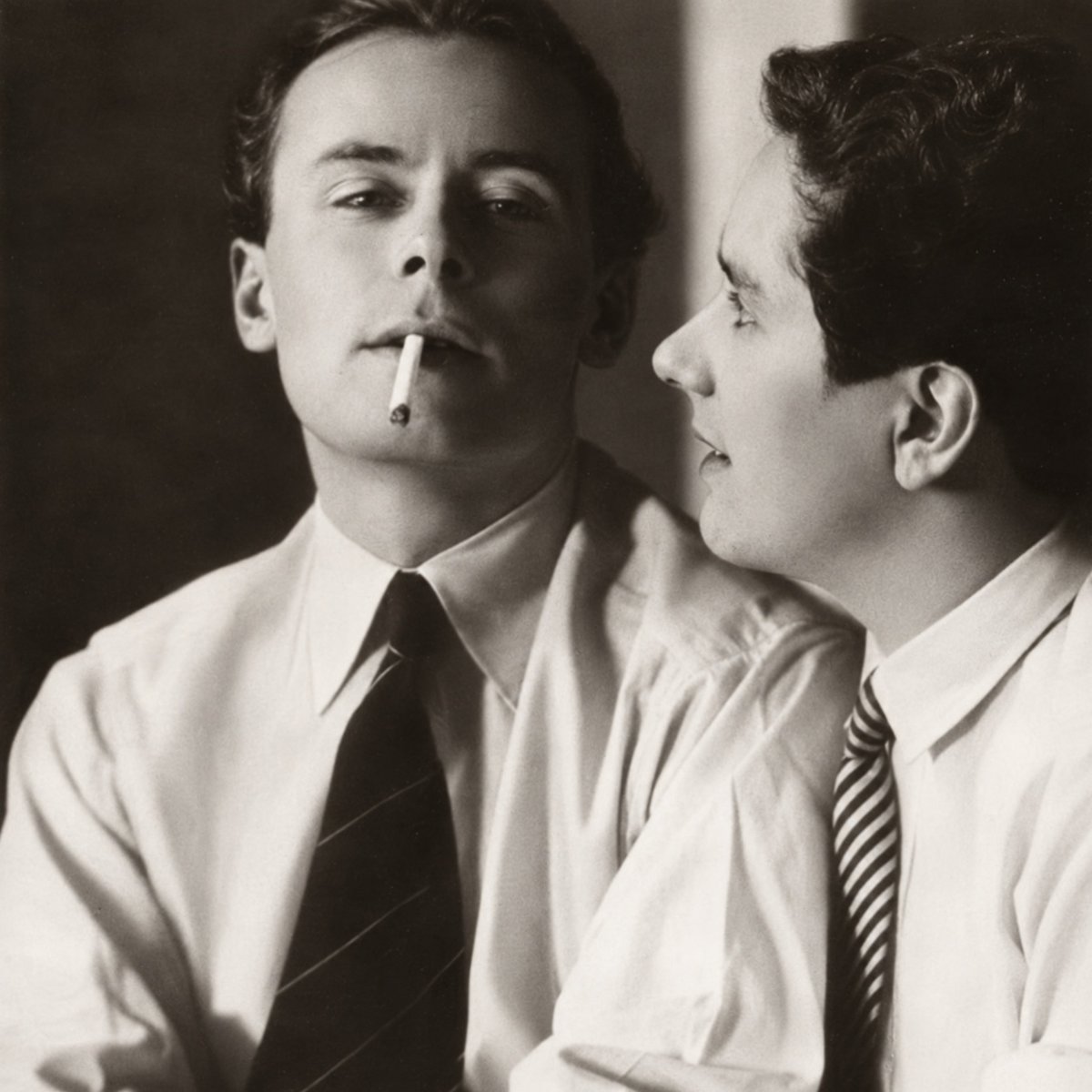
[Below - Klaus, left, with his sister, Erika, right]
El 2 de noviembre de 1975 fue asesinado Pier Paolo Pasolini en la playa de Ostia.
El actor Ettore Garofolo fuma junto a Pasolini, un instante de belleza en el Festival de Venecia, donde presentaron Mamma Roma en 1962.
📷 Vittorio Pavan. 🌈🔥
ᴠ ɪ ɴ ᴛ ᴀ ɢ ᴇ ᴍ ᴏ ᴏ ᴅ
This photo captures Paul Newman at the Lido in Venice, Italy, back in 1963.
Beyond the classic Hollywood charm, did you know he was also a passionate race car driver and a dedicated philanthropist?
He founded Newman's Own, a food company that donates all of its profits to charity. Talk about a legacy both on and off the screen. He wasn’t exactly hard on the eyes either, was he? 😜
ANONG SILBI NG TITI MO KUNG DI MO IPAPATIKIM SA AKIN BINIGYAN KA NI LORD NG TITI PARA IBAHAGI SA IBA ANG BIYAYANG NATANGGAP MO HINDI KABA NAHIHIYA PALAGI MO NALANG SINOSOLO ANG TITI NA NAKADIKIT SA GITNA NG MGA SINGIT MO PAANO NAMAN KAMI?!?!?!