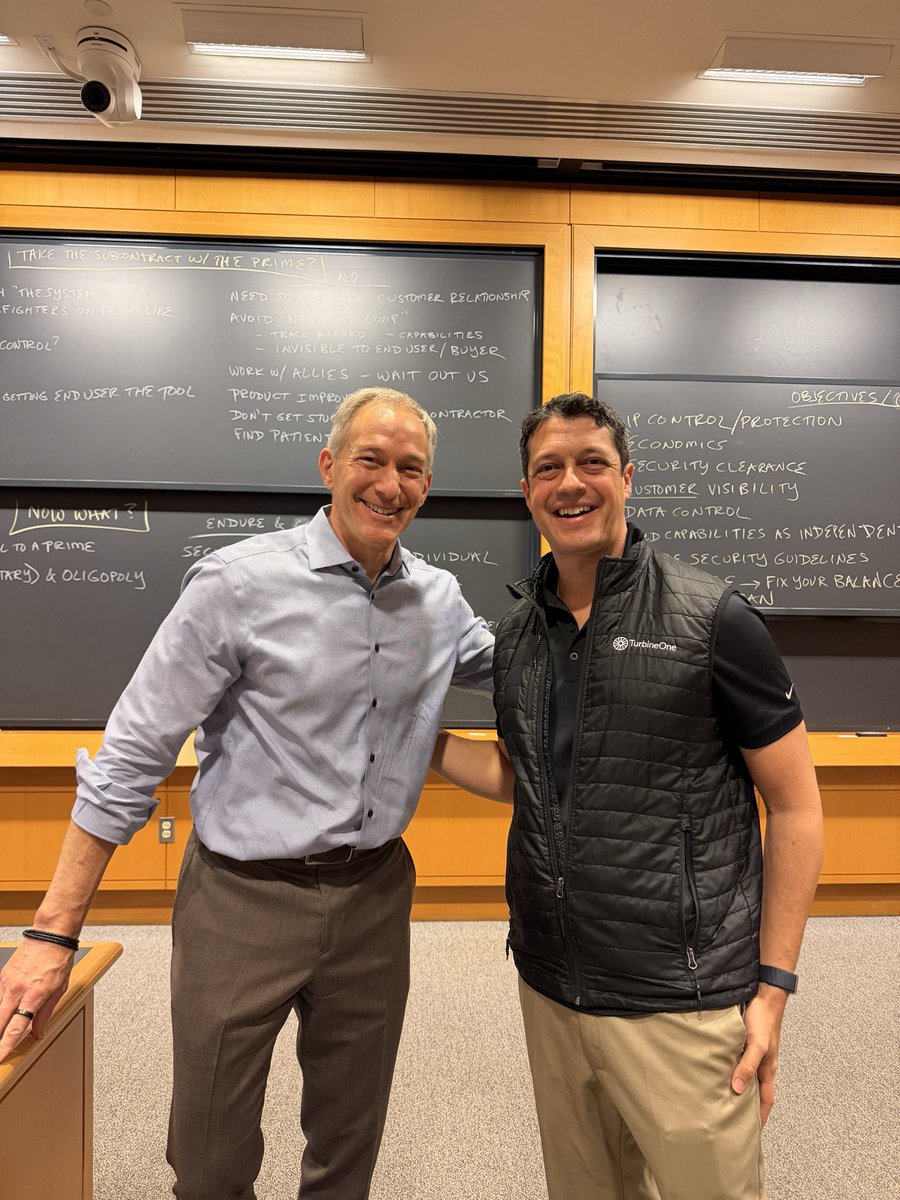
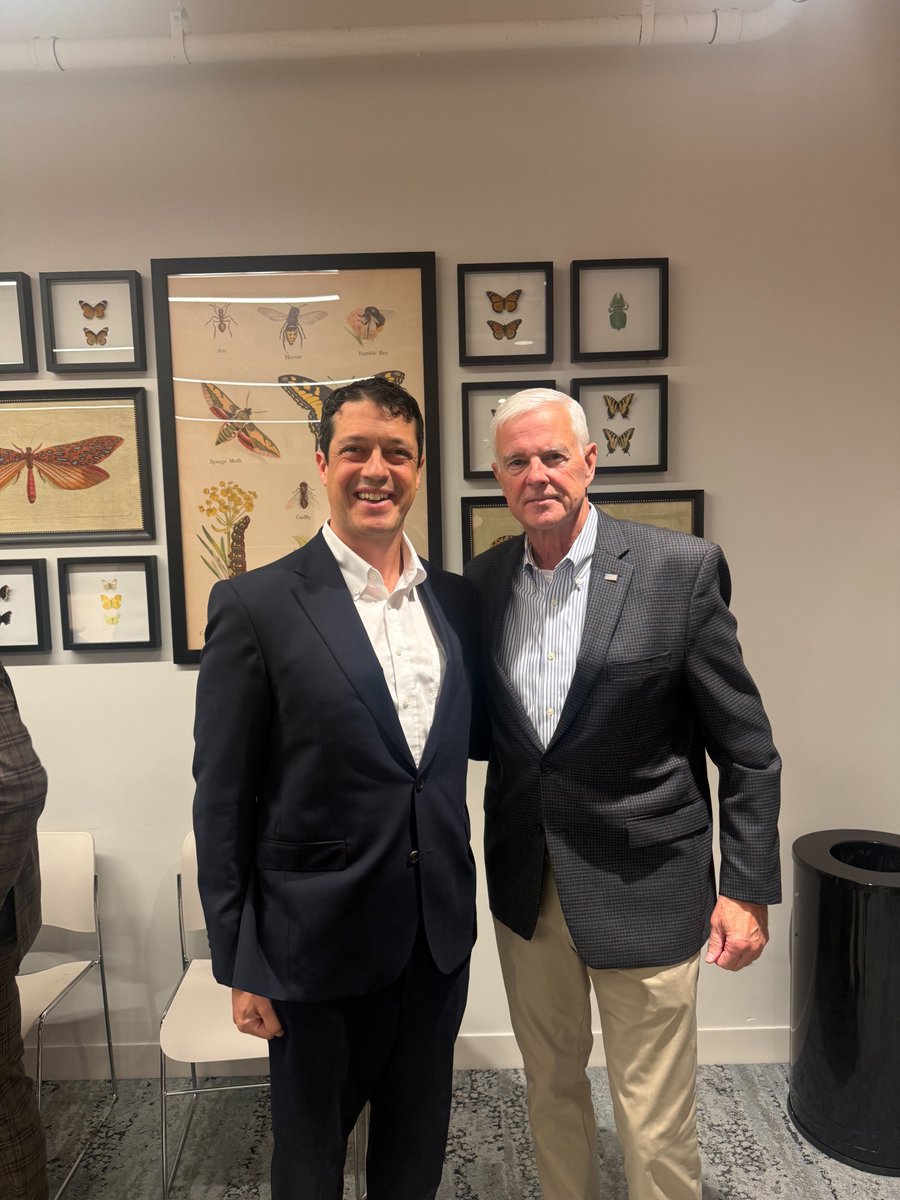
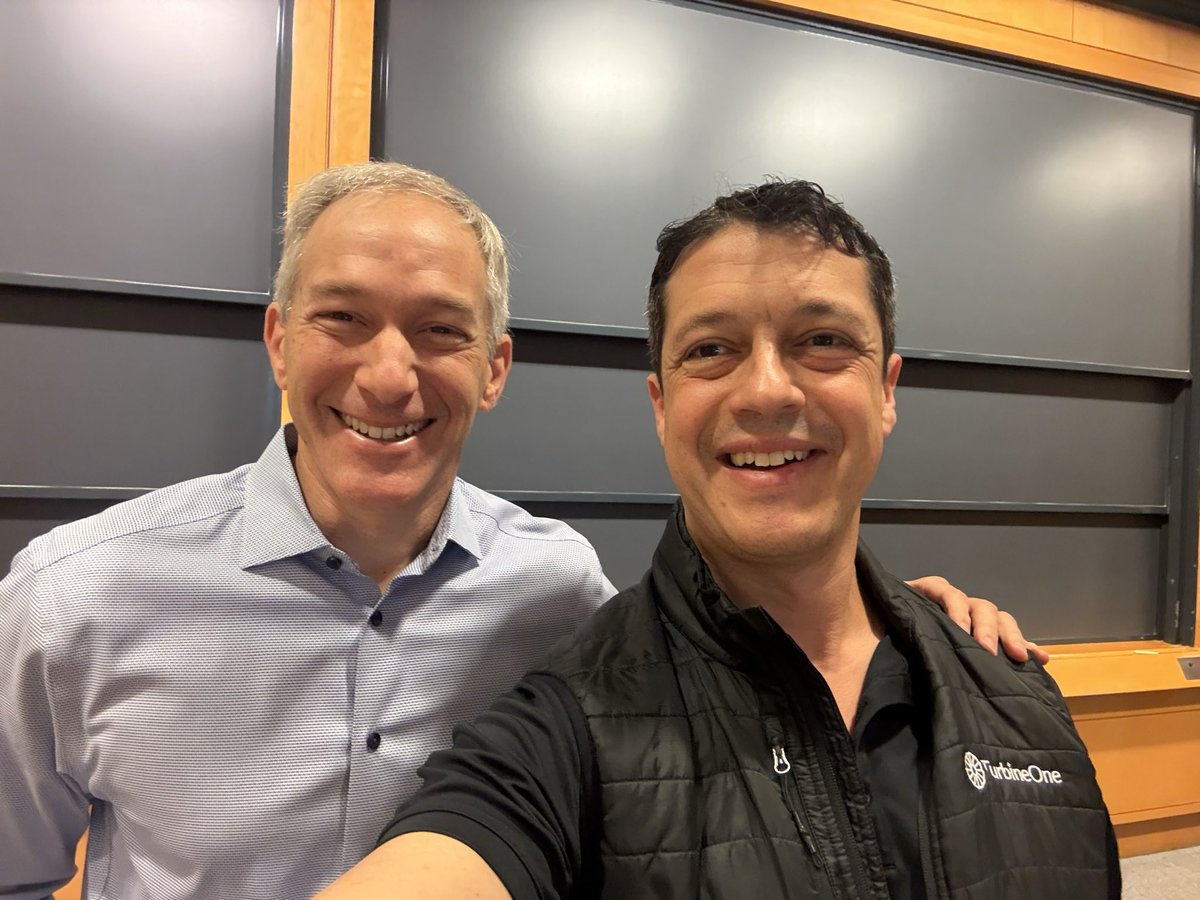
Proud to share that @TurbineOneTech is now the subject of a @HarvardHBS case study. 🎓
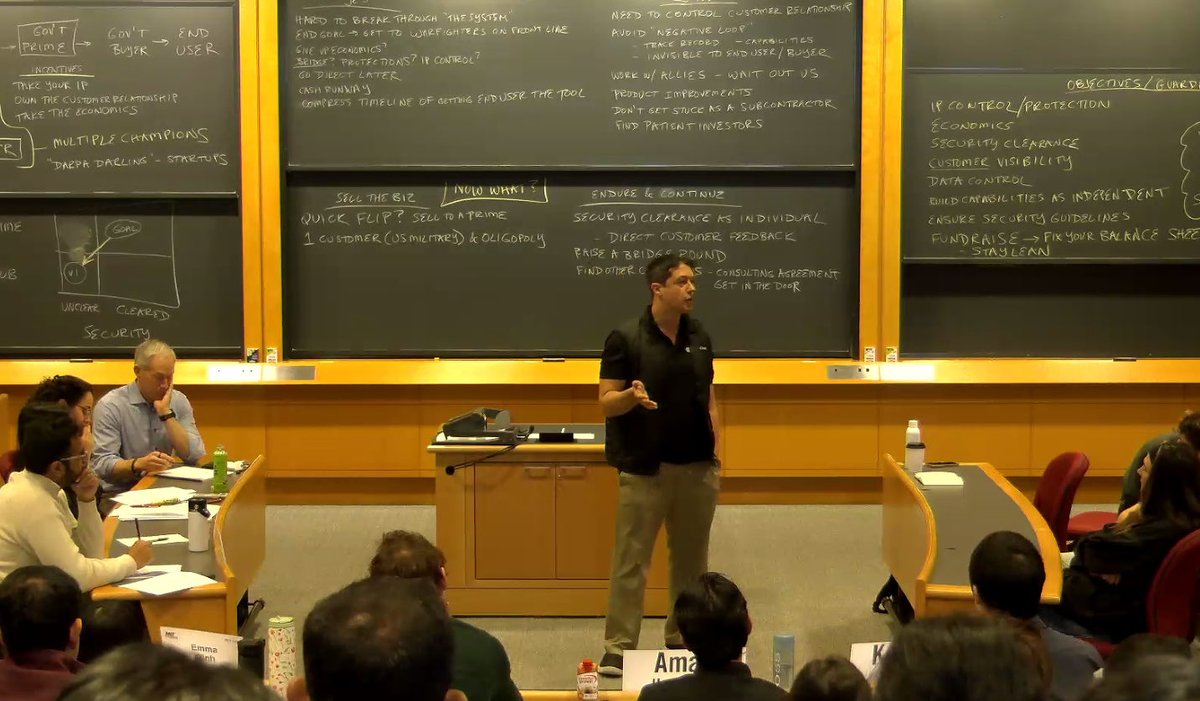
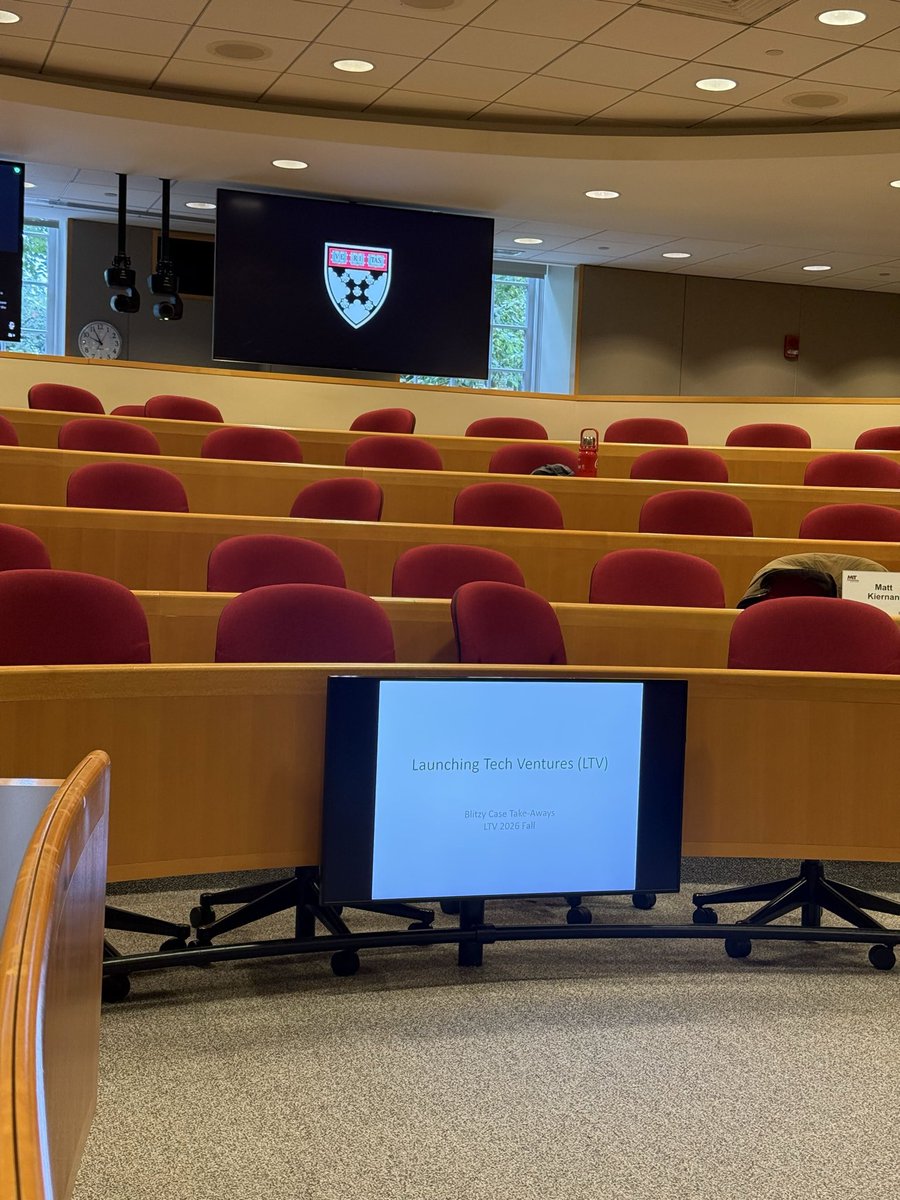
"TurbineOne: Navigating Growth on the Front Lines," written by @bussgang and James Barnett, is being taught in Launching Technology Ventures, the HBS elective that has trained more than 2,500 founders and startup operators over fifteen years.
The case goes back to one of our earliest and hardest decisions. In 2022, we had our first major Defense contract within reach, but not the facility clearance to do the work directly. Take the fast path as a subcontractor under a prime, or hold out to own the customer relationship and risk the deal entirely?
It's a question every defense tech founder eventually faces, and one where the traditional startup playbook doesn't always hold up.
Thank you for telling our story and for having me. It's an honor to see TurbineOne's journey become part of how the next generation of founders learns to build.
#HarvardBusinessSchool
I have three young kids. If any of them choose to serve, I want them to have better tools than I did.
Right now, the gap between the technology Americans use every day and what many service members have in the field is far too wide and we should be embarrassed by that.
Closing it means building AI that works in contested environments, with limited compute, and often no cloud at all. So I wrote something kind of cool about it.
Read more about why what we’re building at @TurbineOneTech matters to me personally below.
@SangerNYT@nytimes@mikiebarb@sangerNYT great piece! As a nuclear engineer, I recently wrote about the parallels between Einstein's letter to FDR and this moment in AI as well, and what we can learn from how we safeguarded another transformative technology. My argument:
Today's debate about AI safety should be informed by how we regulated nuclear power and the financial markets.
My argument in this article: https://t.co/3nMTOQYiah
We’ve been here before.
I recently wrote about the parallels between this moment in AI and the nuclear era and what we can learn from how we built safeguards around another transformative technology.
@SangerNYT takes on that same question on @nytimes The Daily today. Worth a listen.
My argument:
https://t.co/v2jEPEEhOk
Today on the Daily, the premiere podcast of the @nytimes, I talk to the great @mikiebarb on the question of the Xi-Trump summit: can the U.S. and China grope their way to AI arms control?
What Safeguarding Nukes Can Teach Us About Safeguarding A.I. https://t.co/4igufcdLH7 via @NYTimes
Today's debate about AI safety should be informed by how we regulated nuclear power and the financial markets.
My argument in this article: https://t.co/3nMTOQYiah
Great time at the All-In Summit in LA! The presenters and participants shared smart insights on tech, investing and national security. Elite group pushing markets forward! Credit to the @theallinpod for another sharp lineup!
The dominant conversation topic was the risks/opportunities with AI. Great debates on the focus areas, responsible parties, and where the capital goes next. But getting real intelligence to people making critical decisions is very different from shipping out a new computer-vision model every quarter.
#AllInSummit
I was an undergrad at Georgetown on September 11, 2001. When I saw the smoke rising from the Pentagon, I ran toward it.
Our own Ed Padinske shared what he experienced that day, trom inside the White House Situation Room. Ed shared about Rob Hargis, who refused an order to evacuate the West Wing because leaving meant losing precious time, and how that decision has stayed with him for 25 years as a lesson in standing your ground.
This is the kind of story I hope for people to read this week. The human beings behind the memories and videos. Ed, thank you for sharing this, and for your ongoing service. #NeverForget
Our Chief of Mission, Ed Padinske, was a Navy lieutenant working in the White House Situation Room on September 11, 2001.
Ed's story reminds us that duty isn't limited to a uniform, it's a choice to show up for your community, again and again. https://t.co/WlaUlIcbT6
We started the Frontline AI Forum because we were tired of repeating the same conversation one room at a time.
AI at America's military frontlines isn't a technology question anymore. It's the reality whether we're ready or not. And jumping from a model's deployment to something an operator can trust in contested environments is a different discipline entirely, one that doesn't happen unless a diverse set of stakeholders are in the same room.
We did that a few weeks ago. Dozens of executives, military officers, policy makers, and investors in San Francisco. The people who fund AI, buy it, field it, and use it.
We didn't think the business world needed one more AI conference. But it actually helped move essential capabilities forward. So we're planning to host another one in 2027!
Built for the edge. Run by warfighters.
Meet the team building TurbineOne at our @Techweek_ happy hour. No panels, just drinks.
📅 Oct 7, 5pm PT
RSVP: https://t.co/DeFUbjRkf4
#SFTechWeek
AI companies aren’t supposed to need machine shops. We built one anyway.
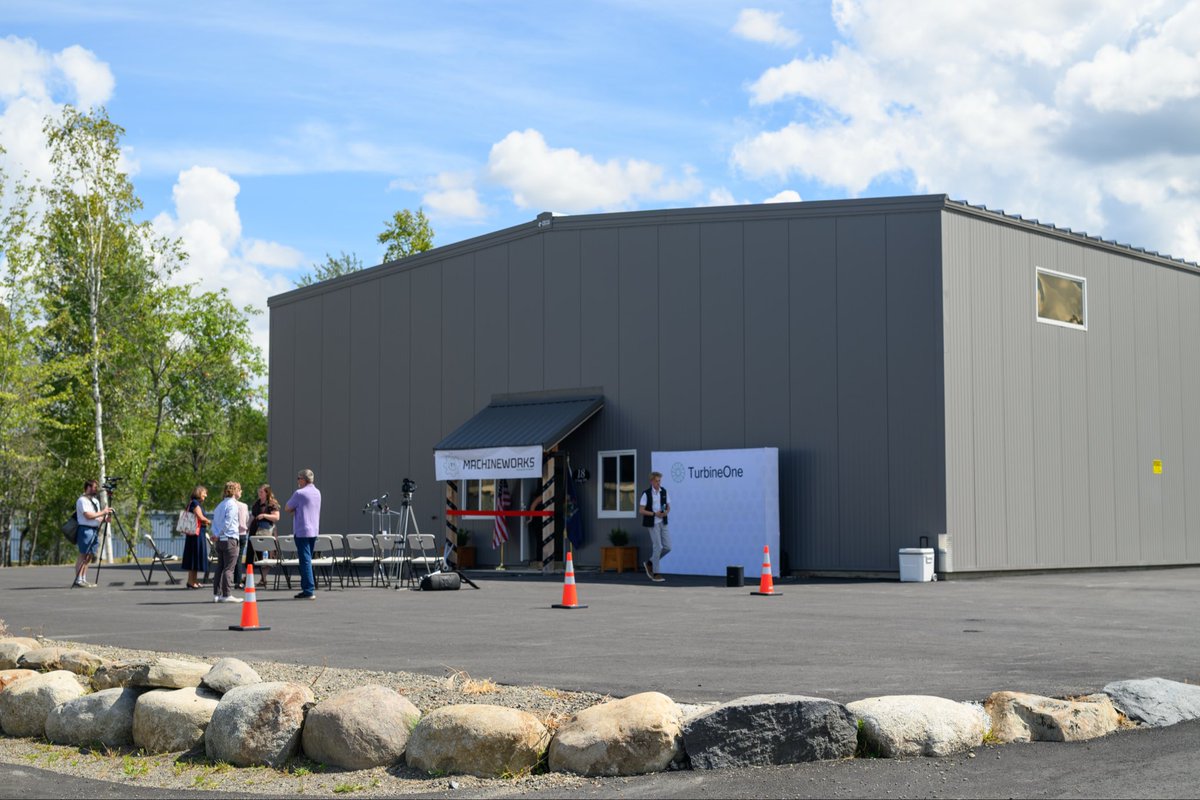
This week, we opened T1 MachineWorks in Old Town, Maine, where our team can build and test AI, autonomy, and hardware side by side. We picked Maine on purpose: demanding conditions, terrain for testing, and a manufacturing community that gets what we're trying to do. Grateful for the warm welcome. Proud of the team, especially our brilliant CTO Matt Amacker, for getting us here.
Onward.
Most AI systems for national security depend on stable connections and remote clouds. That's a serious problem for today's warfighters. This topic was a big part of the conversation last week at the Next Era of Defense panel at the Mid-America Aerospace + Defense Summit: how we build and field technology that keeps working when connectivity doesn't. Thanks to Chad Causey of the Arkansas Aerospace & Defense Alliance for moderating the discussion.
Ended the day with Congressman @rep_stevewomack and Congressman @RepMikeRogersAL, talking about their work to advance defense modernization and get better technology into the hands of warfighters faster.
We've opened T1 MachineWorks, a new hub in Old Town, Maine where engineers build and test AI, autonomy, and hardware together, as TurbineOne scales a nearly $99M Army contract already deployed across the U.S. military.
https://t.co/jZtGH6k2Jr
Wait...what!! "...too prohibitively burdensome on the Defense Industrial Base" ??
https://t.co/81VT7C55C5
So...should we start complaining more about OTHER things that are broken?
Logistics matter. But logistics alone don’t win if you can’t maneuver forces into position when it counts.
I spoke with Gen. Mike Minihan, USAF (Ret.), about China readiness, contested environments, and the joint force maneuver requirements needed to move from capabilities on paper to lethality in practice.
https://t.co/5BEgMgnSl9 via @YouTube
This interview with Chinese Space expert, Dean Cheng, was scary. Even if you are a national security professional, you will probably be shocked by some of the insights in this podcast:
https://t.co/egXuCzvu0k
Programs of record can fund innovative technology — but only if they’re built with enough flexibility to adapt.
In my conversation with Dr. Alexis Lasselle Ross, we talked about why the biggest barrier often isn’t the law. It’s self-imposed restrictions: budget lines written so narrowly that program managers can’t pivot when better solutions emerge.
That matters if we want defense innovation to keep pace with the threat.
🎧 Watch here: https://t.co/CrmG8oIdjh
The difference between defense companies that get contracts and those that don’t often comes down to one critical factor: demonstrating a genuine understanding of military organizational structures and threat environments.
In my conversation with LtGen Mike Dana, USMC (Ret), we discussed a pattern he saw after evaluating countless Pentagon pitches: the companies that succeed can clearly articulate how their technology integrates with Marine Air Ground Task Forces, Air Force operations, or Navy sea control strategies.
They understand the Pacific theater’s multi-domain challenges, Chinese threats, and contested environments.
That combination — technical capability plus strategic vision — is what gives military leaders confidence.
https://t.co/VrcU1FhvoX