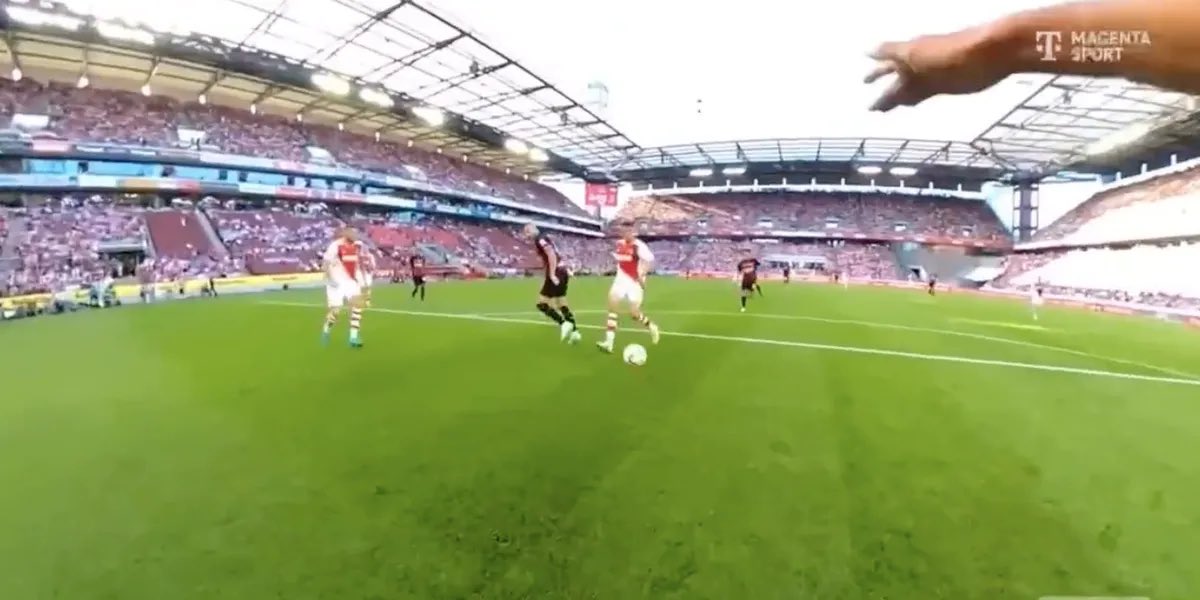
Imagine going from defending a 1-0 lead with 5 minutes of normal time to go in a WC Semi Final to end up launching the ball up the park to Dan Burn to chase the game.
@MartinRafelt Horses for courses though. French personnel would have a few areas of weakness in the approach which could be exploited. It probably would have been an improvement but don’t see it as a panacea.
@ThePurist_ Argentinian football seems to have been in a constant debate throughout its history that has become the wider discourse for all football today.
𝗪𝗵𝘆 𝘀𝗼𝗺𝗲 𝗳𝗲𝗲𝗱𝗯𝗮𝗰𝗸 𝘀𝘁𝗶𝗰𝗸𝘀 𝗮𝗻𝗱 𝗺𝗼𝘀𝘁 𝗱𝗼𝗲𝘀𝗻’𝘁
Not all learning comes from instruction.
A lot of it happens despite it.
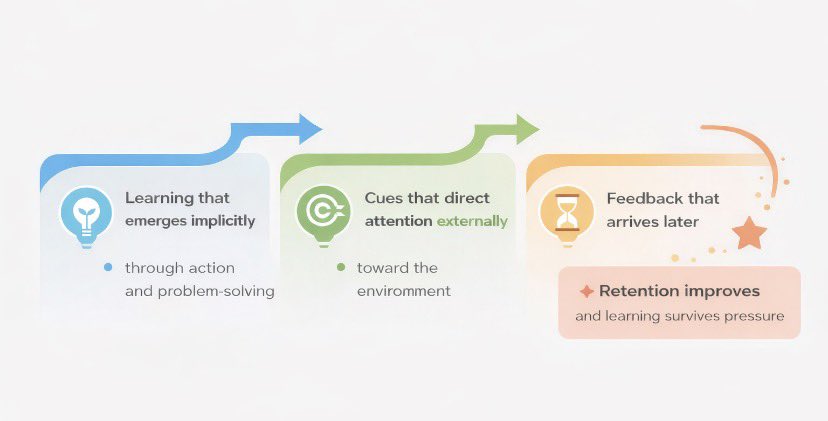
Research across skill acquisition points to a similar pattern:
• learning that emerges 𝗶𝗺𝗽𝗹𝗶𝗰𝗶𝘁𝗹𝘆
• cues that direct attention 𝗲𝘅𝘁𝗲𝗿𝗻𝗮𝗹𝗹𝘆
• feedback that arrives 𝗹𝗮𝘁𝗲𝗿, not instantly
This type of learning tends to last longer and survive pressure better.
When feedback is constant, immediate, and internally focused (“your body”, “your technique”, “your movement”), performance can improve quickly. Retention often doesn’t.
What does tend to stay with people is feedback that:
• connects to 𝗼𝘂𝘁𝗰𝗼𝗺𝗲𝘀
• helps them notice something 𝗶𝗻 𝘁𝗵𝗲 𝗲𝗻𝘃𝗶𝗿𝗼𝗻𝗺𝗲𝗻𝘁
• arrives after they’ve already felt success or failure
In other words, the learner builds their own link between intention, action, and result.
This is why:
•players remember what space opened.
•learners recall the effect of a solution.
•𝗱𝗲𝗹𝗮𝘆𝗲𝗱 𝗳𝗲𝗲𝗱𝗯𝗮𝗰𝗸 often lands deeper than real-time correction.
The moment you interrupt, you risk replacing perception with instruction.
Good feedback nudges attention and lets the learner do the work.
Often, what stays isn’t what we say.
It’s what the environment allowed them to discover.
"We conversed with each other on the field and could find each other at any moment. I'd a great rapport off the pitch with him too, so we were in total sync."
𝗖𝗼𝗮𝗰𝗵𝗶𝗻𝗴 𝗖𝗼𝘂𝗿𝘀𝗲𝘀 - 𝗡𝗼𝘄 𝗛𝗮𝗹𝗳 𝗣𝗿𝗶𝗰𝗲
Our 𝗖𝗵𝗶𝗹𝗱𝗿𝗲𝗻’𝘀 𝗖𝗼𝗮𝗰𝗵𝗶𝗻𝗴 𝗖𝗼𝘂𝗿𝘀𝗲 and 𝗬𝗼𝘂𝘁𝗵 𝗖𝗼𝗮𝗰𝗵𝗶𝗻𝗴 𝗖𝗼𝘂𝗿𝘀𝗲 are now available at half price for the festive period.
Designed for coaches who want to refresh their thinking, develop their session design, and inspire learning, creativity, and decision-making in real environments.
Visit:
https://t.co/9MGSFoNxvw
To explore the courses and the wider coaching services we offer.
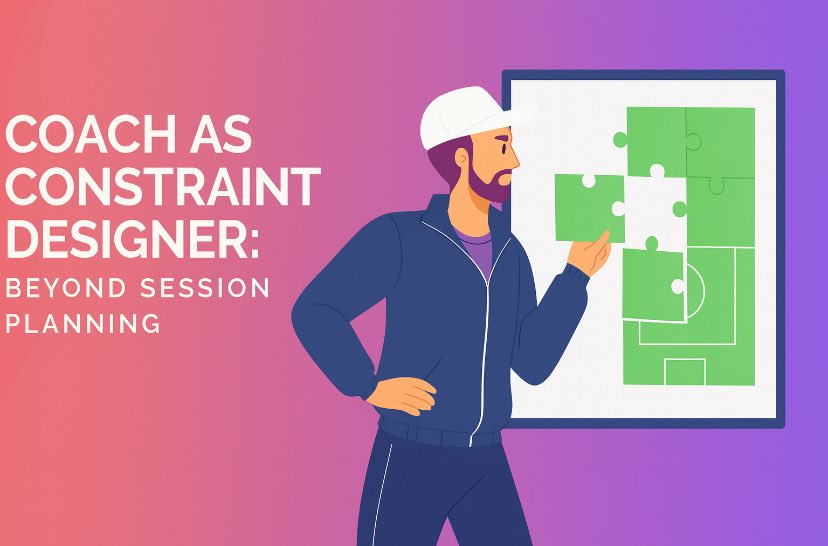
𝗖𝗼𝗮𝗰𝗵 𝗮𝘀 𝗖𝗼𝗻𝘀𝘁𝗿𝗮𝗶𝗻𝘁 𝗗𝗲𝘀𝗶𝗴𝗻𝗲𝗿: 𝗕𝗲𝘆𝗼𝗻𝗱 𝗦𝗲𝘀𝘀𝗶𝗼𝗻 𝗣𝗹𝗮𝗻𝗻𝗶𝗻𝗴
Training design is more than organising practices. Each task shapes the invitations for action, the decisions available, and the possibilities players can perceive. When you design constraints, you influence the interactions that guide learning. The role becomes less about directing actions and more about crafting environments that prompt intelligent behaviour.
𝗪𝗵𝗲𝗿𝗲 𝗣𝗼𝘀𝘀𝗶𝗯𝗶𝗹𝗶𝘁𝗶𝗲𝘀 𝗔𝗽𝗽𝗲𝗮𝗿
Constraints reveal openings that players might otherwise miss. Small adjustments in space, tempo, or opposition can shift the landscape of options and highlight new routes through the game.
𝗪𝗵𝗲𝗿𝗲 𝗣𝗲𝗿𝗰𝗲𝗽𝘁𝗶𝗼𝗻 𝗧𝗮𝗸𝗲𝘀 𝗣𝗿𝗶𝗺𝗮𝗿𝘆 𝗥𝗼𝗹𝗲
As tasks take shape around key cues, players begin to notice what matters. They learn to read signals that guide movement, recognise patterns that emerge, and connect ideas with the moment in front of them.
𝗪𝗵𝗲𝗿𝗲 𝗦𝘆𝘀𝘁𝗲𝗺𝘀 𝗦𝗵𝗮𝗽𝗲 𝗔𝗰𝘁𝗶𝗼𝗻
Meaningful constraints align individual actions with the wider dynamic. Players interact with the task, the environment, and each other. New behaviours form through those interactions, giving rise to solutions that fit the rhythm of the game.
Designing constraints is a creative process. It shapes how players sense, decide, and act, and it influences the ideas that become possible during play.
𝗤𝘂𝗲𝘀𝘁𝗶𝗼𝗻𝘀 𝗳𝗼𝗿 𝗖𝗼𝗮𝗰𝗵𝗲𝘀 𝗗𝗲𝘀𝗶𝗴𝗻𝗶𝗻𝗴 𝗖𝗼𝗻𝘀𝘁𝗿𝗮𝗶𝗻𝘁𝘀
•What behaviour or interaction do you want the task to invite?
•Which cues do you hope players begin to notice as the game unfolds?
•How might a small shift in space or rules change the possibilities players perceive?
•What solutions emerge naturally within the design, without being introduced?
•How does the task shape the rhythm, tempo, and flow of the interactions you’re looking for?
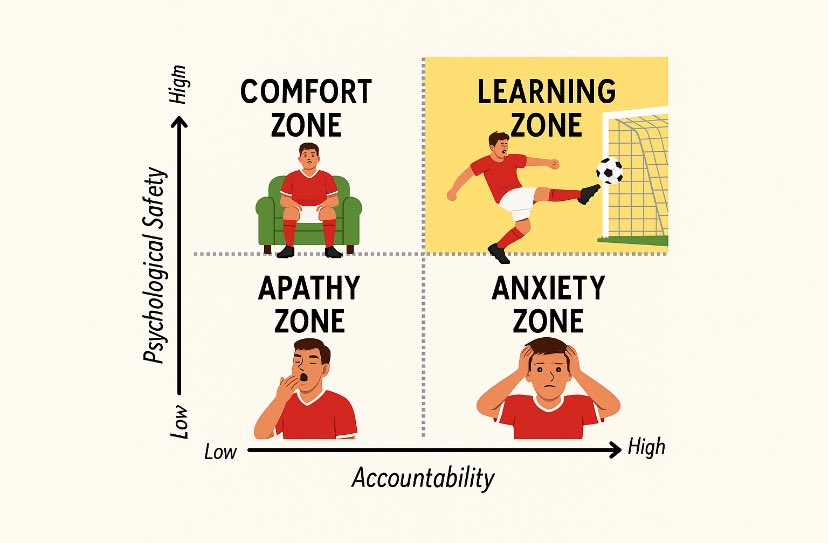
𝗖𝘂𝗹𝘁𝗶𝘃𝗮𝘁𝗶𝗻𝗴 𝗣𝘀𝘆𝗰𝗵𝗼𝗹𝗼𝗴𝗶𝗰𝗮𝗹 𝗦𝗮𝗳𝗲𝘁𝘆 𝗳𝗼𝗿 𝗖𝗿𝗲𝗮𝘁𝗶𝘃𝗲 𝗥𝗶𝘀𝗸-𝗧𝗮𝗸𝗶𝗻𝗴
Creative actions grow when players feel able to explore ideas. When the environment supports experimentation, players take initiative, test new possibilities, and expand their decision space. Psychological safety sits at the centre of that process. 🧵
𝗠𝗮𝗸𝗶𝗻𝗴 𝗜𝘁 𝗦𝘁𝗶𝗰𝗸.
A player can look fluent in training yet struggle to reproduce the same moments later in the week.
That gap often comes down to two kinds of learning strength: what’s easy to recall right now, and what’s stored deeply enough to endure.
In training, retrieval is often strong ideas are fresh, the task is familiar, and feedback is instant. However, unless that learning is revisited, challenged, and rebuilt under changing conditions, storage remains weak. The knowledge fades the moment the context shifts.
𝗧𝗼 𝗕𝘂𝗶𝗹𝗱 𝗟𝗮𝘀𝘁𝗶𝗻𝗴 𝗟𝗲𝗮𝗿𝗻𝗶𝗻𝗴
• 𝗥𝗲𝘃𝗶𝘀𝗶𝘁, 𝗗𝗼𝗻’𝘁 𝗷𝘂𝘀𝘁 𝗥𝗲𝗽𝗲𝗮𝘁. Return to core principles across different sessions and game formats. Familiar ideas in unfamiliar environments create stronger links.
• 𝗦𝗽𝗮𝗰𝗲 𝗼𝘂𝘁 𝘁𝗵𝗲 𝗦𝘁𝗿𝘂𝗴𝗴𝗹𝗲. Allow time between exposures. Retrieval after forgetting strengthens memory far more than constant rehearsal.
• 𝗦𝗵𝗶𝗳𝘁 𝘁𝗵𝗲 𝗦𝘂𝗿𝗿𝗼𝘂𝗻𝗱𝗶𝗻𝗴𝘀. Keep the principle, change the problem - new spaces, opponents, or rules test what truly transfers.
• 𝗠𝗲𝗮𝘀𝘂𝗿𝗲 𝗢𝘃𝗲𝗿 𝗧𝗶𝗺𝗲. Evaluate progress by what reappears weeks later, not what looks neat today.
Performance shows what’s accessible now.
Understanding shows what survives time, pressure, and change.
𝗖𝗼𝗮𝗰𝗵 𝗳𝗼𝗿 𝘄𝗵𝗮𝘁 𝗲𝗻𝗱𝘂𝗿𝗲𝘀
𝗦𝗲𝗲𝗶𝗻𝗴 𝗪𝗵𝗮𝘁 𝗢𝘁𝗵𝗲𝗿𝘀 𝗗𝗼𝗻’𝘁
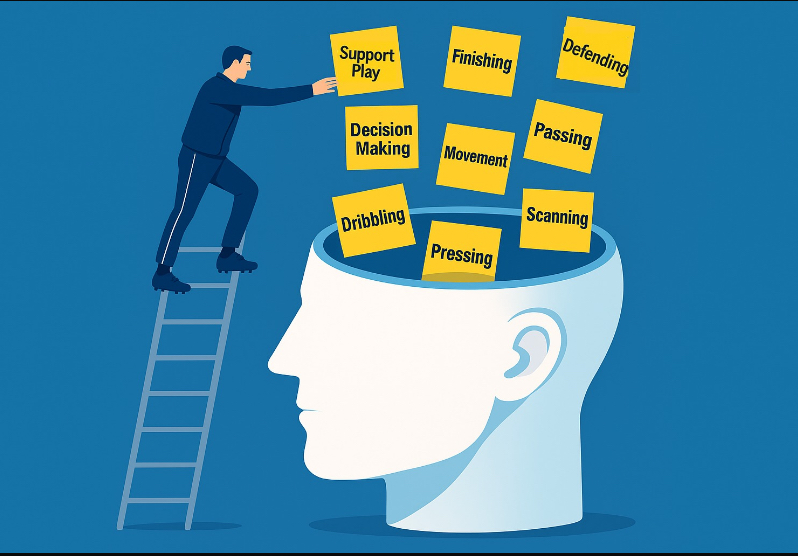
In football, creativity often comes down to perception.
The best players see more of what’s happening.
When perception is narrowed, players fall into predictable habits.
When it widens, the game opens up.
𝗛𝗼𝘄 𝘁𝗼 𝗧𝗿𝗮𝗶𝗻 𝗕𝗿𝗼𝗮𝗱𝗲𝗿 𝗣𝗲𝗿𝗰𝗲𝗽𝘁𝗶𝗼𝗻
1. 𝗩𝗮𝗿𝘆 𝗜𝗻𝗳𝗼𝗿𝗺𝗮𝘁𝗶𝗼𝗻:
Change the space, rules, or number of teammates to alter what players must notice.
The goal is awareness.
2. 𝗗𝗲𝗹𝗮𝘆 𝗜𝗻𝘀𝘁𝗿𝘂𝗰𝘁𝗶𝗼𝗻:
Let players search before explaining. Discovery builds more flexible decision-making than direction.
3. 𝗥𝗲𝘄𝗮𝗿𝗱 𝗨𝗻𝘂𝘀𝘂𝗮𝗹 𝗦𝗼𝗹𝘂𝘁𝗶𝗼𝗻𝘀:
Notice moments when a player solves a problem differently – even if it doesn’t work yet.
Recognition shapes attention.
4. 𝗧𝗿𝗮𝗶𝗻 𝗖𝗼𝗻𝘁𝗲𝘅𝘁:
Design tasks where players must read the situation and adapt.
𝗙𝗼𝗿 𝗖𝗼𝗮𝗰𝗵𝗲𝘀
Creativity grows from environments where attention is expanded.
Every time you design a session, ask:
“𝗪𝗵𝗮𝘁 𝘄𝗶𝗹𝗹 𝗺𝘆 𝗽𝗹𝗮𝘆𝗲𝗿𝘀 𝗹𝗲𝗮𝗿𝗻 𝘁𝗼 𝘀𝗲𝗲 𝘁𝗼𝗱𝗮𝘆?”
𝗗𝗲𝘀𝗶𝗴𝗻𝗶𝗻𝗴 𝘄𝗶𝘁𝗵 𝗧𝗶𝗺𝗲: 𝘁𝗲𝗺𝗽𝗼, 𝗿𝗵𝘆𝘁𝗵𝗺, 𝗮𝗻𝗱 𝘁𝗵𝗲 𝘁𝗶𝗺𝗶𝗻𝗴 𝗼𝗳 𝘁𝗮𝘀𝗸𝘀
Time shapes how players experience the game.
Through it, coaches can tune intensity, rhythm, and attention - creating distinct types of focus and decision-making. 🧵
𝗜𝗻 𝘆𝗼𝘂𝗿 𝘁𝗿𝗮𝗶𝗻𝗶𝗻𝗴 𝘀𝗲𝘀𝘀𝗶𝗼𝗻𝘀, 𝗱𝗼 𝘆𝗼𝘂 𝘀𝗲𝗲 𝗹𝗲𝗮𝗿𝗻𝗶𝗻𝗴 𝗼𝗿 𝗽𝗲𝗿𝗳𝗼𝗿𝗺𝗮𝗻𝗰𝗲?
In youth football, success in training can look very different depending on what you value.
A session that looks smooth, tidy, and efficient might feel satisfying but does it represent real learning?
𝗘𝗺𝗲𝗿𝗴𝗲𝗻𝗰𝗲 𝗶𝗻 𝗟𝗲𝗮𝗿𝗻𝗶𝗻𝗴 - 𝗵𝗼𝘄 𝗽𝗮𝘁𝘁𝗲𝗿𝗻𝘀 𝗮𝗿𝗶𝘀𝗲 𝘁𝗵𝗿𝗼𝘂𝗴𝗵 𝗽𝗹𝗮𝘆
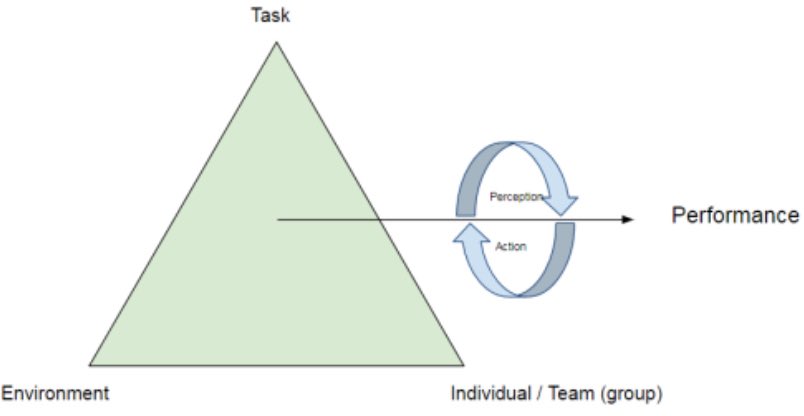
When players 𝗮𝗰𝘁, 𝗲𝘅𝗽𝗹𝗼𝗿𝗲, 𝗮𝗻𝗱 𝗮𝗱𝗮𝗽𝘁 within subtly shifting conditions, 𝗺𝗼𝘃𝗲𝗺𝗲𝗻𝘁 𝘀𝗼𝗹𝘂𝘁𝗶𝗼𝗻𝘀 can self-organize.
In other words, 𝗲𝗺𝗲𝗿𝗴𝗲𝗻𝘁 𝗯𝗲𝗵𝗮𝘃𝗶𝗼𝘂𝗿 is not pre-programmed - it arises from the interaction between the 𝗮𝘁𝗵𝗹𝗲𝘁𝗲, 𝘁𝗵𝗲 𝘁𝗮𝘀𝗸, 𝗮𝗻𝗱 𝘁𝗵𝗲 𝗲𝗻𝘃𝗶𝗿𝗼𝗻𝗺𝗲𝗻𝘁.
𝗖𝗼𝗻𝘀𝘁𝗿𝗮𝗶𝗻𝘁𝘀 𝗮𝘀 𝗜𝗻𝘃𝗶𝘁𝗮𝘁𝗶𝗼𝗻𝘀
Constraints are openings rather than restrictions.
Every condition we set in training shapes attention. A smaller space invites quicker play, extra goals invite scanning for new routes, different zones invite support and movement.
When players see constraints as invitations, they learn to search, adapt, and create.
Some ways to frame them as opportunities:
⚫ Change pitch shapes to invite different passing and dribbling decisions.
⚫ Use zones or areas to invite combinations.
⚫ Rotate conditions so no solution feels fixed.
Good design opens options rather than closing them off.
How do you use constraints to invite play?