it’s called “life.” You walk to the store. Maybe you see someone you know on the way. You find a dollar on the ground. The sun shines on your face. You are participating in the world.
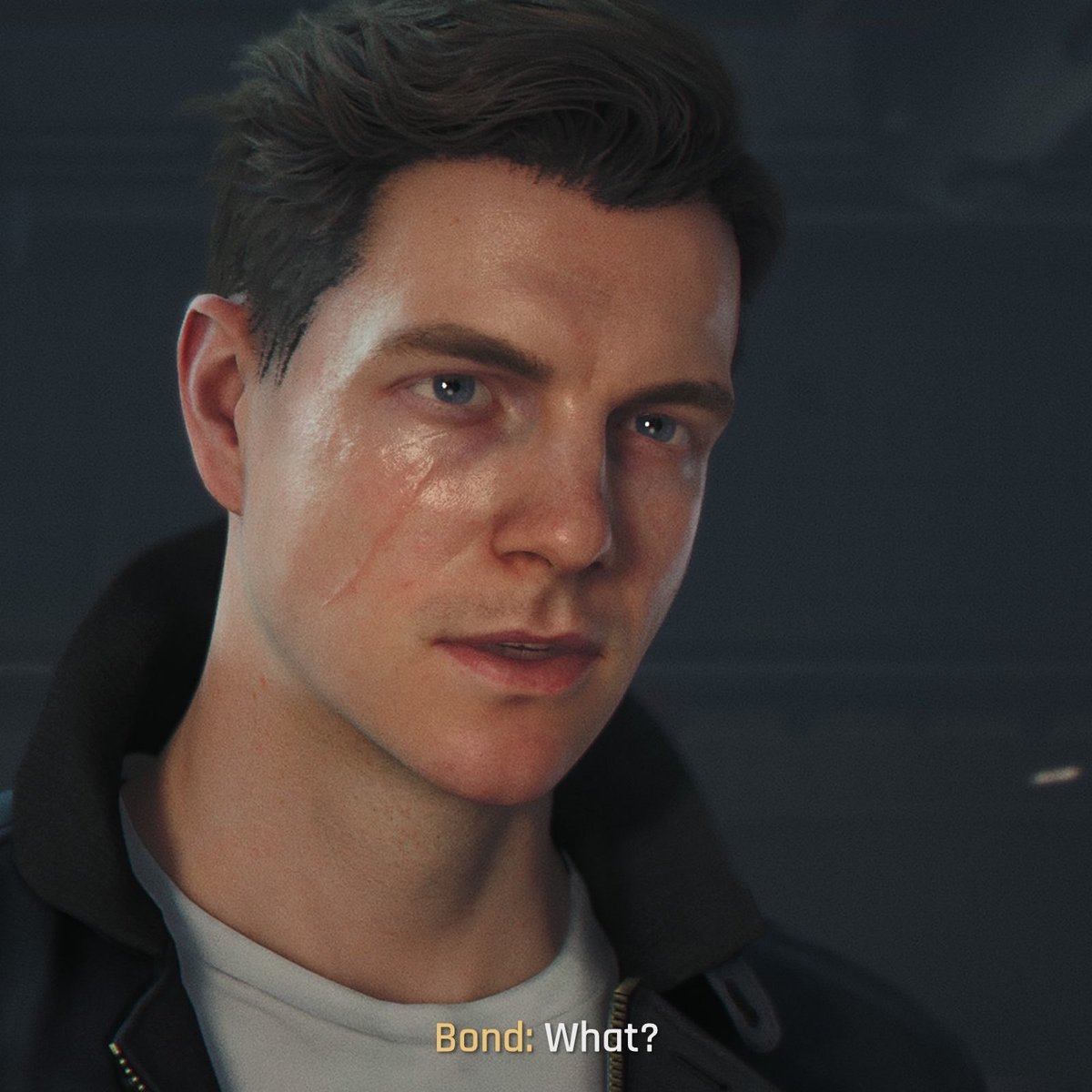
there’s no reason people shouldn’t view paddy gibson as the ideal candidate for the live action bond after 007. he’s got the looks, the charm and the mannerism down to a fine art. an incredible choice for bond
The man who wrote "Don't be evil" said he chose it specifically so it would be hard to remove.
Paul Buchheit, the engineer who later built Gmail, suggested the phrase at a Google corporate values meeting on July 19, 2001. About a dozen early employees were in the room, working through what their core values should be. The conversation had stalled on the kind of polite corporate statements that nobody disagrees with and nobody remembers.
Buchheit later explained why he picked those three words instead. He wanted something that, once you put it in there, would be hard to take out. He framed it as a jab at competitors who he felt were already exploiting their users.
Amit Patel, another engineer from the same meeting, scribbled the phrase on whiteboards across the company for months until it stuck. It went into the founding letter of the 2004 IPO prospectus. It sat at the top of the corporate code of conduct for seventeen years.
Then in 2018, Google quietly removed it from the preface.
The timing is the part everyone forgets. In March of that year, internal documents leaked showing that Google had signed a Pentagon contract called Project Maven, building AI to analyze drone footage. By April, over 3,000 Google employees had signed a letter to Sundar Pichai demanding the contract be cancelled.
The letter specifically cited "Don't be evil" as the standard the company was failing to meet. Dozens of engineers resigned in protest.
Sometime between late April and early May, the slogan disappeared from the code of conduct's preface. A Gizmodo reporter caught it by comparing Wayback Machine snapshots. Google never announced the removal.
What I find clarifying about the sequence is what it means structurally. The motto was designed in 2001 by an engineer who wanted a sentence his bosses could not erase if the company drifted. Seventeen years later, with the company being publicly accused of building drone targeting AI, his own employer responded by quietly erasing the sentence.
He had been right about exactly one thing. The phrase was hard to take out. It took a Pentagon scandal to do it.
Buchheit, who left Google in 2006, is now a partner at Y Combinator. He has not commented publicly on the removal.
Clickbait. Everybody got their autograph and selfie, the passage to the hotel was kept free for guests, and I still got to the airport on time. One man, no security. Handled. What’s your problem ?
Teenagers have started calling AI art "boomer art" and consider it cringe, and YouTubers have stopped using AI-generated thumbnails because teenagers find them cringe and won't click on them. I honestly couldn't be happier.