Africa stands at a defining moment. We need a visionary, a leader with courage, experience, and a deep commitment to Pan-Africanism. That leader is @RailaOdinga. His lifelong fight for democracy, justice, and regional integration makes him the best choice to lead the AU Commission.
Raila Odinga has always championed African solutions for African challenges. His leadership will usher in a new era of unity, economic progress, and bold diplomacy.
I urge all AU leaders to elect this legendary statesman. Africa deserves his leadership! #RailaForAUC #AfricanUnity
The Mayor of Lasanod, Mr. Abdulqadir Ahmed Aw Ali, commonly known as Firdhiye, recently shared his thoughts on an article that referred to Somaliland as a clan-state. In his remarks, he emphasized several points that need clarification and correction to accurately represent the situation. It is essential to address these inaccuracies before engaging in a broader discussion about the content and implications of the article. This is particularly important considering the false information and nature of the topic, as well as its impact on the community in Lasanod and beyond.
The reference point for this declaration can be traced back to June 26, 1960, the date when Somaliland gained its independence from British colonial rule. This independence was a significant moment in the region's history, as it marked the beginning of self-governance before the eventual unification with Somalia.
The specific clans involved in the foundational agreement include: [list of clans]. This collective effort aimed to establish a stable and independent governance structure, reflecting the aspirations of the Somaliland people for self-determination and sovereignty. The clans that participated in this foundational agreement are as follows:
1. The Isaaq Clan
2. The Gadabursi Clan
3. The Dulbahante Clan
4. The Warsangali Clan
5. The Eiisa Clan
6. The Akisho Clan
7. The Madigan Clan
8. The Gaboya Clan
Each of these clans is integral to the governance of Somaliland, demonstrating unity and shared goals focused on the region's stability and prosperity.
Notably, the Dulbahante Clan holds a significant role within the government structure. While you maintain a presence in Lasanod, reportedly supported by fighters affiliated with Al-Shabaab, it's important to acknowledge the representation and contributions your Clan has within Somaliland's governance, which includes:
1. Chairman of the Somaliland Parliament - A vital position in leading legislative processes and policies.
2. Vice Chairman of the House of Elders (Senate) - Plays a crucial role in advising legislation and representing regional interests.
3. Five ministers in the cabinet - Responsible for overseeing various government departments and implementing public policy.
4. Five Directors General, along with numerous civil servants - Overseeing key governmental functions and administrative tasks.
5. six generals in the Somaliland Armed Forces - Leading and strategizing for national defense.
6. More than 3,000 soldiers in the military - Contributing to the security and stability of the region.
7. The Head of Somaliland Immigration and Border Control, - Leading crucial efforts in managing immigration and border security (General Mr. Hirane)
8. Representation in both Houses of Parliament - Ensuring that diverse views and needs of the population are addressed in the legislative process.
9. all the business people and the Dhulbahante elite and scholars are in Hargeisa and other towns
10. more than 500 student are in Hargeisa , Borama and Burao attending the universites
Regarding your article, we must express our concern that it reflects a narrative steeped in unfounded propaganda rather than grounded in the reality faced by the people of Lasanod and Somaliland at large. The political landscape is well understood by Western countries, East African nations, and the broader international community, all of whom are aware of the dynamics in Lasanod. Therefore, we consider your assertions to be without merit.
In conclusion, we believe it is imperative to recognize that Somaliland, regardless of differing opinions, is on a path toward gaining recognition as a sovereign member of the international community. We appreciate the opportunity to clarify these elements and urge a more accurate portrayal of the current situation.p To provide further clarity, Somaliland was officially established and formalized on May 18, 1991, through a historic agreement known as the Somaliland Declaration.
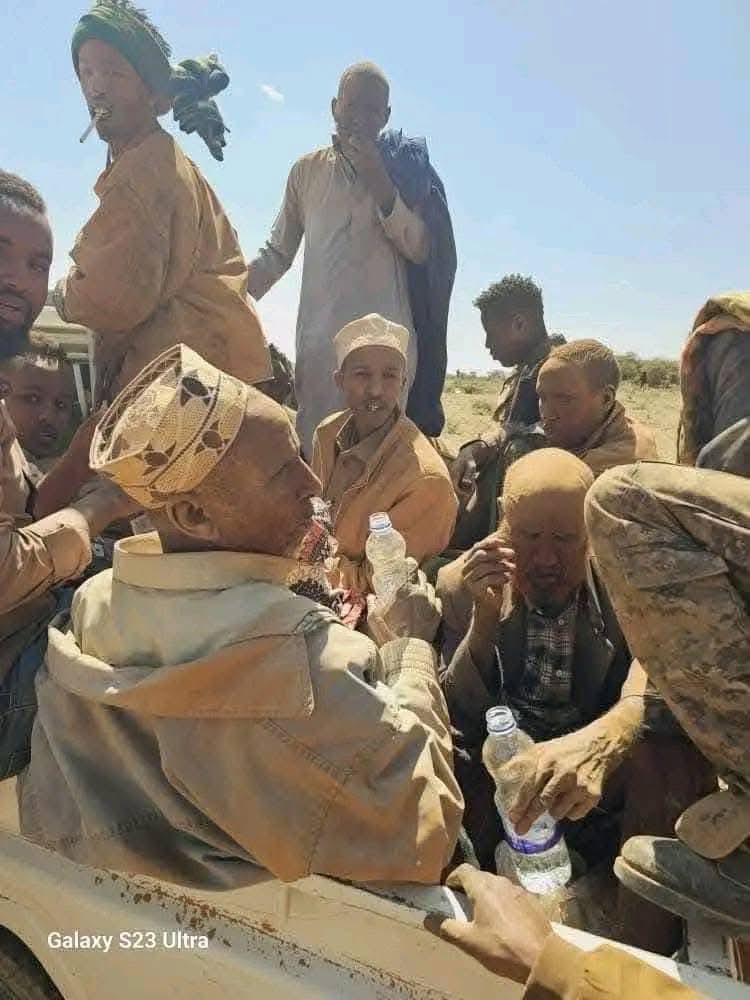
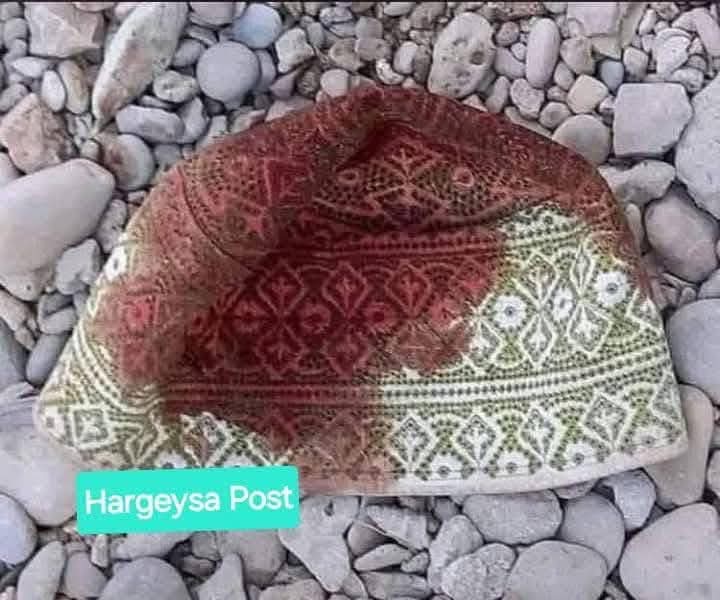
I condemn the heinous attack of Liyu Police against the traditional leaders in Dacawaley in DDS. President @Mustafe_M_Omer should intervene immediately & take decisive action to resolve the deadly situation that costed many civilians killings.
**President of the Republic of #Somaliland, H.E. Muse Bihi Abdi, Reaffirms Somaliland and Ethiopia’s Commitment to Implementing Bilateral Agreement**
Hargeisa, Somaliland – President of the Republic of Somaliland, H.E. Muse Bihi Abdi, announced that Somaliland and #Ethiopia are determined to move forward with the implementation of their recently agreed-upon bilateral accord. While he confirmed that the agreement will be put into effect, he refrained from specifying a timeline for its execution.
In an interview with Al Arabiya TV, a Gulf-based news network, and monitored by the Somaliland News Agency (SOLNA), President Bihi expressed confidence that Somaliland will gain international recognition, whether in the near or distant future.
Discussing the agreement with Ethiopia, President Bihi emphasized that it promises significant economic benefits for the Horn of Africa. As part of the accord, Ethiopia has agreed to recognize Somaliland’s independence and, in return, will lease a naval base from Somaliland. He described the agreement as a partnership based on mutual interests.
The president also highlighted strong domestic support for the agreement, stating that both the people of Somaliland and its political leadership see the deal with Ethiopia as crucial for Somaliland’s future.
Reflecting on the historical context, President Bihi noted that Somaliland and Somalia were once two independent nations that united in 1960. However, that union collapsed after 31 years, following a period of conflict and genocide against the people of Somaliland. He recalled that in 1991, Somaliland's elders convened a national conference to reclaim the country’s independence, reaffirming Somaliland’s statehood based on the will of its people, who remain committed to their sovereignty.
The president further remarked on Somalia’s continued recognition by Arab League nations, which he criticized for ignoring Somaliland. He expressed frustration with these countries for publicly stating that "Somaliland is not recognized" while failing to engage with the region.
President Bihi also emphasized Somaliland’s long-standing efforts to secure its independence over the past 34 years. He contrasted Somaliland’s stability with the ongoing turmoil and security issues in Somalia, where militant groups like Al-Shabaab and ISIS continue to operate. He affirmed that Somaliland’s coastline remains free of piracy and terrorism and open for global trade.
The president vowed that Somaliland would defend itself should Somalia attempt any form of aggression.
In response to a question regarding Somaliland’s recent closure of Egypt’s cultural center, President Bihi explained that Egyptian President Abdel Fattah el-Sisi had spoken of restoring the “unity of Somalia.” Bihi dismissed this claim, suggesting that President el-Sisi should be asked to clarify what he meant by a “unified Somalia.”
Finally, President Bihi addressed the delay in Somaliland’s elections, acknowledging that his five-year term had expired and the presidential election was two years overdue. He expressed optimism that the elections, scheduled for November 13, 2024, would proceed peacefully, ensuring that the people of Somaliland can freely choose their next leader.
Yusuf, walked a gruelling 75 km from Goof to #Erigabo with his four camels he wanted to sell in the market, only to find himself left high and dry without anything in his pocket to take back home.
@RadioErgo’s reporter @IbnuDable visited #Sanag to cover #livelihood stories.
Radio Ergo News Headlines:
#Banadir: Wall painters put out of work by printed banner substitutes move families to rural areas for better life
#Somalia: Discussion about sustainable solutions to water scarcity driving families out of villages
Radio Ergo News Headlines
#Mogadishu: Local youth and diaspora raise funds to reopen school in Barlin camp after Radio Ergo reported its closure
#Mudug: Nomadic pastoralists lose their camels in unidentified disease outbreak
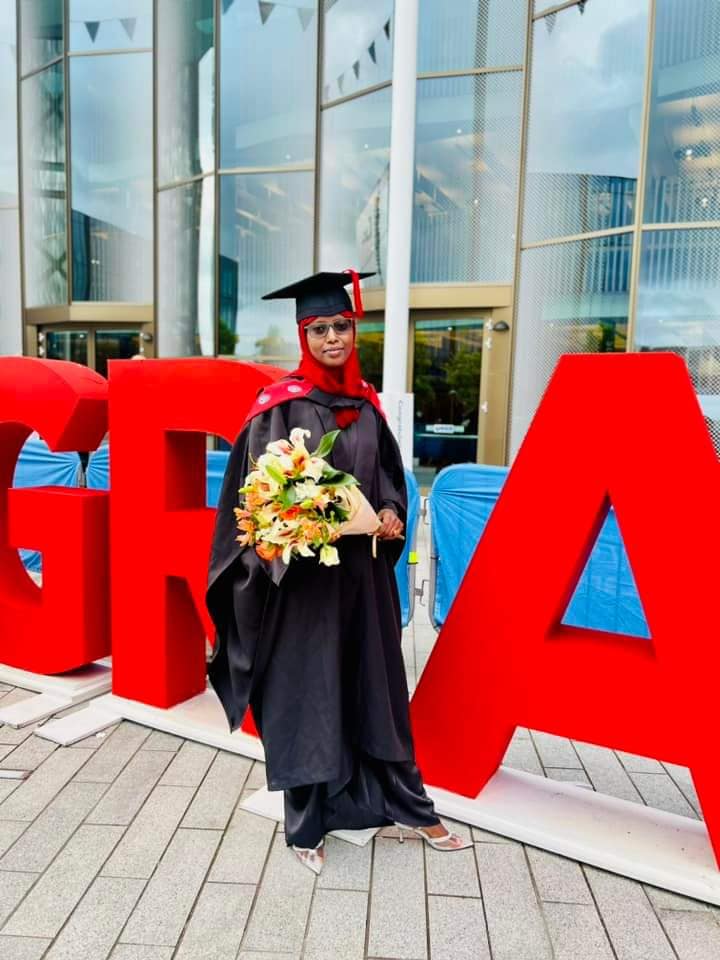
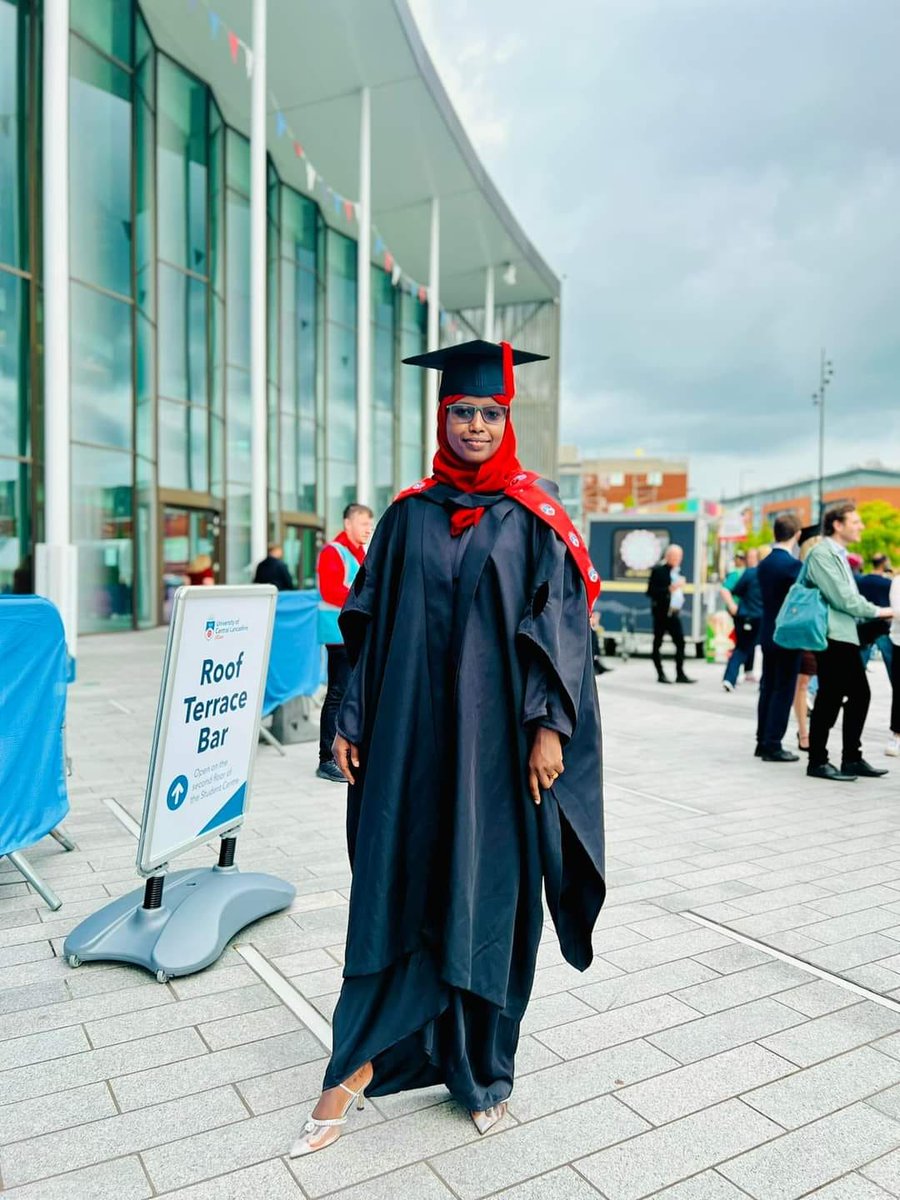
I am delighted to complete the wonderful journey of @UCLan’s @JILeaders programme. It has been a pleasure to interact with media decision-makers from the 🌎. Thank you @GoogleNewsInit for sponsoring me study and travel to SA🇿🇦. Thank you @IMSforfreemedia for UK🇬🇧accommodation.😊