Dear Jawar,
I read your recent post, ‘Are Somalis Marginalised Under the Current Ethiopian Government?’, with interest. I appreciate your concern, particularly your warning against turning the recent clashes around Moyale into a wider confrontation between two neighbouring peoples.
We agree on several important matters. The Borana and Garre communities have a long history of living alongside one another. Their local disputes should not become a conflict between Somalis and Oromos. I also agree that the Somali Region has experienced considerable improvements in stability, development, administration and political space over the past eight years. These gains are real, and we should recognise, celebrate, and protect them.
However, I disagree respectfully with the premise upon which much of your thesis rests.
Your title asks whether Somalis are marginalised under the present Ethiopian government. But this question cannot be answered( as you attempted) simply by comparing the region with its darkest history or with the suffering currently experienced in Oromia.
The Somali Region can be more stable, better governed and more prosperous than before, while still remaining marginalised within the Ethiopian state. These two realities are not contradictory, and they are currently going parallel.
Indeed, you acknowledge some of these shortcomings yourself. Our representation in the federal parliament remains inadequate, our participation in the federal military is disappointing, and genuine democratic representation remains unfinished business. These are fundamental questions of equality and citizenship, not minor complaints.
Having some senior positions in the ruling party does not necessarily mean that our rightful place in federal institutions has been secured, and I am glad you have nuanced this in your post.
You also quote an unnamed regional president who reportedly said that the Somali region which once demanded autonomy is now seeking more attention from the federal government. This may be an interesting observation, but I do not recognise it as both the political and strategic thinking of the Somali Region.
We have not abandoned our desire for autonomy, nor are we asking Addis Ababa to manage our affairs, absolutely NOT. We want meaningful regional autonomy alongside fair representation in federal institutions, and there is no contradiction between the two.
Your comparison with Oromia also deserves careful reading. The suffering of Oromo civilians, political prisoners and communities affected by conflict is deeply regrettable, and their rights matter, just as ours do.
But your argument risks creating a rather patronising and demeaning impression: that Oromia is suffering under a government associated with Oromo political ascendancy, while the Somali Region has enjoyed eight relatively peaceful years, and therefore Somalis should be grateful, remain quiet and avoid provoking the federal government.
You do not say this in those exact words, I am of course paraphrasing you, but this is the impression your comparison leaves with me. Surely, Jawar, we should not measure one community’s legitimate aspirations against another community’s suffering
There is another important distinction I believe your analysis has unfortunately overlooked.
In the final section of your post, you address Somali political actors outside Ethiopia. I agree that some commentators in Somalia, Kenya and the diaspora may exaggerate local conflicts or promote narratives that serve their own political and personal interests. But these voices should not be conflated with the political thinking of the people of the Somali Region.
Somalis as scapegoats
@Jawar_Mohammed is diverting attention from the real threat to Ethiopia’s unity.
For as long as modern Ethiopia existed, starting from the era of Emperor Menelik, one fatal birth defect it lived with is the fact that whichever ethnic group holds power in Addis Ababa behaves like the custodian of Ethiopian-ness and the protector of its unity. The Amharas did it when they were in power; the Tigrayans did it when they were in power; so there is nothing surprising that the Oromos are now turning out to be “the Better Ethiopians”. It is their turn, in this cruel political culture of pretensions and imperialist dreams.
There is also nothing surprising that the Somalis are now reminded of Siyad Barre and Greater Somalia irredentism. It's strange that Jawar and other ethnocentric Oromo leadership now blame Somalis, the victims of the recent aggression in Moyale.
The real threat is one ethnic group taking power at the center and trying to push ethnic interests as national interest. A clear case is Oromo expansionists now trying to use the same language Hailesellassie, Mengistu, and Meles Zenawi used against Somalis to occupy their land, and enslave them. Haileselasie in 60s accused Somalis of pursuing greater Somalis, a pretext to deny them rights & take their land. Zenawi added outrageous claims that Somali region was accommodating AlShabab to further their aims. Then came Abiy Ahmed's team that now make preposterous assertion that Somalis moved into Moyale in late 1990s as refugees and are expansionists.
Communities in Ethiopia have always sought to achieve equitable rights, including the right to secession. Somalis fought since 1994 through ONLF to secede. Although the 1994 Constitution allowed secession through referendum, this right was not granted. Eritrea fought for secession from 1962 through ELF and was nonetheless granted secession in 1993. Oromos have pursued the goal of secession through OLF for 50 years. In recent years, the Tigrayans and Ahmara have similarly challenged the country's pan-Ethiopian centralism because the shoe is now on the other foot!
Somalis are the third largest ethnic group but the political representation they have is incomparable to other ethnic groups with lesser population, such as Sidama or Gurage, but Jawar glosses over this marginalization. No, Mr Jawar, it is their right to get fair political representation, and not a favour.
Their improved political and security situation cannot be used to dispossess them of their land, nor can they be returned to the slavery they endured under successive Ethiopian regimes. Development of their region in recent years isn't a special gift but a right that spans the whole country. It is mischievous for Jawar to single out the Somali region for his baseless assertions.
@faisalroble19@FarahMaalimM@aliiroba
Ayub Abdikadir of Citizen TV has a bombshell regarding President Ruto’s response to former President Uhuru Kenyatta. Someone needs to be sober to sustain this tackle.
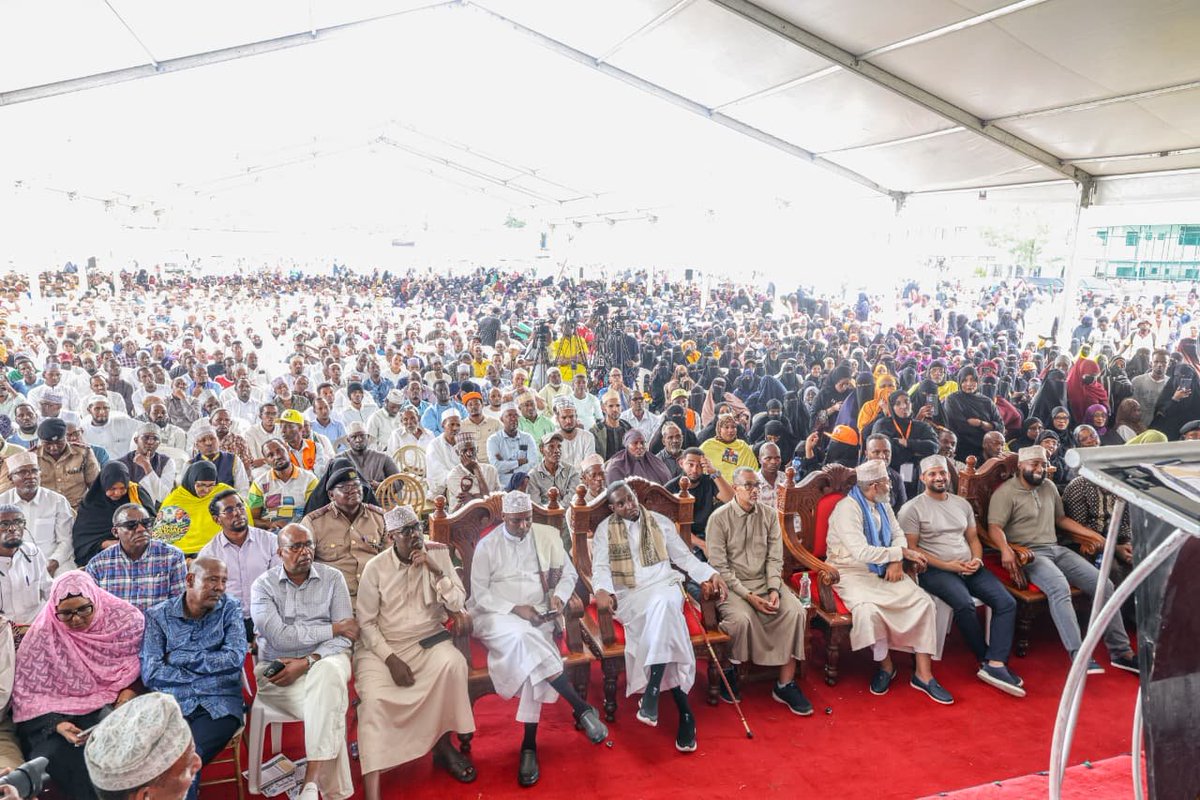
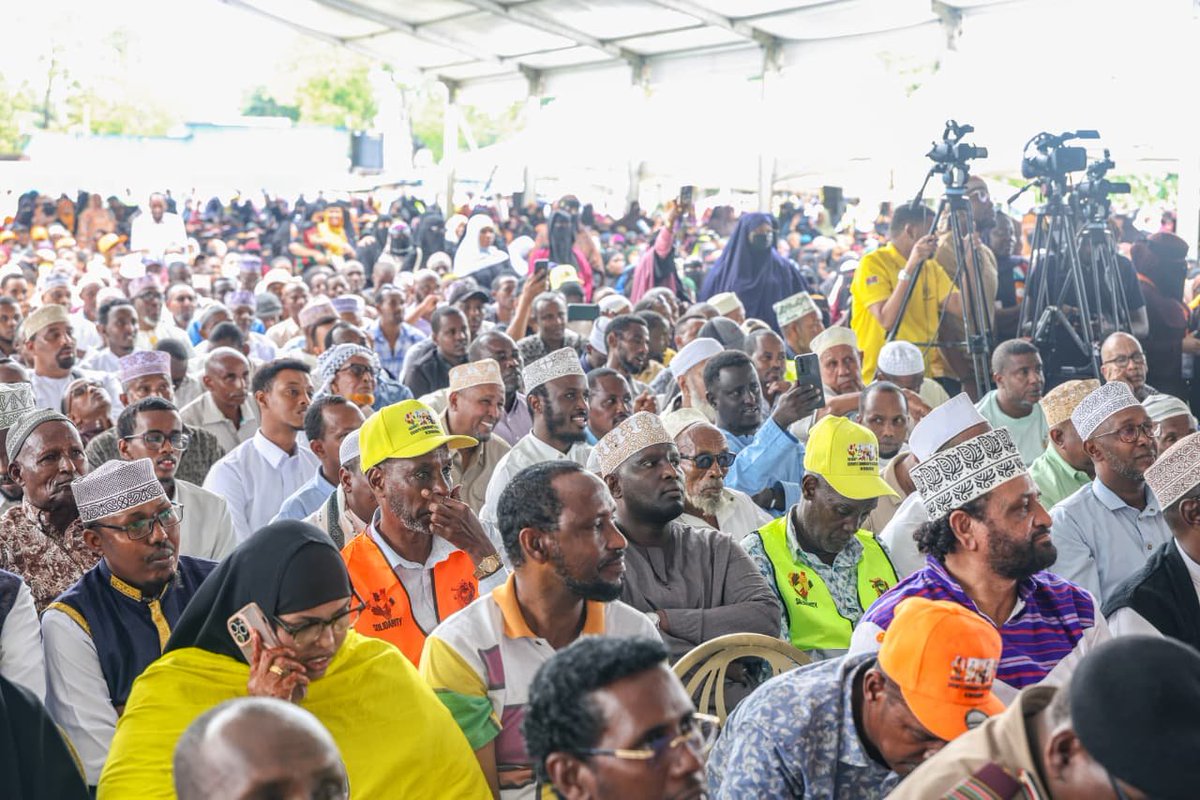
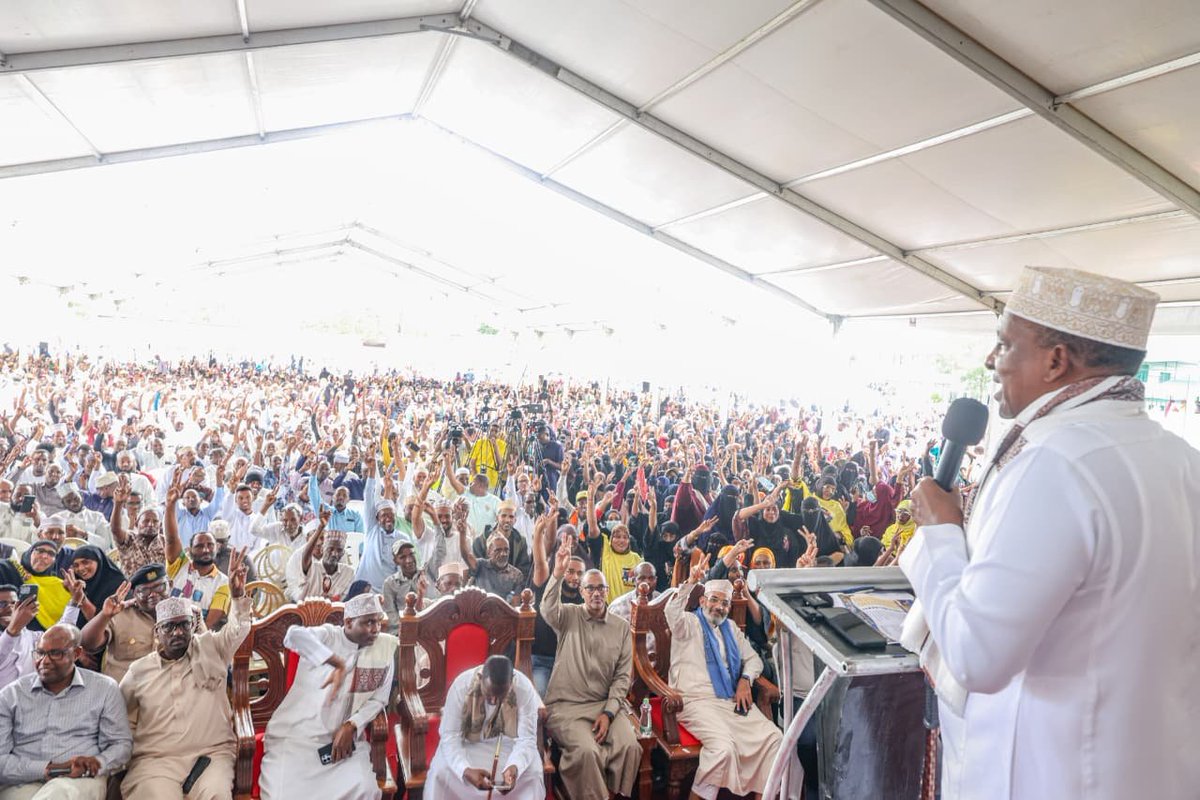
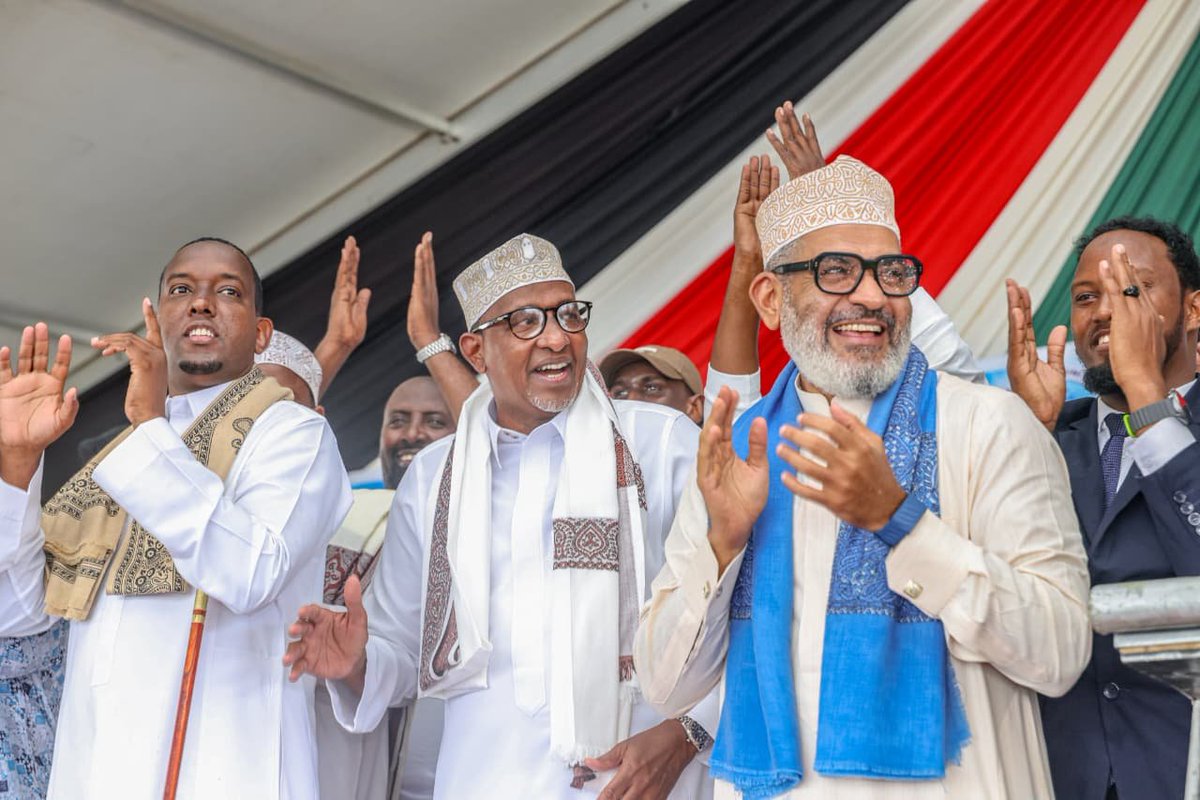
Presided over a community engagement forum at Serani Grounds in Mombasa County, bringing together members of the Cushitic communities for discussions on civic participation, access to public services and community development.
The forum featured registration desks for national identity cards and the Social Health Authority (SHA), attracting a strong turnout from residents.
I inspected the registration booths and witnessed the enrolment process firsthand.
In my address, I urged the Cushitic communities to participate actively in Mombasa's democratic processes by voting and fielding candidates to strengthen their representation in leadership.
I also called for greater unity and integration among communities as a foundation for social and economic progress.
Further, I highlighted measures and projects by the current administration, including the removal of vetting requirements for citizenship and travel documents, the Lamu–Mandera road corridor, affordable housing initiatives in Northern Kenya and the expansion of Universal Health Coverage (UHC) through SHA.
I also cited the reported registration of more than 32 million Kenyans under SHA and the disbursement of more than KSh200 billion to health facilities, supporting hundreds of thousands of surgeries.
I further urged leaders from previous Administrations to allow the political process to proceed without undue interference, while reflecting on the events surrounding the 2022 General Election and the political contestation at the Bomas of Kenya.
The forum was attended by host Governor H.E. Abdulswamad Sharrif Nasir, Mombasa Woman Representative Hon. Zamzam Mohammed, PS Ahmed Abdisalan (National Government Coordination), businessman Abubakar Ali Joho and Members of Parliament Hon. Mohammed Adow (Wajir South), Hon. Hussein Barre (Tarbaj) and Hon. Mohamed Abdikheir (Lafey), alongside security and National Government Administrative Officers (NGAOs).
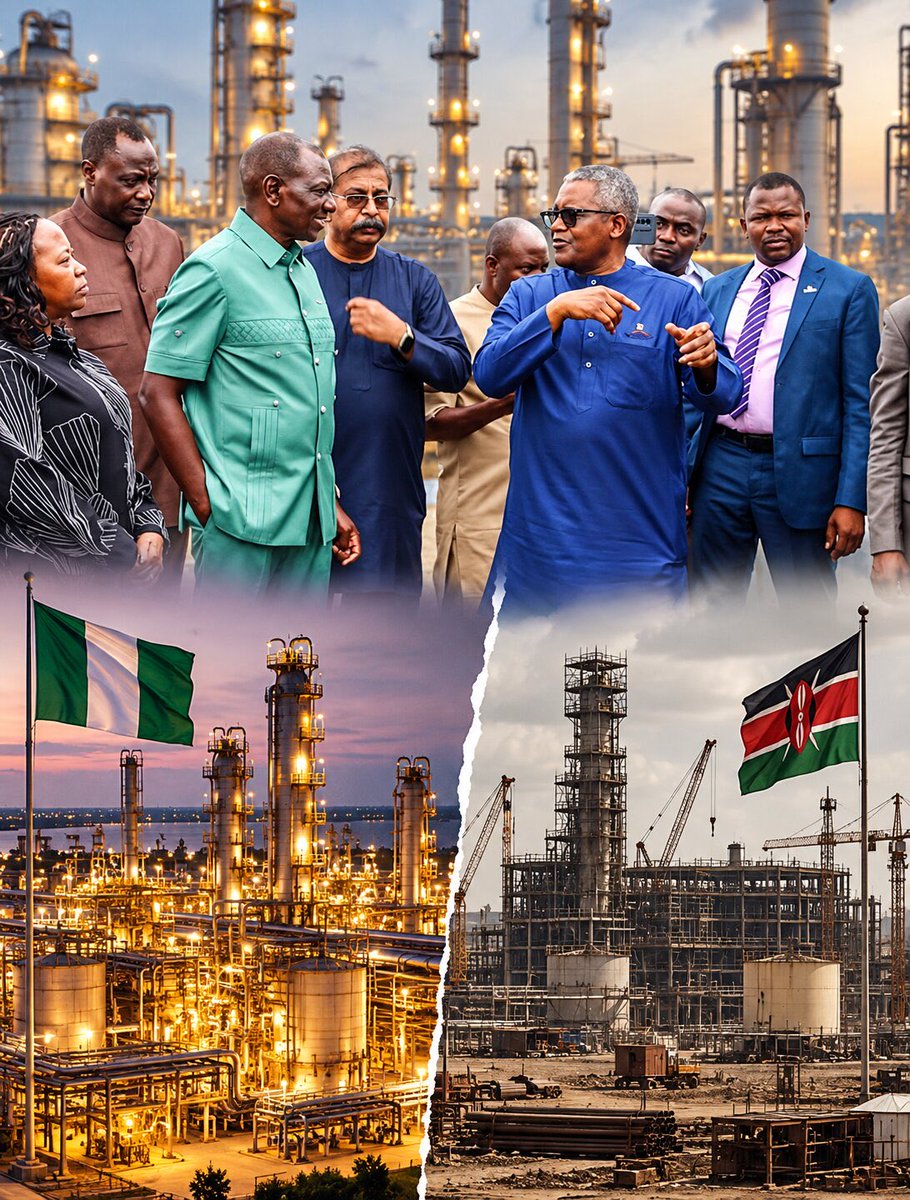
The Lamu Oil Refinery project will create over 60,000 jobs during its construction and operational phases. President Ruto and Aliko Dangote are ready for the launch on 30 September.
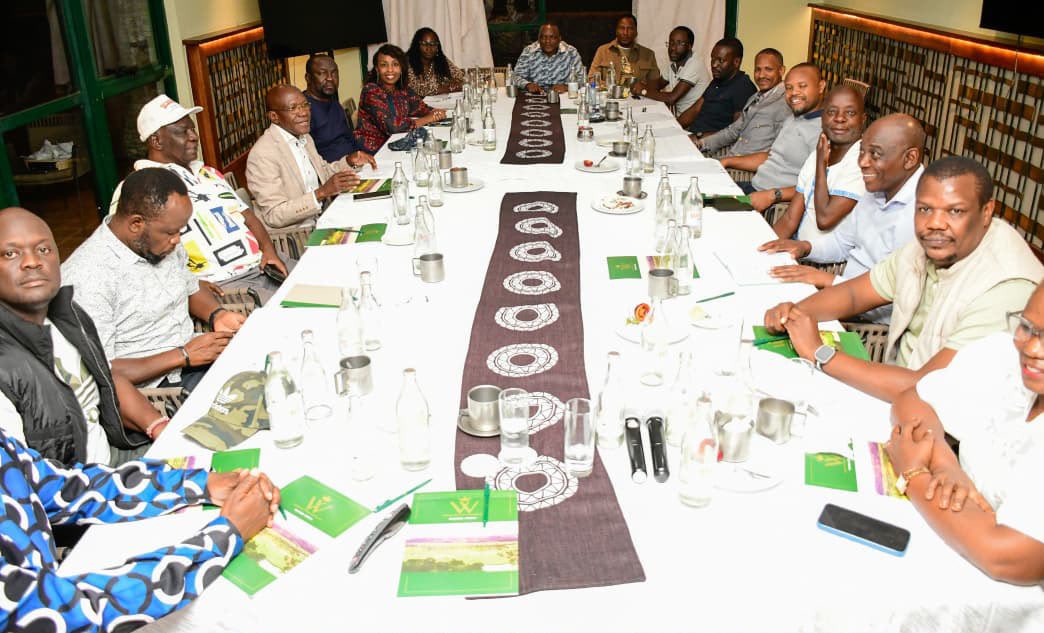
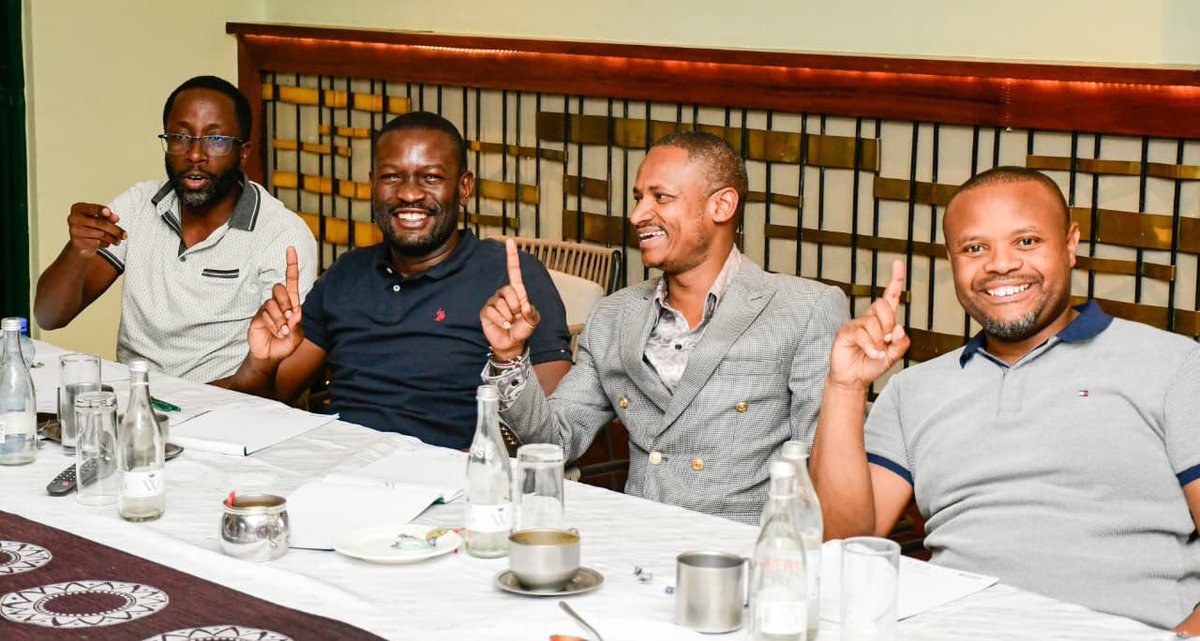
Linda Mwananchi had a meeting today
It took 10 hours yawa! Anyway the agreement is this!
Sifuna is the PRESIDENTIAL CANDIDATE
BABU is the GUBERNATORIAL CANDIDATE
As for parties, they have agreed Kila mtu aunde kiosk yake under LINDA MWANANCHI MOVEMENT
Goal is unanimous. WANTAM!
Eish, finally I can resume being Maverick. Karibu nilikuwa napata ulcers
Frame 2, Ona body language ya Natembeya. Therein lied the MOLE. Him and Wamboka better align with the Majority!
SifuBabu hadi Debe!
The uncomfortable truth:
Gen. Burhan represents, for many Sudanese, a determination to defend Sudan’s sovereignty against foreign interference.
Humble. Discipline. Determined.
Sudan’s destiny must be decided by Sudanese.
David Bird says comparisons with cheaper US refiners overlook Dangote’s advantages: proximity to crude, cheap gas, and a huge import-dependent market. The real test will come when the refining cycle turns.
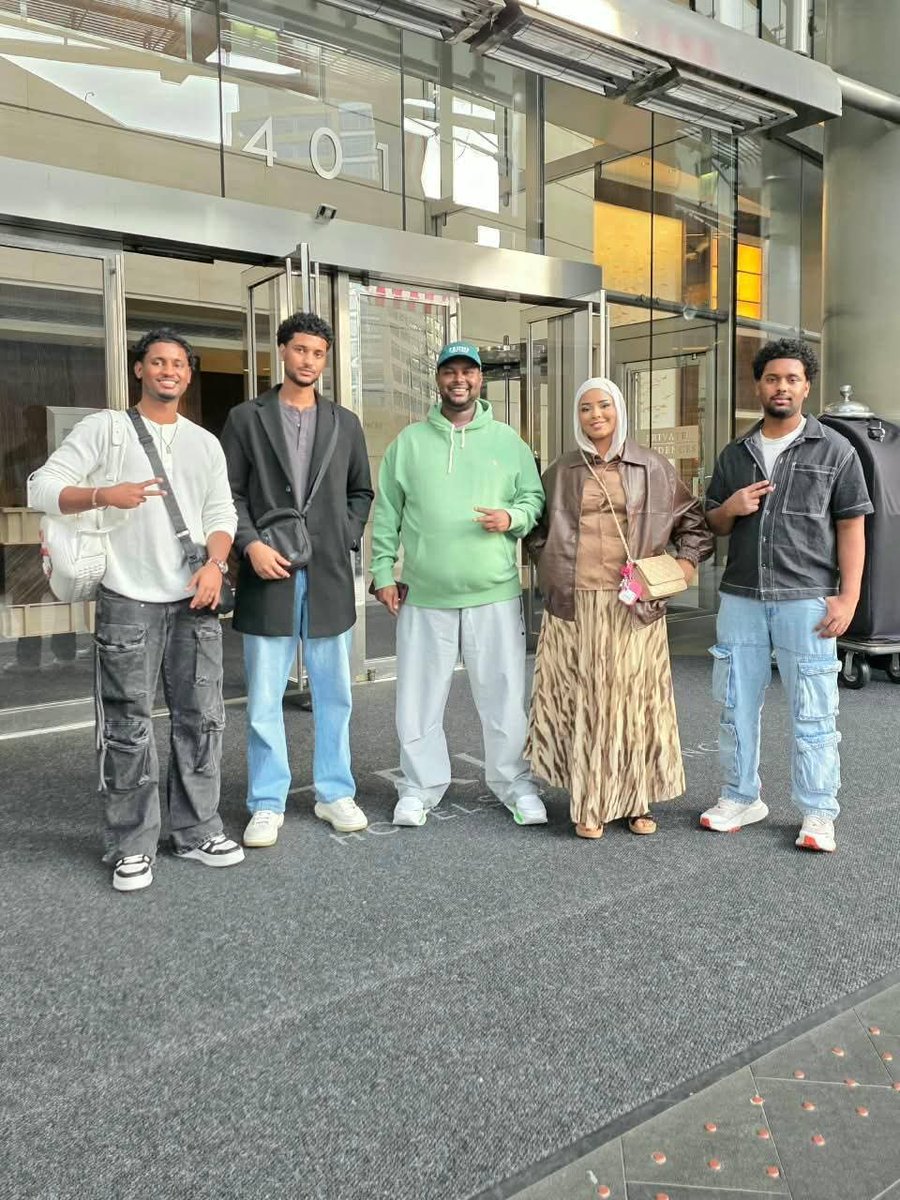
Billionaire industrialist @Oketch_Salah is now in Chicago, at the iconic Trump Tower, ahead of the Presidents Cup PGA Finals.
After the tournament, he is expected back in Kenya for a series of business engagements, alongside activities linked to President Ruto’s re-election
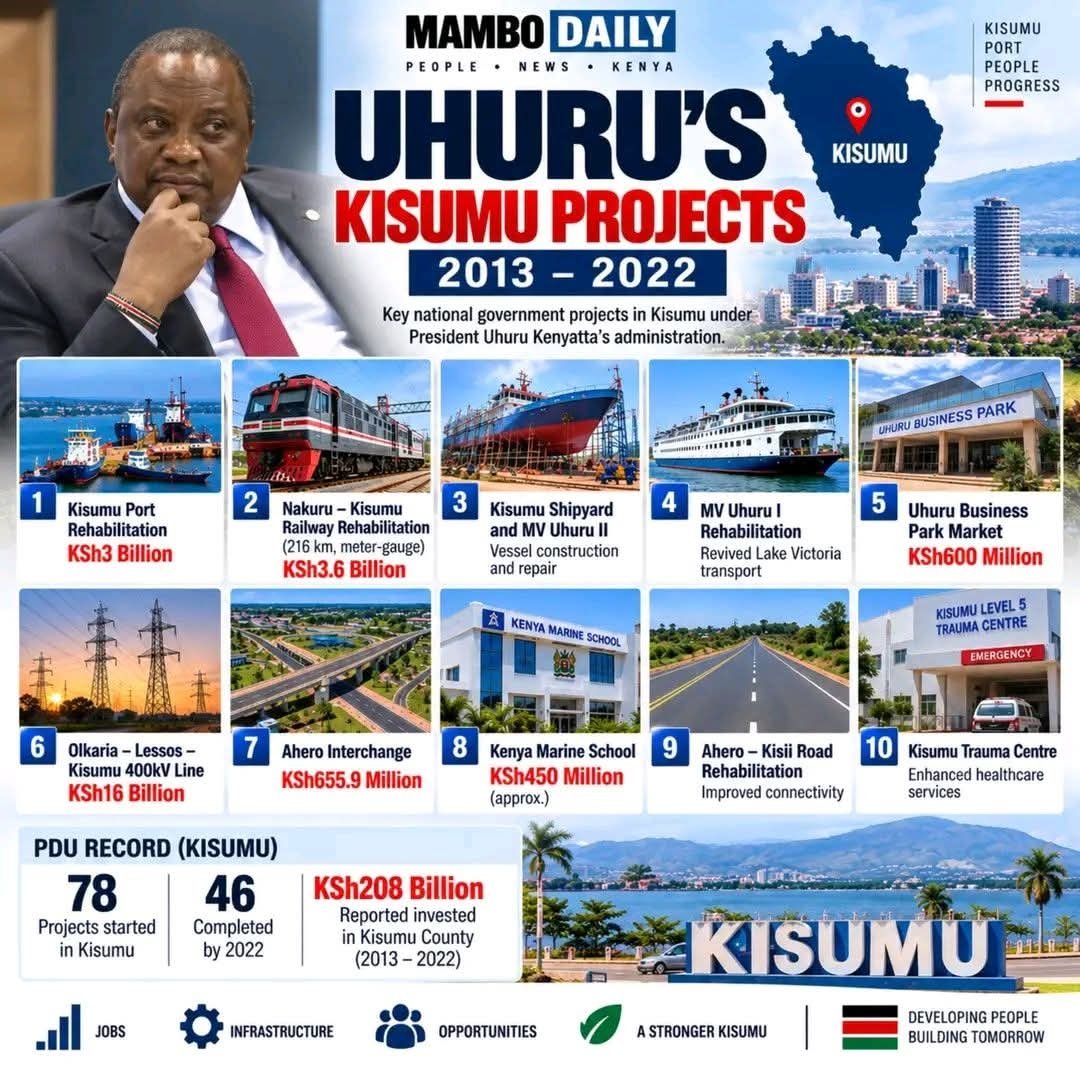
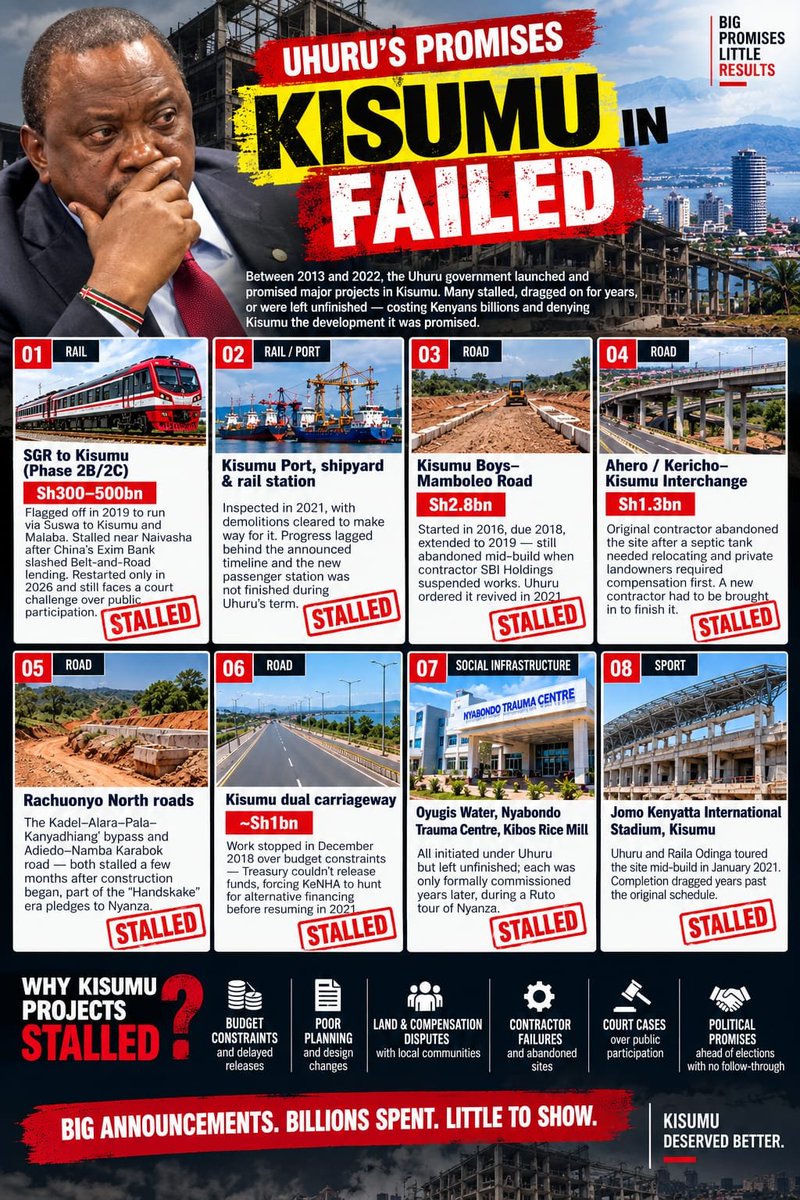
The Uhuru-Raila handshake sold Luo Nyanza big promises and big projects.
Many were later stalled or abandoned.
Then Ruto came in and started picking up projects and delivering on the ground.
People can argue politics all day, but wananchi know one thing: development is seen, not promised.
Prof Herman Manyora has decided to dedicate the remainder of his life to doing the Lord's work, as he waits for the second coming of Jesus Christ. Watu wengi watafika 2027 kama wamechoka.
Zionists lie. That's all they do. Lie shamelessly. That's what the chief Zionist did in the UN. All of these lies are intended to hide the #GazaHolocaust.
While Kenya’s mainstream media was busy showing silly gossips by Gachagua while he’s roasting mutura in America; the World stood in ovation to the earthshaking address by President @WilliamsRuto during the United Nations General Assembly in New York.