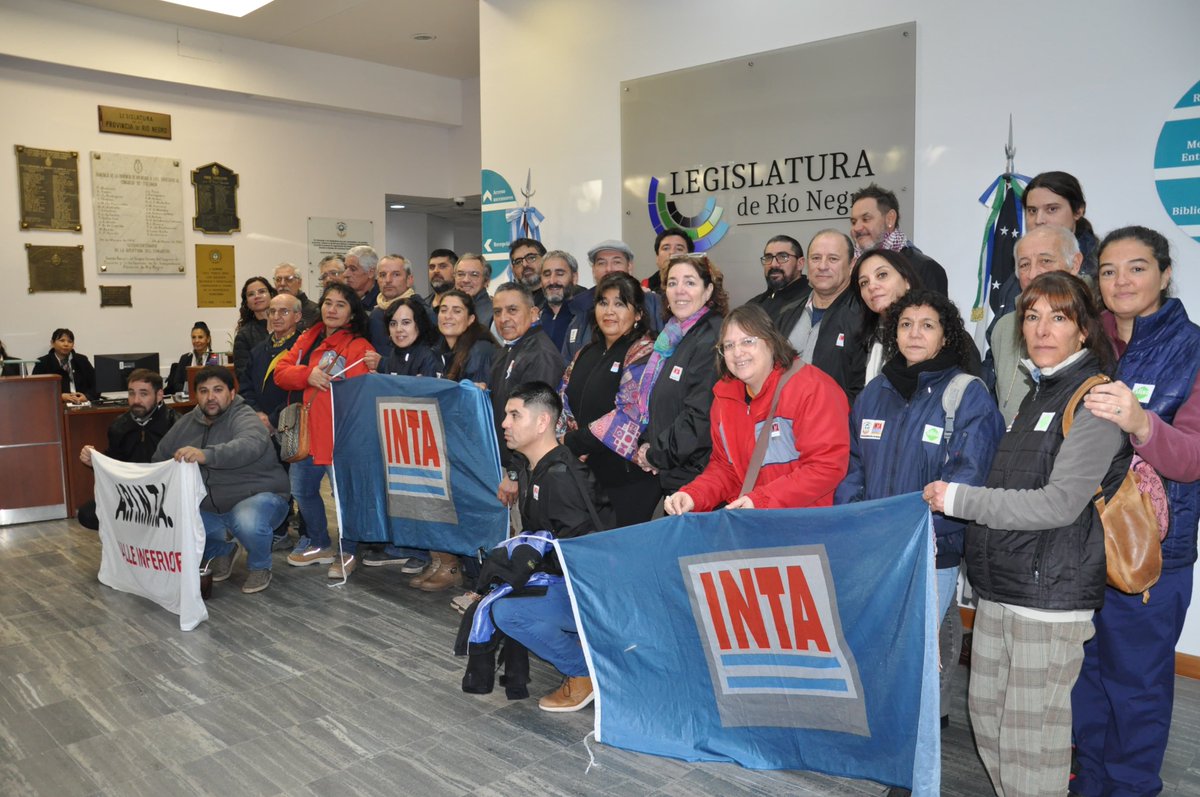
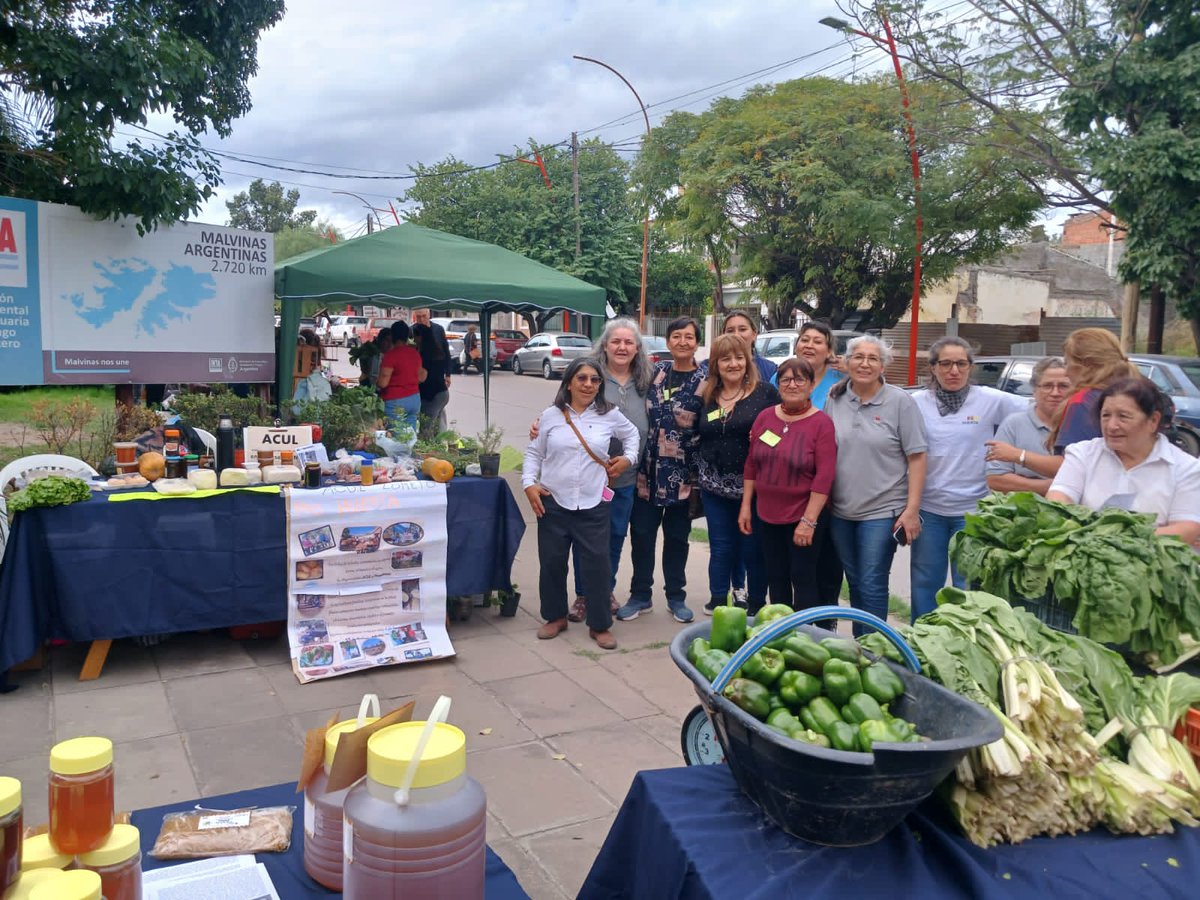
1/7🇦🇷 El INTA es una comunidad clave para el desarrollo nacional:~400 becarios, ~850 en planta no permanente y~5 200 en permanente. Técnicos, profesionales y administrativos sostienen #INTA día a día🌱 👇Descubrí por qué cada rol es fundamental en @intaargentina#NoDestruyanINTA
Somos el #INTA 🇦🇷
Investigamos, escuchamos, acompañamos.
De la Antártida a La Quiaca, en cada rincón del país.
Codo a codo con productores, empresas, técnicos y comunidades.
Comprometidos con alimentos sanos, de calidad, para Argentina y el Mundo 🇦🇷 #NoDestruyanINTA ❤️
Ahora solo falta que se pronuncie Aapresid: Como las universidades y la Mesa de Enlace, también los Grupos CREA expresaron "preocupación" por el avance del gobierno sobre el INTA
https://t.co/Bvoq9tIAcm
🧑🌾Un dato relevante es que esta tecnología es de acceso libre y apropiable para productores y técnicos que trabajan en ese cultivo.
📝Mas información @IgnacioCazon1
Doctor en Fitopatología del #IPAVE
Excited to share the latest review on Peanut Smut published in Plant Disease Journal!
This is the result of years dedicated to studying this disease, and a key part of my PhD research.
Feel free to read and dive deeper into this interesting disease 🥜
https://t.co/Xt6wPWlBuR
Fortaleciendo vinculos #mani@CotagroAR@IgnacioCazon1 y Noelia Gonzalez
Investigadores del IPAVE-CIAP presentaron resultados de ensayos de aplicación de productos para el control del carbón del mani.
📣New preprint📣
Optimizing visual estimation of peanut late leaf spot severity with online training sessions and standard area diagrams.
https://t.co/MDbl8eMwBP
Thanks @Juan_A_Paredes, @edelponte, Cinthia Conforto, Noelia González and Lautaro Suárez!
I just published: 7 random unsolicited tips for students and early career researchers
You might not want to hear them, but here they are anyway.
https://t.co/ZN9y6PcC2M
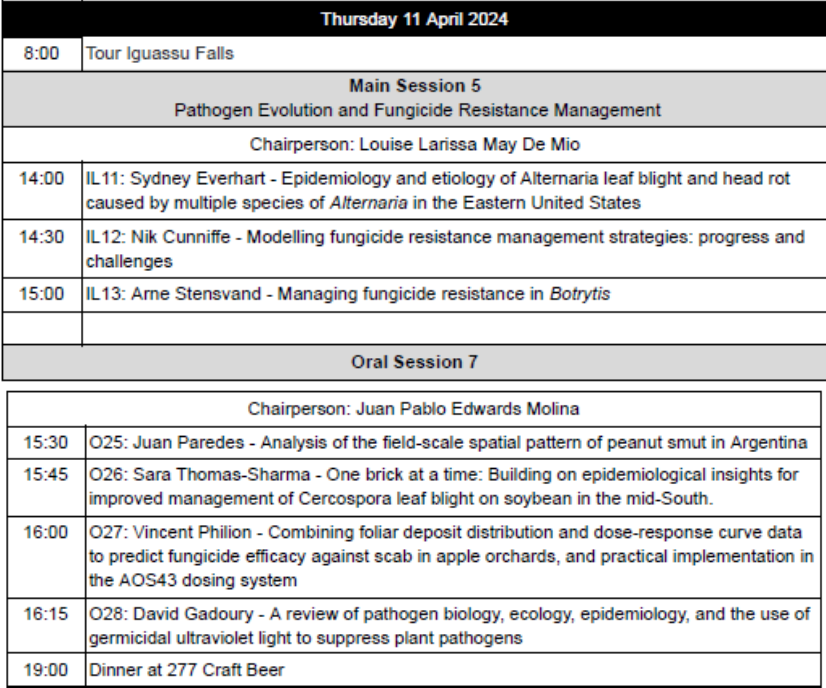
🥜#INTA#CIAP participó del 10° encuentro del circuito del maní, donde cada año se reúnen especialistas en la temática para intercambiar los avances científico-tecnológico en la producción del cultivo de maní.
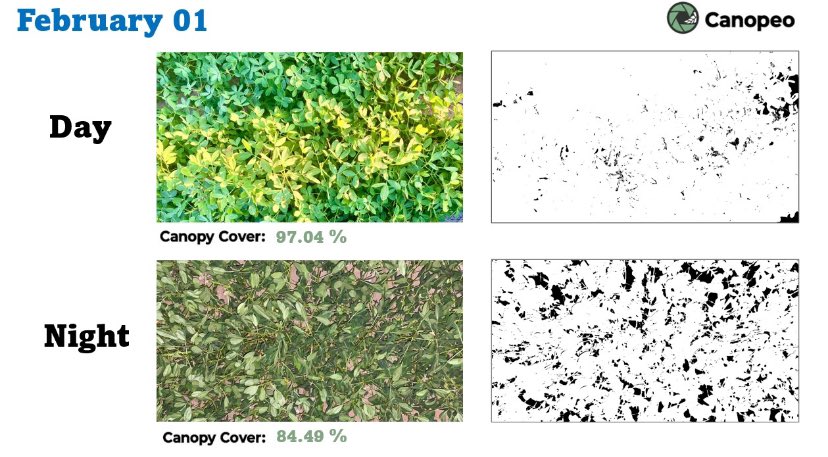
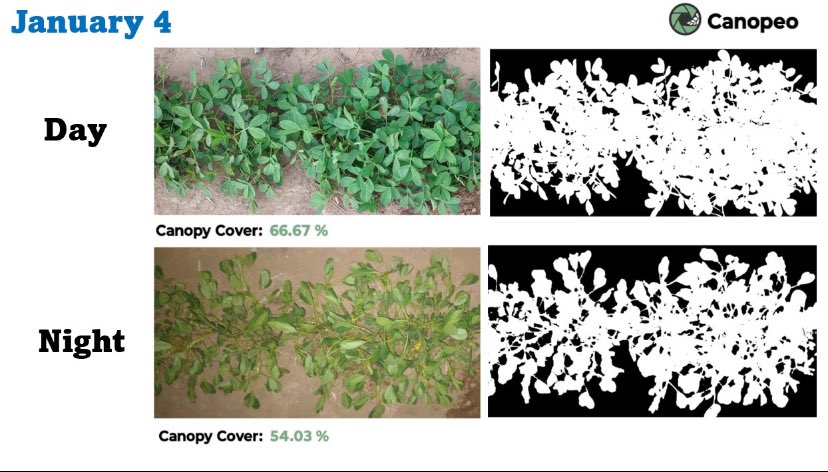
Interesting fact!💡
Night sprays are crucial for controlling peanut smut with fungicides. 🍄🌱🌙 The lower canopy cover at night, due to peanut leaf nyctinasty, enables drops to reach the soil, targeting where smut infects the pegs. 🥜
@canopeoapp@intaCIAP#peanut#fungicide
"Decoding peanut smut: A bibliometric analysis of two decades of research progress".... Our last paper in Tropical Plant Pathology! Thanks to @intaCIAP and @FundacionMani for the support!
https://t.co/j21U11kC70
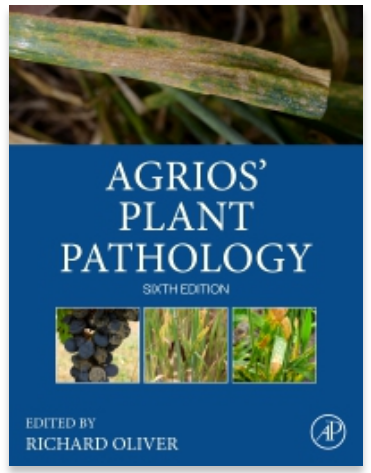
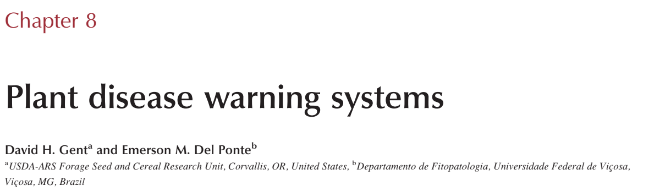
Delighted to share that I've had the privilege of contributing 3 chapters to the upcoming 6th ed. of Agrios' Plant Pathology led by @RichardPOliver
Big thanks to @DavidGent18, @mizubuti, Clive Bock, and Anne-Katrin Mahlein for the collaboration!
https://t.co/HCJfLFabOu
R4PDE update:
The magic ✨ using pliman pkg to measure disease severity in multiple targets (leaves) per image using measure_disease_byl() function.
Thanks @tolivoto for the hard work!
https://t.co/bwv9dMoc2Z
A few days ago: Training system for the visual estimation of peanut leaf spot, at the XXXVIII Jornada del Maní. The #TraineR2 app, by @edelponte, proved to be a great tool to increase the precision in severity estimations. @intaCIAP was present in the conference 👏💪
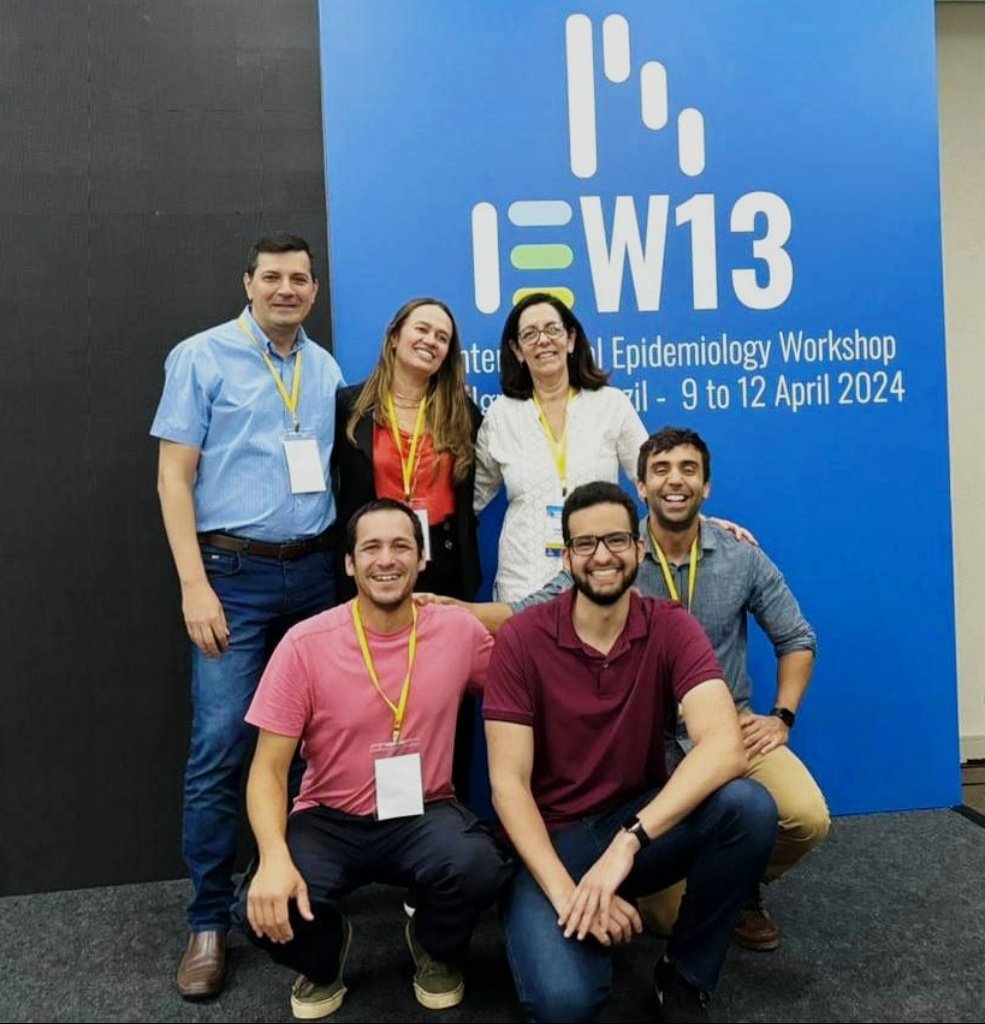
Time is ticking ⏰! Early bird registration for the 13th International (Plant Disease) Epidemiology Workshop #IEW13#Brazil ends in just 2 months!
Secure your spot at a discount AND get ready to submit abstracts for poster or oral presentations.
🔗https://t.co/3J5ZPcOEWj
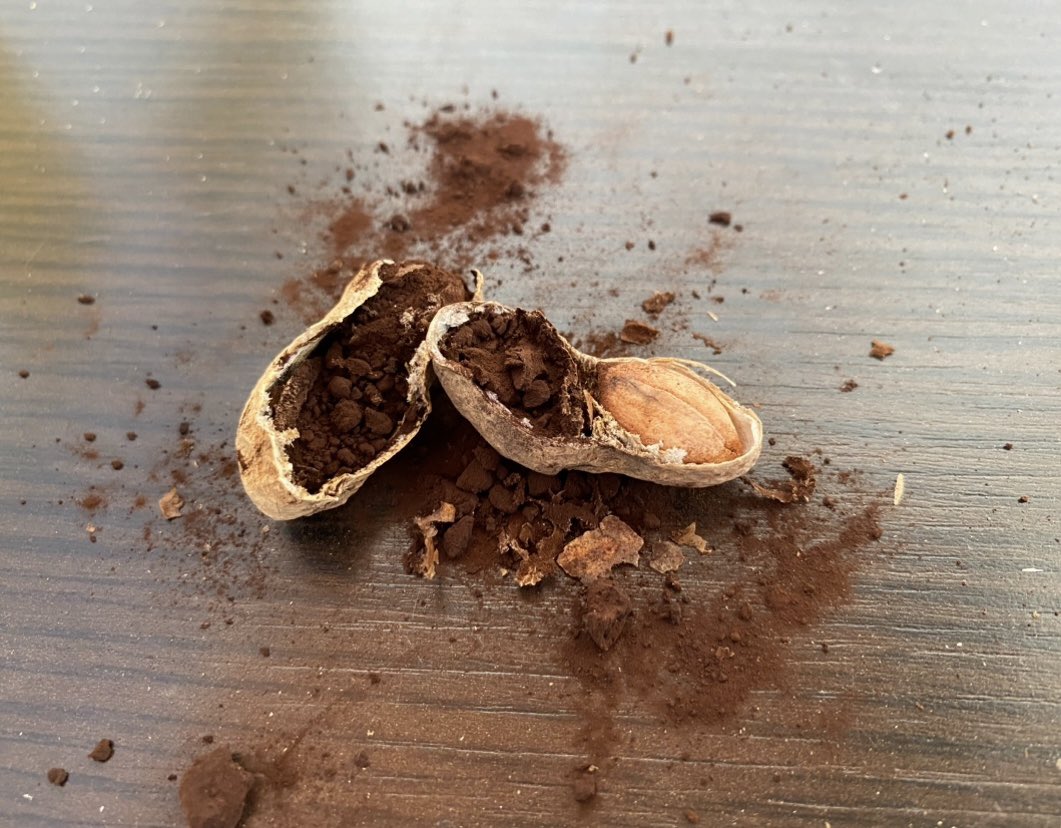
En el @intaCIAP realizamos relevamientos anuales del carbón del maní 🍄🥜. Porqué son necesarios? Porque nos permiten entender dónde nos posicionamos y así definir estrategias de manejo focalizadas, estimar pérdidas de rendimiento o generar datos para estudios epidemiológicos.
PS Scie-Prod: Scientific Production of Peanut Smut... A systematic review of the literature on the disease from its inception to the present. A great #OpenAccess tool for research...
https://t.co/hX4AdeR8Qc
@intaCIAP#Peanutsmut#Planthealth@FundacionMani