This is an account to promote an ongoing book series: “A Memoir-History of the Russian Civil War” which has been compiled, edited, annotated, and translated by Ignatius Hannula.
The first volume of what we hope to be a long-running new publication concerns the Volunteer Army.
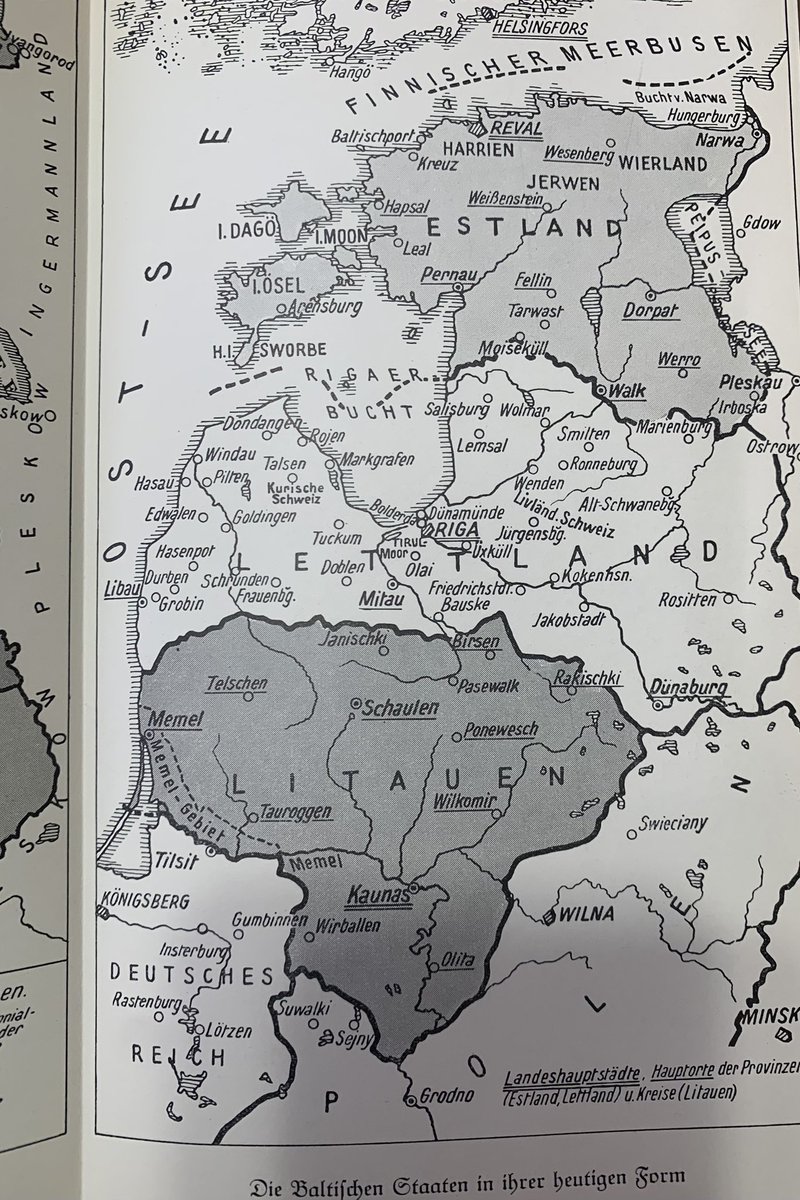
Areas where under 10% 10%-50% and over 50% of buildings were destroyed in Latvia during WW1. The Frontline along the Daugava was the most like the Western front in the East. Bitter, miserable, cold, and wet. Concentrated trenches and artillery.
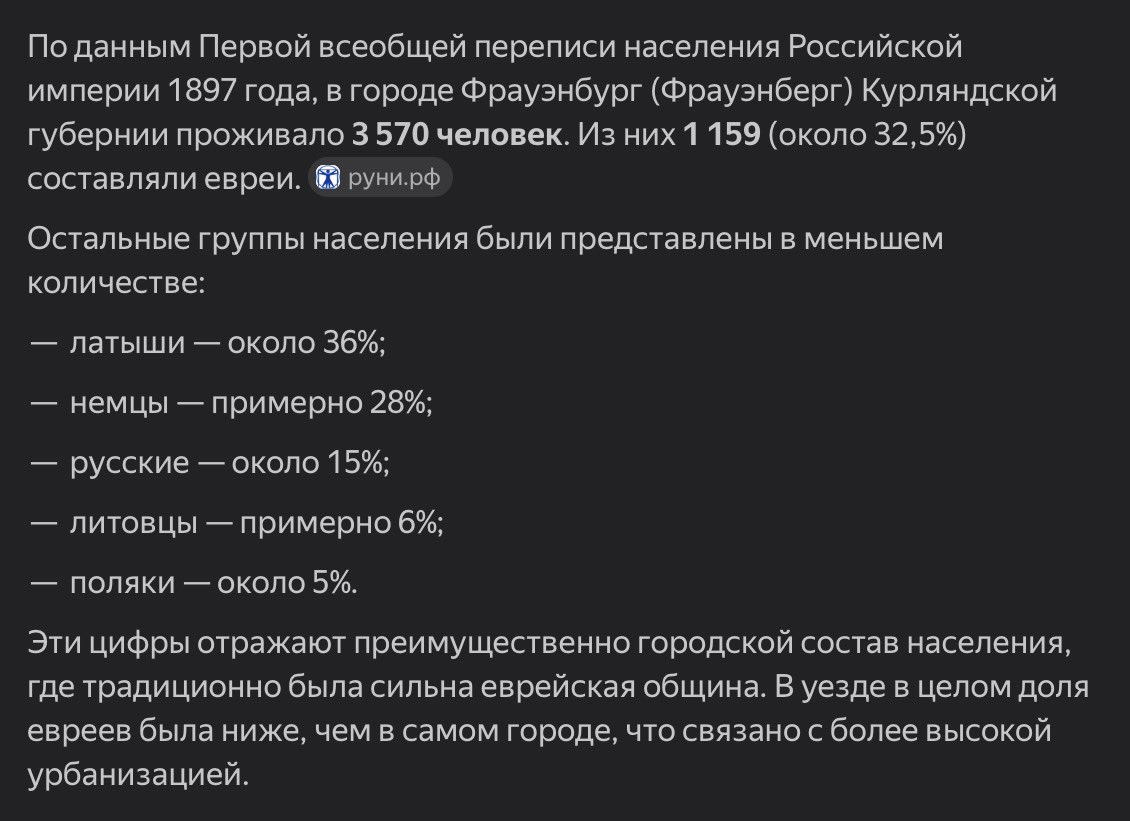
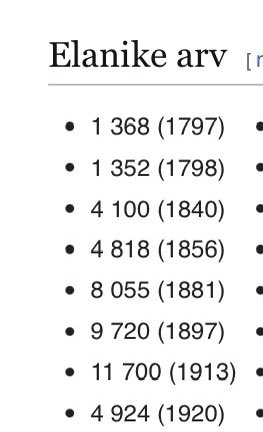
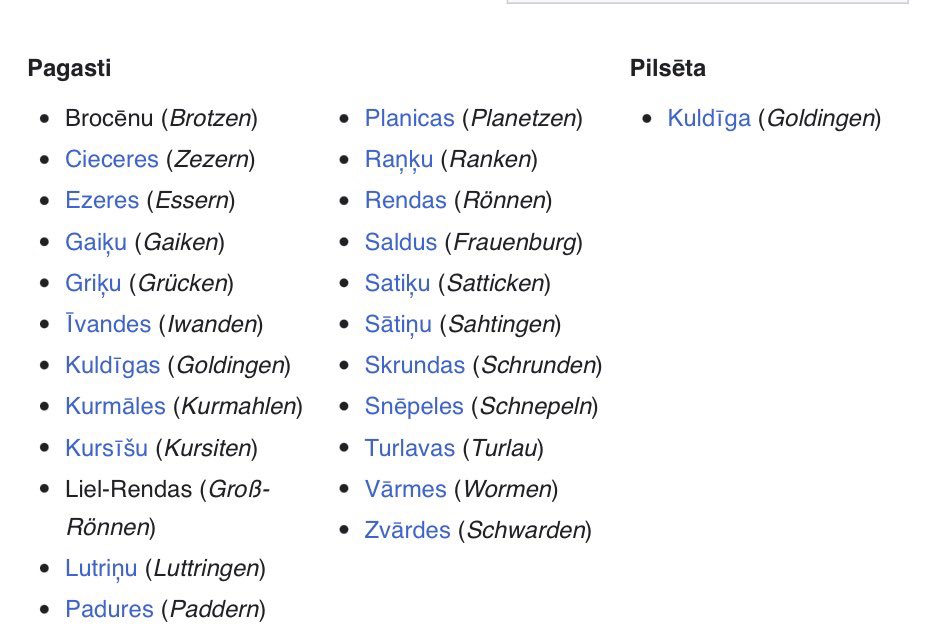
Courland/Kurzeme might be one of the most destroyed places in Europe in the early 20th century. Not only do you have a total turnover, in place names. Places like Saldus/Frauenburg drop to 1840 levels in 1920, before another third of the population is executed r killed in WW2.
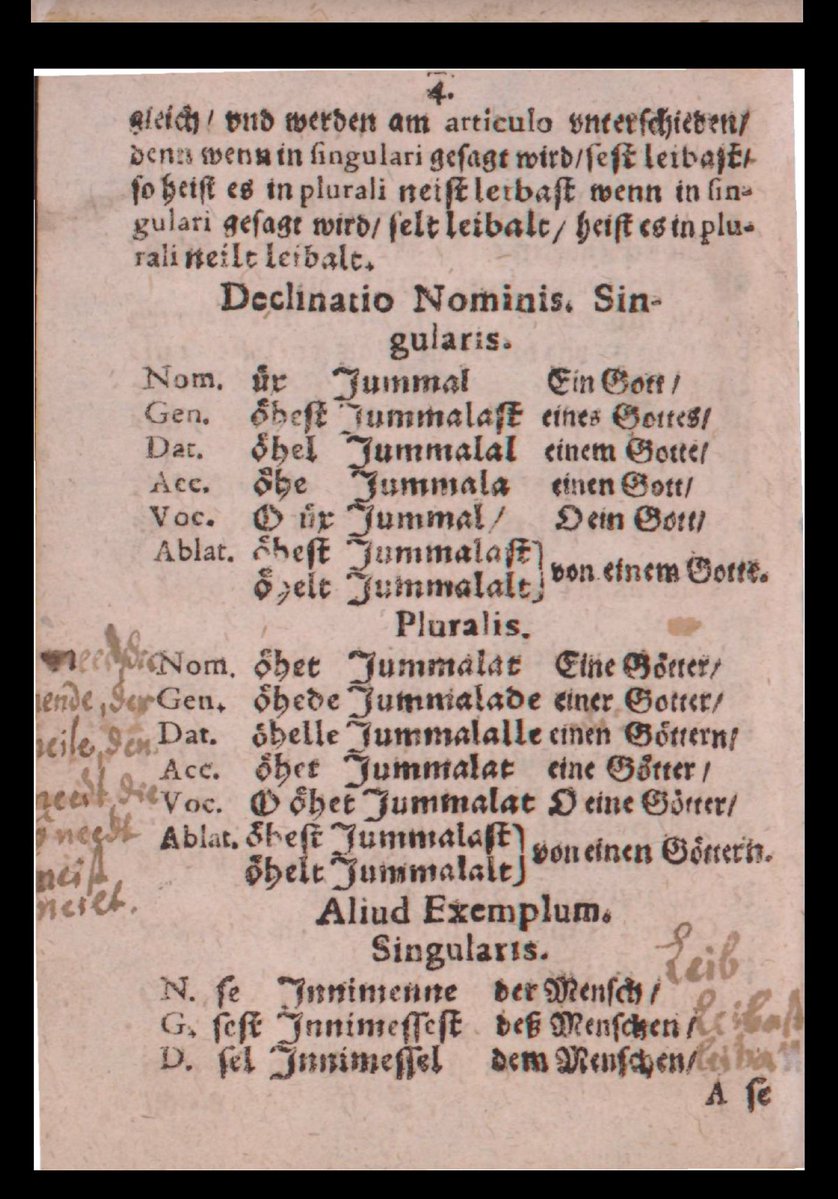
The first Estonian grammar published in 1637 is very much reflective of the Protestant German mood. The first two examples on noun declension are for “God” and “Man” (really human).
The Germans also only recognized the classical cases as legitimate. Not in Latin = not existing
Ya está disponible mi libro "La Hoz contra el Martillo": un ensayo sobre varios de los levantamientos "verdes" en la Guerra Civil Rusa que estudia sus motivaciones y formas concretas con un nivel de detalle nunca antes explorado en inglés o español.
https://t.co/7UsN4WIhwv
John Armstrong thesis on Baltic provinces during WW1.
Armstrong would go on to write one of the most definitive books on the evolution of Partisan Warfare.
Late B1-C1 Estonian materials + Keeletee/Keelelund online and the indispensable sõnaveeb online dictionary for declension of nouns, adjectives, adverbs etc.
The little verb book at the bottom has 689 verbal pairs and usages for the most frequent verbs. Very useful.
@BurnedOperator More than why the Baltic Front turned out the way it did, this is an investigation on the mechanics of how. When the Baltic volumes come out of my history, it will have all these sources translated, but my commentary will have the same attention to detail as Rob Caro (I hope)
@BurnedOperator Really, scattered across 6 languages: Russian, Estonian, Latvian, English, German, and French which was still then diplomatic lingua Franca. I have been learning some of these languages for some time, to get to the end of this extremely convoluted jumble of sources.
This, in turn, can hide the fact that the historian is beyond non proficient in the relevant foreign language, essentially an ego shield.
In my opinion, it is a grave condemnation of our scholastic culture that we do not have something like my series for Chinese Historiography.
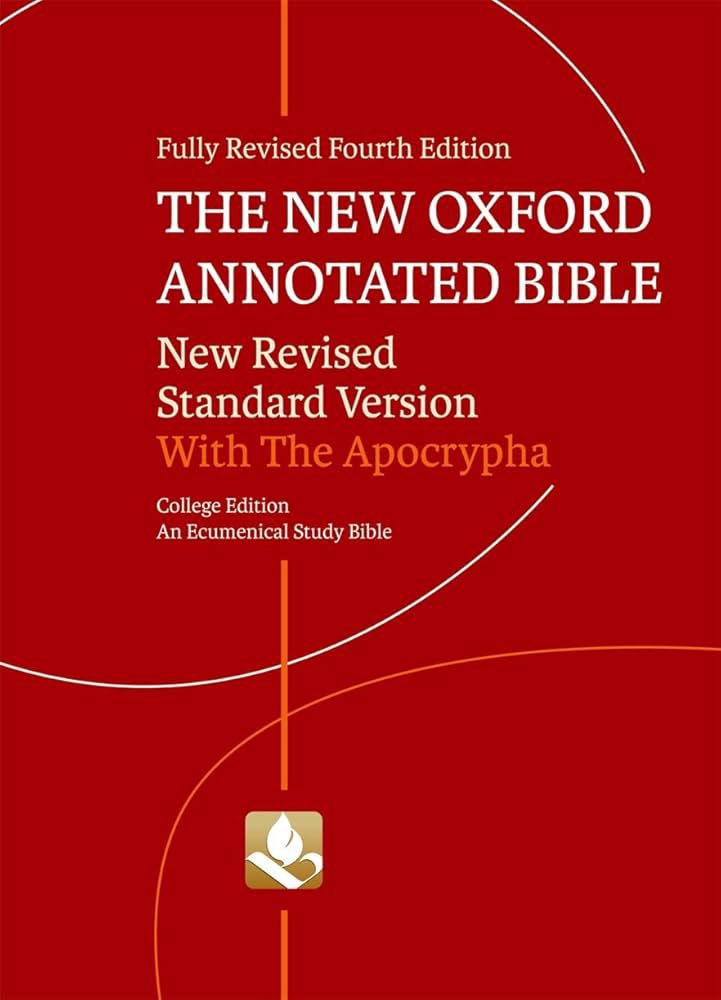
This series is ultimately inspired by two books that were critical to my own development a long time ago. The New Oxford Annotated Bible, and the Landmark Series of Classical Histories.
This genre of annotated source commentary is one of the most helpful for students.
This is an account to promote an ongoing book series: “A Memoir-History of the Russian Civil War” which has been compiled, edited, annotated, and translated by Ignatius Hannula.
The first volume of what we hope to be a long-running new publication concerns the Volunteer Army.
I think this is ultimately limiting for two reasons:
It leaves the task of looking at what you are really using to the committee, which may or may not be interested in thoroughly double checking you.
And, it excludes the reader from the sources entirely.
See olen mina
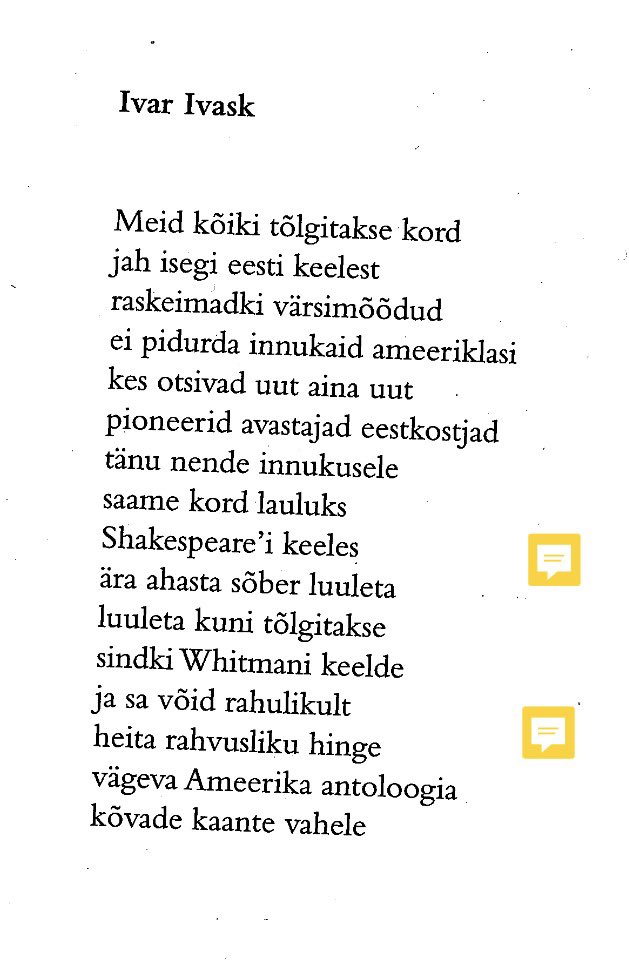
Ma olen Ameerika viimane mees ja ma olen tulnud panema keelt McDonald's Bagi antoloogiasse.
Selle luuletuse kirjutasid tõelised enesetapumõtetega patrioodid, kes on sunnitud elama Oklahomas.