Claude Monet is said to have called him "the master of light" and in 1909 he was one of the most celebrated painters in the world.
Today, outside his own country, most people have never heard his name...
He was Joaquín Sorolla, and that year he arrived in New York for his first American exhibition. The city fell for him completely: of the 356 paintings on show, 195 sold. He stayed five months and painted the President of the United States.
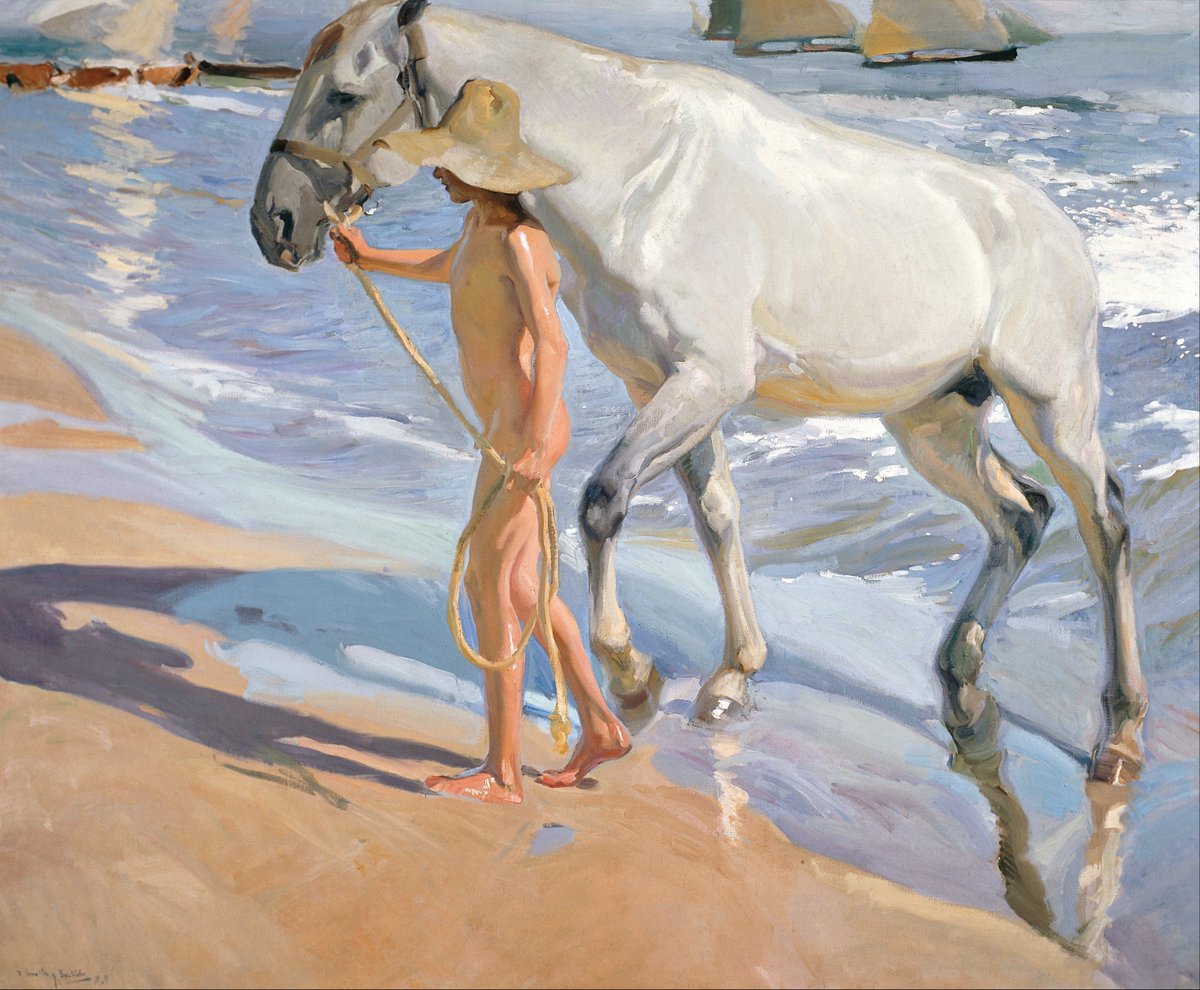
Then he went home to the sea he grew up beside, and that summer, on the beach at Valencia, he painted this. He first called it The White Horse. A boy leads the animal out of the water, both still streaming wet, the sun running along the boy's bare shoulder and the horse's flank, then breaking across the shallows until the sand shines like glass.
The canvas is over two meters wide, and up close the brushstrokes look fast, loose, almost careless. Step back, and they turn into some of the most convincing sunlight ever put into paint.
Eleven years later, working in his garden, he had a stroke and never painted again. He died in 1923. By then the art world had moved on to Modernism, and beauty like this had started to look old-fashioned. Within a generation, the master of light had slipped into the shadows...
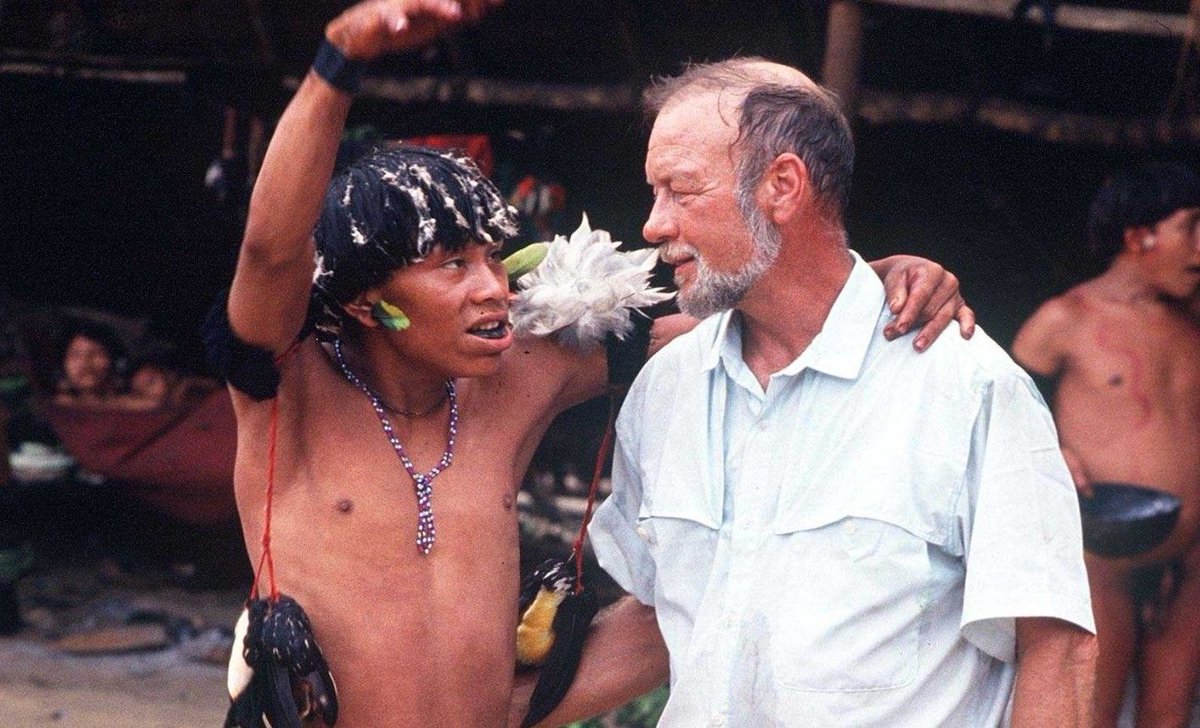
In 1964, a young University of Michigan anthropologist went to live with a tribe untouched by modernity.
What he found destroyed the noble savage myth.
Then his own discipline spent the next four decades trying to destroy him for publishing it. 🧵
This 22-year-old student from Gaza was brought to the Netherlands by Maastricht University to study.
Shortly after arriving, he watched footage of the October 7 Hamas massacre, pointed at masked Hamas terrorists, laughed, gave a thumbs-up and said:
“Seventh of October. This is me.”
He deleted the video. Maastricht University suspended him.
The letter shows Maastricht University submitted his MVV application on April 8, 2026, which the IND approved.
What has happened to the Netherlands? This is unacceptable. I was born here and love this country more than anything how can we let it get this far…
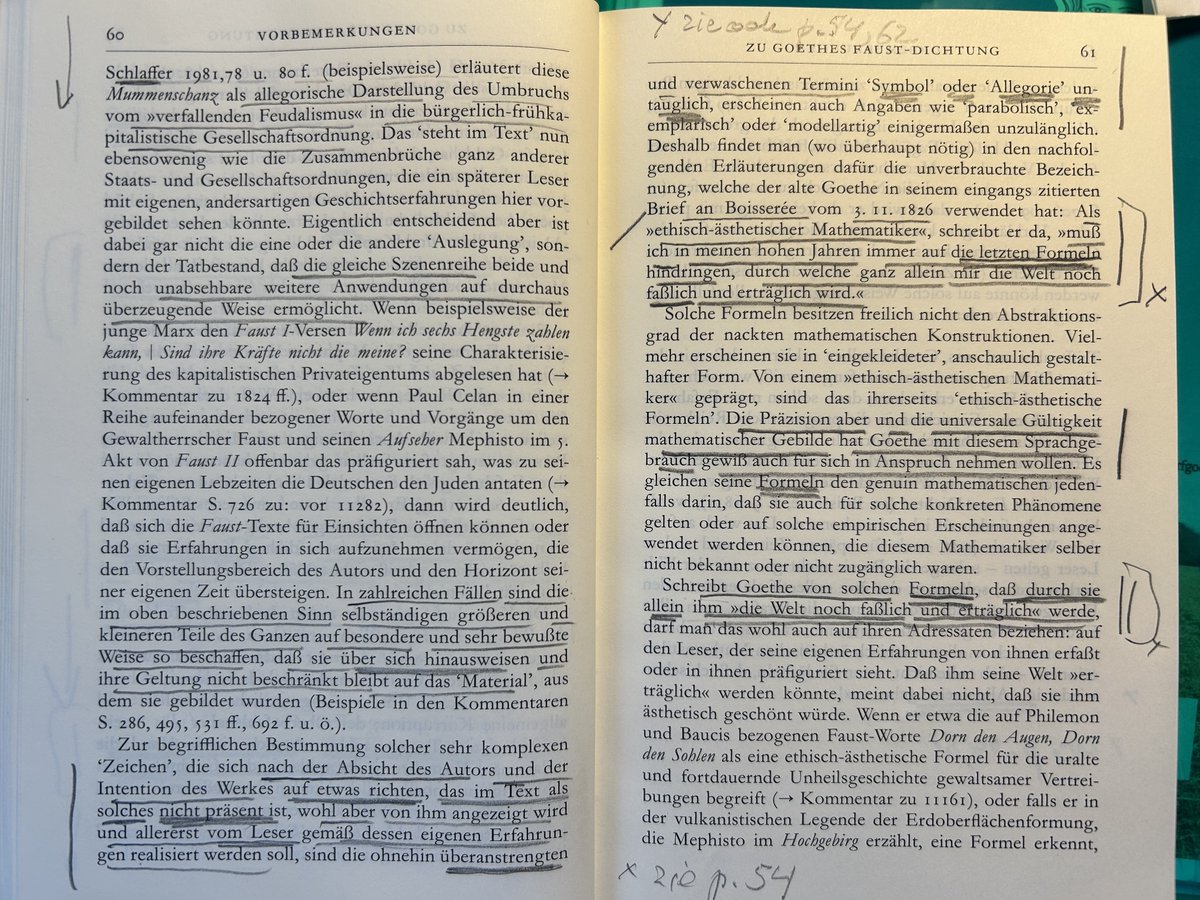
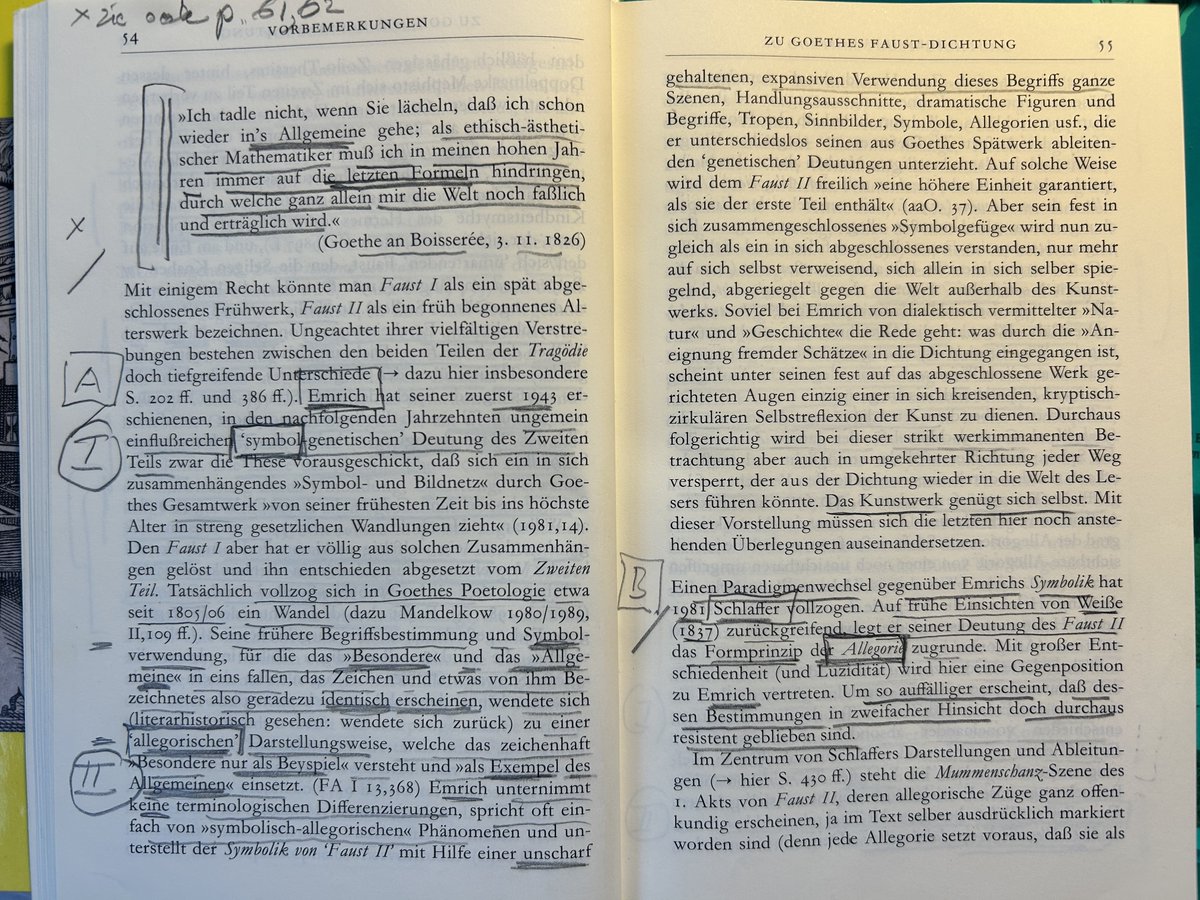
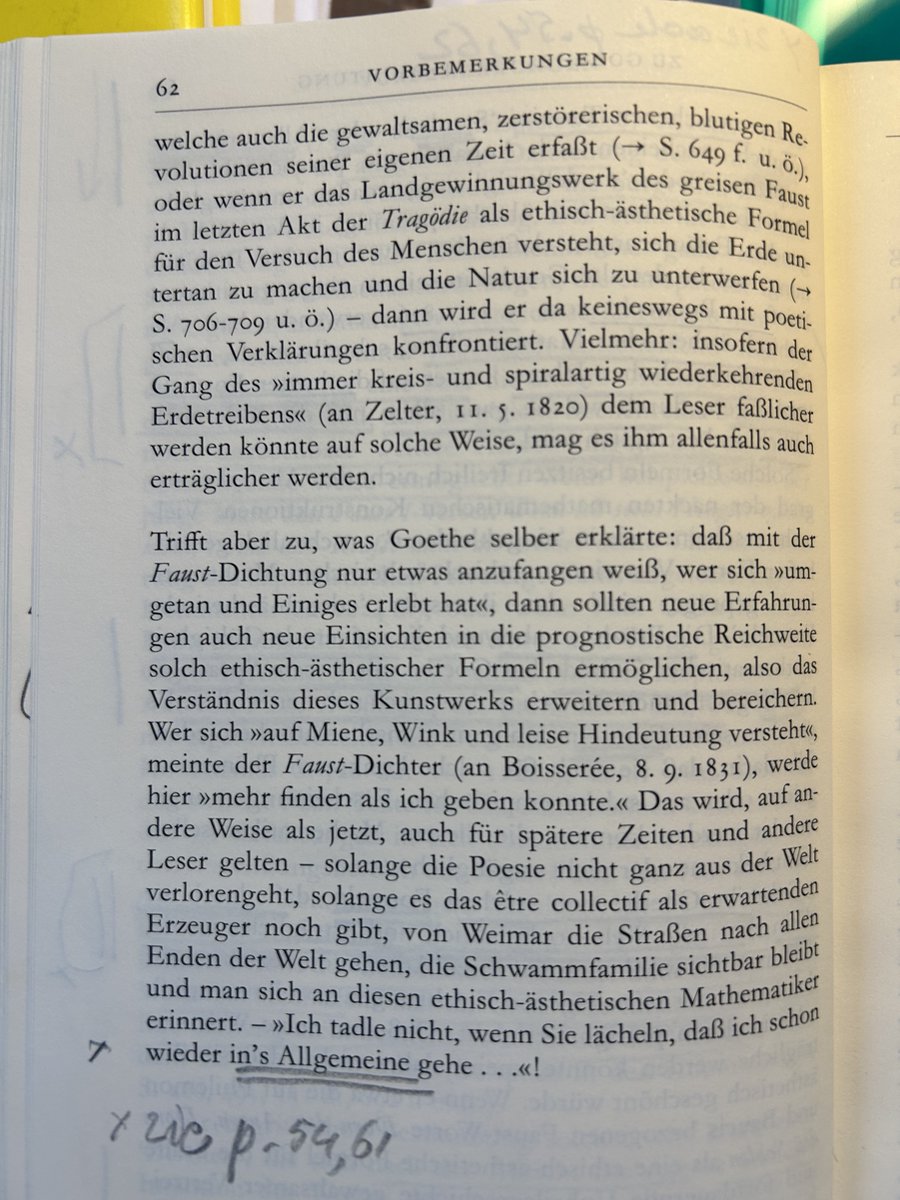
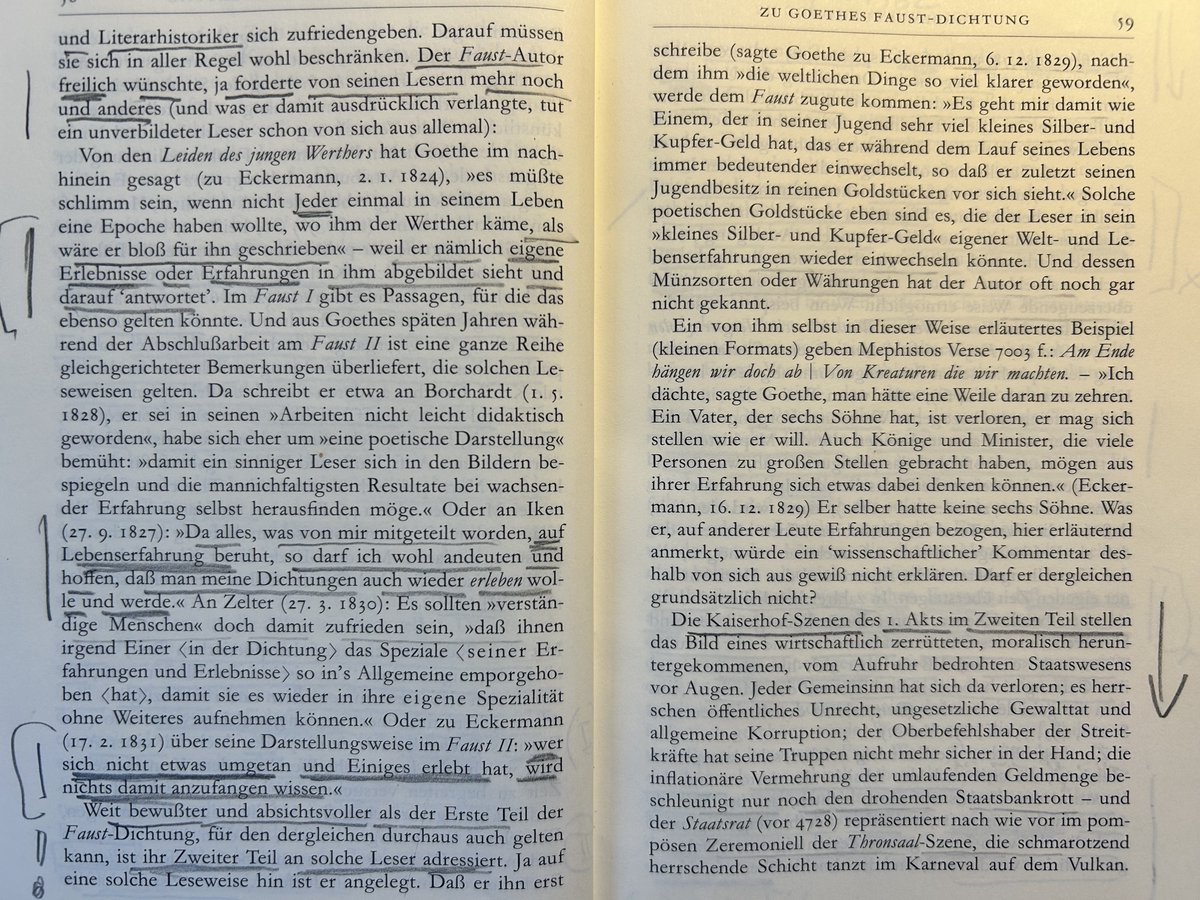
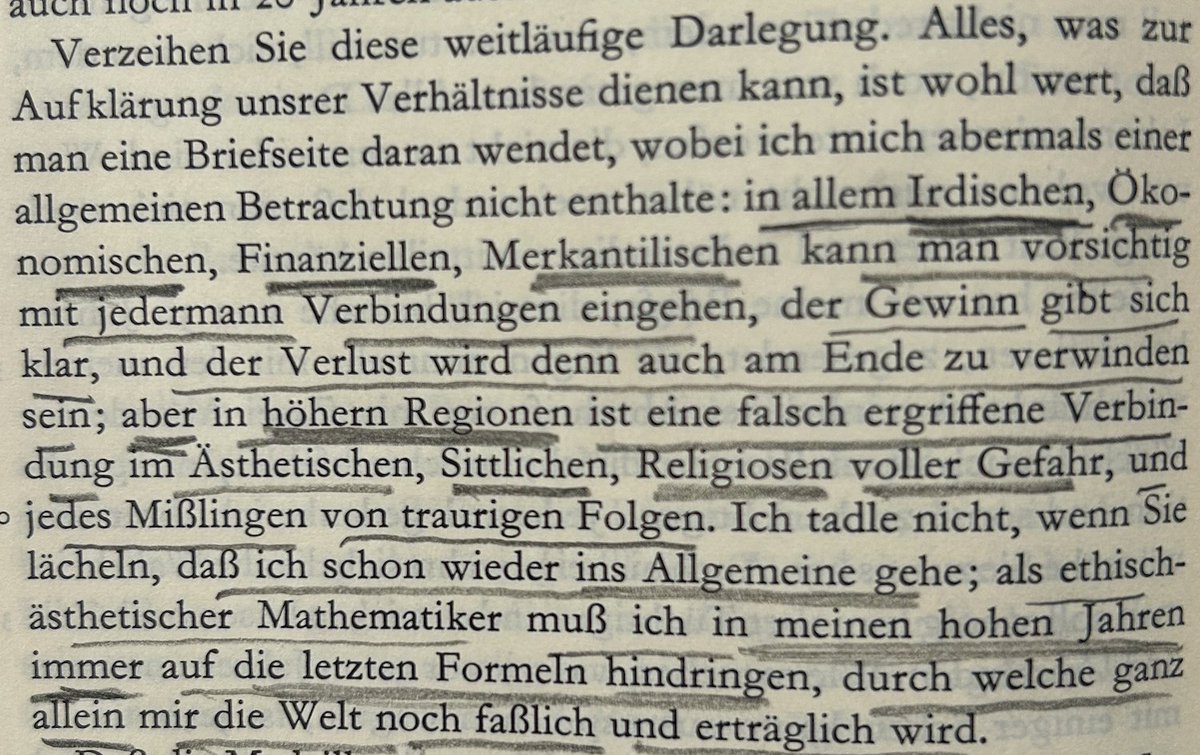
@textkritik@harbricht Ich glaube, nicht jedermann hier auf X ist Albrecht Schöne Fan; dennoch empfinde ich diese Seiten aus seinen Anmerkungen zu Faust als erhellend. 1/2
@eriknld2 Hahahaha wat is dit over the top. Aan haar krampachtige bekkentrekken, knijpoogjes en handgewapper zie je dat ze stiekem beseft dat ze waanzinnige kletskoek uitkraamt.
@textkritik@harbricht In einem Brief an Boisserée vom 3. November 1826 drückt er diese Neigung nach « Letzte Formeln » (die für ihn sogar ein Bedürfnis waren!) so aus. 2/2
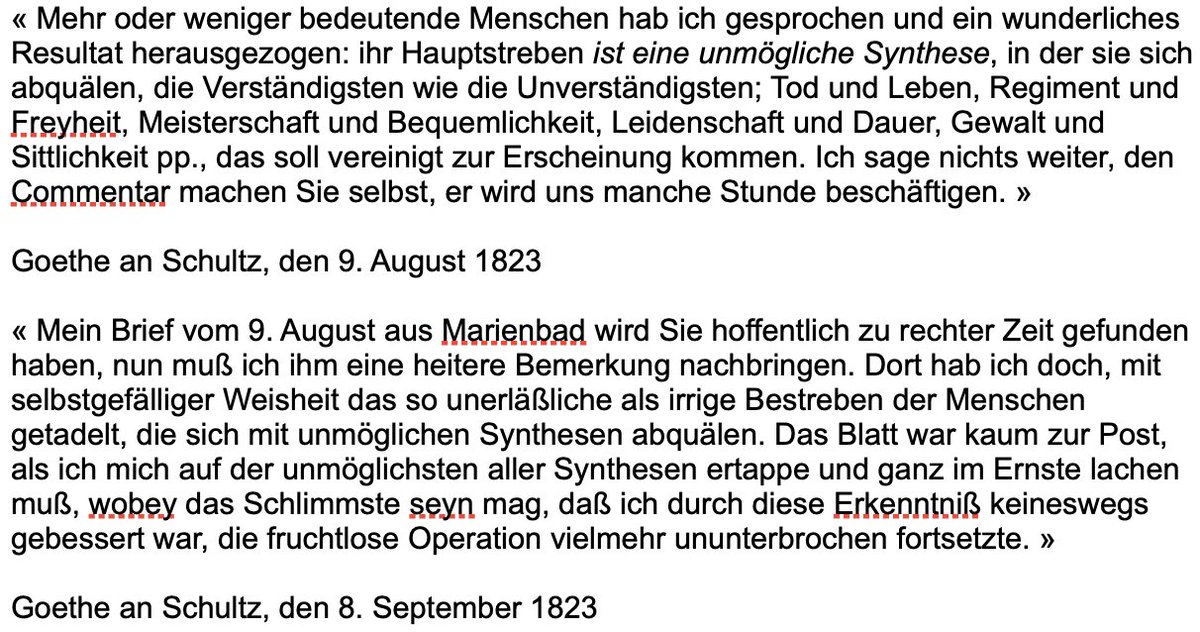
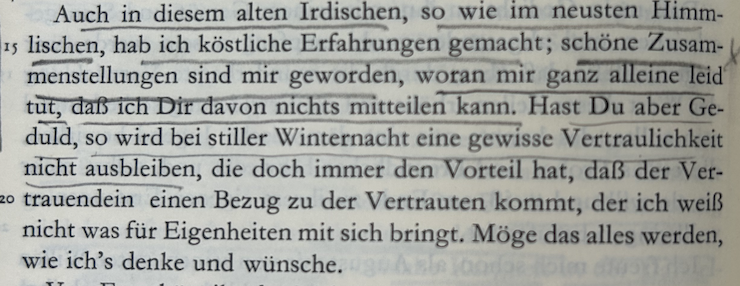
@textkritik@harbricht Mir ging es dabei tatsächlich um einen Aspekt von Goethes Altersstil. Ein Brief ist zwar ein Kommunikationsmittel, aber auch in seinen Briefen neigt der alte Goethe oft zu Verallgemeinerungen, was eine gewisse Dunkelheit oftmals zur Folge hat. 1/2
Als Beispiel dient ein Auszug aus einem Brief an Ottilie von Goethe vom 19. August 1823. Kurz gesagt: Welche Ausgabe enthält die besten Kommentare zu Goethes späten Briefen? Und zweitens: Könnten Sie eine Studie über Goethes „Spätstil“ im Allgemeinen empfehlen? 2/2
Die reiflichen Überlegungen Eurer Durchlauchten würden unsererseits die dankbarsten Empfindungen nach sich ziehen! Die Sache ist folgende: Ich lese derzeit die Briefe Goethes nach 1823. Dabei stoße ich manchmal an die Grenzen meines Begriffsvermögens. 1/2