@AnubhaviSky A father spends years building something for the family, and sometimes it takes only a few careless decisions to destroy it. Very sad but important lesson.
Some people burn through money so fast that even lottery winners would be impressed.
In one village, a young man reportedly turned a family asset into a personal celebration fund. While his father had sold a piece of roadside land hoping to improve the family's situation, the son allegedly found a very different use for the cash.
Instead of investing it, saving it, or helping at home, he is said to have spent huge amounts at orchestra events, showering performers with bundles of notes as if money grew on trees.
The result?
The land is gone. The money is gone. And now the father is reportedly roaming around with a stick, searching for the son and wondering how years of hard work disappeared in a matter of nights.
Villagers can't stop talking about it. Their question is simple:
"If the money was only meant to be thrown away, why sell the land in the first place?"
Sometimes earning wealth is difficult.
Losing it takes only a few bad decisions.
My friend’s mom had ordered 2 kg of milk from a nearby mart because she wanted to make fresh paneer at home.
Like many families, she preferred homemade paneer instead of buying it from outside.
Everything was ready. The milk was heated, and nearly four lemons were squeezed into it.
But surprisingly… nothing happened.
At first, we thought maybe the method was wrong or the milk wasn’t hot enough.
So just to compare, half a kilo of milk from another brand was brought in.
And the difference shocked us.
The second milk curdled almost instantly with lemon, while the first one remained nearly unchanged even after trying multiple times.
That moment raised a lot of questions and left everyone surprised. The video speaks for itself and has sparked different opinions among people.
But before jumping to conclusions, it’s important to remember that milk not curdling does not automatically prove adulteration. Factors like processing, temperature, and milk type can also affect paneer-making results.
Still, it makes you think —
Should we trust products only because of a big brand name, or should we pay closer attention to what we bring into our homes?
What’s your opinion? Share in the comments.
@ItsAradhya__ Trust is important, but verification is even better. Recording the fuel filling process can help prevent misunderstandings and protect both parties.
@ItsAradhya__@ThePushprajX Two nations, two traditions, one heart. ❤️ This beautiful union shows that when there is love and respect, cultural differences become a source of strength and joy. Truly inspiring
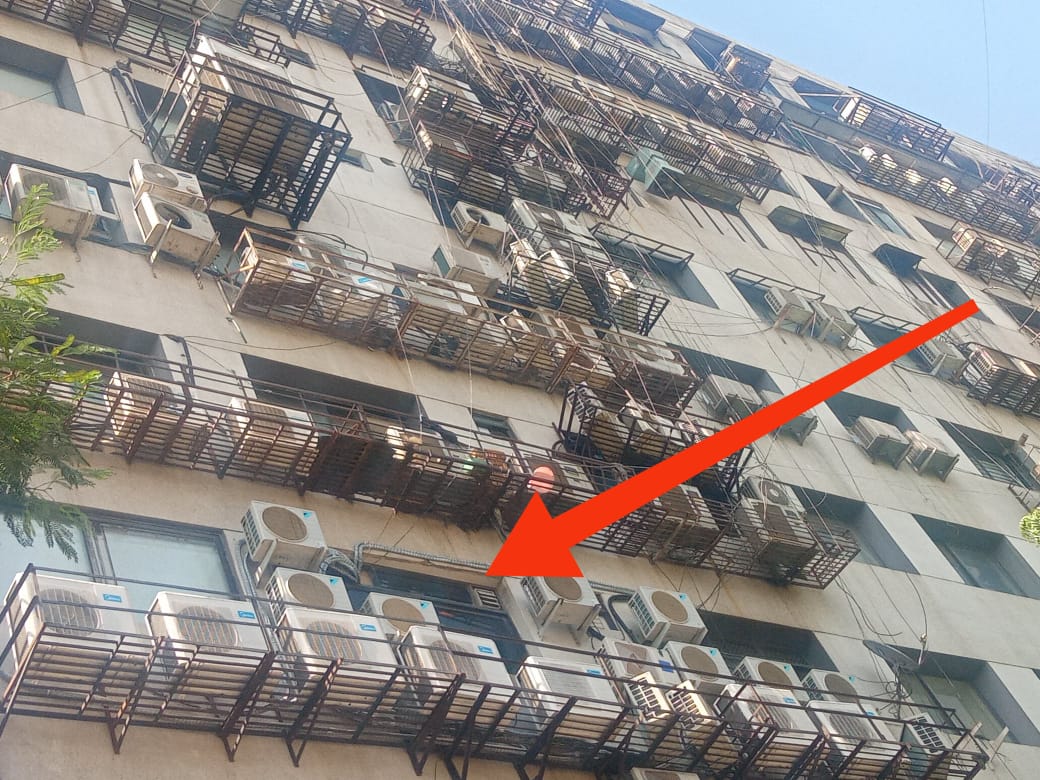
On the wall of this building, dozens of AC outdoor units hang together almost like a “heat factory” running day and night.
An AC cools the room inside… but its outdoor unit releases heat outside. Now imagine: if one building has so many units, then how many millions of ACs are running in cities like Delhi, Mumbai, and across the world?
The heat released by billions of AC units doesn’t just disappear — it adds to the warming around us. Yet every year we ask, “Why is the heat getting worse?”
If we planted even half as many trees as the number of ACs installed worldwide, maybe our cities would feel much cooler naturally.
This picture isn’t just about one building — it reflects the reality of our changing world. Keeping the Earth cool is not only nature’s job, it’s our responsibility too. 🌍
Whenever humans ignore nature’s balance, the consequences eventually come back to us.
Now a question for you: Who do you think is responsible for rising temperatures? And what step have you personally taken to protect the environment?
A woman was traveling on a local train in Mumbai when a young girl came by, selling small items.
The woman called her over and asked, “How much is this?”
“₹20,” the girl replied softly.
As they talked, the woman asked, “Do you go to school?”
The girl’s face lit up instantly. “Yes,” she said with a smile.
The woman handed her a ₹100 note. The girl hesitated and said, “I don’t have change.”
The conversation continued.
“What do your parents do?” the woman asked.
“Papa works as a laborer, and Mama works in people’s homes,” the girl replied.
Then she quietly added something that made the woman pause:
“I work too… so I can pay my own school fees.”
The woman asked, “How much is your fee?”
“₹260 per month.”
For a few seconds, there was silence.
Then the woman gently asked, “Do you have your mother’s phone number?”
The girl shook her head.
So the woman gave her own number and said, “Go home and ask your mother to call me.”
Before leaving, the woman asked, “What’s your name? Which class are you in?”
“My name is Surekha… and I study in Class 7.”
As the little girl walked away, the woman smiled and said:
“Study well. We’ll make sure your education doesn’t stop because of fees.”
@ItsAradhya__ What stood out to me is how the memories stayed the same, but the value didn't. Sometimes it's not the food we miss, it's the affordability and simplicity of those days.
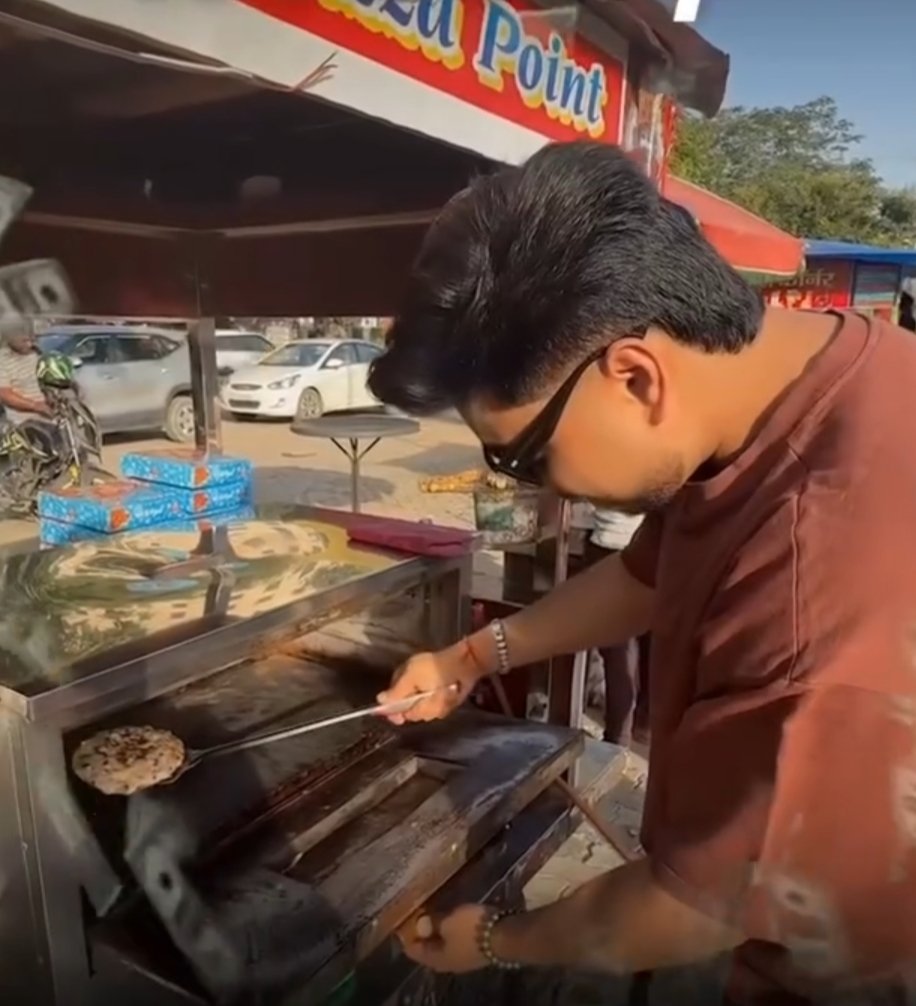
Boy: Brother, is this pizza stall yours?
Shopkeeper: Yes, brother, it’s mine.
Boy: How much did it cost to set up?
Shopkeeper: Around ₹73,000.
Boy: Oh… and how many pizzas do you sell in a day?
Shopkeeper: About 25–30 small pizzas and 10–15 large ones.
Boy: What’s the price of a small pizza?
Shopkeeper: ₹60–₹70.
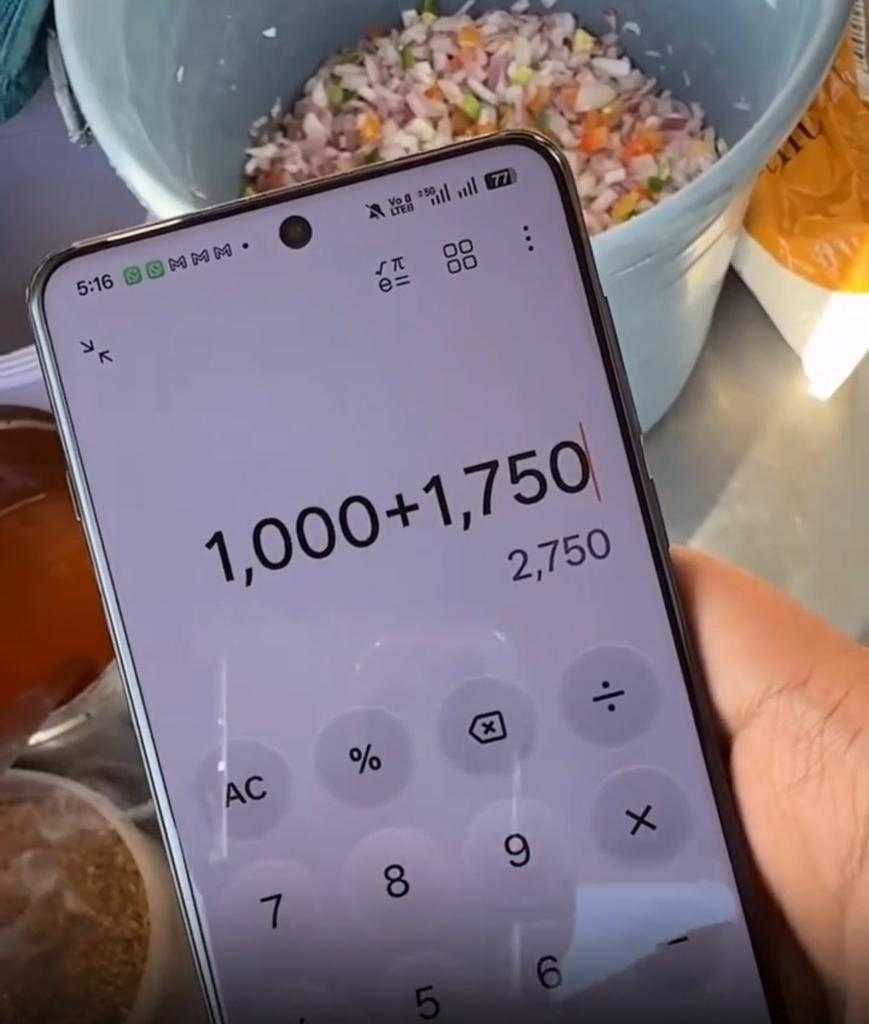
Boy: So, if 25 small pizzas are sold, that’s around ₹1,750 in sales.
Shopkeeper: Correct.
Boy: And the large pizzas?
Shopkeeper: ₹100–₹125 each.
Boy: Then 10 large pizzas would add another ₹1,000 or so.
Shopkeeper: Yes… roughly ₹2,750 total sales for a day.
Boy: Sounds like good earnings!
Shopkeeper: There’s a big difference between sales and profit, brother.
Boy: Oh… so how much profit is actually left?
Shopkeeper: After ingredients, rent, gas, electricity, and other expenses… around ₹500–₹600 a day.
Boy: So about ₹15,000–₹20,000 a month?
Shopkeeper: Yes, somewhere around that. And that’s only from the stall — event orders and bulk bookings are separate.
Boy: So, with a ₹73,000 investment, earning ₹20,000 a month is possible?
Shopkeeper: If you’re ready to work hard and the location is good… yes, it’s possible.
Boy: Wow… from the outside it looked like just a small roadside stall, but the calculations behind it are much bigger.
Shopkeeper: Brother, people notice the earnings… but they don’t see the reality behind them — standing for hours, working in front of a hot stove, dealing with heat, rain, long days, and constant pressure.
Boy: True. A ₹500–₹600 daily profit sounds simple… but behind it lies an entire day of hard work.
Sometimes, small stalls teach a big lesson: every income has a story of effort behind it.
A man had booked a confirmed AC coach seat nearly two months in advance.
But when he boarded the train and reached his seat, he was shocked to find a woman already sitting there.
He politely said, “Excuse me, this is my seat,” and showed his confirmed ticket.
However, the woman refused to vacate the seat and insisted that it belonged to her.
The passenger repeatedly tried to contact the TTE, but no one arrived for a long time.
With no immediate help available, he was forced to spend a significant part of his journey standing or sitting near the train door.
When the TTE finally came, the passenger expected the issue to be resolved. Instead, he was reportedly told:
“We can’t remove this woman. Please adjust somehow and complete your journey.”
Frustrated, the passenger began recording the incident. According to the claim, the TTE then responded arrogantly, saying:
“Complain wherever you want. Even if the RPF comes, this woman will not be removed. If we can’t remove her, what can you do?”
After saying this, the TTE allegedly walked away.
Despite holding a confirmed AC ticket booked months in advance, the passenger reportedly completed his journey without being able to use his own reserved seat.
If true, the incident raises serious questions about passenger rights, accountability, and the handling of reserved-seat disputes in trains.
⚠️ One small mistake with emergency contraceptive pills can lead to unexpected consequences.
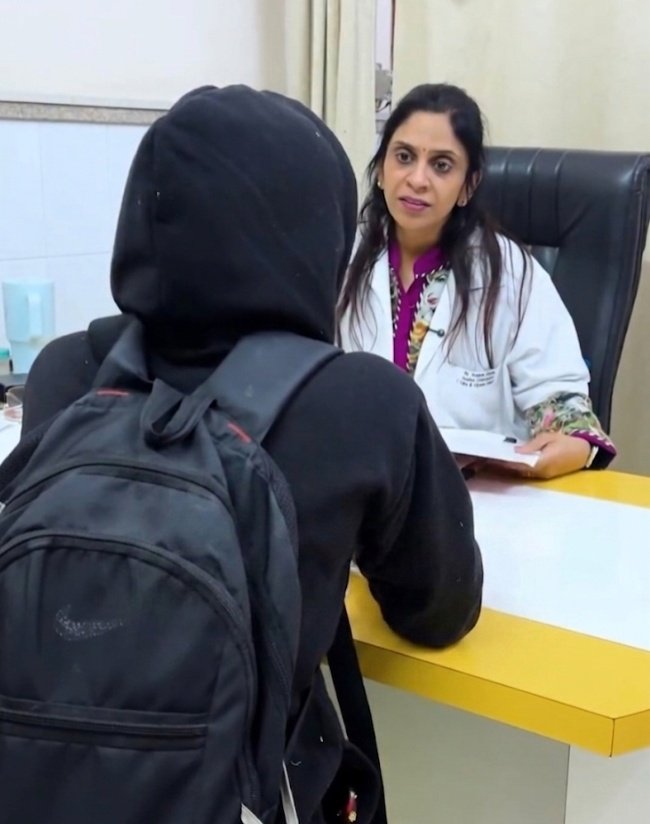
Late evening, an 18-year-old college student named Shreya walked into a clinic looking anxious and scared.
The doctor noticed her nervous face and gently asked,
Doctor: "Shreya dear, what happened?"
Shreya hesitated before speaking.
Shreya: "Ma’am… I took an I-Pill… but my period still hasn’t come."
The doctor looked at her calmly.
Doctor: "How old are you?"
Shreya: "I’m 18, ma’am."
Doctor: "Were your periods regular before this?"
Shreya: "Yes ma’am… usually very regular. But now it’s delayed."
The doctor continued asking carefully,
Doctor: "Do you go to college?"
Shreya: "Yes, ma’am."
The doctor paused and explained patiently,
Doctor: "Listen carefully, dear. If your period is delayed, we should do a pregnancy test."
Shreya’s hands began trembling.
Shreya: "A test… again?"
Doctor: "Yes. Emergency contraceptive pills can lower the chance of pregnancy, but they are not a 100% guarantee. Sometimes they may delay periods or affect ovulation, but pregnancy can still happen."
Shreya lowered her eyes.
Shreya: "Okay ma’am… I’ll get the test done tomorrow."
The next day, she returned to the clinic with visible fear on her face.
The doctor opened the report and looked at her seriously.
Doctor: "Shreya… your test result is positive."
For a moment, the room felt silent.
Shreya: "What…? How is this possible, ma’am? I don’t understand…"
Tears rolled down her cheeks.
The doctor spoke gently but firmly,
Doctor: "Please don’t panic. We will discuss your options and next steps. But remember—unprotected sex carries risks, and emergency pills are not meant to be used as a regular contraceptive method."
That day, Shreya realized something important—
Awareness matters. Quick decisions without proper knowledge can sometimes lead to life-changing situations.
Know the facts. Stay informed. Stay safe.
He left India with a dream.
Like many immigrants, he moved to Canada hoping to build a better future for his family. The long working hours, loneliness, and constant pressure never stopped him. Every extra shift he worked, every sacrifice he made, was for one purpose — giving his wife a comfortable and secure life.
While he spent most of his time working, his wife gradually became active on social media. She made new friends online, joined various groups, and eventually grew close to another man.
Months passed.
One day, she shared what seemed like wonderful news: she was pregnant.
The husband was overwhelmed with happiness. He imagined becoming a father, planned for the future, and prepared to welcome the child into the world. He never had any reason to doubt that the baby was his.
Then came the moment that changed everything.
During a hospital visit, information emerged that led to a painful revelation. The woman eventually admitted that the biological father of the child was not her husband, but another man with whom she had been involved.
The news shattered him.
The marriage quickly fell apart, and the couple separated. What began as a personal tragedy soon became a legal battle.
When the matter reached court, the central question was simple: Should a man be legally responsible for a child who is not biologically his?
The court examined the law and noted that a child born during a valid marriage is generally presumed to be the child of the husband. Based on that legal principle and the specific circumstances of the case, the husband was reportedly ordered to provide financial support for the child and contribute toward housing arrangements as well.
The case sparked widespread debate.
Some people argued that the law should focus on biological parenthood and place responsibility on the biological father. Others maintained that the law's primary concern is the welfare and protection of the child, regardless of disputes between adults.
Even today, stories like this continue to raise difficult questions about marriage, trust, parental responsibility, and how the law should balance the rights of adults with the best interests of children.
@SaffronLionsX "Thank you for sharing this experience. Most people pay and leave without ever checking the details, but your post is an important reminder that consumers should always stay alert. Even a small discrepancy can become a significant issue if it happens repeatedly. Awareness,
Yesterday evening, I went out with my family for a drive. Everything was going great, and on the way back I noticed the fuel level was getting low, so I decided to stop at a petrol station and get the tank filled.
The attendant filled the tank, I made the payment, and was about to leave when I casually looked at the receipt. Something immediately felt off.
I knew there was already some fuel left in the car before refueling, yet the bill showed an amount that seemed higher than what the tank could actually hold. Curious, I checked my car's fuel tank capacity and did the math.
The numbers simply didn't add up.
At that moment, I realized this wasn't just about my money. If something like this can happen to one customer, how many people might be paying extra every day without ever checking their receipt or knowing their vehicle's actual fuel capacity?
The drive home left me with one question:
If a little extra is being charged from thousands of customers daily, how much money is being collected overall?
Always keep an eye on the receipt, the meter, and your vehicle's fuel tank capacity. Sometimes the biggest surprises are hidden in the details. ⛽🚗🤔
@ItsAradhya__ @LegendX_001 "If you've been using the same bike for years, you usually know its fuel capacity. Asking for clarification in such a situation is completely reasonable."
⚖️💭 A Debate Beyond One Story: Should Men Also Have a Dedicated Commission?
A fresh discussion has emerged after Alok Maurya shared his views on the need for a platform specifically focused on men's issues.
Speaking on the matter, he questioned why conversations around support systems often highlight institutions for women while similar mechanisms for men remain largely absent. According to him, if society recognizes the importance of official bodies that address women's concerns, then discussions about dedicated support and representation for men should also be taken seriously.
Alok, whose personal life once drew significant public attention following his separation from his wife after her career advancement, said that his experiences and the stories of others have shaped his perspective on the issue.
He further stated that he plans to visit Bihar soon and connect with husbands who claim to be facing emotional, legal, or social difficulties in their marriages and personal lives.
His remarks have sparked mixed reactions online. While some people believe that every individual—regardless of gender—deserves fair access to support and justice, others argue that existing systems already address grievances through broader legal frameworks.
The statement has once again opened a larger conversation across social media and public forums: should discussions about rights, protection, and representation evolve to include separate institutions for men as well, or should reforms focus on strengthening existing systems for everyone equally? 🤔🇮🇳
Today, I went out with my friends and had a great time. But when I came back home, I realized there was nothing to eat.
Feeling hungry and too tired to cook, I decided to order food from Zomato. I picked a thali worth ₹482, expecting a satisfying meal and a relaxed evening.
The order arrived after some time, and everything seemed fine at first.
But the moment I opened the package, my mood completely changed.
The entire thali was messed up. Food had spilled all over the box, items were mixed together, and the meal looked spoiled and impossible to enjoy.
Naturally, I immediately raised a complaint on Zomato, hoping for a quick resolution.
What surprised me even more was the response.
Despite sharing the issue, I was reportedly denied a refund, leaving me disappointed after waiting for food that didn’t even arrive in proper condition.
Sometimes, it’s not just about the money… it’s about receiving the service and quality you paid for. 😔🍛