EM doc. Building the community newsletter I wish existed for physicians who want to think creatively & live well. Tools, wellness, humor - Join the ride.
I have to be honest… I’m having a hard time understanding why these results are considered surprising or terrifying. Isn’t it obvious that if you don’t perform a task, you won’t develop the skills or performing that task?
I am imagining a similar study measuring leg muscle use between cyclists and drivers. If the results showed the cyclists had increased quadriceps muscle firing and improved long-term fitness, I don’t think this would be surprising to anyone.
If the objective is to exercise your leg muscles and learn to bike, driving a car won’t achieve that. But if your goal is efficient transportation so you can focus energy elsewhere, cars are obviously superior.
I think this concept is exactly the same for the invention of the wheel, typewriters, sewing machines, cars, word processors, etc, throughout history.
If the same statements here were applied to other tools, using the same words, we would have the following:
- Calculators are making us “cognitively bankrupt”
- Companies using email are unknowingly causing their teams “penmanship atrophy”
- Cars are causing measurable damage to your leg muscles.
I think the fundamental issue isn’t the tools themselves… it’s clarity about our objectives. AI writing assistants are great for productivity tasks but aren’t designed for skill development. If your goal is learning to write, having AI generate your essays obviously won’t improve your writing skills or help you retain the content.
This seems to be intuitive.. and I am having a hard time understanding why the results are surprising or what exactly the goal was with this study. It seems like there were a lot of smart people behind it and I feel like I must be missing something.
What am I missing here?
A physician who cares about their wellbeing is not "uncommitted" to medicine.
They've seen doctors leave the field (and sadly, die by suicide). What you see is not disinterest, but survival. An attempt to protect their longevity in this field & the care they give to patients.
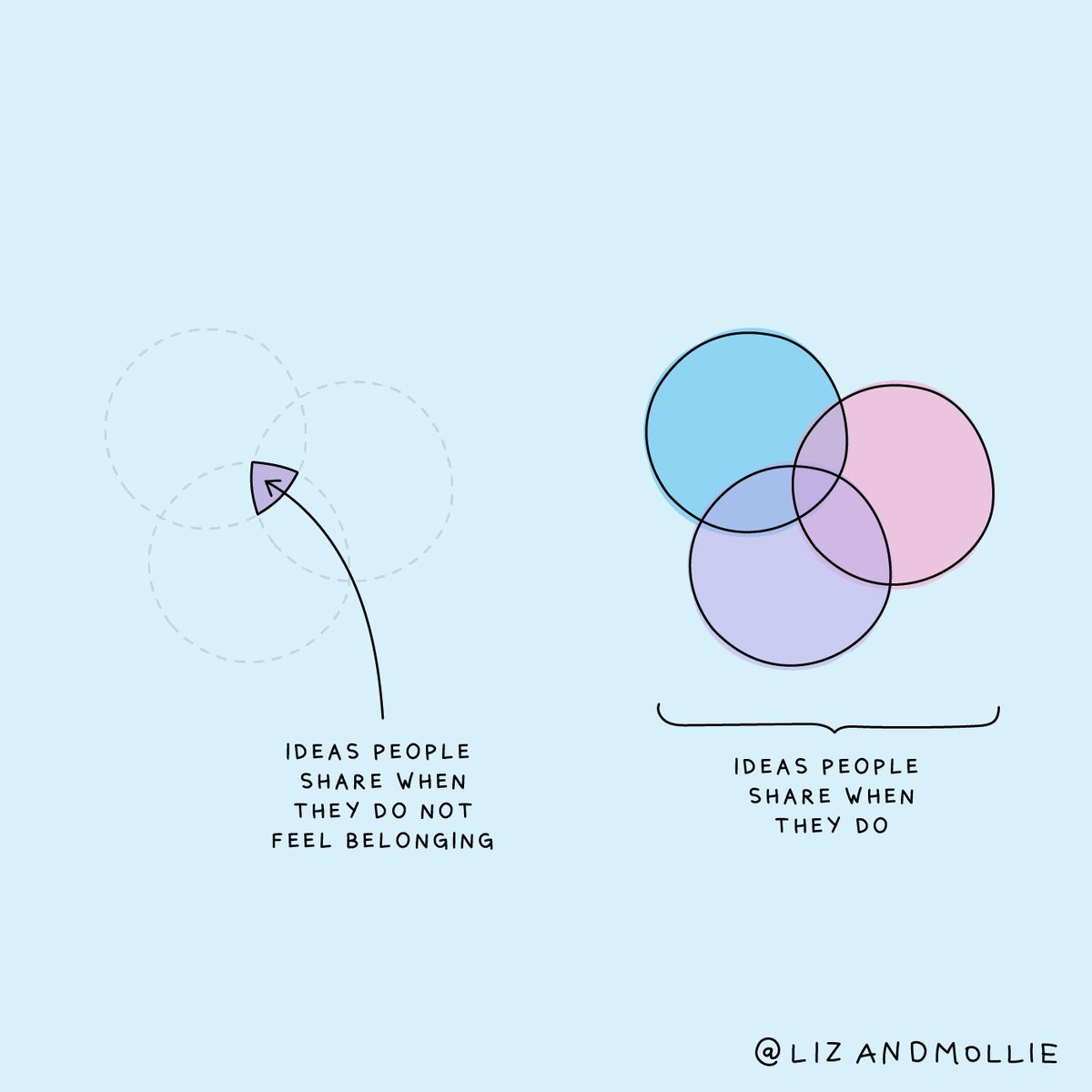
Cliques divide people into insiders and outsiders. Healthy groups offer everyone a sense of belonging.
It's not enough to be polite. It's critical to convey that we value each member's contribution.
The foundation of respect is making sure others feel seen and heard.
I wore dedication to hard work as a badge of honor- applied for a residency transition from surgery while admitted inpatient and started the new residency a day or 2 after I resigned (unable to sit with feelings of low worth after leaving the hardest job I could think of then).🙃
I highly respect people who turn down promotions and leadership positions that would add stressors that do not align with their priorities or values.
Many people seek to climb the ladder at all costs, and it takes a lot to resist doing that to honor your needs/true desires. 💫
Life is fragile.
Not even the best-lived life is immune to illness and catastrophe.
Take a moment to appreciate the blessings in your life.
A dose of gratitude can help you find more happiness in the here and now.
@DrKentris@ContinuumAAN So cool! Just curious, what podcast software do you like to use?
I’ve been researching some but there are so many options.
Can’t wait to give this a listen 🙌
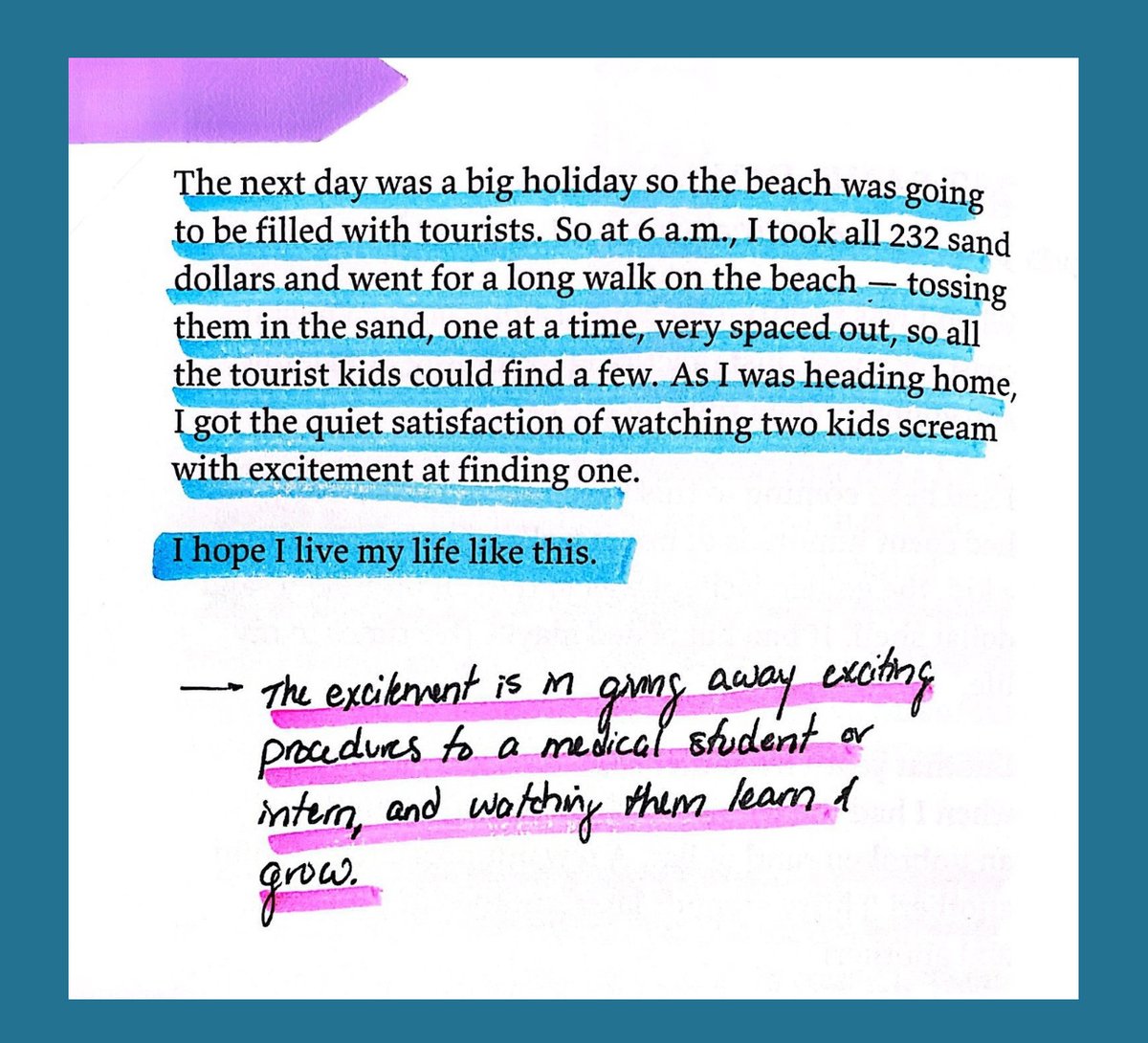
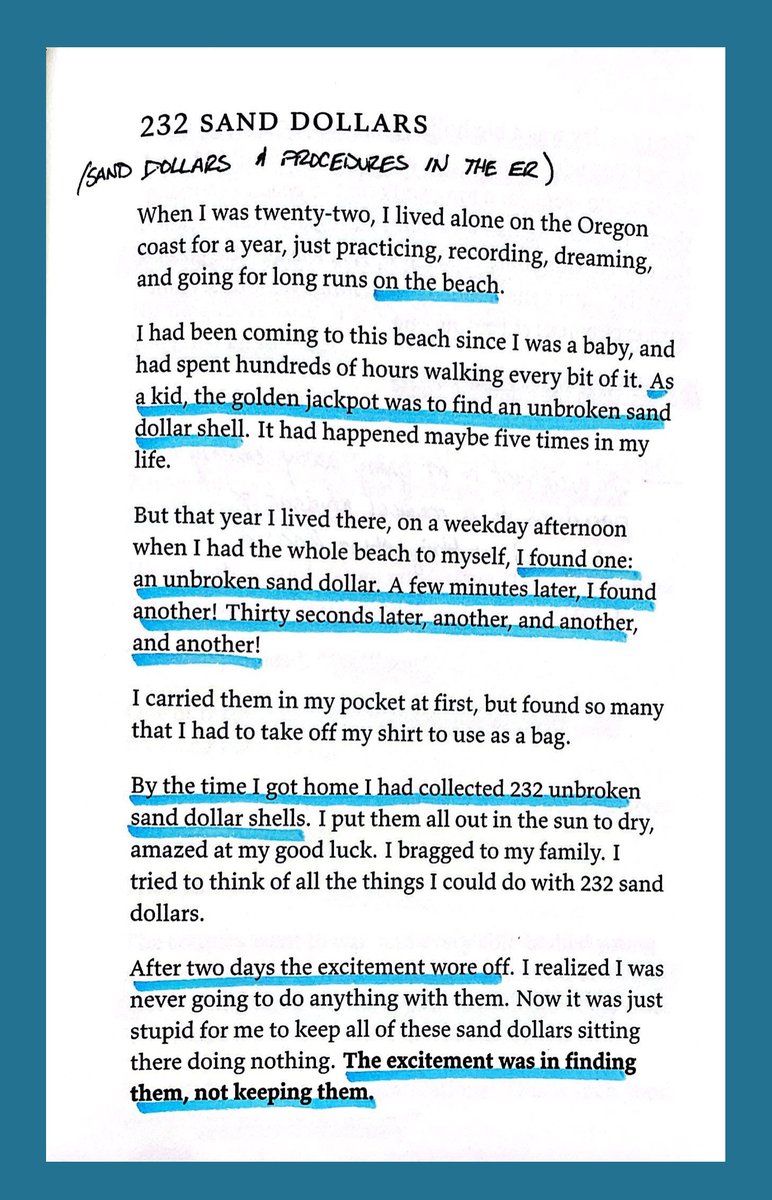
🏝️ Sand Dollars & Medical Education
I feel like this writing encapsulates the fun of helping medical students and residents learn procedures in the Emergency Department.
So much fun to read. Thank you @sivers for your awesome writing.
- Thread -
1/2
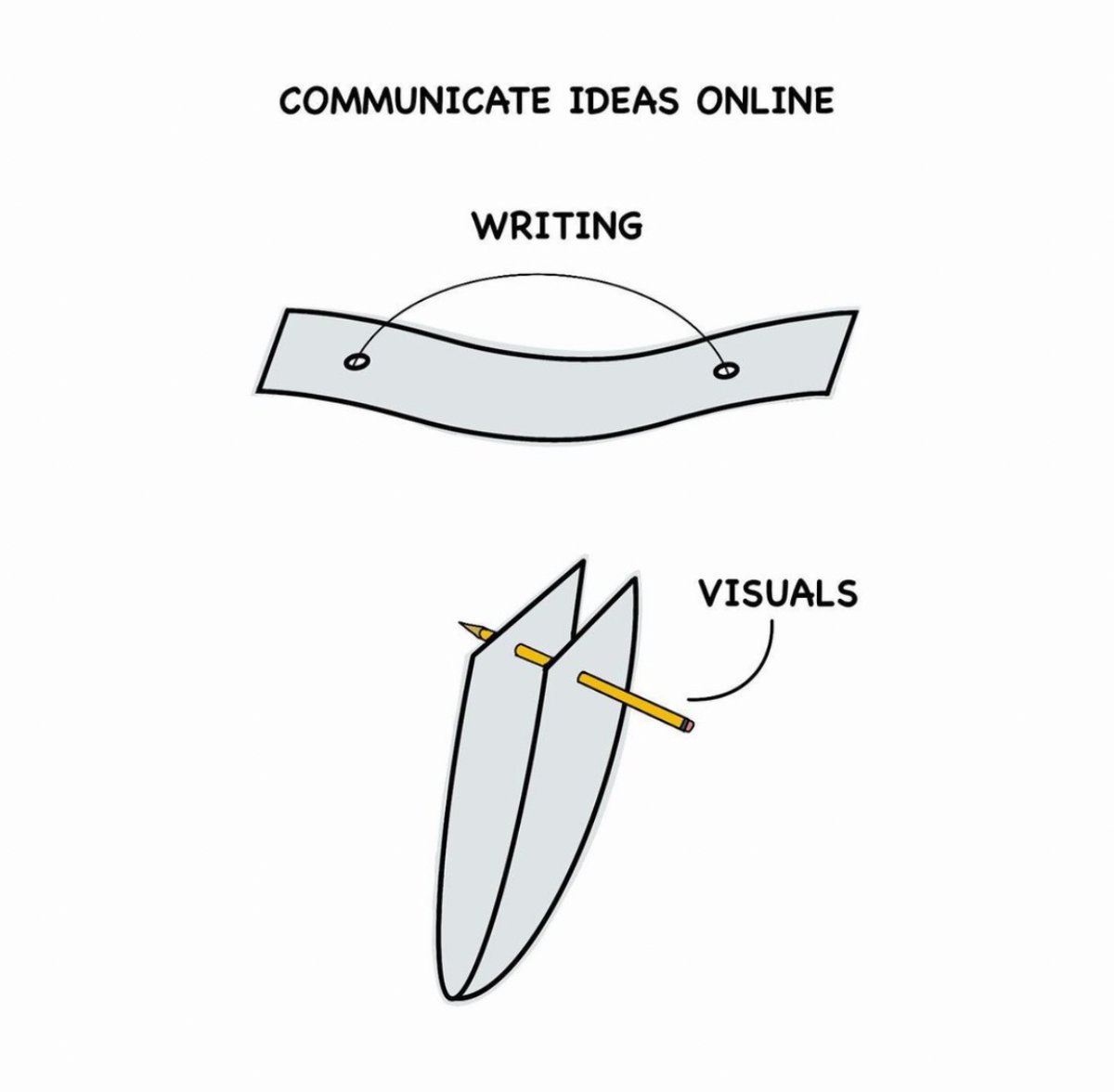
Another cool visual to emphasize yesterday’s tweet.
I think the topic of visuals in medical education is so cool.
Hoping to connect more dots with this topic as it relates to crafting medical presentations, M&M’s & case conferences.
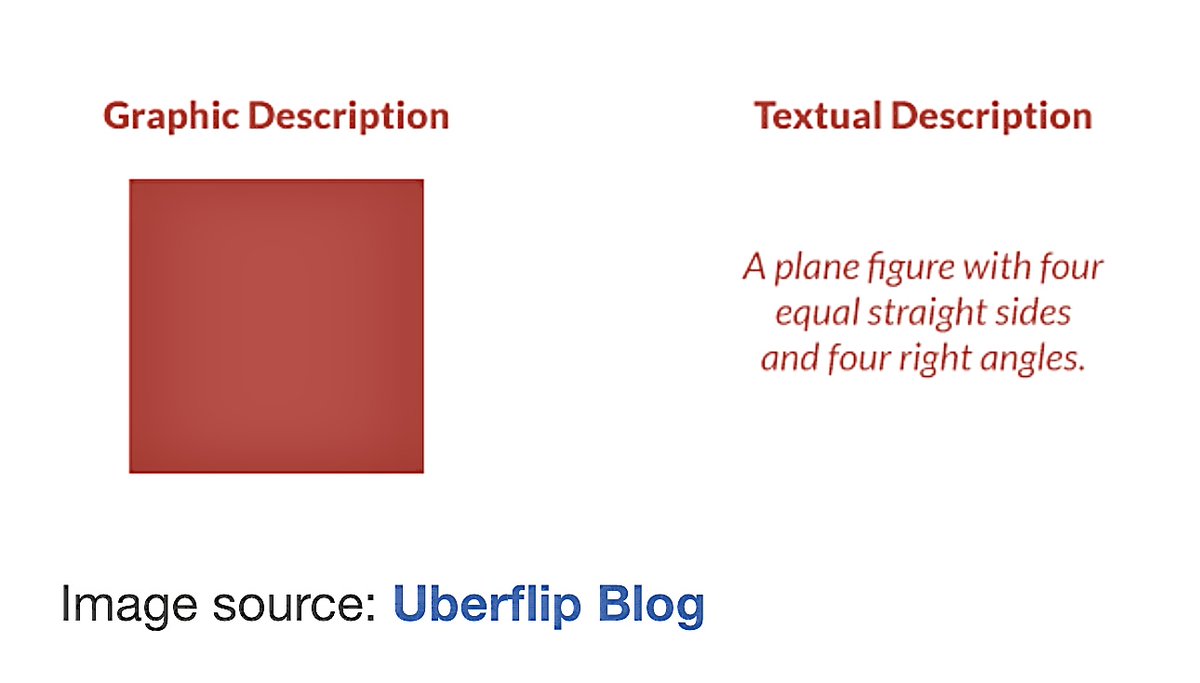
Presentation visuals in medicine aren’t just art. They are a way to communicate.
Visuals summarize content into smaller, and easier to process chunks.
From my research, I found a statistic that visuals are processed up to 60,000X faster in the brain than text.
Check it out:
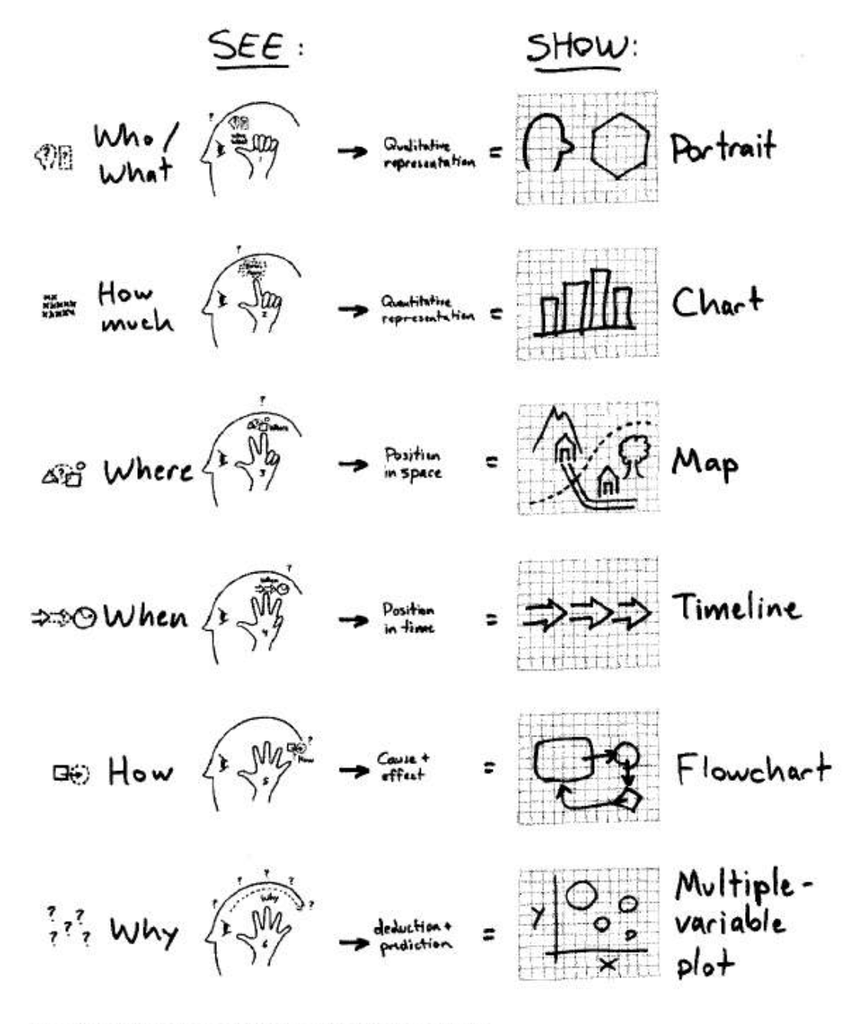
How to choose an awesome visual for your medical or case conference presentation.
Who/What ➡️ Portrait
How many ➡️ Chart
Where ➡️ Map
When ➡️ Timeline
How ➡️ Flowchart
Why ➡️Multi-variable plot
Via “Show and Tell” by Dan Roam
Increase your likelihood of success this week:
Get some quality sleep
Connect with a friend or family
Take regular breaks
Get a little exercise
Mix in relaxation
Reflect on what’s going well
What else?
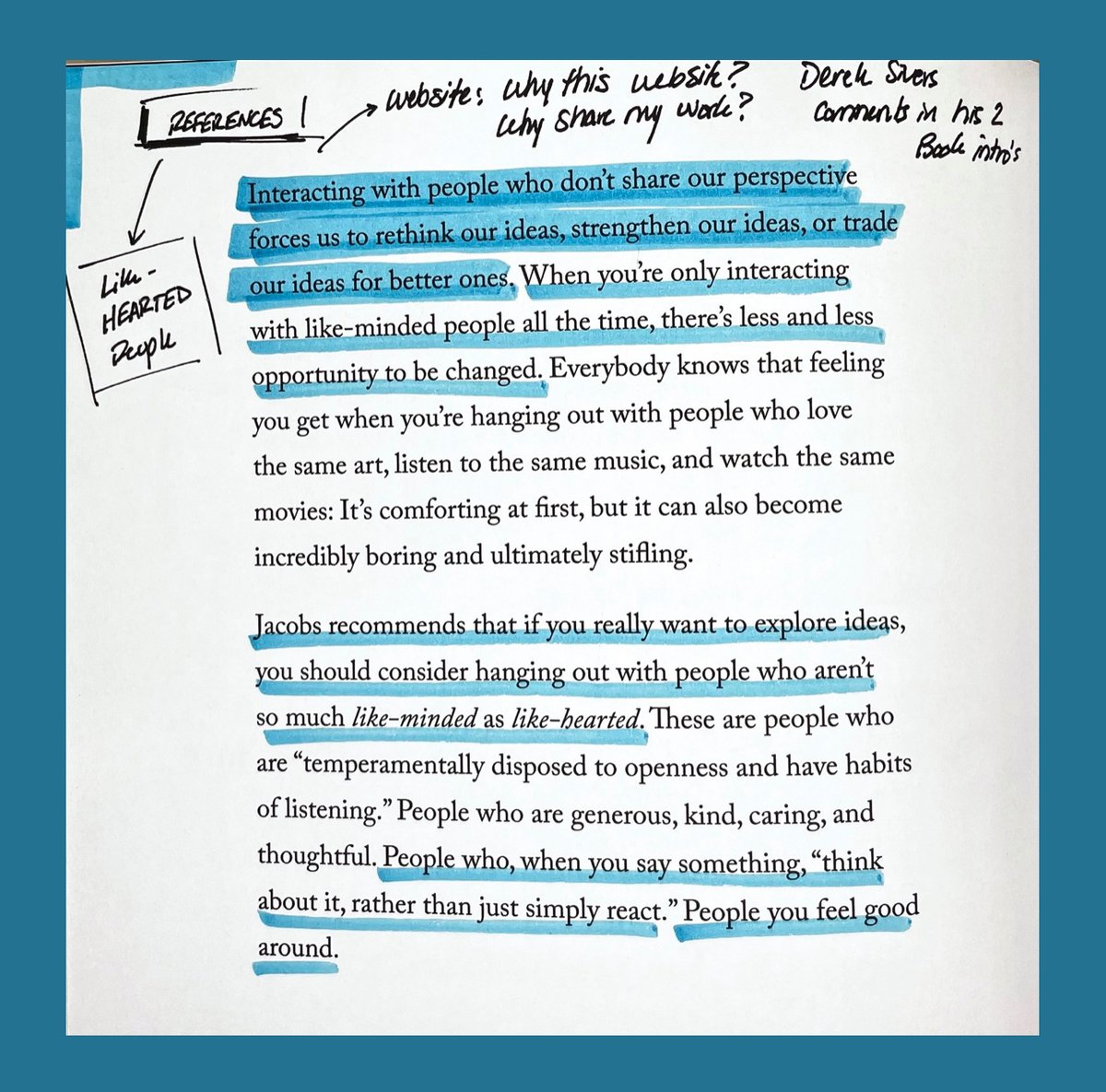
In medicine (and life), I think sometimes we can learn the most from the people who don't share our perspective (nurses, patients, other hospital staff, etc)
The more we listen, the more we rethink our assumptions and/or strengthen our ideas.
Via “Keep Going” by @austinkleon
Imagine you’re studying with your phone next to you
Cue: Your mind goes blank while studying
Craving: Want to alleviate frustration
Response: Check social media
Reward: Feel less frustrated
- Thread -
1/2
I think the more we can recognize what energizes us, and intentionally incorporate them into our days, the more rewarding our work as physicians can become.
Every day I do my best write 2-3 sentences about the positive things of the day.
Trends from my notes:
- Teaching students
- Thank-you from a family
- Learning new things
- Excitement about new idea
- Post-shift run/workout/sunshine