The BTK inhibitor fenebrutinib in the Phase II FENopta open-label extension trial (for relapsing MS) found 96% were free of relapses, 99% were free of enhancing MRI lesions, and disability was stable over 1 year. https://t.co/4axWfHyT15
Starting September with a review from @UCSF on the complexities of MOGAD pathophysiology
Many questions remain:
- Are the antibodies truly pathogenic or merely an epiphenomenon?
- And what triggers the ‘second hit’ activation of MOG-T cells in CNS?
#MOGAD
https://t.co/ysoSDmG4hk
A multicenter study reveals S1P-related PML leads to worse functional outcomes than Natalizumab-related PML. But here’s the twist: 20% asymptomatic cases in the NTZ group. Likely due to selection bias and more frequent, proactive MRIs in the NTZ group #MS
https://t.co/iy3yjWsj7K
#MondayTip#Stroke in Bacterial #Meningitis
Cerebrovascular complications are #common in patients with bacterial meningitis and are associated with #unfavorable outcome and #death
🟢Cerebral infarction~9-25%
🔵CVT~1-10%
🔴ICH~1-7%
🟤SAH~1-5%
From https://t.co/03mdACrggY
🆓
Researchers from Washington University School of Medicine in St. Louis find that Alzheimer's disease is rare in people with multiple sclerosis with a "rate of amyloid-β plasma biomarker positivity...approximately half the rate in 300 non-MS controls." https://t.co/FjpSKDShhS
Word-finding difficulty in #MultipleSclerosis is associated with worse phonemic processing, and with disease-related cortical changes within the posterior superior temporal/supramarginal region.
Study from @MountSinaiNYC@MSHSNeurology ▶️ https://t.co/CqLm6BkQDu
The corresponding T2 image is valuable in discerning if there is cortical and subcortical volume loss to conclude that this is encephalomalacia. Relying solely on FLAIR changes w/o T2 can confuse the DX. DWI signal is increased in cytotoxic edema, not vasogenic edema. #Neurorad
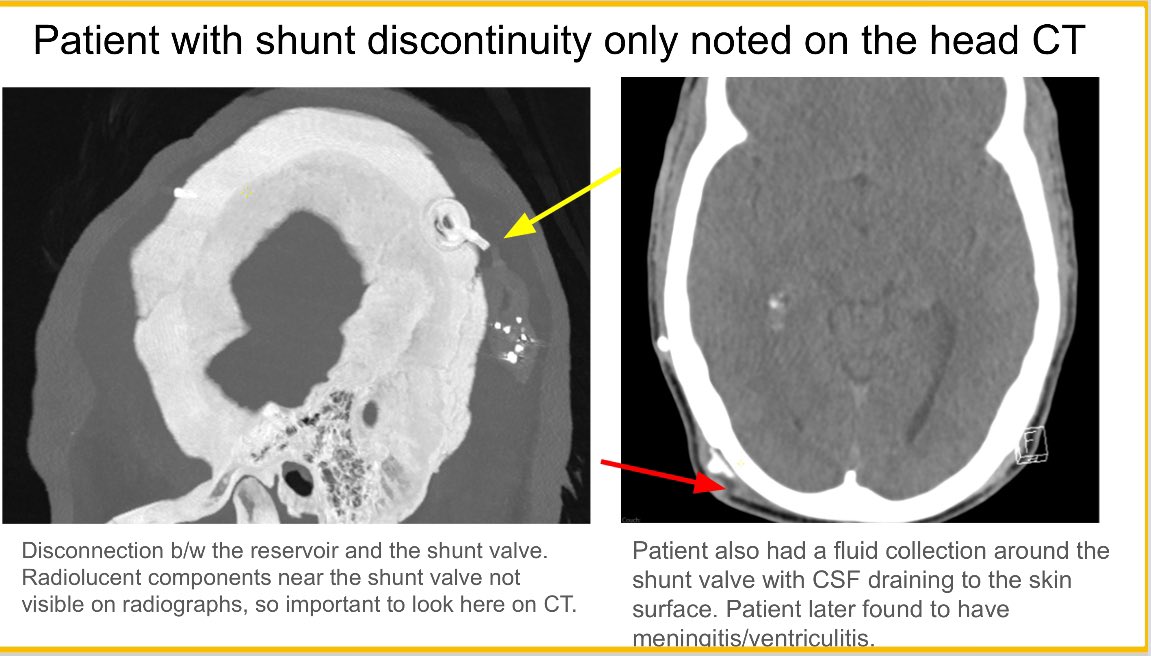
When evaluating shunted ventricles, it’s not only important to compare ventricular size, but also assess the radiopaque and radiolucent components of the shunt for discontinuity. #neurorad#radres@thecortexclub@CooperRadRes
Say bye to questions about bilateral thalamic lesions!
Feeling bipolar about bilateral thalamic lesions?
Unfortunately, the differential for bilateral thalamic lesions isn’t binary!
But here’s an easy mnemonic that can help you to remember: THALAMIC!
Here's how it works:
T = Tumor (glioma)
H = Hypoxic/ischemic encephalopathy
A = Artery of Percheron Infarct
L = Loss of thiamine (Wernicke’s)
A = ADEM
M = Metabolic/Toxic
I = Internal cerebral vein thrombosis. Infection (west nile)
C = Creutzfeld-Jacob
Now you’ll never bypass a bilateral thalamic diagnosis with this easy mnemonic!
Rhombencephalitis🧠
✳️Inflammation affecting the hindbrain&cerebellum
♓️Wide range of etiologies including infection,autoimmune&paraneoplastic
✅Listeria being one of the most common cause.Enterovirus,EBV,Behcet&CLIPPERS are other well-known causes with predilection for brainstem
Exam should be essentially normal with the exception of two findings:
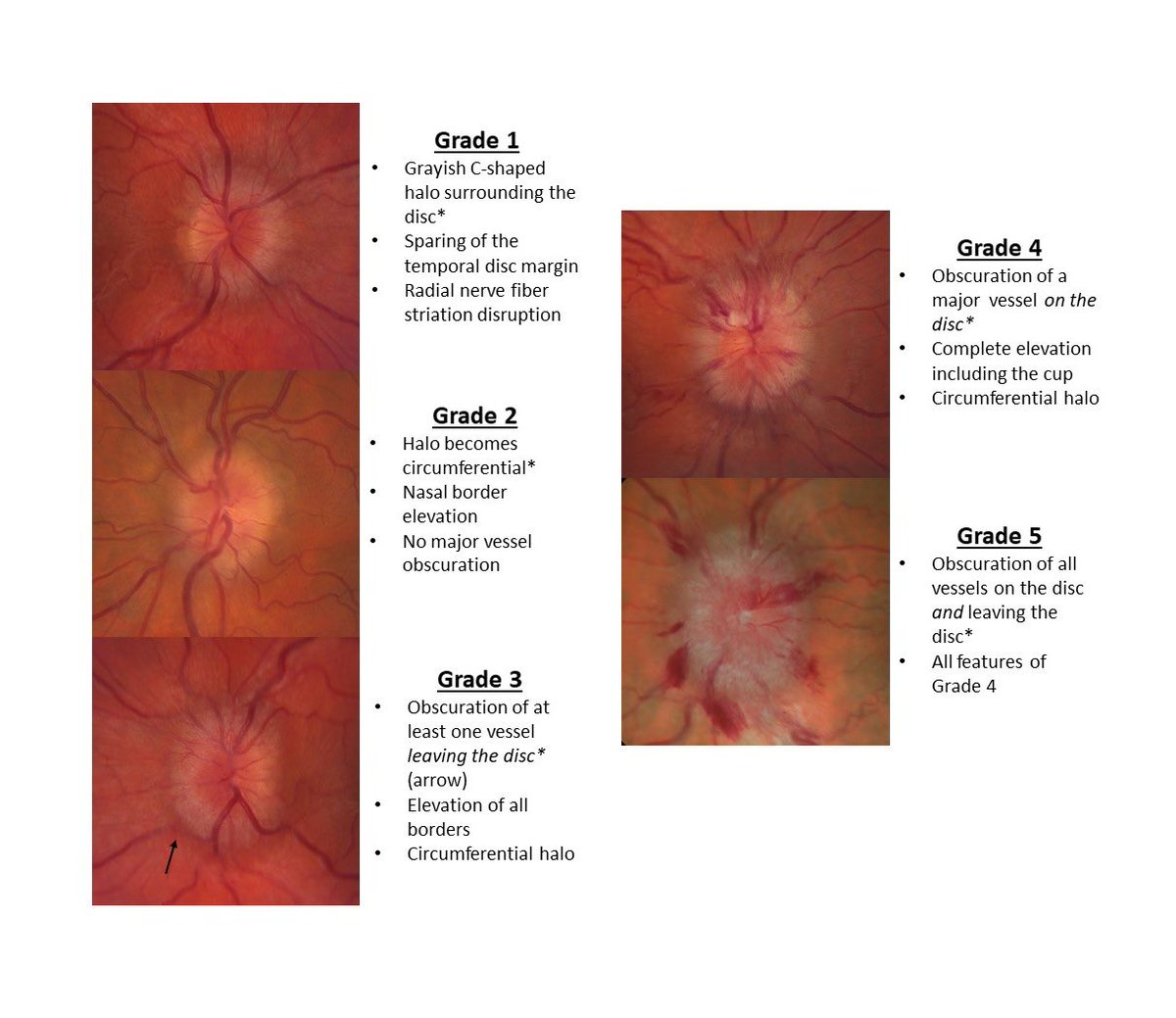
- Papilledema on fundoscopy
- Unilateral or bilateral CN 6 palsy (commonly damaged in intracranial hypertension of any kind)
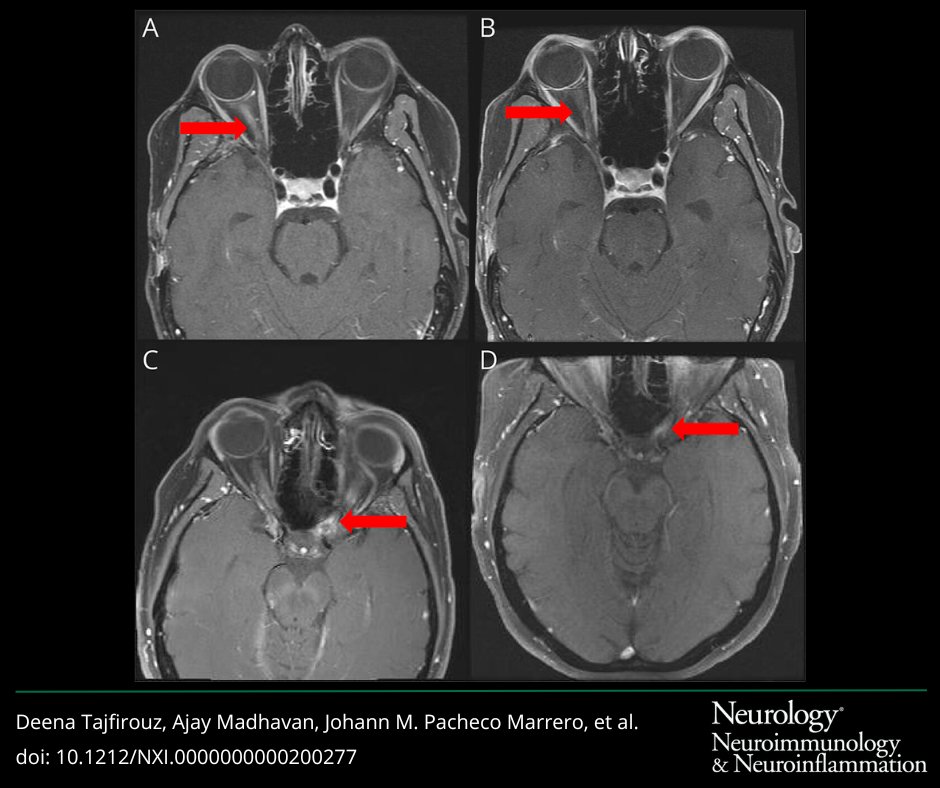
This study suggests that in patients with #MOGAD, new asymptomatic optic nerve enhancement on MRI is likely a rare event. Most of the asymptomatic enhancement occurred at prior sites of optic neuritis attack without a difference in visual outcomes.
https://t.co/f8y3IlBT7X
The European Commission gave approval to a subcutaneous form of Ocrevus to treat adults with relapsing MS types and PPMS. https://t.co/10uTIU9Zd2 #news
[ALS] Walker: "Drs. Heskamp et al. (2024) are to be congratulated for their recent publication entitled: Whole-body fasciculation detection in ALS using motor unit MRI which describes a promising advance for assessing disease onset and progress."
https://t.co/11VvMdD3tT





![ClinicalNeuroph's tweet photo. [ALS] Walker: "Drs. Heskamp et al. (2024) are to be congratulated for their recent publication entitled: Whole-body fasciculation detection in ALS using motor unit MRI which describes a promising advance for assessing disease onset and progress."
https://t.co/11VvMdD3tT https://t.co/q7gT5UD7H0](https://pbs.twimg.com/media/GLm2-UUXcAAzpWS.png)





