imgMotion is pivoting in 2026, everything is in motion. Picture movies in life & on screens. I'm building Apps that allow people to create & share these moments
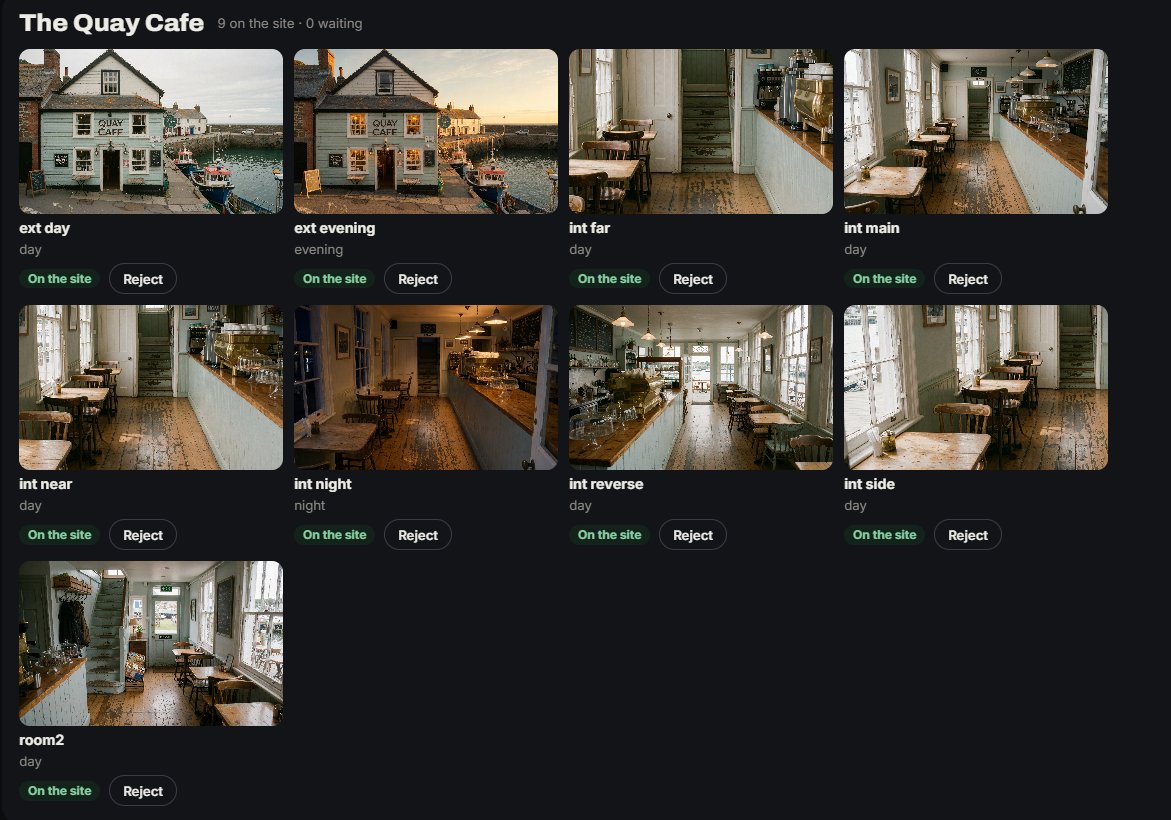
Ok, I have a question. I have been creating automated scenes with a group of characters in a fictious town. I have many interior environments and I am finding it hard to get consistency when filming. I have tried Gaussian splats and H3 / QWEN 2.1 multi angle captures, but still the room changes. Also what Model and Workflow are you using with your reference images?
ComfyUI H3 😃 Continuity Studio
ComfyUI Timeline Studio Node Pack for MiniMax H3: multi-shot video, visual memory across scenes and angles, and local or cloud Story writing, on local/cloud
👇
https://t.co/h8xpptQdQj
yo can you all do me a favor and sign up here - https://t.co/euYERqgeww more signups , more potential for investment. thanks all.
Runpod is a bit thin on GPUs, and Railway is having a brain fart. But as soon as that is resolved, its gametime!
Lil' Vader' Mace Windu is an instant classic, but I would put my Lil' Frodo's One Ring, One Road tune up against it.
It would be super cool to have a Grok Bot music video contest; call it SlopFest. What do you think @elonmusk?
A 27B model in 12 GB of VRAM. Full 262K context. 70 tok/s. And now it is UNCENSORED.
I ran it on my own RTX 3090, held to 12 GB. This is Mirai S Qwen3.8-27B, 2.4 bits per weight, an 11 GB file.
With my llama.cpp port the same card did 82K context at 38 tok/s inside 12 GB. Then @CaryPalmerr took the port and did the hard part. Same card, same file, his serve:
- context: 82K -> 262,144 with q8 KV
- decode: 38 -> 69.9 tok/s
- VRAM peak: 11.7 GB
- prefill: 1,124 tok/s
He keeps part of the KV cache in VRAM and the rest in pinned RAM, and he drafts with MTP at every depth. He checked every kernel against my fork token for token and wrote down every experiment, the failed ones too. On his real 12 GB RTX 4070 it does 76.6.
My part is small. I added abliteration. You cant edit these weights, they are compressed codes, so I measured the refusal direction on the quantized model and the engine removes it while the model runs. A 1.3 MB file and 1 flag:
- harmful prompts refused: 64 of 64 -> 0 of 64
- held-out set: 78 of 82 -> 0 of 82
- decode: 69.9 -> 69.7 tok/s
Counted by a regex, and with thinking on 1 of 24 still refuses. Deep in the context it gets slower on my card: 27.9 tok/s at 60K.
So thats 12 GB of VRAM, 262K context, 70 tok/s, abliterated. Open weights, open code, runs on your desk.
Cary did a genius amount of work and almost nobody has seen it. Go follow @CaryPalmerr right now, I mean it.
serve: https://t.co/TNmpeShz06
weights + vector: https://t.co/EOEr7bXSL1
Seedance 2.5 Prompt Drop
I'm sharing the prompts for this video and my previous two videos below.
The effect is called the frame-break effect. The character overlaps the black bars at the top and bottom, creating the illusion of popping out of the screen. I tried it with Seedance 2.0 before but never quite got the result I wanted, so I decided to give it another shot with Seedance 2.5.
Getting the bar sizes right is still tricky. The model seems to decide for itself. I tried specifying percentages, but the proportions still varied between generations. Camera movement can also make the bars move or change shape, while stronger instructions to keep them fixed can sometimes break the pop-out effect itself.
I'd like to experiment more but this feels good enough to share, and I don't want to burn through more credits. 😅
If you try these prompts, remember to customize them for your own characters. And if you find a better way to control the effect, please share it with me too!
Thanks for all the interest!