Using evidence and insight to make a difference. The quarterly magazine of the Market Research Society (@TweetMRS) and sister publication of @researchlive
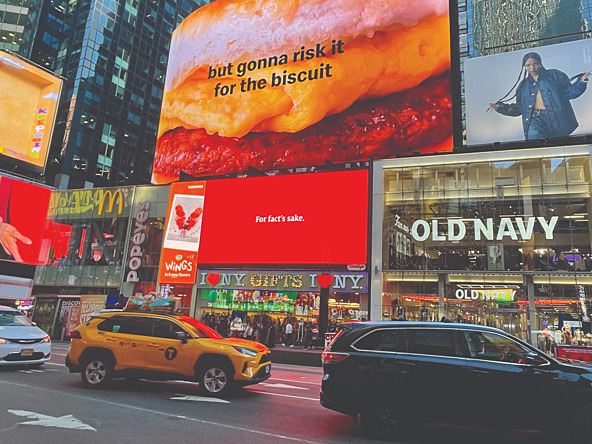
The Economist has launched a campaign to help expand its readership in the US. From launching a paywalled podcast to integrating user experience research, Seema Hope tells Katie McQuater how insight is fuelling the free-thinking media brand:
https://t.co/VEHiXiv0C2 #mrx
Numerical skills are vital but often overlooked. Crawford Hollingworth considers how to make numerical information easier to understand:
https://t.co/T6MG21uVFg #mrx
‘Failing fast’ may be the culture of Silicon Valley, but most of us are uncomfortable with failure. Yet setbacks are a part of life, and how we respond can determine how we learn:
https://t.co/0aFFiEJSD2 #mrx
One Swedish city has used citizen engagement to understand the hopes and fears of local people – and how they think wellbeing should be measured:
https://t.co/HVUIx3AWC3 #mrx
Research has identified biases against minority groups when it comes to certain financial products. Phoebe Ward and Carol McNaughton Nicholls examine how AI could potentially exacerbate the issue:
https://t.co/WktDCkIXS9 #mrx
Almost two years since the beginning of the conflict in Ukraine, a longitudinal survey with refugees is documenting their migration paths, needs and expectations for the future:
https://t.co/FFmWIL7CXW #mrx
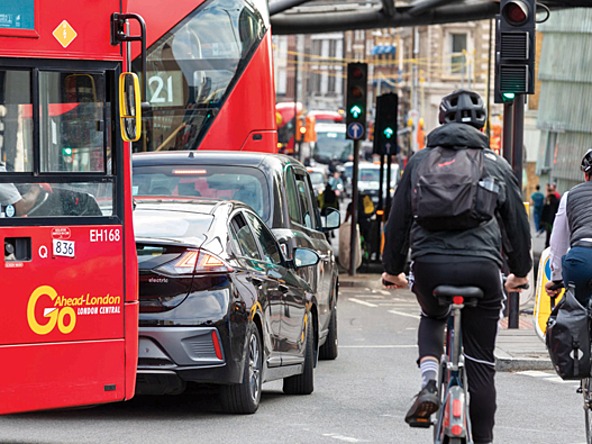
With London seeking a greener transport system, a study has examined the role of financial incentives in creating a more sustainable city:
https://t.co/bBNZMDqyxk #mrx
Generational labels have contributed to some of the laziest stereotypes ever perpetuated, and their misuse risks undermining research. Is it time for a rethink?
https://t.co/LCIhGQYF6o #mrx
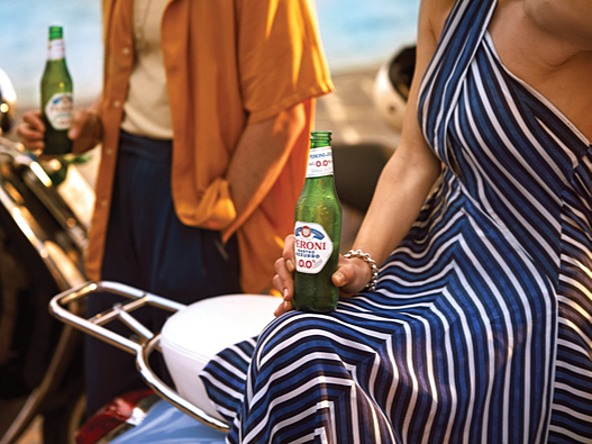
With the beer industry undergoing numerous changes in recent years, Zuzana Heleyová tells Liam Kay-McClean how Asahi is keeping up with trends and democratising data:
https://t.co/MOlvfD6LU6 #mrx
Research with seldom heard and niche populations – people who have historically not been heard from, misunderstood, or have something uncommon in common – requires creative, flexible approaches and a willingness to immerse:
https://t.co/p7RnjMCLqW #mrx
The January 2024 issue of Impact is out now! Featuring a report on niche and seldom heard research, and brands including @Holland_Barrett and @AsahiUKLtd, as well as much, much more:
https://t.co/tuG4Ay9DiY #mrx
For more than 60 years, the MRS Code of Conduct has been the foundation of good research. Julie Corney sets out the professional standards that all research practitioners must maintain:
https://t.co/INq68kcd9y #mrx
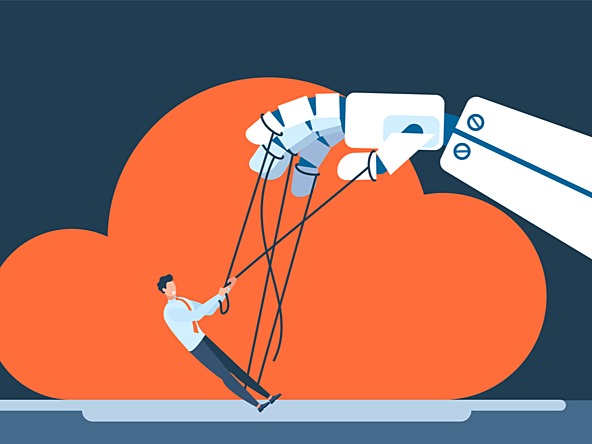
Algorithms have a huge influence on what we see online, getting personal in their recommendations and seemingly knowing us inside out. Now, some people are consciously adapting their behaviour to regain control:
https://t.co/BRaS4IBItB #mrx
Television adverts are more successful if they show the product first and brand name later, according to research examining which creative factors are most likely to be effective:
https://t.co/2UMNj8gbwX #mrx
Crawford Hollingworth examines the impact of ‘sludge’ and other negative uses of behavioural science, and how researchers can keep sludge at bay:
https://t.co/xfVpzTnDKH #mrx
Mhairi Aitken, ethics fellow in the Public Policy Programme at The Alan Turing Institute, discusses the risks and benefits of artificial intelligence and introducing ethical data practices:
https://t.co/JvJaxPlExj #mrx