Welcome to The Imperiia Project: a digital research project at the Davis Center exploring maps, archives, spaces, and stories.
Follow us for spatial histories, archival finds, student research, and new work in digital humanities.
🧵 Explore our projects below:
Whether you are interested in historical geography, archives, digital humanities, or the strange afterlives of empire, we’re glad you’re here.
Follow along for maps, stories, and research from The Imperiia Project!
Welcome to The Imperiia Project: a digital research project at the Davis Center exploring maps, archives, spaces, and stories.
Follow us for spatial histories, archival finds, student research, and new work in digital humanities.
🧵 Explore our projects below:
Beyond our recurring publications, Imperiia explores the spatial histories of empire through maps, archival sources, and place-based storytelling.
Visit the project site:
https://t.co/ubRJiYYJsL
Dig into the newest issue of our @ImperiiaProject’s digital research quarterly, DeCode, now about the strange & wonderful world of archives. How do you navigate them? What do they teach us about memory, propaganda, philology, deities? Come treasure hunt! https://t.co/CSwL0D62YG
New DeCode is out! "Manuscripts Unbound" looks inside Kazakhstan’s Manuscript Heritage project, a multi‑year effort to digitize rare Central Asian texts and rebuild access to languages that regimes have tried to erase. Find it here: https://t.co/BLJqpsCkJh
Next Monday in DeCode: an in-depth interview with artist Farrah Karapetian on Pay Locals: her cyanotype and photo-based works born from time in Uzbekistan’s cotton fields, where memories of labor, scarcity, and shared small luxuries reshape how we see “the harvest.”
New DeCode drops Monday: tag along with grad students Alice Volfson and Leora Eisenberg as they confront the real logistics of doing research in Central Asian archives! Plus get a first look at a major manuscript digitization project and other unexpected findings from the field!
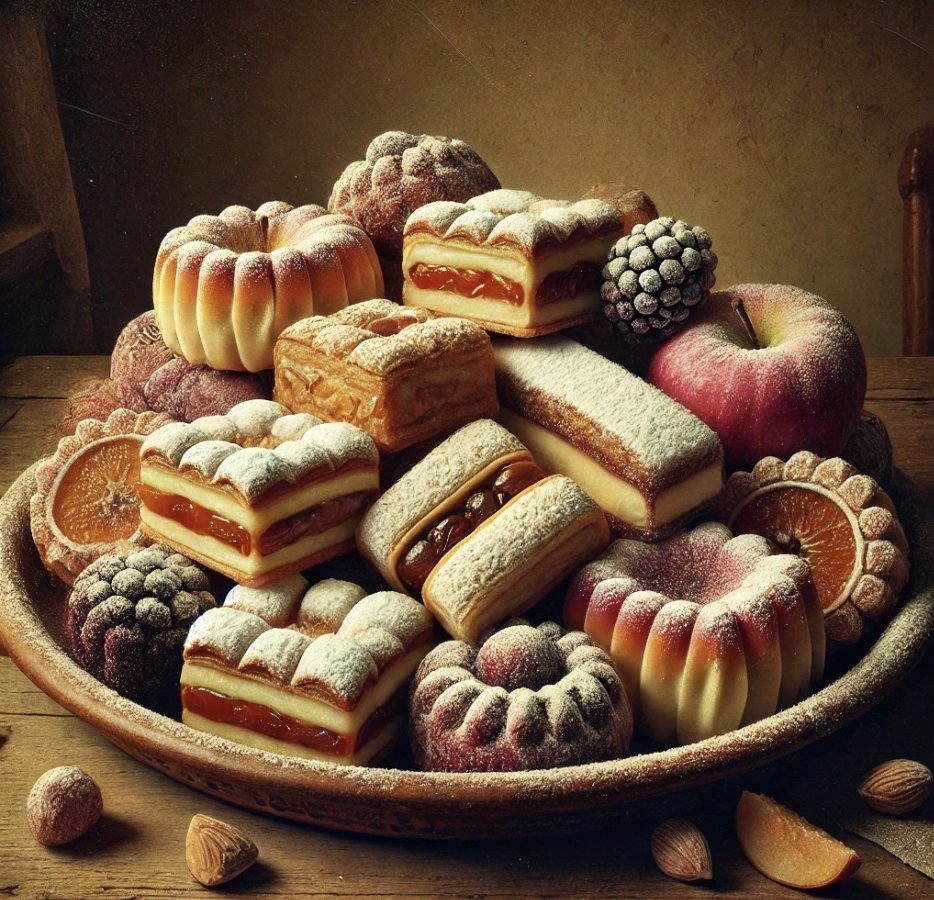
one year ago we asked: what does chocolate have to do with steam engines?
turns out a lot!
“Sweet Things” explores the confectionery industry of the Russian Empire: 162 factories, 22 provinces, 11,000+ tons of candy and chocolate a year!🎂
see more: https://t.co/WzBjoUHpRZ
in 1886, the Russian Empire counted 6,307 mosques across 34 provinces. they made a list. we made a map. 🕌🗺️
this is the kind of history we dig into every single week and it lands straight in your inbox.
want in? subscribe to Map of the Week 👇
https://t.co/s0do3NA5Tw
this map dropped last week and you weren't there for it😔🗺️
the Imperiia Project sends a new historical map of the Russian Empire every week, Baltic to Pacific, Black Sea to Arctic.
you could've been exploring. subscribe now and never miss another:
https://t.co/s0do3NA5Tw
#TBT "History has always staged its most dramatic acts upon the margin of seas and oceans."
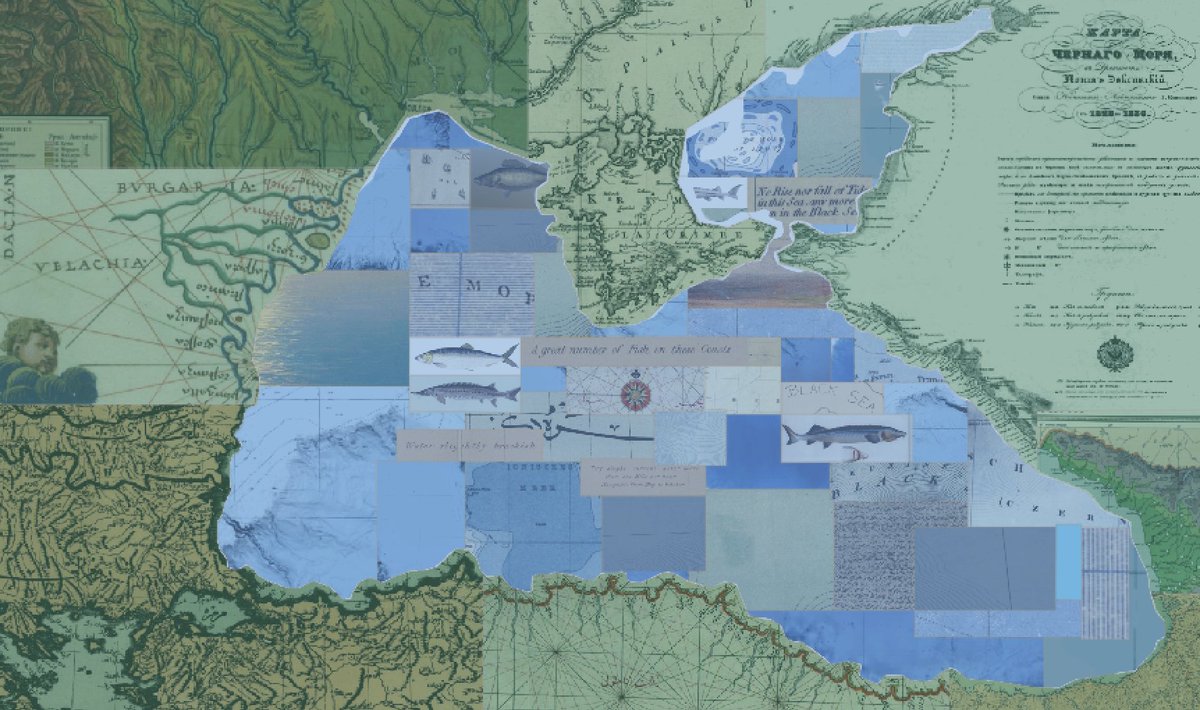
The Incremental Sea brought that to life: 51 writers, 5,000 miles of Black Sea coastline, and a mosaic map built from thousands of beautifully-crafted sentences: https://t.co/7FQgEDu7AM
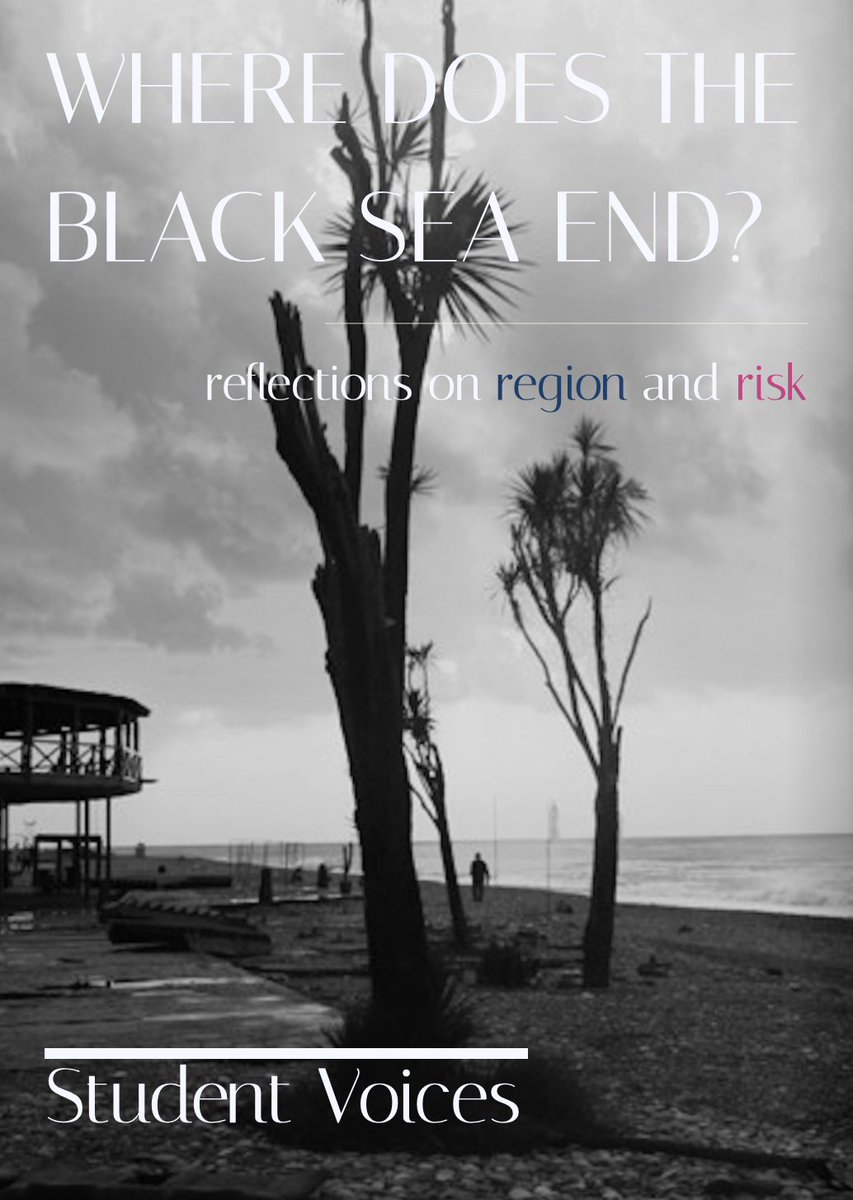
What happens when you study a region by what threatens it? REECA alum Julian Gonzales-Poirier ('25) reflects on the Black Sea Lab's approach to spatial history and why thinking expansively, from the Caspian to the Mediterranean, matters. New in Decode: https://t.co/vdBdKaPTxz
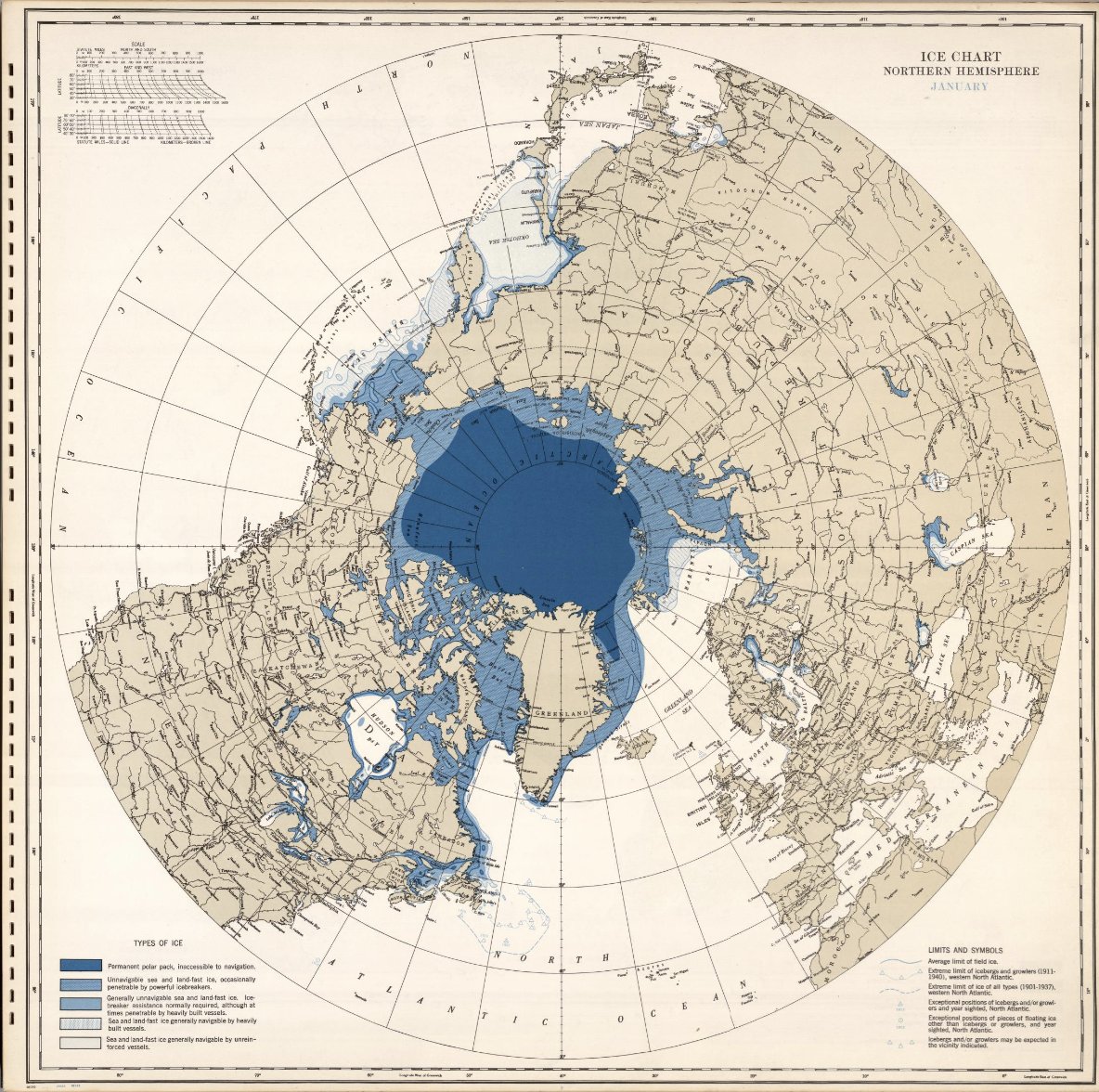
Whether you’re snowbound or in the tropics, melting polar ice concerns us all. What’s changed in 80 years? Our @ImperiiaProject’s map of the week can help you find out. Sign up today! https://t.co/038upv9e38
A map is an argument. Dr. Gökçen Erkılıç's interactive map traces pipelines, contested EEZs, and energy chokepoints from the Caspian to the Mediterranean while asking: How fragmented is the Black Sea, really? New in Decode, our Research Quarterly: https://t.co/7cFjyQKPdy
Happy Friday! Need a map fix? Subscribe to the Map of the Week! Then sit back and enjoy a splash of color (and maybe a bit of historical insight) in your inbox.
https://t.co/s0do3Nzy3Y