"If a person has ugly thoughts, it begins to show on the face. And when that person has ugly thoughts every day, every week, every year, the face gets uglier and uglier until you can hardly bear to look at it." - Roald Dahl
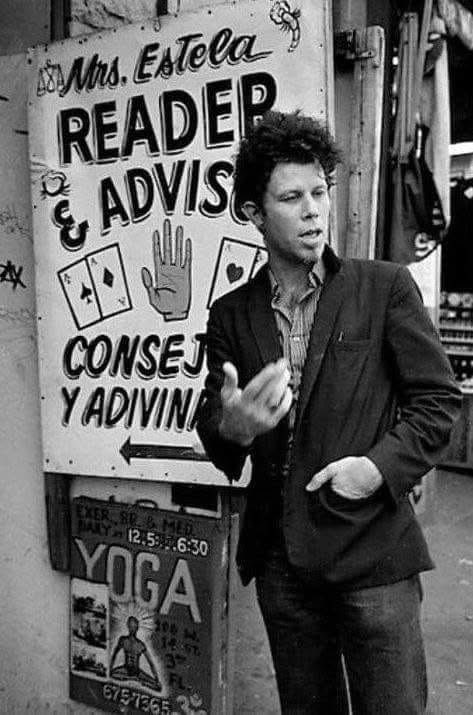
“We are buried beneath the weight of information, which is being confused with knowledge; quantity is being confused with abundance and wealth with happiness. We are monkeys with money and guns.”
― Tom Waits
Pussy ass bitch always walks out of interviews when he’s called out on his lies. Then he reverts to name calling. The good part is watching the lumbering fat fuck struggle to get out of his chair. Have I ever told you guys how much I hate this motherfucker?
Golden Sahara II, 1958.
It is as much a spirit as it is a manifestation.
When we tried to reach into the far future and bring in back frozen for but a moment.
When we dreamed of making the impossible…possible.
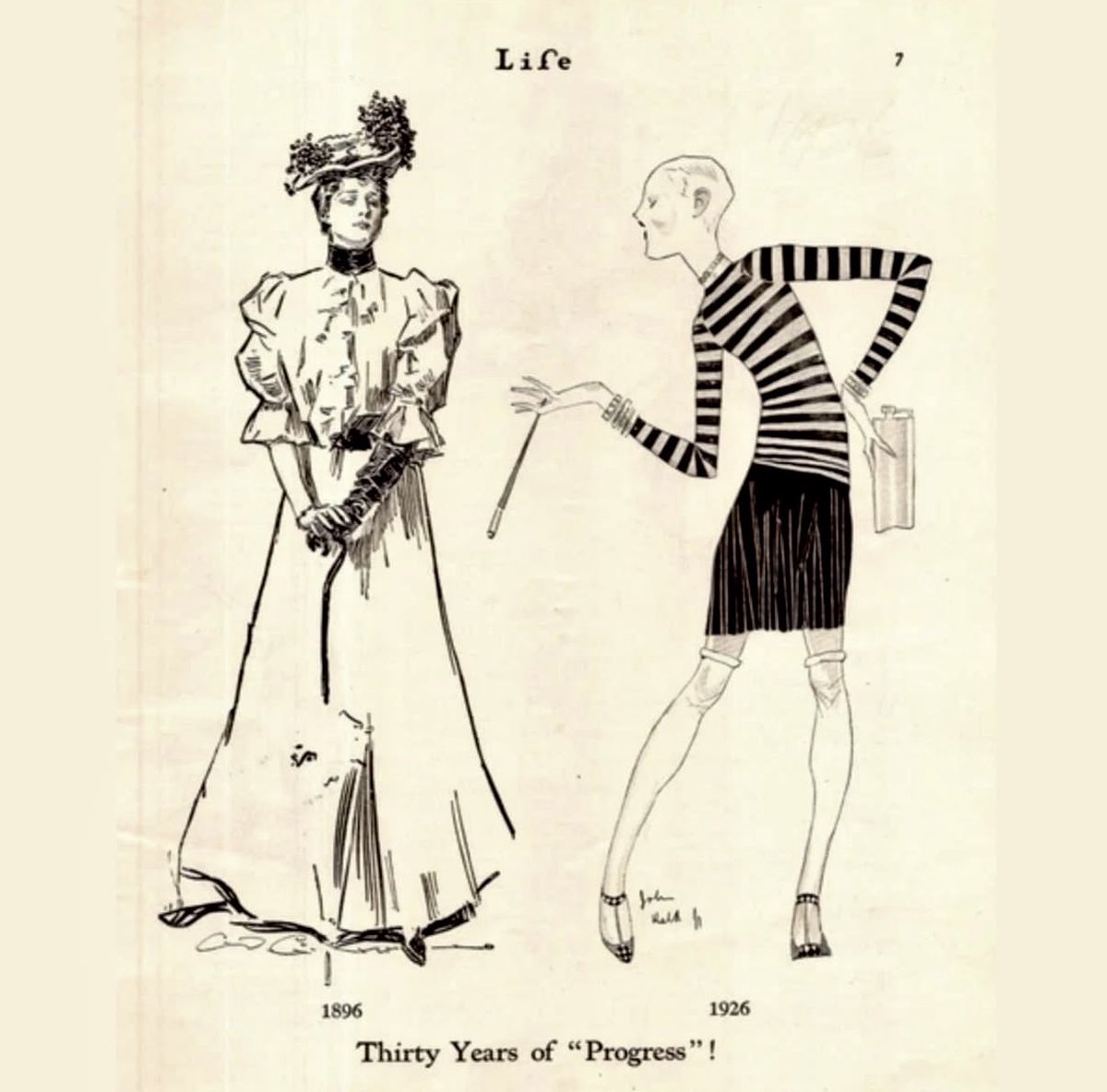
A century-old cartoon satirizing the flapper fashion of the 1920s.
Published in Life magazine in 1926, this satirical illustration contrasts women’s fashion from 1896 and 1926. On the left is the Gibson Girl, the late 19th and early 20th century ideal of femininity, characterized by high collars, long skirts, and a tightly structured silhouette.
On the right is the flapper, whose shorter skirts and more exposed form signaled a sharp departure from Victorian and Edwardian norms. She represented the “New Woman” of the era—independent, modern, and more visible in public life. While many saw the flapper as a symbol of freedom and progress, others criticized it as improper or reflective of moral decline.
Though often set in contrast, both figures reflect the shifting ideals of femininity and independence, as well as the broader cultural changes tied to women’s rights and evolving social roles, with fashion serving as a visible expression of that transformation.