Iowa Governor-elect Rob Sand points to a contradiction in our elections:
Independent voters help fund primary elections through their taxes, yet in states with closed primaries, they're excluded from participating. If we're paying for these elections, why shouldn't we have a voice in them?
@mikeroweworks has been a registered Independent his entire voting life. His perspective reflects something many of us believe:
We should be able to agree with Republicans on one issue, Democrats on another, and reject ideas from both without having our political identity questioned.
Joe Rogan and Aaron Rodgers call out the two-party system.
With more than 330 million Americans, why should Republicans and Democrats have such a tight grip on our political choices?
Governor-elect Rob Sand understands that winning an election doesn't automatically mean earning our trust. That comes from what elected officials do once they're in office.
@mcuban went as far as consulting lawyers about using antitrust laws to challenge the two major parties.
We have laws designed to protect competition in business, yet our political system remains dominated by two organizations that have helped write the rules their competitors must follow.
When we spend billions on elections only to watch both parties fight, point fingers, and pass blame, it's no surprise that more of us are looking beyond Republicans and Democrats for Independent representation that reflects our values.
If we look under the hood of American politics, how much of what drives our government comes from the people we're supposed to represent, and how much comes from the financial interests that help politicians get elected?
Joe Rogan asks us to examine that difference.
If neither party is delivering the leadership we're looking for, why should we keep accepting a political system that makes it so difficult for alternatives to compete?
How many of us would identify as Independent if the two major parties didn't have such a grip on our elections?
Governor-elect Rob Sand is openly questioning the advantages those parties have given themselves.
If we want more meaningful choices on our ballots, then over the next few years we need to examine and work to change the rules that determine who gets on them in the first place.
@Sen_JoeManchin calls it the new normal: Independent-minded voters are increasingly willing to swing between parties based on what they believe is best for our country, rather than following party loyalty.
We're hearing how great the economy is doing, but we're still struggling with groceries, gas, and energy bills. @Sen_JoeManchin says Independent-minded voters will decide the closest races in the 2026 midterms.
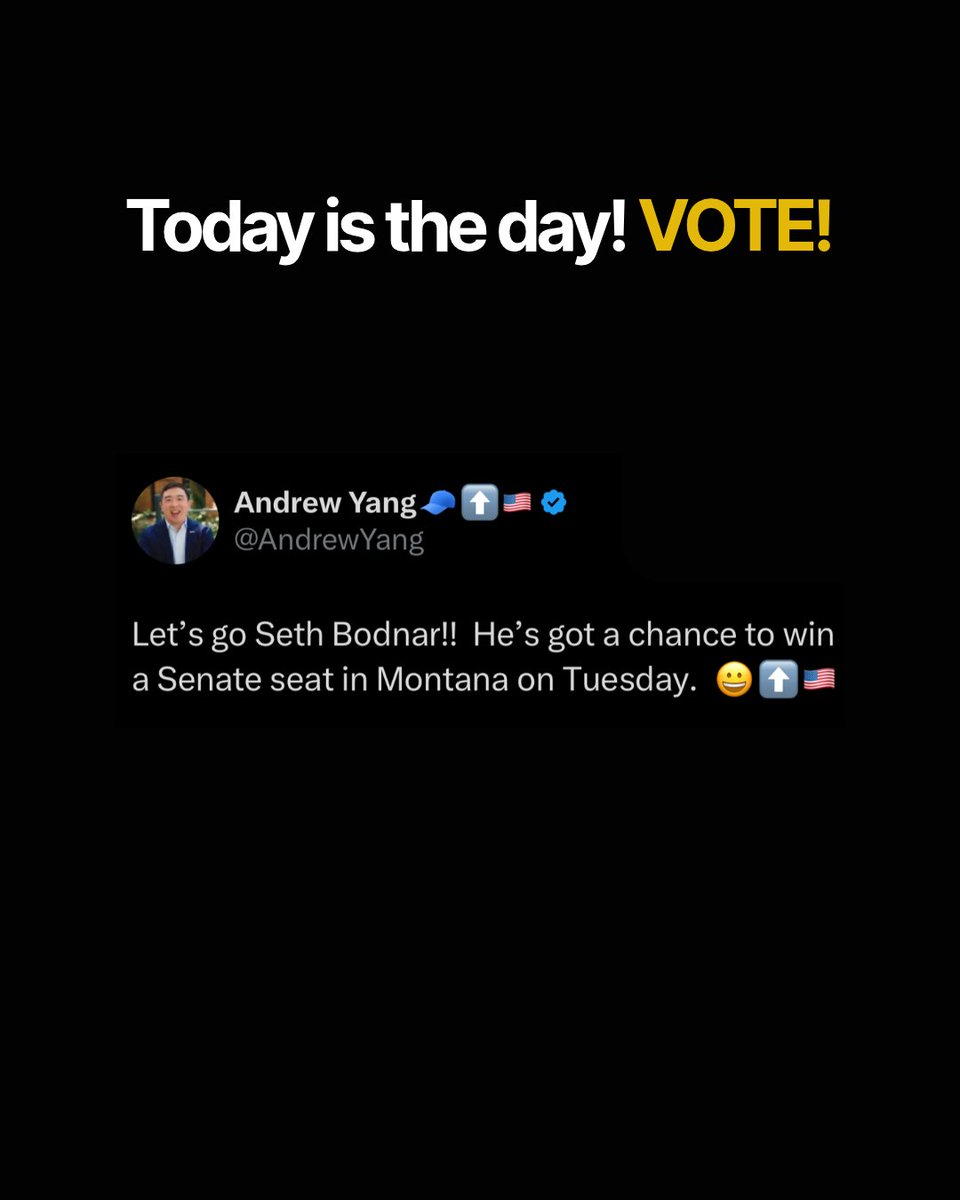
Independent U.S. Senate candidate Seth Bodnar raises a concern about what happens when we lose the ability to disagree without treating each other as enemies.
Our neighbors shouldn't become our adversaries simply because we see the world differently.