Our mission is to communicate Indian history in a way that’s simple and accessible. Our work is based on academic research - and we always cite our sources!
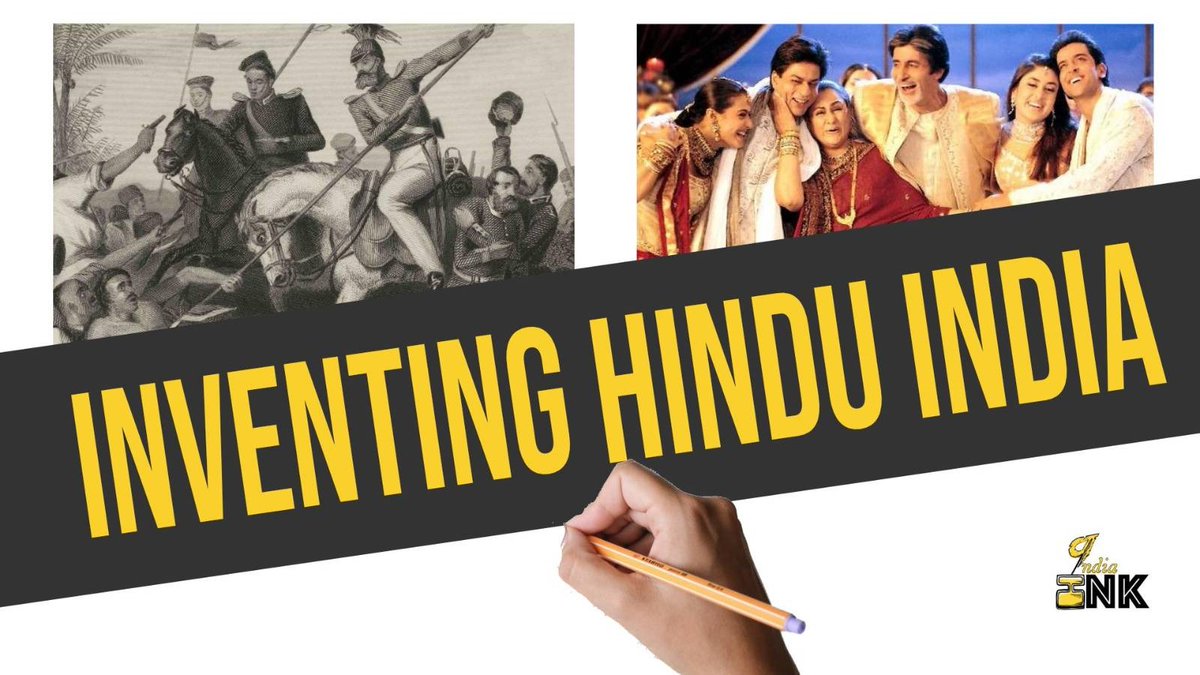
When the 19th century began, no one was sure of who or what a Hindu was. But by the end of the 20th century, it seemed like the majority of India's population was Hindu since the beginning of time. This is the story of what happened in between... https://t.co/O5xevx2IAs
Really useful thread about the arguments for and against asking about caste in the Indian census. (I explore international comparisons over time in The Uncounted, considering when marginalised groups in particular may seek, or resist, being counted by the state.)
Source text: Caste as Census Category: Implications for Sociology
Publication: Current Sociology (2000)
Author: Nandini Sundar
Summary by: Amlan Sarkar
To read a more detailed version of this summary or to access the original paper, go to our website... https://t.co/UllKmSFqMe
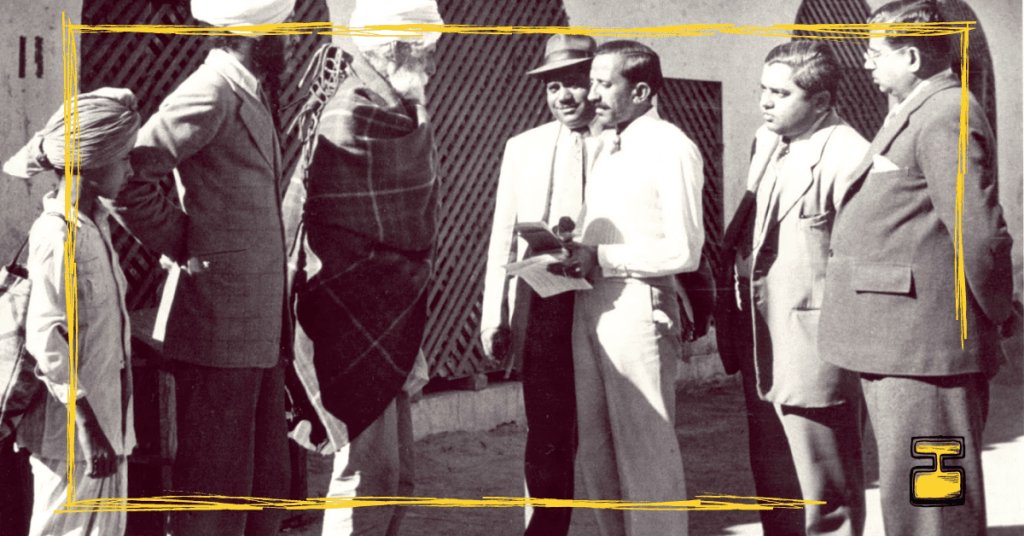
Should we include caste in the census?
Some believe that it will lead to greater social equality, while others believe it will divide Indian society even further.
This thread will trace the history of caste in the census and analyse the arguments for and against it👇
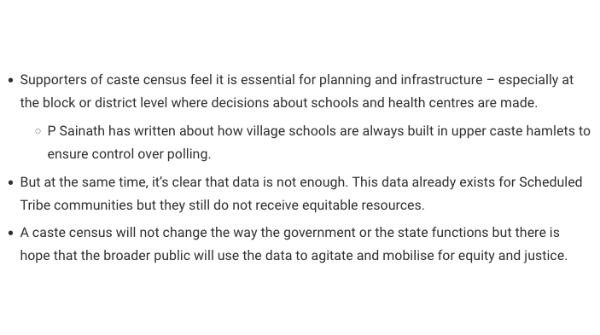
While supporters of the caste census argue for the need to collect caste data, it is clear that data alone isn’t enough to change Indian society. The hope is that this data will lead to more mobilisation by the people for greater equality and justice.
Source Text: Caste Politics in Bihar: In Historical Continuum
Publication: History and Sociology of South Asia (2018)
Author: Rakesh Ankit
Summarised by Isha Phullay
Click on the link below to read a more detailed version of this thread. https://t.co/v8nonnyk4i
The popular understanding of backward caste politics in Bihar is linked to the rise of Lalu Prasad Yadav in the 1990s. But the struggle for upliftment of these groups goes all the way back to the early 20th century. Thread👇
14. While Lalu’s politics in the previous decade had focused on justice and dignity in the face of upper caste oppression, Nitish emphasised welfare and development programs.