The story of horse is very unique thanks to humans.
(THREAD)
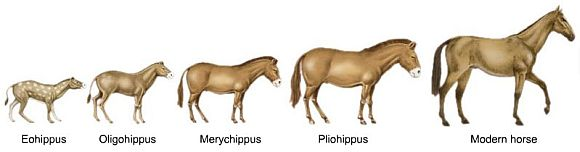
North America saw in the Eocene epoch (56-44 million years ago) a dwarf horse like animal with arched back. From that across the ages, they grew larger in size, had longer legs & bigger brains.
History turns into myth as soon as it is remembered. The study of actual historical facts is quite different from the study of how the historical facts are remembered.
The tripartite split of the cosmos viz the heaven, the realm of humans and the underworld is shared across totally unrelated cultures. Some exhibit more than three but even they agree on basic hierarchy.
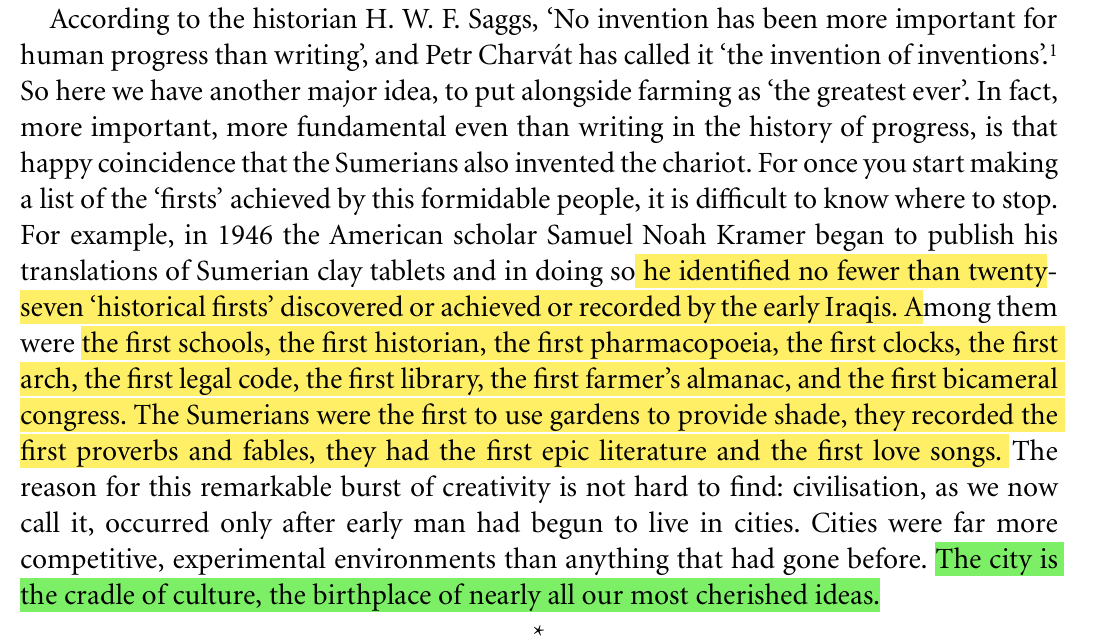
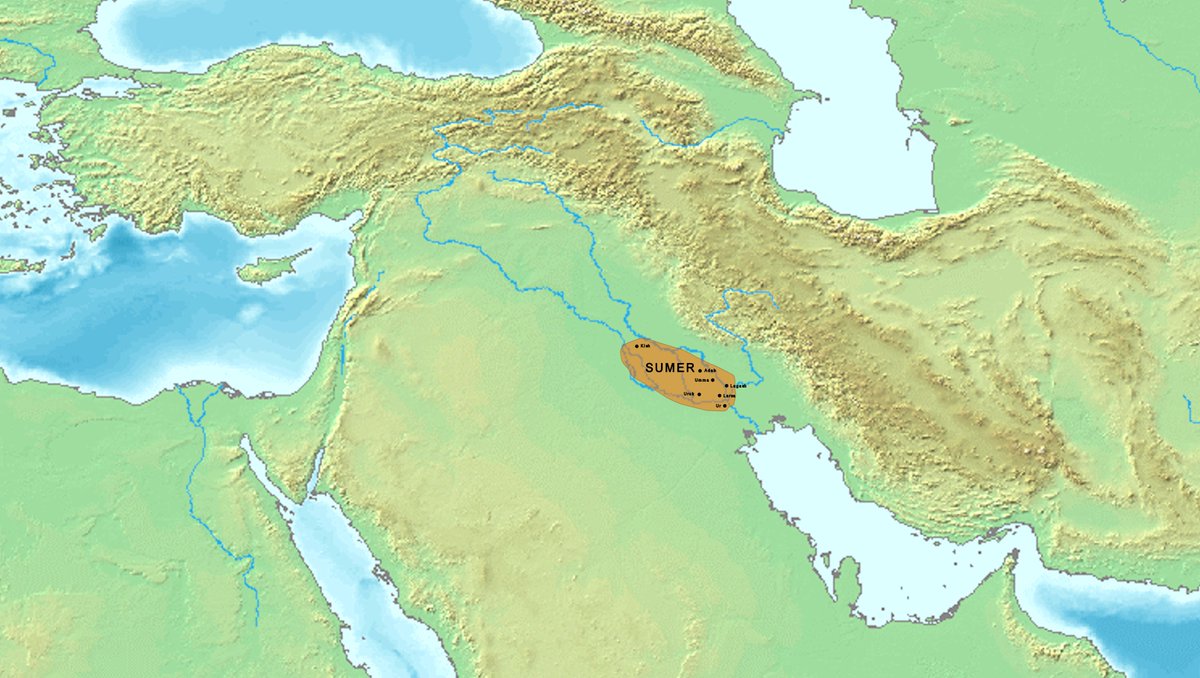
Most of the world's cultures and ideas stem from an ancient civilization in modern-day Iraq known as Sumer. It is in Sumer where we find a lot of world's first including writing.
Cauvin theorized that the true origin of religion was right before the start of the agriculture when in Levant, two symbolic figures of the humans were developed as opposed to the prior figurines which depicted animals. This worship was for fertility & well-being of the tribe.
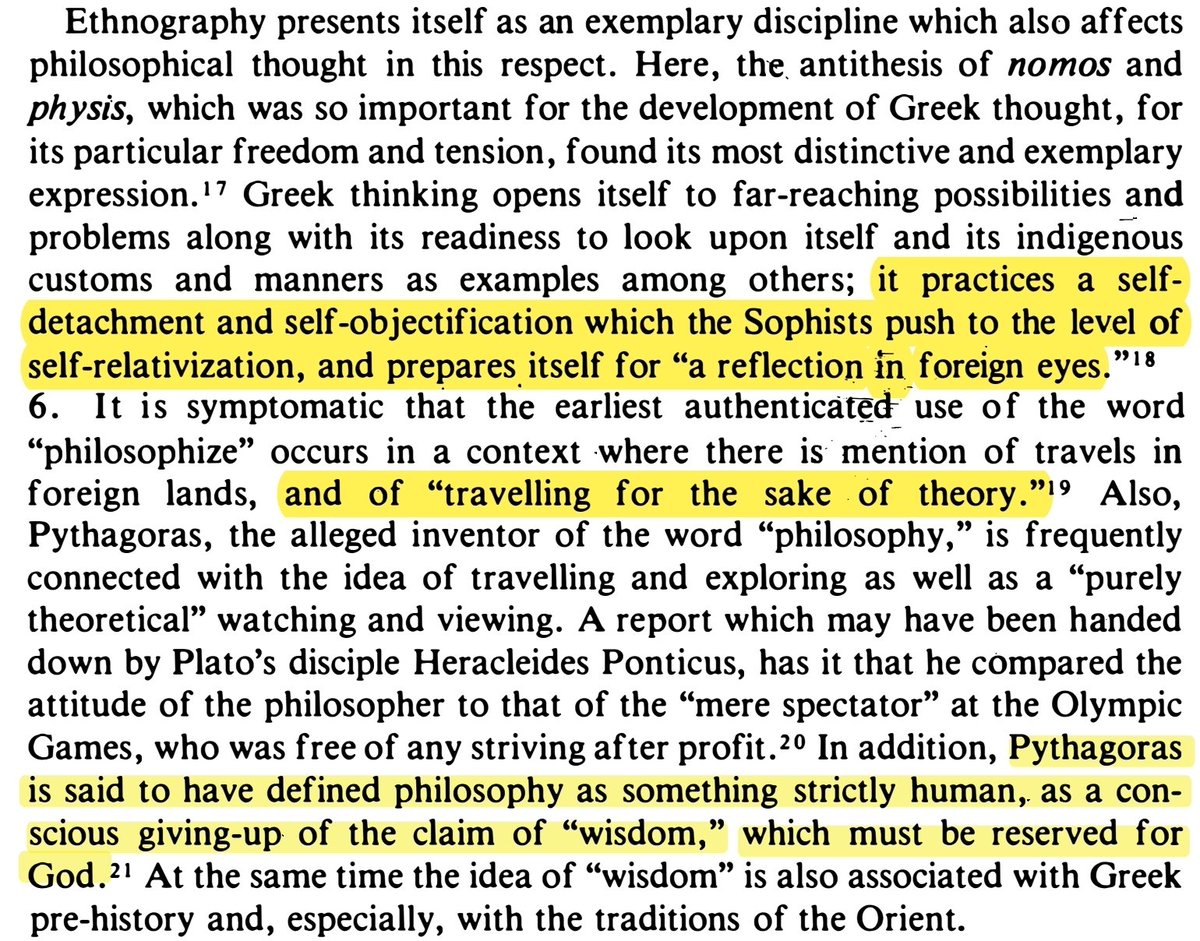
A radical religious change occurred in the Western world from the sixth century where the concept of religion itself changed from offering sacrifices to the God to a new mainly communitarian religion which also held the book in high regard.
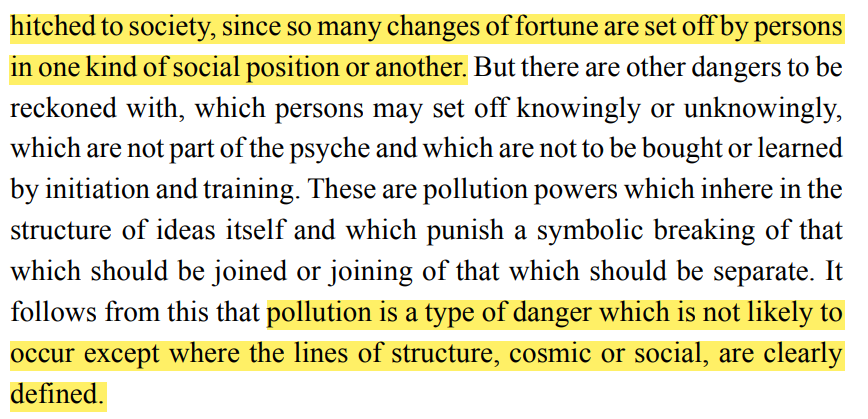
Spiritual powers are always linked to social hierarchy, whoever holds the power in real world holds spiritual powers (directly or indirectly). The only exception where spiritual power is independent of society is where the social structure itself does not have any order.
Shifting to sedentary agriculture from hunting & foraging was a costly deal for the human body. The grain based diet lacked much essential nutrients like protein which also proved more vulnerable during epidemics. Deficiency diseases like rickets & beriberi were common.
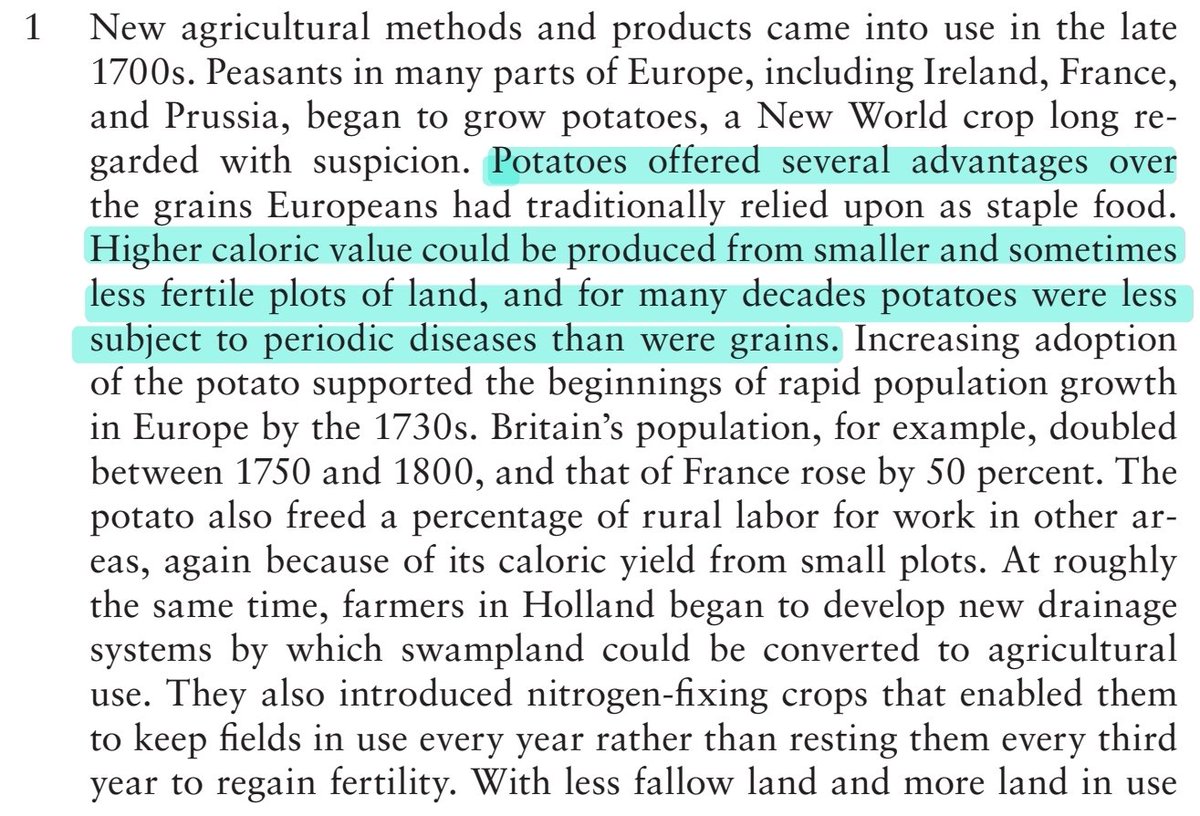
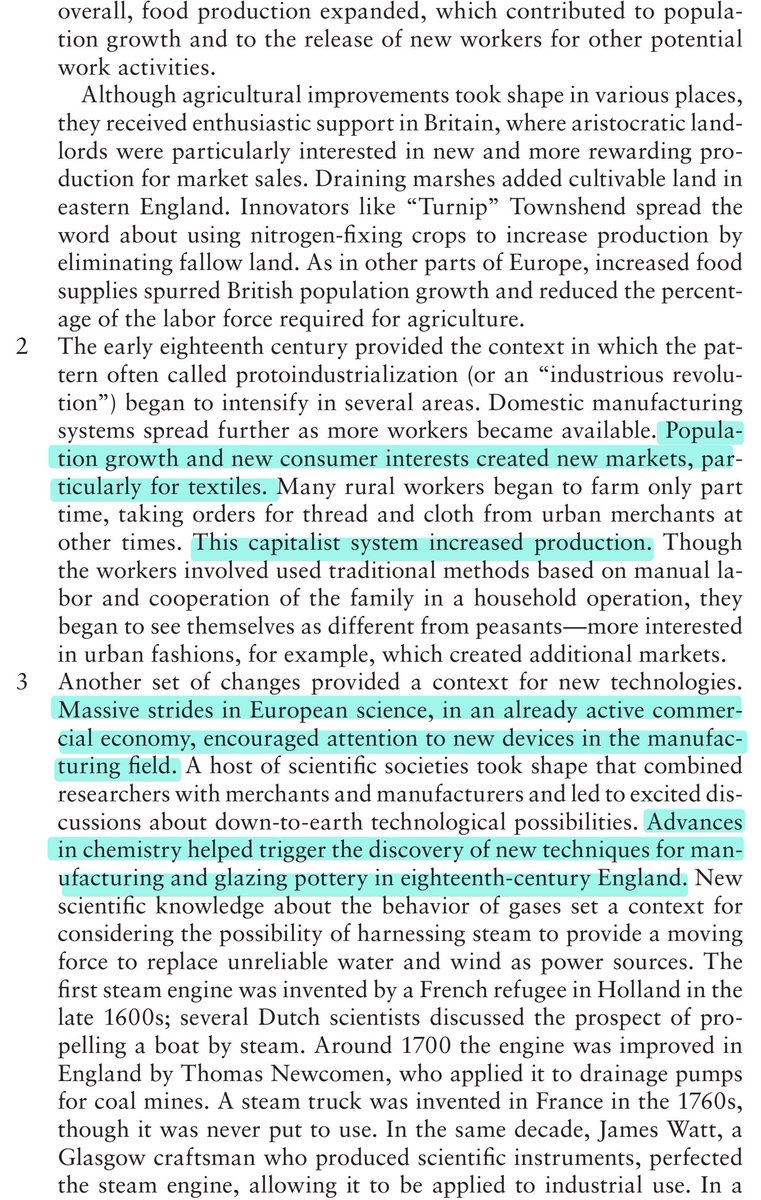
Peter Stearns enlists three major factors which facilitated industrial revolution in 18th century Britain : Cultivation of potato which had higher calorific value, capitalist system which created demands for products and the advances in science like the steam engine.
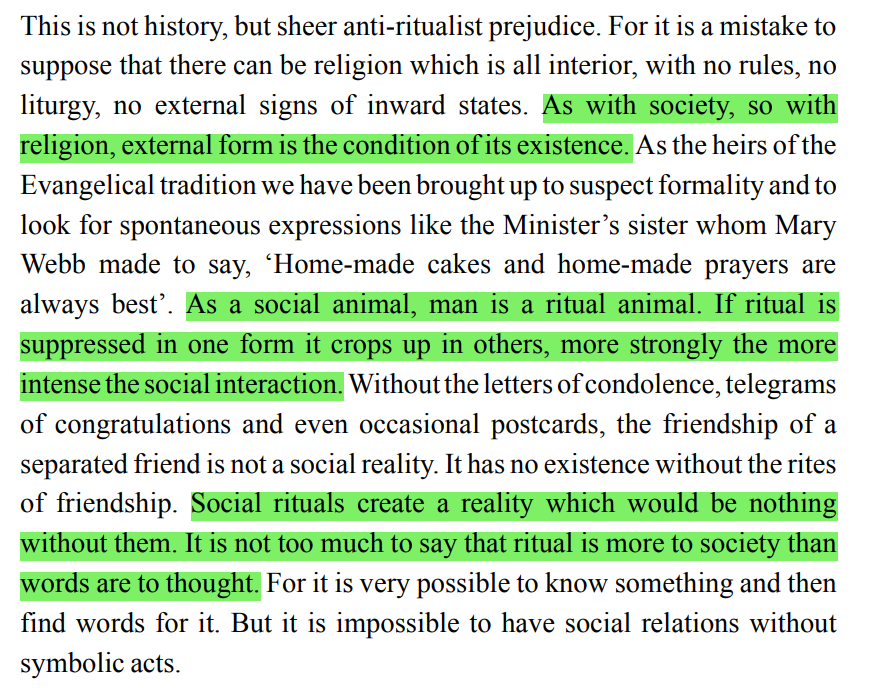
The institutions however a product of human interactions appear as an external objective reality to individuals, as real as anything not product of human interaction.