The Death of Neighbourhood Store | Why Meghalaya is opposing 10-min delivery apps
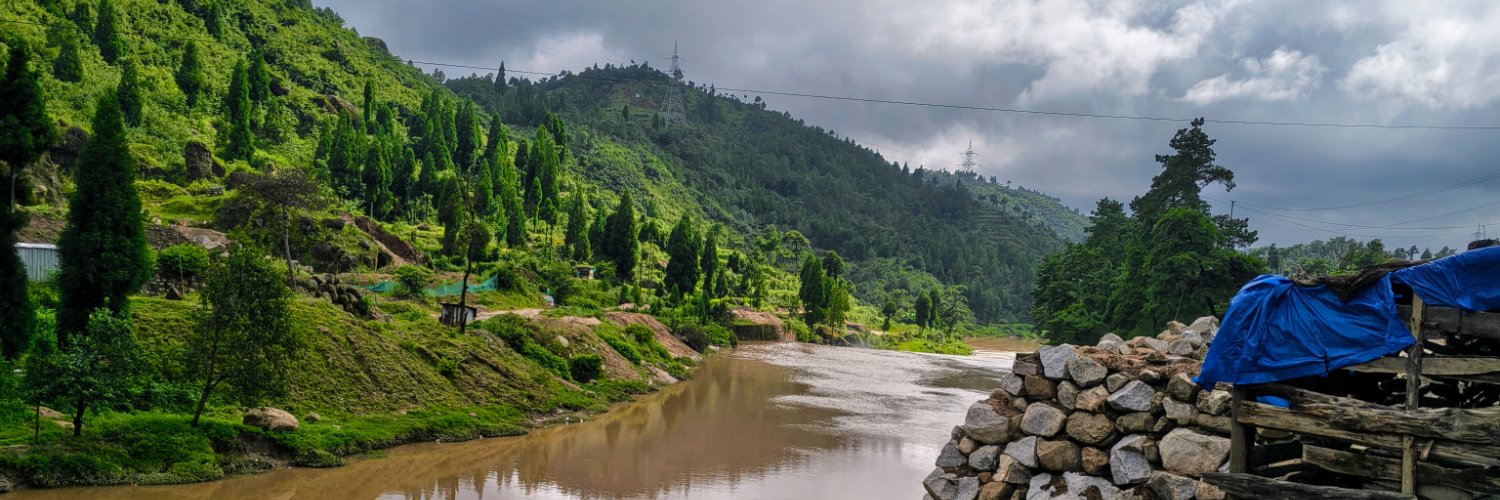
Meghalaya has done something that the rest of India will soon have to debate. The Khasi Hills Autonomous District Council has purportedly refused trading licences to quick-commerce companies, choosing instead to protect more than 4,000 local grocery stores.
The internet is divided. Some call it anti-business. Others call it protecting livelihoods.
I think both sides are right.
This morning, it was pouring in Guwahati.
Instead of putting on my slippers and walking to Kalita Store for bread and eggs, I lazily opened a 10-minute delivery app.
Ten minutes later, bread, eggs and a few surprise discounts landed at my doorstep. The sandwich was ready.
Courtesy of a young boy riding through the rain for a modest income, and my mother waiting in the kitchen.
Halfway through breakfast, a thought crossed my mind. Kalita Store, you've finally met your match.
How does one neighbourhood shop compete with a company that is happy to lose money on every delivery?
It doesn't.
Because this isn't really a battle between two grocery stores. It is a battle between your neighbourhood uncle and a spreadsheet in a venture capital office. One knows your father's name. The other knows your purchase history.
The groceries are merely an excuse. The real business is your attention, your habits and eventually your loyalty.
America watched its mom-and-pop stores slowly disappear under the weight of big retail. We are watching the Tier 2 city version unfold in real time.
The old saying, "aku nohole gella maal or dukan khuli dim," once meant that if life didn't work out, you could always open a departmental store and make an honest living. Today, that sentence belongs in a museum. If you decide to open a grocery shop selling Sona Shakti rice tomorrow, you aren't competing with another Barman Store. You're competing with billions in venture capital, data scientists, IIM graduates and algorithms that already know what you'll buy before you do.
And yet, I cannot bring myself to hate these apps.
I've seen boys from small suburbs of Guwahati pay for college through delivery jobs. I've seen students earn their first income because someone wanted bread in ten minutes. In towns where private jobs barely exist, these bikes have become employment offices on two wheels.
That is what makes this debate so uncomfortable. One person's convenience is another person's livelihood. One person's discount is another person's business closing down.
But somewhere in all this efficiency, I fear we are losing something far more valuable than a grocery store.
We are losing the human pause. The shopkeeper who knew my father. The uncle who quietly said, "Pay later."
The conversation that began with bread and somehow ended with cricket, politics and the weather. The recommendation, "Fruit & Nut lobo... Silk nai." to growing older and telling them "Classic Mild rakhok".
An app doesn't recommend because it knows you. It recommends because it knows your data.
Perhaps Meghalaya isn't merely protecting grocery stores. Perhaps it is trying to protect the last remaining spaces where commerce still feels human.
Yours truly,
A loyal 10-minute delivery app user.