Another brilliant cut from the same BBC series "Fall of Eagles" (1974).
After crushing the Austrian army at the Battle of Koniggratz (1866),
King Wilhelm I & his generals wanted to march on Vienna.
Bismark was against it & threatened to jump from a 4th-story window. 😂
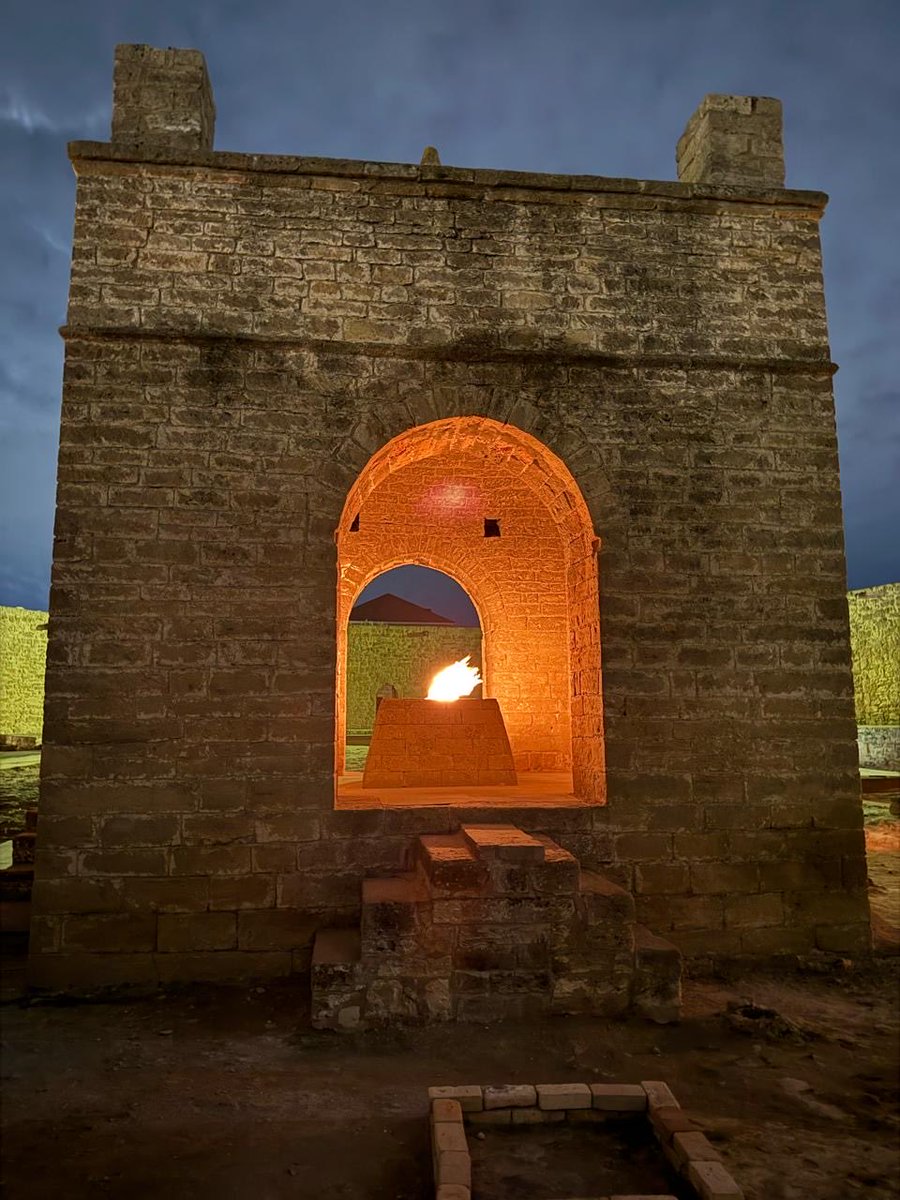
Pillars are the essence of a civilization.
India has many pillars which are now remnants of temples.
This one was built between 1261 - 1271 AD by the Maratha King Mahadev Jadhavrao
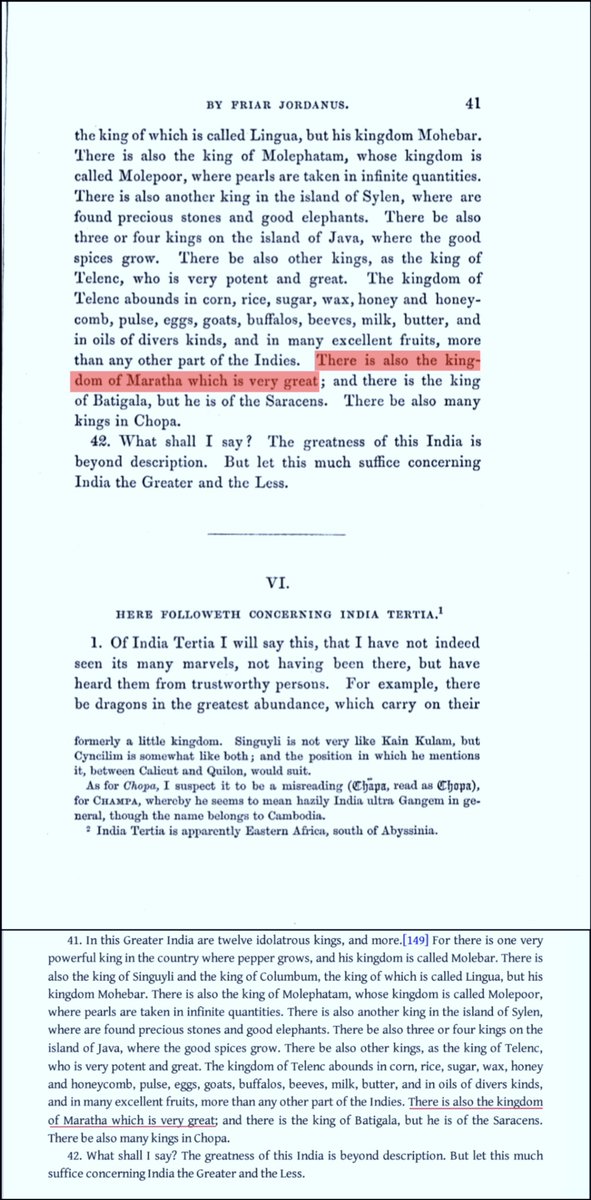
Seundesh Jadhavraos - The Kingdom of the Marathas. 🚩- 14th century text by French Friar Jordanus
@keshavadevarao More population = more seats. UP is the nerve centre of Indian politics, you can see this in almost every election since Jawaharlal Nehru to @narendramodi.
law and order situation was so dire before Yogi govt. especially during akhilesh gvt that sex ratio was crashing like anything.
the moment 🪷 came you can see it reversing.
there's a reason women vote heavily for 🪷 - and ladli schemes is not the one :)
It was first discovered when PantPradhan Nanasaheb was reigning & finished off before Peshwa Madhavrao passed away, i.e 1741 - 1768.
This is the damage humans did to their surrounding ecosystem within a short span of time when let loose.
This animal was called a sea cow.
It was larger than an elephant and disappeared just 25 years after Europeans first discovered it.
They literally ate it to extinction.
Most of the worlds extinct species are due to White colonialists.
Samrat Lalitaditya vs. Tibetans ⚔️ 🔥
A letter-report written to the Tang emperor Xuanzong records a decisive engagment between the Kashmiris & Tibetans where the latter were put to rout after a grim struggle.
And therefore Lalitaditya casually offers to succour the great Tang!
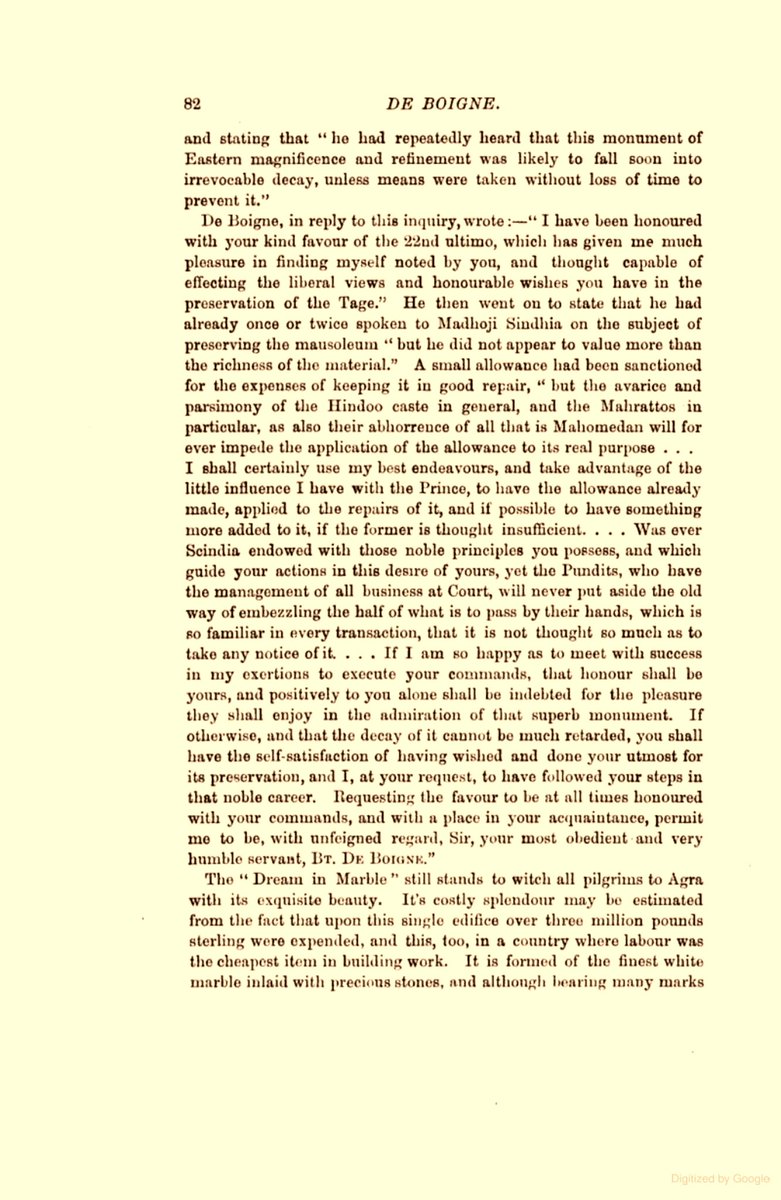
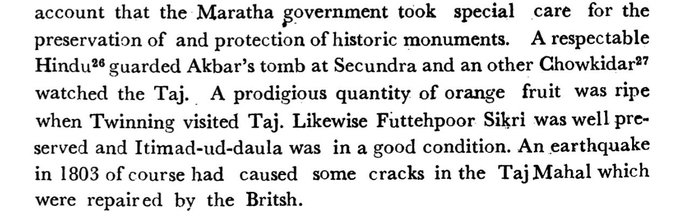
know this isn't true. Marathas did in fact take several serious measures to look after and preserve these older monuments.
https://t.co/SM2AmAD61n
Also note that Herbert Compton has not cited (as usual) a single source for this alleged statement from De Boigne anyways.
Built with Hindu money, by Hindu builders. We enabled it.
It's Hindus who should be thanked for not smashing the monument to pieces when they had the chance under Hindu Maratha & Jat onslaughts and rule.
Instead, we (rightfully) preserved it.
Here's a fine display of deliberate misinterpretation and ignorance.
This remark by De Boigne is found in Compton's book where the Savoyard criticises the Brahmins & Marathas (and Hindus in general) for their "avarice" & "parsimony" and hatred for all things that are MAHOMEDAN…
De Boigne: “You have no idea of the avarice, parsimony and bad faith of Hindus, Marathas in particular. The Pundits embezzle half of everything.��
Years later, a British resident enquired of De Boigne. Sindhia replied that he couldn’t recall having heard of anyone of that name.
(i.e Islamic). In the larger context, he's not implying Hindus or Marathas are greedy per se but on the basis that they neglect and despise Islamic legacy (inc. monuments). Brahmins are criticised for hoarding funds IF they're raised to preserve the Taj Mahal.
Now we do…
Political ideologies in India:
> Libertarians
> Don't understand economics
> Feminists
> Mainly focused on protecting rapists and deflecting blame
> Seculars
> Want to establish an Islamist theocracy
> Liberals
> RT white supremacists
> Global South kangers
> funded by CIA
Mutinous army?
They were old anti-British elements of Scindia Darbar. 1843 is clearly a proxy war, with alibi for royal family.
But British sources are clear about the imperial ambitions.
The legality of intervention was contested in Parliament itself (Hansard, 8 March 1844).
But then why are people saying that this was Scindias fighting British when it was literally a mutinous army being put down by the Scindia's Defensive Ally, who allowed them to retain what territory they had, and decided what subsidiary forces they could hold after 1803?
The "Good Maharaja" or Dobrego Maharadży here refers to Sir Digvijaysinhji Ranjitsinhji Jadeja not the Kolhapur Karveer Chattrapati Maharaja, albeit he too had rescued thousands of Poles from Nazi oppression.
📍 Bengaluru | Premier @donaldtusk przekazał potomkowi Dobrego Maharadży wyjątkowy znaczek pocztowy z osiedla Valivade, w którym podczas II wojny światowej znaleźli schronienie polscy uchodźcy.