India collects waste from 97% of urban wards.
Yet 17% of urban waste, about 31,000 tonnes a day, is unaccounted for, and Delhi dumps 4 new tonnes for every 10 it clears.
Our research on where the system breaks 👇
https://t.co/xLZcHTJ2hl
#CleanIndia#SwachhBharat#PublicPolicy
INDIA GENERATES THE WASTE. BUT CAN IT MANAGE IT?
Poor segregation, overflowing landfills and inadequate waste processing plague Indian cities. What needs to change?
Our latest research by Indica Praxis.
#Indiancities#WasteManagement#UrbanGovernance#cleanindia
2/2
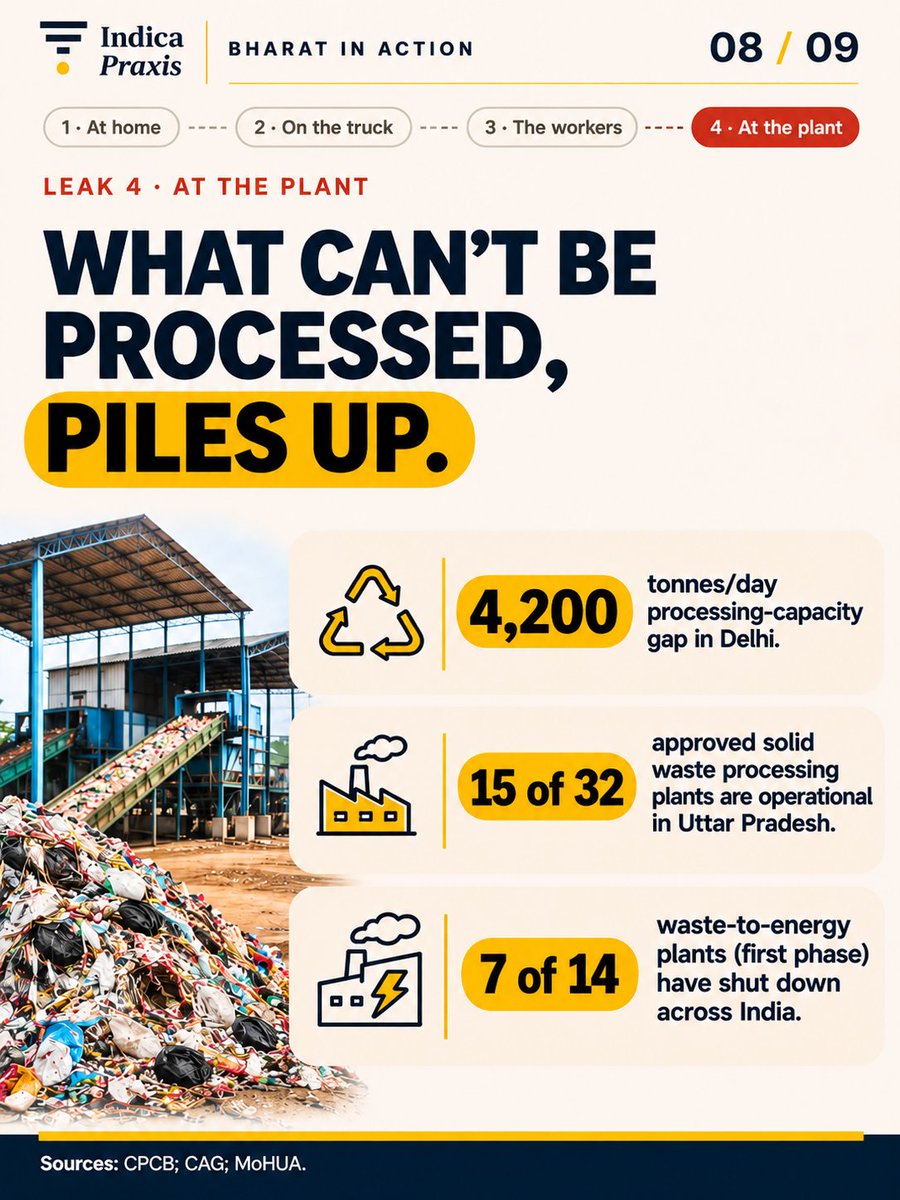
𝗧𝗵𝗲 𝘀𝘆𝘀𝘁𝗲𝗺 𝗹𝗲𝗮𝗸𝘀 𝗮𝘁 𝟰 𝗽𝗼𝗶𝗻𝘁𝘀:
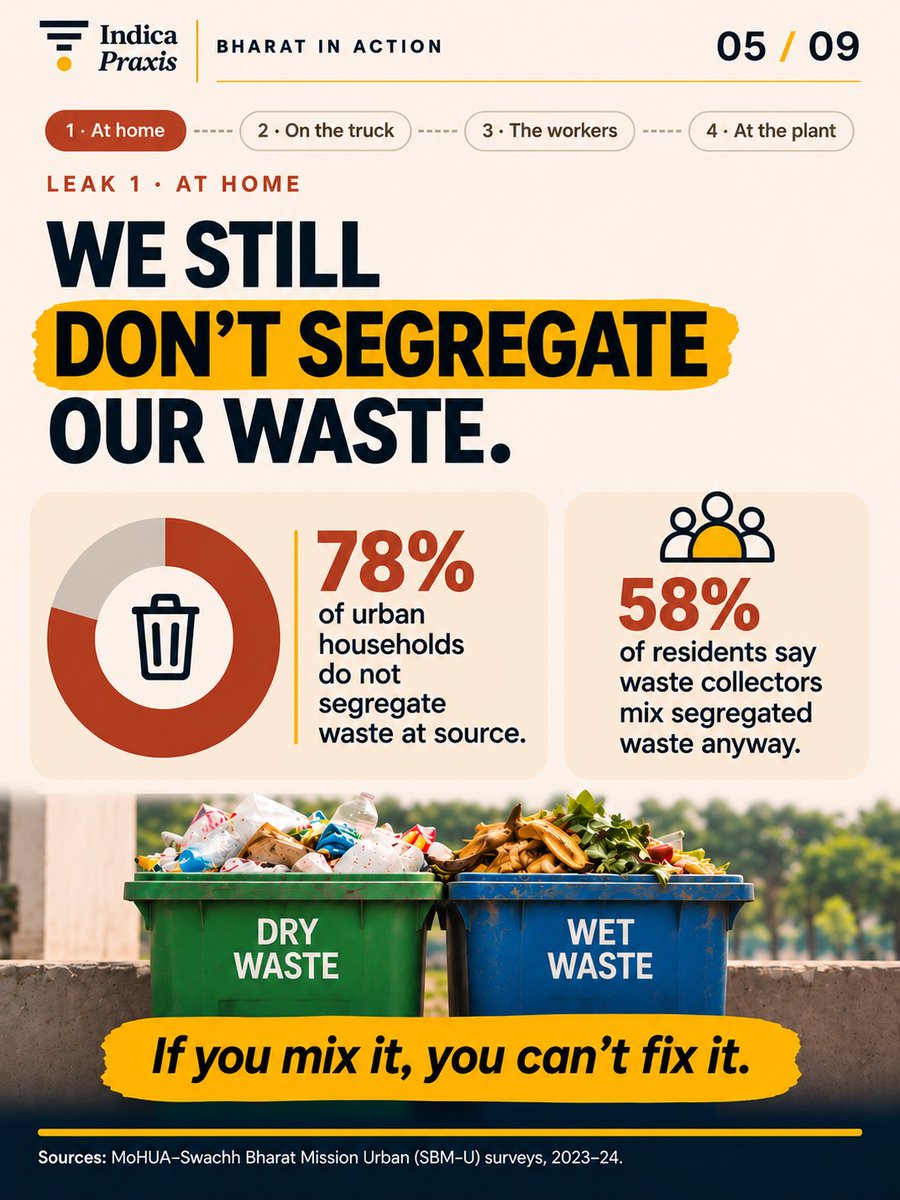
1. Home: 58% say collectors mix sorted waste
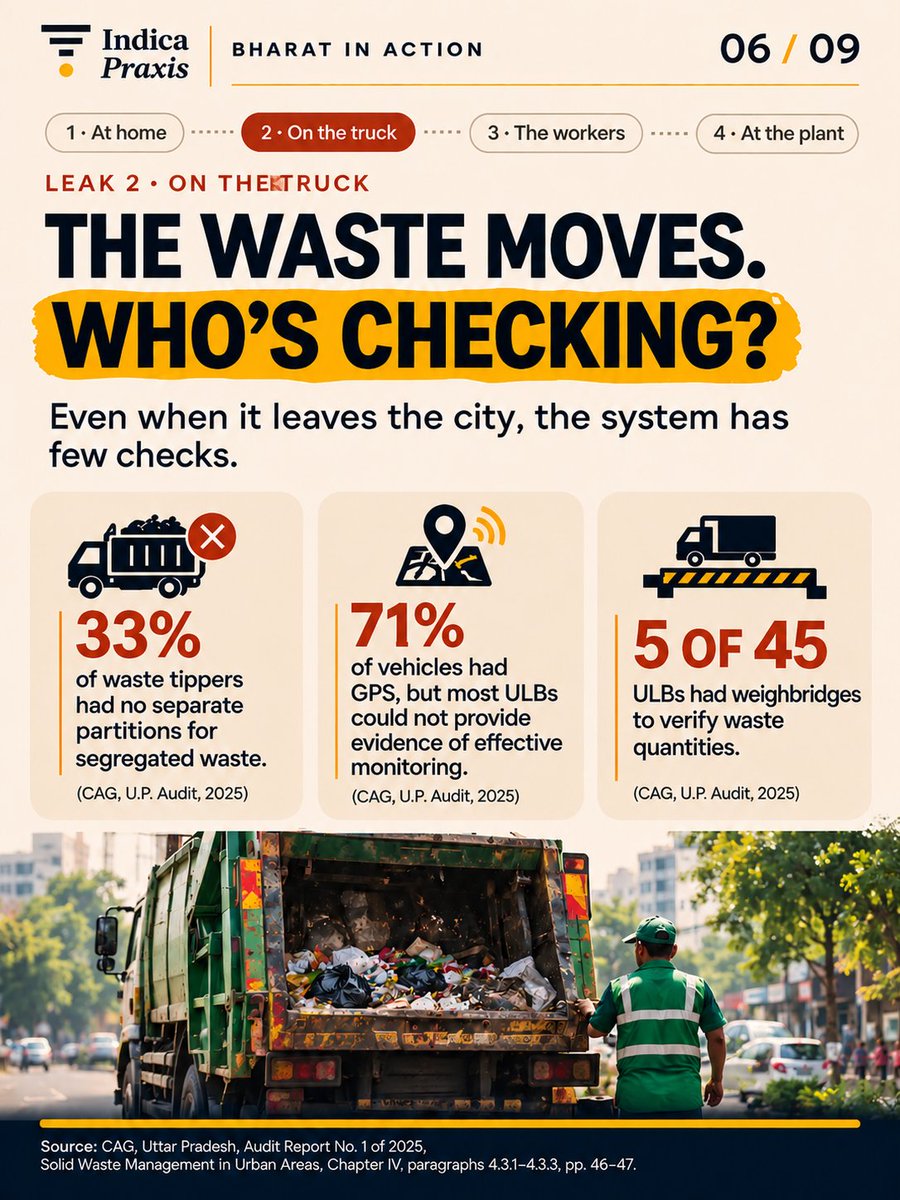
2. Truck: 33% of tippers had no partitions
3. Workers: 98% of collectors surveyed had no training
4. Plant: Delhi can't process 4,200 t a day
Which leak do you see in your city?
1/2
𝗜𝗻𝗱𝗶𝗮 𝗵𝗮𝘀 𝗮 𝗴𝗮𝗿𝗯𝗮𝗴𝗲 𝗽𝗿𝗼𝗯𝗹𝗲𝗺.
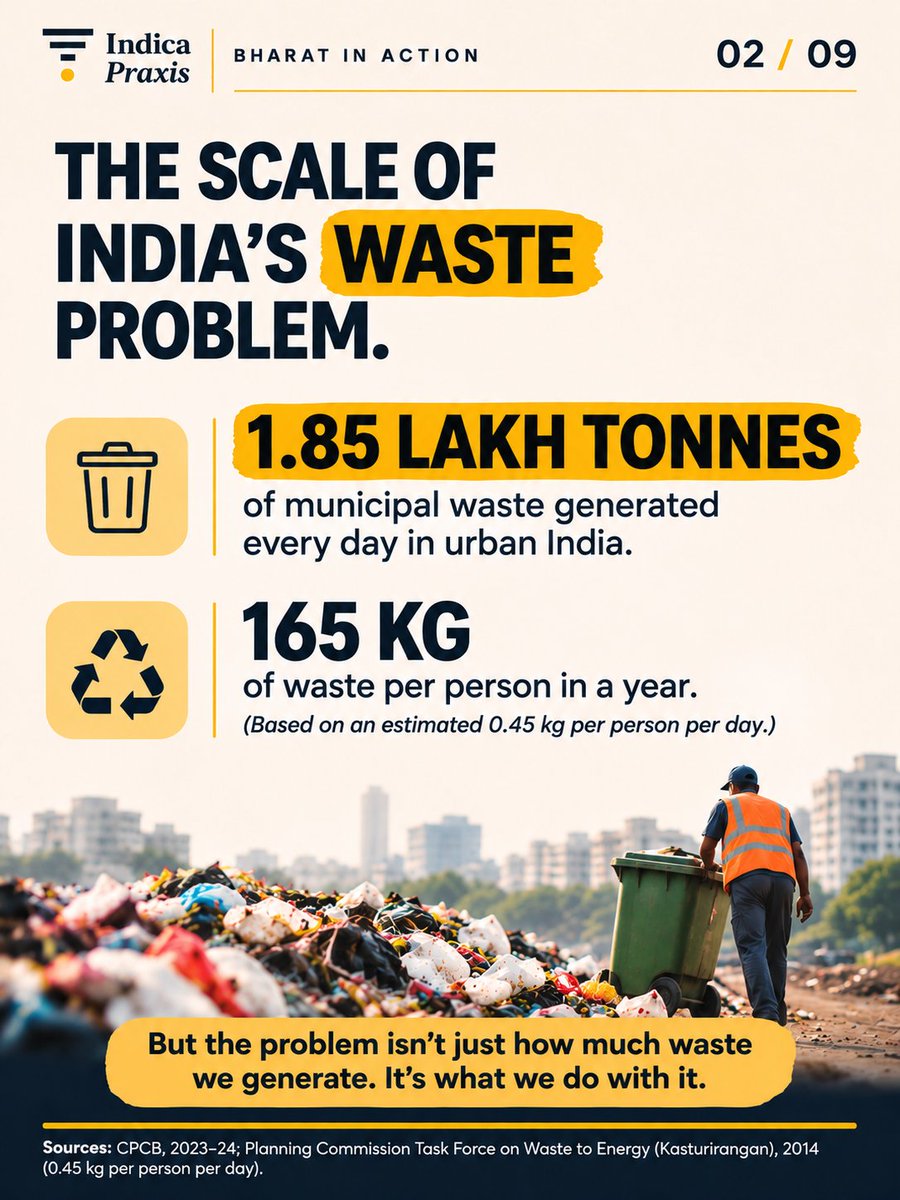
1.85 lakh tonnes of waste a day. 165 kg per person, every year.
Things have got better: 97% of wards get door-to-door collection. Treatment rose from 19% to 62%.
So why is garbage still on our streets? 🧵👇
#SwachhBharat
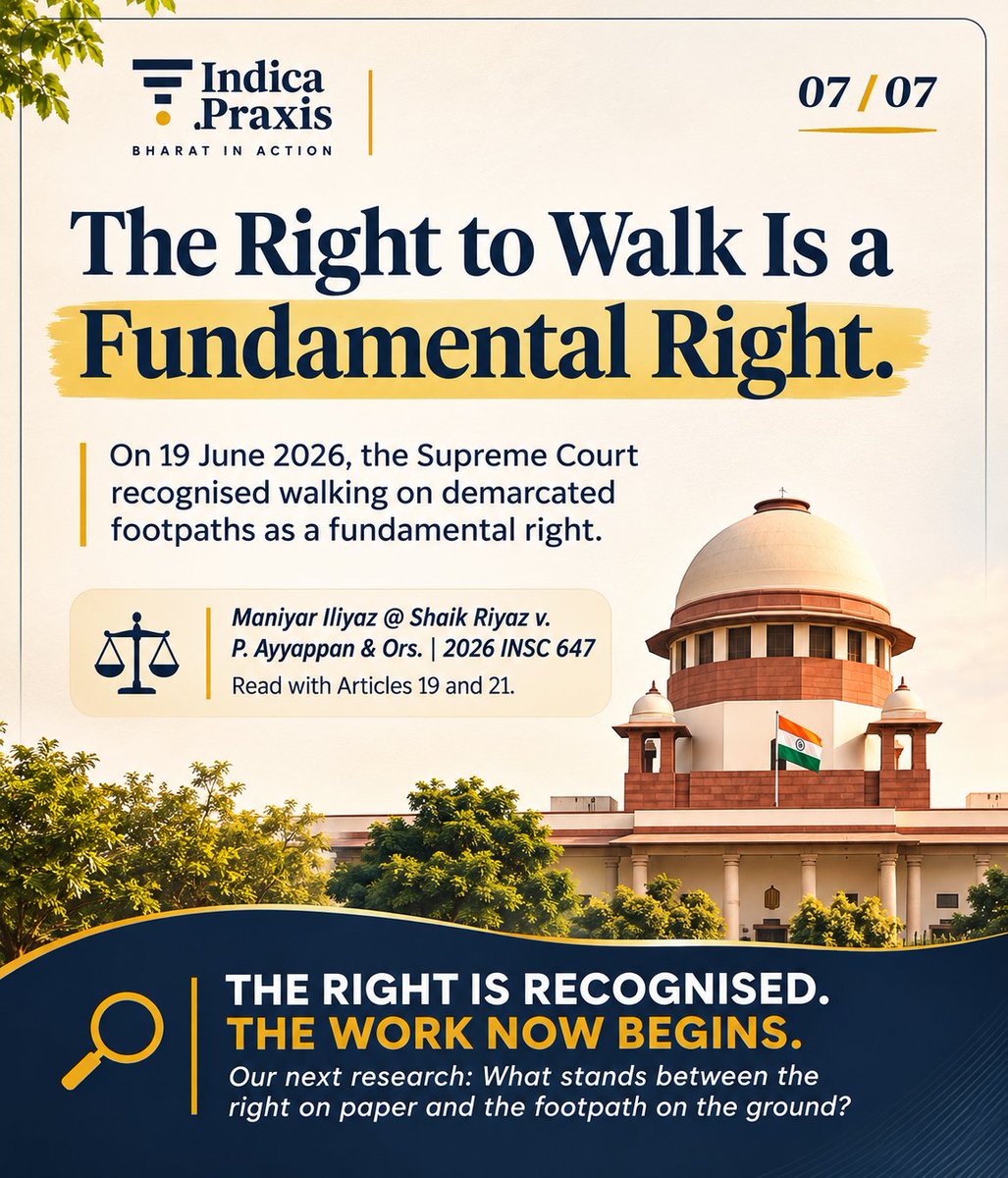
Our cities have roads for cars. But do they have footpaths for people?
The right to walk is a fundamental right. It's time our streets reflected that.
Read our research: https://t.co/Eu5l6j5HGz
#RightToWalk#SupremeCourt#Article21#Righttowork
2/2
44% of Delhi’s roads lack footpaths. Only 26% of existing footpaths meet IRC norms.
On 19 June 2026, the Supreme Court recognised walking on demarcated footpaths as a fundamental right under Article 21.
The right exists. Where are the footpaths?
#Article21#RoadSafety
1/2
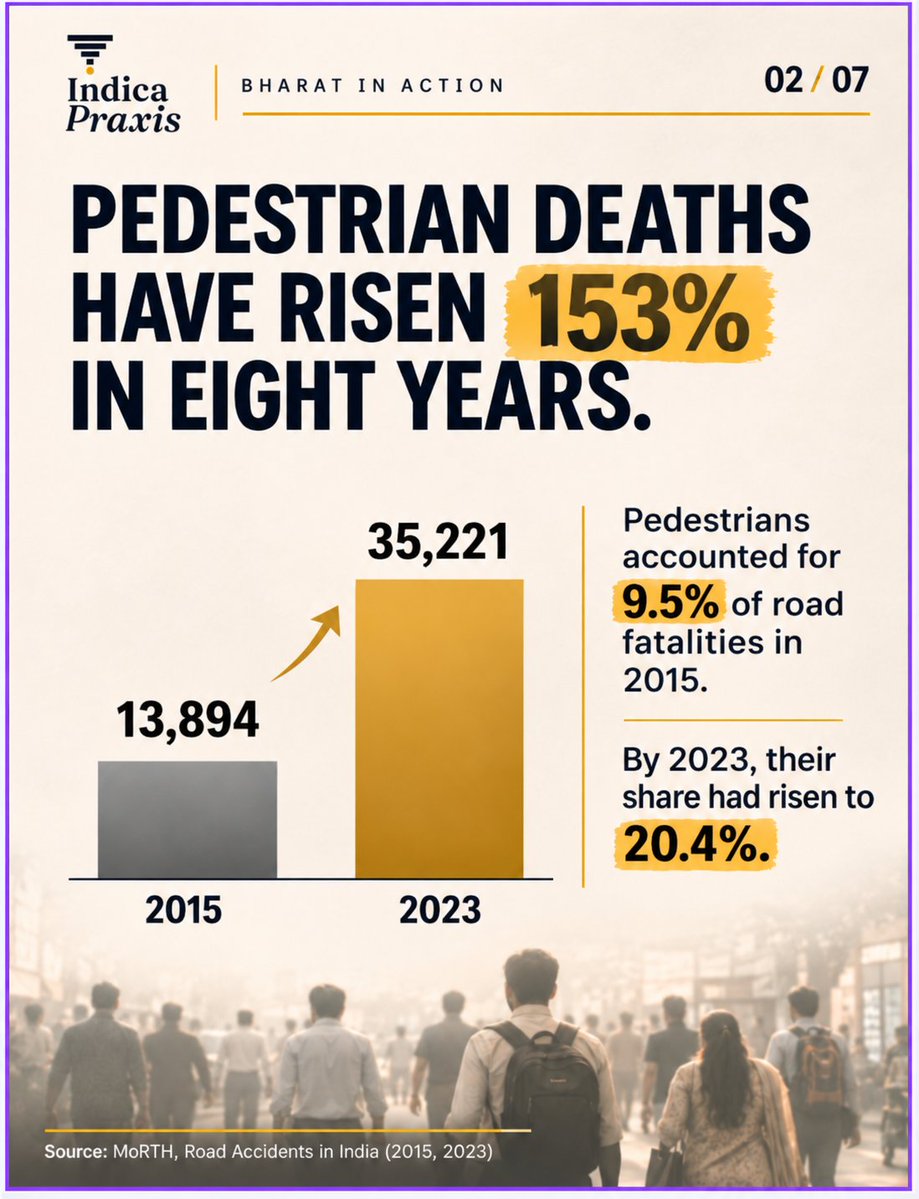
35,221 pedestrians died on Indian roads in 2023. Nearly 97 every day.
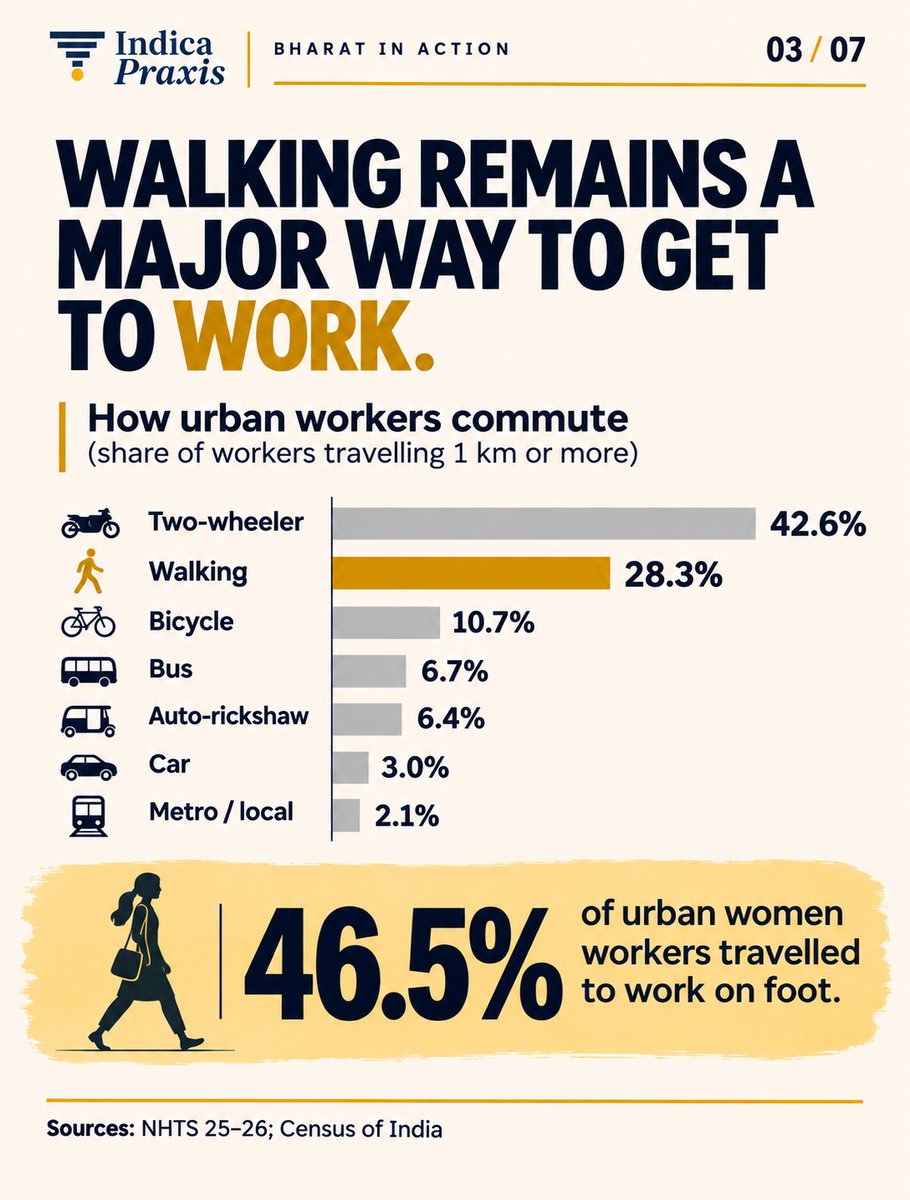
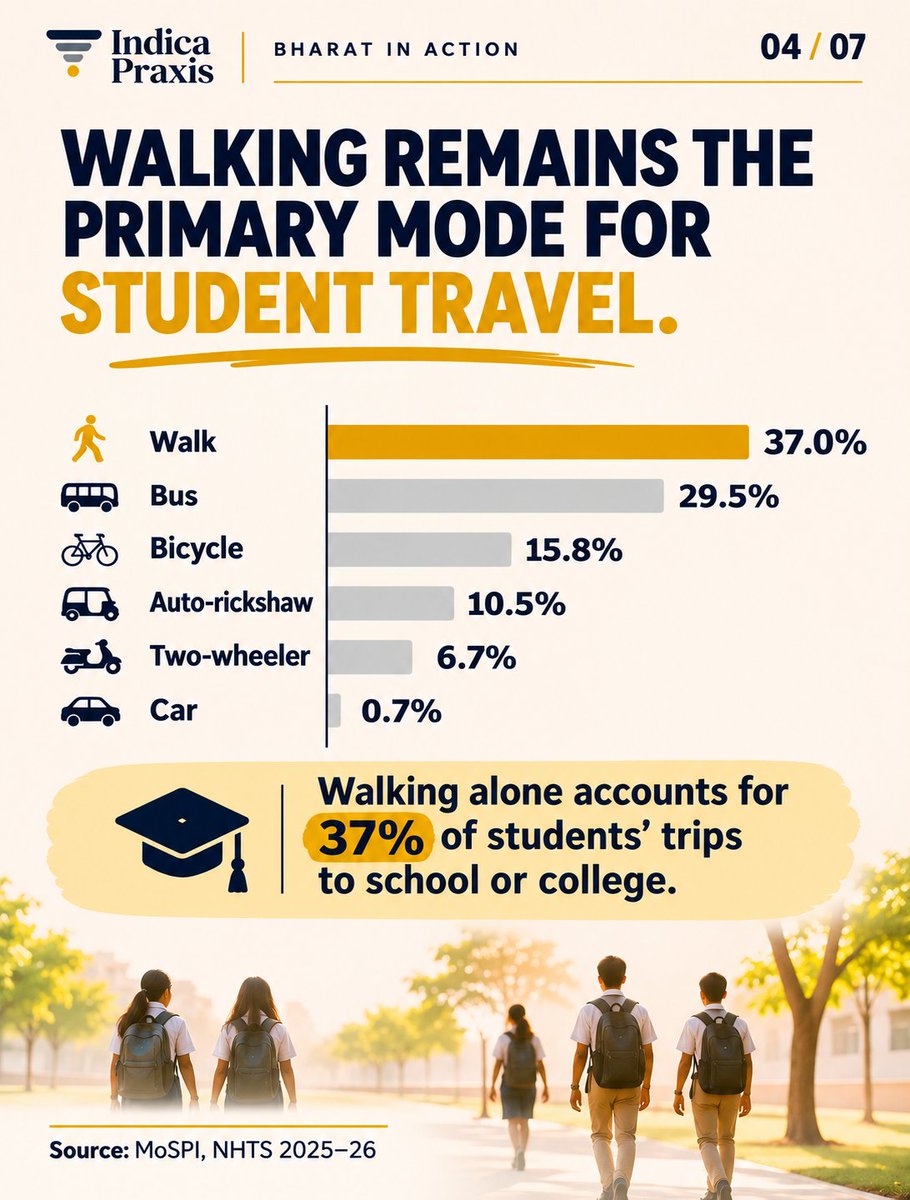
Yet, 28.3% of urban workers walk to work, as do 37% of students travelling to school or college.
India walks. Our streets must make it safe.
#RoadSafety#Urbangovernance#walk#Righttowalk
India's air pollution battle needs more than seasonal restrictions.
𝗧𝗛𝗘 𝗥𝗘𝗔𝗟 𝗚𝗔𝗣 𝗜𝗦 𝗜𝗡 𝗜𝗠𝗣𝗟𝗘𝗠𝗘𝗡𝗧𝗔𝗧𝗜𝗢𝗡.
We need coordinated planning, stronger enforcement and accountability.
#AirPollution#CleanAir#PublicPolicy#AQI#Delhi#Bharat
2/2
Pollution doesn’t stop at city limits. Why should the response?
Mumbai, Navi Mumbai and Thane need coordinated action, not isolated city-level fixes.
Year-round enforcement. Transparent data. Measurable outcomes.
#AirPollution#CleanAir#UrbanGovernance#Delhi#Mumbai
1/2
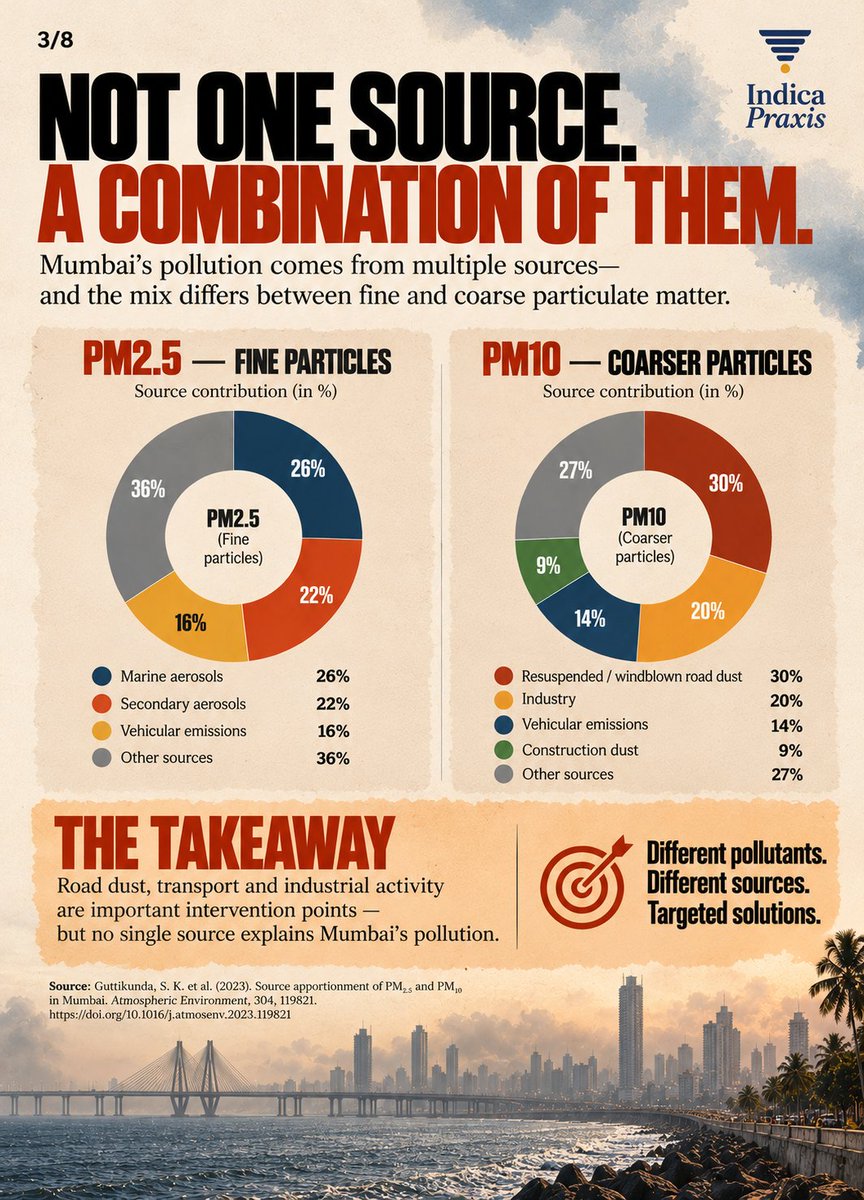
Mumbai’s AQI more than doubled. Why?
Road dust. Vehicles. Industry. Secondary aerosols.
The problem has multiple sources. So must the solution. The goal isn’t more initiatives. It’s less pollution.
#airpollution#BMC#MCD#PublicPolicy#AQI
3/3
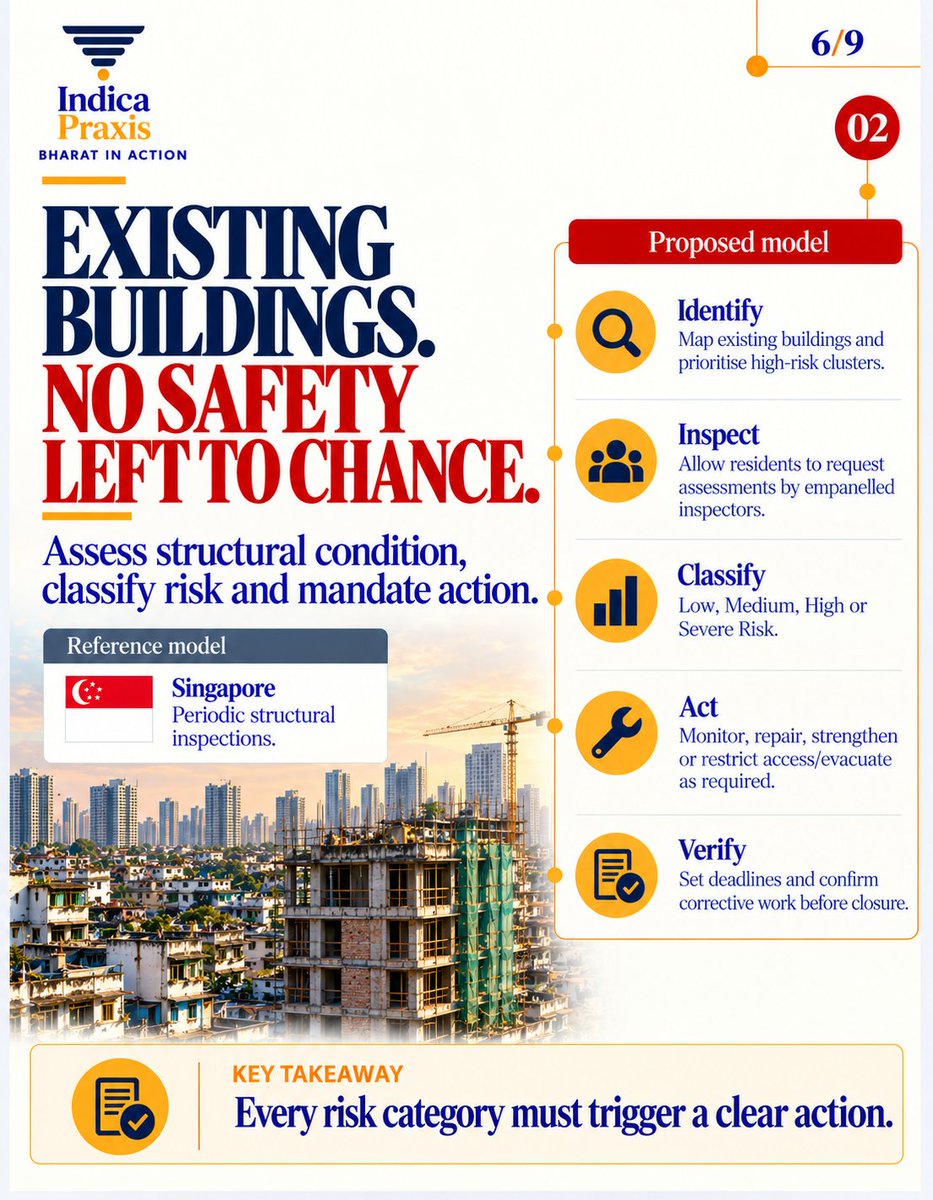
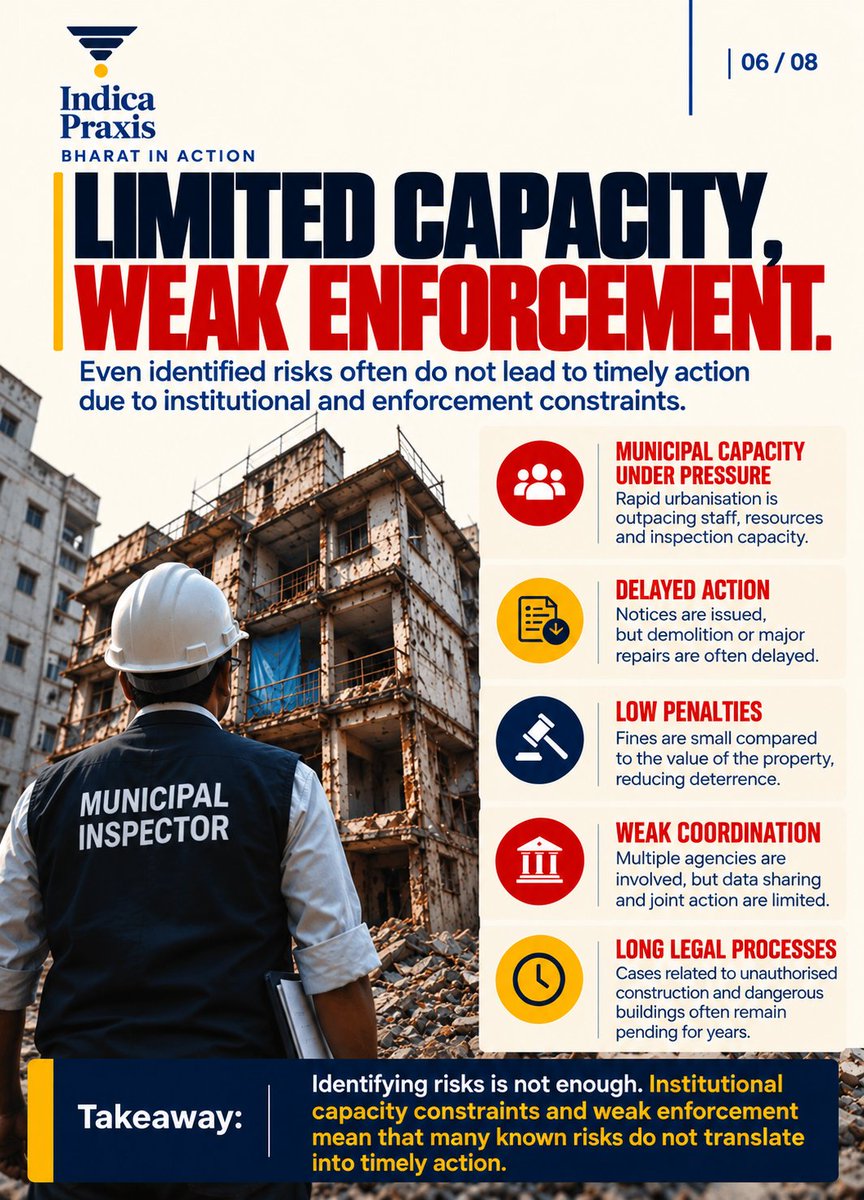
Regulations alone cannot prevent collapses. Risks must be identified, inspections must lead to action, and unsafe conditions must be addressed.
Prevention must begin before disaster strikes.
Every Public Problem Is a Solvable Problem.
#PublicPolicy#Safety
1/3
Another building has collapsed in Delhi. Could it have been prevented?
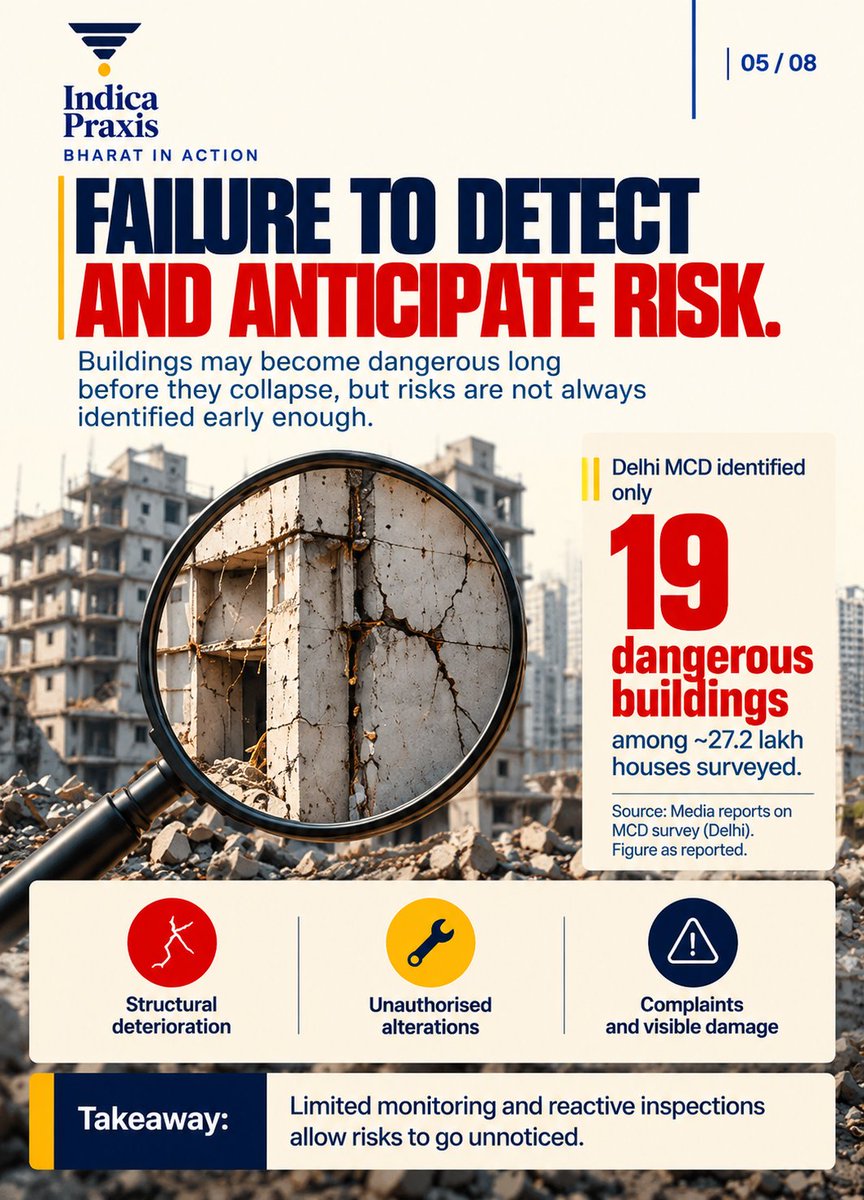
The Harsh Vihar incident raises a question that extends beyond one site: are we identifying building-safety risks before they turn fatal?
#Delhi#HarshVihar#BuildingSafety
2/3
Building collapses do not all happen for the same reasons.
Our research identifies four recurring risk hotspots: under-construction buildings, dense and ageing neighbourhoods, unauthorised construction, and buildings exposed to hazards.
#UrbanGovernance#BuildingCollapse
2/2
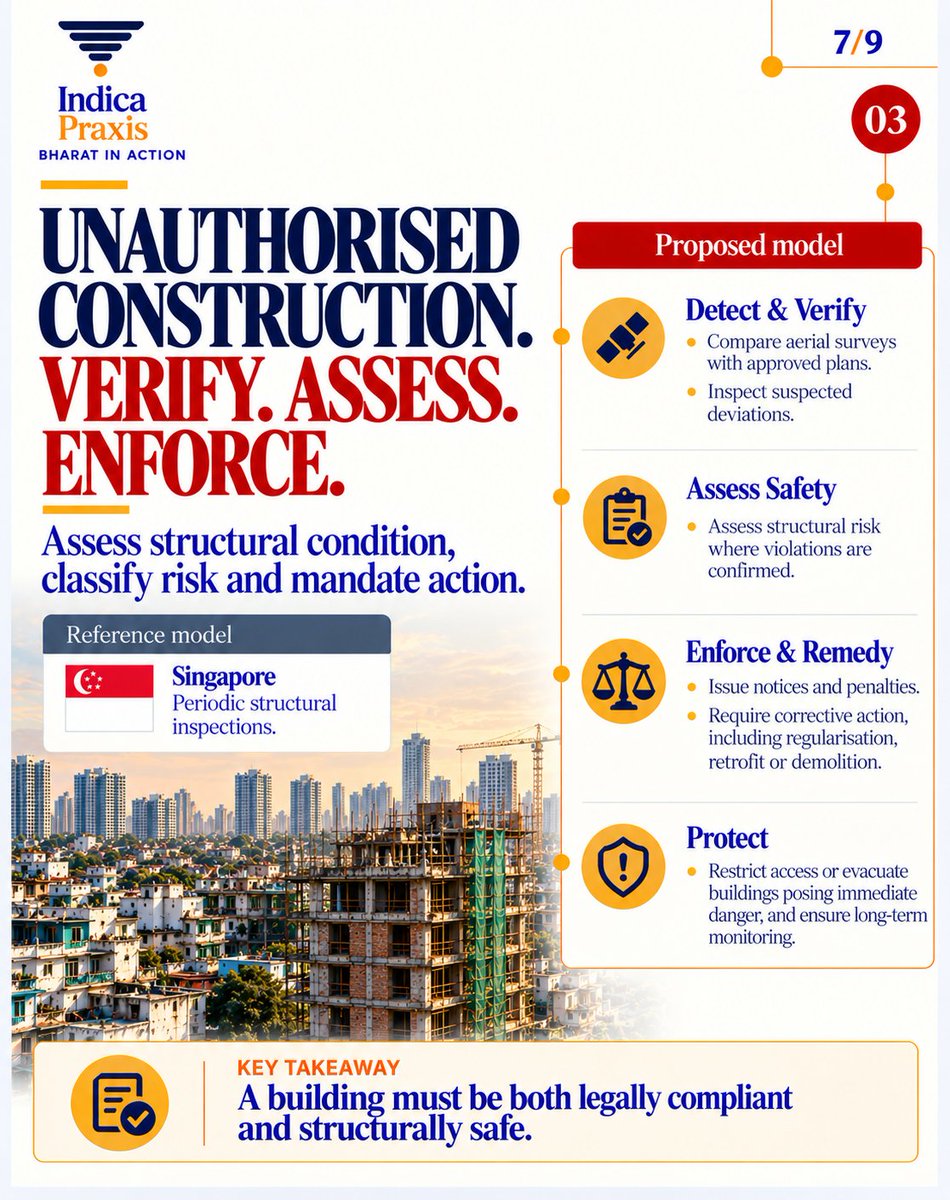
Map high-risk buildings. Assign unique Building IDs. Link approved plans, inspections and violations.
A digital building record can help authorities identify missing information and flag potential risks.
If it isn’t on record, it can’t be checked.
#Bharat#Solutions
1/2
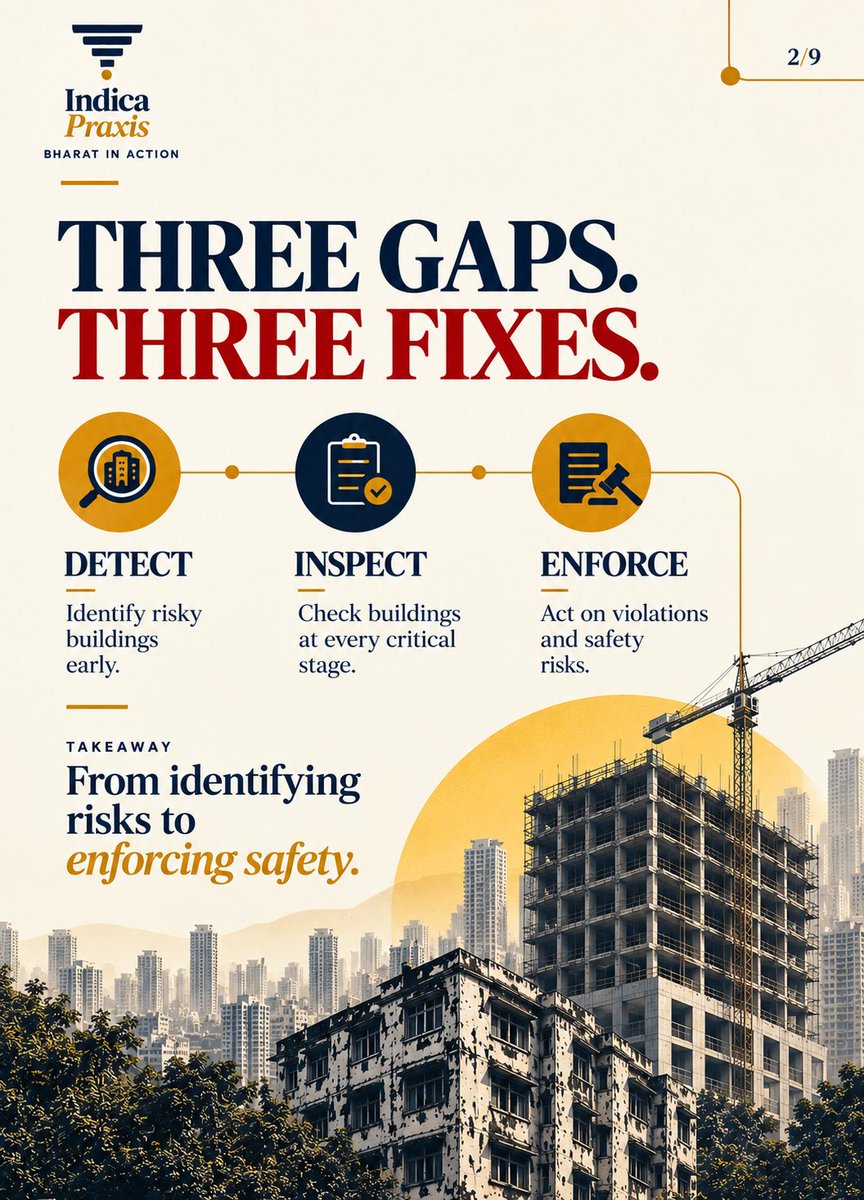
Building safety cannot end with a construction permit.
First, identify the risks: construction failures, ageing buildings, unauthorised structures and surrounding hazards.
You cannot fix what you haven’t identified.
#BuildingSafety#PublicPolicy#India
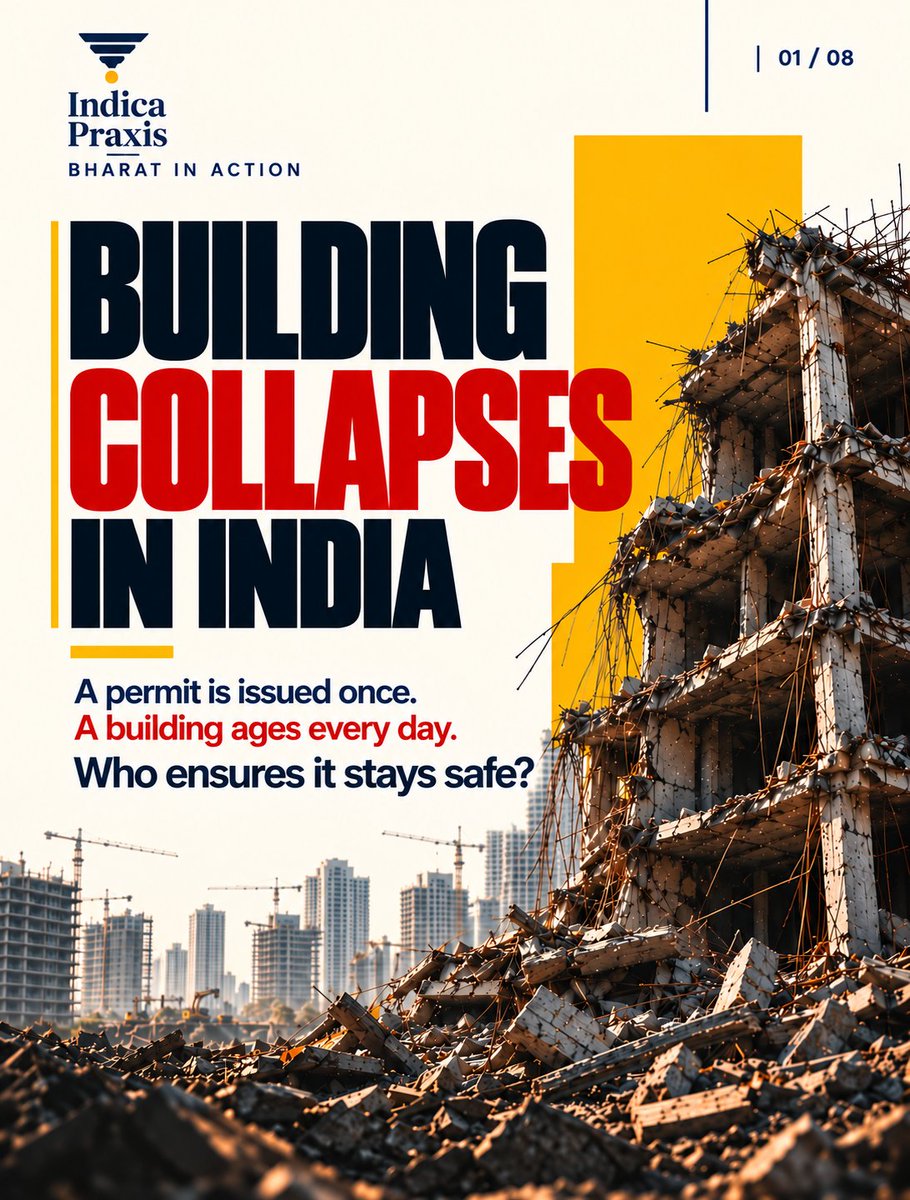
A permit is issued once. A building ages every day. Who ensures it stays safe?
India has building laws and approval systems. Yet buildings continue to collapse.
Swipe through Slides 1–4 to understand the problem. 🧵
#BuildingSafety#BharatInAction#PublicPolicy
3/3 — 𝗧𝗵𝗶𝘀 𝗶𝘀 𝗼𝗻𝗹𝘆 𝘁𝗵𝗲 𝗯𝗲𝗴𝗶𝗻𝗻𝗶𝗻𝗴.
Do we lack building safety laws, or are the real gaps in implementation?
In the next parts of our series, we examine India's existing regulations, enforcement gaps and potential solutions.
#BuildingCollapse#UrbanGovernance
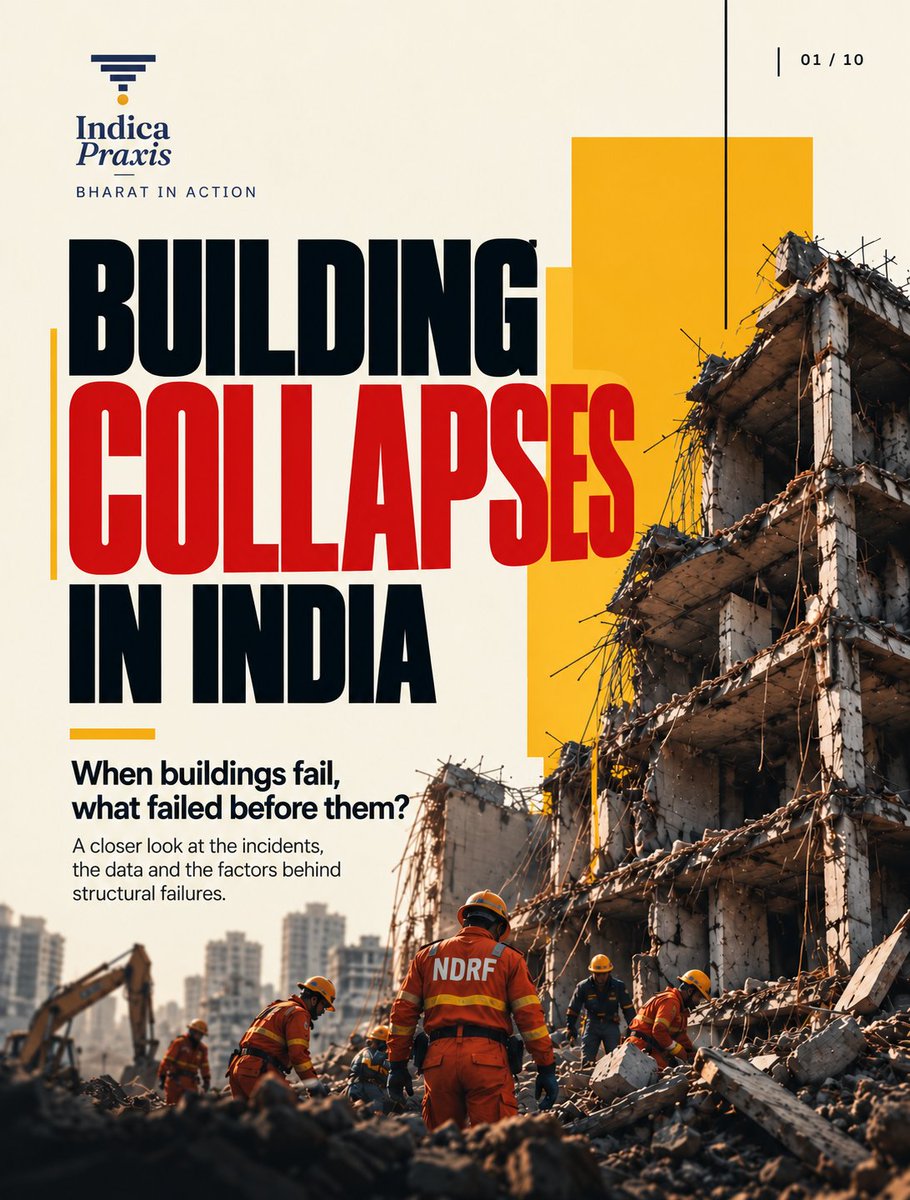
1/3 — 𝗕𝘂𝗶𝗹𝗱𝗶𝗻𝗴 𝗖𝗼𝗹𝗹𝗮𝗽𝘀𝗲 𝗶𝗻 𝗜𝗻𝗱𝗶𝗮
From Saket in Delhi to Gachibowli in Hyderabad, building collapses continue to raise a critical question:
𝗪𝗵𝗮𝘁 𝗳𝗮𝗶𝗹𝗲𝗱 𝗯𝗲𝗳𝗼𝗿𝗲 𝘁𝗵𝗲 𝗯𝘂𝗶𝗹𝗱𝗶𝗻𝗴 𝗳𝗲𝗹𝗹?
We examine the incidents and national data.
2/3 — 𝗪𝗵𝘆 𝗱𝗼 𝗯𝘂𝗶𝗹𝗱𝗶𝗻𝗴𝘀 𝗰𝗼𝗹𝗹𝗮𝗽𝘀𝗲?
Building collapses can result from one failure or several vulnerabilities coming together.
Understanding these patterns is the first step towards addressing the problem