Міжнародна розвідувальна спільнота InformNapalm спільно з хактивістами 256 Cyber Assault Division та аналітичною групою Ukrainian Militant ексклюзивно публікує результати нового CYBINT-дослідження, присвяченого спробам російських спецслужб впливати на протестний рух у Франції.
Отримане електронне листування, пов'язане з офіцером російської розвідки Станіславом Немічем, розкриває спроби прихованого втручання у справи Франції.
Дивіться короткий огляд статті у відео.
Повне ексклюзивне CYBINT-розслідування доступне українською мовою за посиланням:
https://t.co/dQcvyKFlwj
Переклади іншими мовами будуть додаватись на сайт по готовності.
Будемо вдячні за поширення.
🇫🇷 Стаття французькою мовою:
https://t.co/17lFl77KzA
У матеріал також інтегровано відеорозслідування французькою мовою, яке окремо доступне на YouTube:
https://t.co/0IYxlpKc65
Крім того, ми щойно опублікували окремий франкомовний допис у X, як��й уже привернув увагу (про)російських ботів:
https://t.co/nO2YC1N25O
Міжнародна розвідувальна спільнота InformNapalm спільно з хактивістами 256 Cyber Assault Division та аналітичною групою Ukrainian Militant ексклюзивно публікує результати нового CYBINT-дослідження, присвяченого спробам російських спецслужб впливати на протестний рух у Франції.
Отримане електронне листування, пов'язане з офіцером російської розвідки Станіславом Немічем, розкриває спроби прихованого втручання у справи Франції.
Дивіться короткий огляд статті у відео.
Повне ексклюзивне CYBINT-розслідування доступне українською мовою за посиланням:
https://t.co/dQcvyKFlwj
Переклади іншими мовами будуть додаватись на сайт по готовності.
Будемо вдячні за поширення.
“Northern Brotherhood” Declares Readiness to Wage an Armed Struggle for #Karelia’s Independence from #Russia.
An organization operating under the Finnish name Pohjoinen Veljeskunta (“Northern Brotherhood”) has released a video showing masked, armed men and announced its intention to wage a guerrilla campaign against Moscow for Karelia’s independence and the rights of Finno-Ugric peoples.
The Northern Brotherhood is publicly supported by Karjalan Heimoryhmä, a volunteer movement whose members are fighting alongside Ukraine against Russian aggression. The movement has also previously shared claims about sabotage operations carried out by the Karelian underground.
However, there is currently no independent confirmation of Pohjoinen Veljeskunta’s membership numbers or actual combat capabilities. The organization’s claims of involvement in specific acts of sabotage inside Russia also remain unverified.
Nevertheless, the statement has attracted the attention of the international InformNapalm community amid a trend we highlighted in our recent investigation: in 2026, the number of documented acts of sabotage and subversive operations deep inside Russia increased significantly compared with previous years.
🇫🇮 Incidentally, InformNapalm has recently been actively expanding its Finnish-language edition. Our volunteers translate OSINT investigations into Finnish, covering Russian aggression, Russia’s military infrastructure, and threats to European security.
We invite Finnish-speaking readers to follow InformNapalm’s publications, share our investigations, and join our international volunteer community.
🔥 InformNapalm Suomi 🇫🇮: https://t.co/MCKxAKxpFN
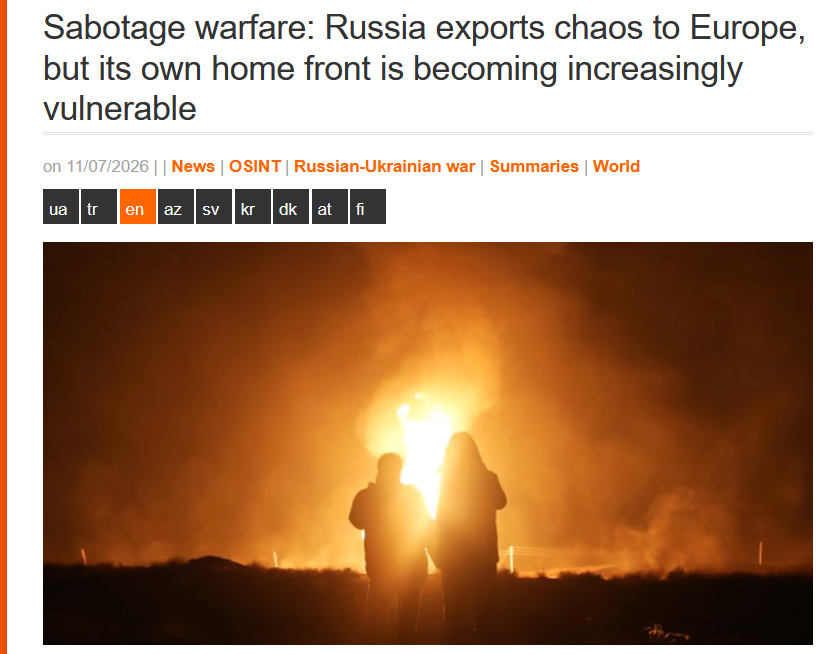
Russia exports sabotage and chaos to Europe. But its own home front is becoming increasingly vulnerable.
According to InformNapalm's OSINT database Fire, 242 sabotage incidents have already been documented inside Russia in 2026 — more than in 2024 and 2025 combined (239).
Meanwhile, European intelligence and security services continue exposing Russian sabotage networks targeting critical infrastructure, defense industries, and support for Ukraine.
Our new analysis examines this growing two-way dynamic of sabotage warfare and raises a strategic question:
Is defending Europe against Russian sabotage enough — or should Moscow also face higher costs for its aggression?
The investigation draws on OSINT data and research by ICCT, GLOBSEC, ECFR, RUSI, and SCEEUS.
Read and share our new analysis:
https://t.co/mdQS9SBXtq
#Russia #Ukraine #Europe
Interesting OSINT comparison of Neptune, Flamingo, and Storm Shadow missile strikes in 2025–2026.
Beyond the number of successful strikes, another important metric is their strategic impact: which targets were hit, how much damage was inflicted, and how significantly Russia’s military capabilities were affected.
Strike frequency alone doesn’t tell the whole story.
For comparison: the frequency of successful strikes using Neptune, Flamingo and Storm Shadow missiles in 2025–2026.
🔴 Neptune – 30 strikes over 22 months; 🟢 Flamingo – 13 strikes over 16 months; 🟠 Storm Shadow (SS) – 14 strikes over 22 months.
Storm Shadow is included for illustrative purposes. The only factor at issue here is the batches of missiles supplied by the UK and France.
I tried to preserve the actual dimensions of the missiles in the image.
@WarMonitor3 Interesting, if confirmed.
We recently published an extensive investigation into Russia’s tobacco industry.
This development could make our findings particularly relevant.
https://t.co/nScs2eqUId
@Katieonwarfare@DenysSienik Russia feels it can act with impunity, so it will continue committing war crimes.
The world needs more armies, besides Ukraine’s, that are ready to fight against this global evil.
@LauraLoomer We hope these will be people who won’t kiss Putin’s ass and then tell their voters it’s somehow “in the best interests of the American people.”
How is Russia's network inside Spain organised, and how does it push content?
Our 11-week analysis of Spain's information space shows three layers.
Layer one: the hub. A Telegram channel run from Moscow by Enrique Arias Gil, a Spanish political scientist living under Russian protection. It is small, about 500 readers per post. Its job is not reach. Its job is production: translating Russian hacktivist attack claims into Spanish within the hour, publishing recruitment offers for informants, hackers and soldiers, and doxxing Spanish security personnel.
Everything above it is Russian. Everything below it is built to look Spanish.
Belarusian Cyber Partisans report a major breach of Russia’s Rosstat database, revealing evidence of at least 393,881 deaths on the Russian side of the war against Ukraine through August 27, 2026.
If independently verified, this could be a major contribution to understanding the true human cost of Russia’s invasion.
The key questions now are how these deaths were identified, whether the records contain duplicates, and how the findings compare with existing OSINT casualty estimates.
An important CYBINT investigation worth examining and sharing.
1/7 Our @ROSSTAT hack revealed Russia's killed in action. A minimum of 393,881 Russian-side deaths in the war with Ukraine. Source: Rosstat leak, 2022–Aug 27 2026. Here's how we did it and what it actually means 🧵
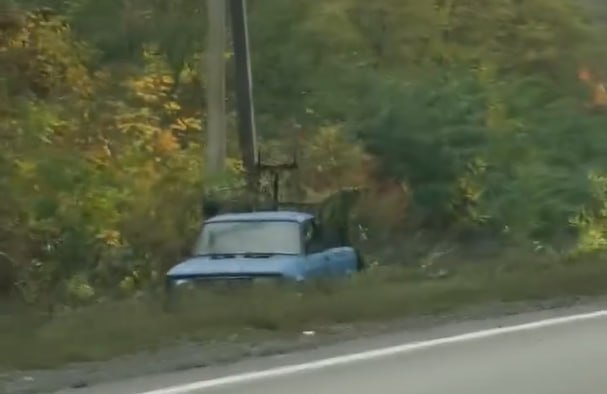
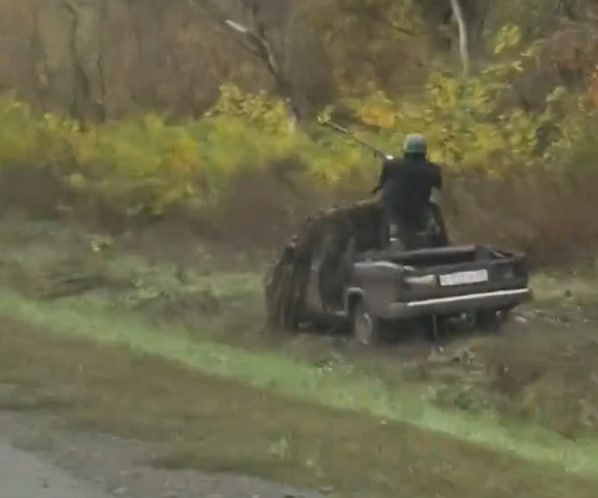
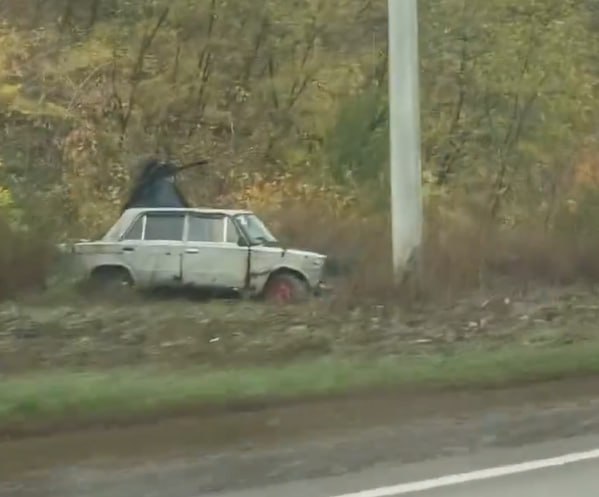
Today, the Russian Z-channel Voyenny Osvedomitel showcased a new stage in the evolution of #Russian air defense — decoy mobile fire teams positioned along roadsides.
Old cars, mock-up machine guns, and mannequin "gunners" are apparently intended to distract Ukrainian kamikaze drones.
But one interesting question remains: who exactly are they trying to fool?
Drivers, by creating the illusion that mobile fire teams (MFTs) are actually stationed along the roads? Ukrainian drone operators? Or perhaps the computer vision algorithms onboard drones, which might identify the combination of "vehicle + machine gun + gunner" as a priority target?
Russian sources themselves are increasingly complaining about #Ukrainian drones equipped with computer vision and autonomous target tracking.
Moreover, mobile fire teams have gradually gone from being "drone hunters" to becoming targets themselves. Their deployment along roads can expose military logistics routes, while opening fire can reveal the team's own position.
So now, alongside Russian decoys of Pantsir and Tor air defense systems, S-400s, and radars, a new category of false targets has emerged — a dummy Russian soldier pretending to shoot down a Ukrainian drone.
The age of machine vision warfare is gradually giving rise to machine theater as well.
👀 Міжнародна розвідувальна спільнота @InformNapalm зафіксувала протягом неповного 2026 року в Росії більше диверсій ніж за 2024 і 2025 роки разом узяті
Детальніше читайте 👇
https://t.co/N9haUcUN86
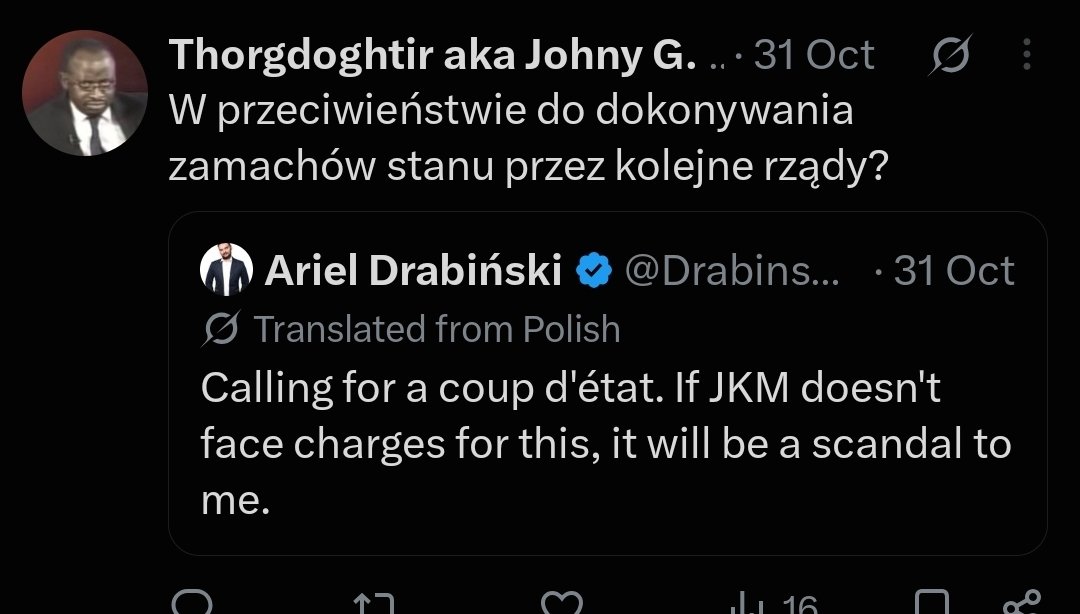
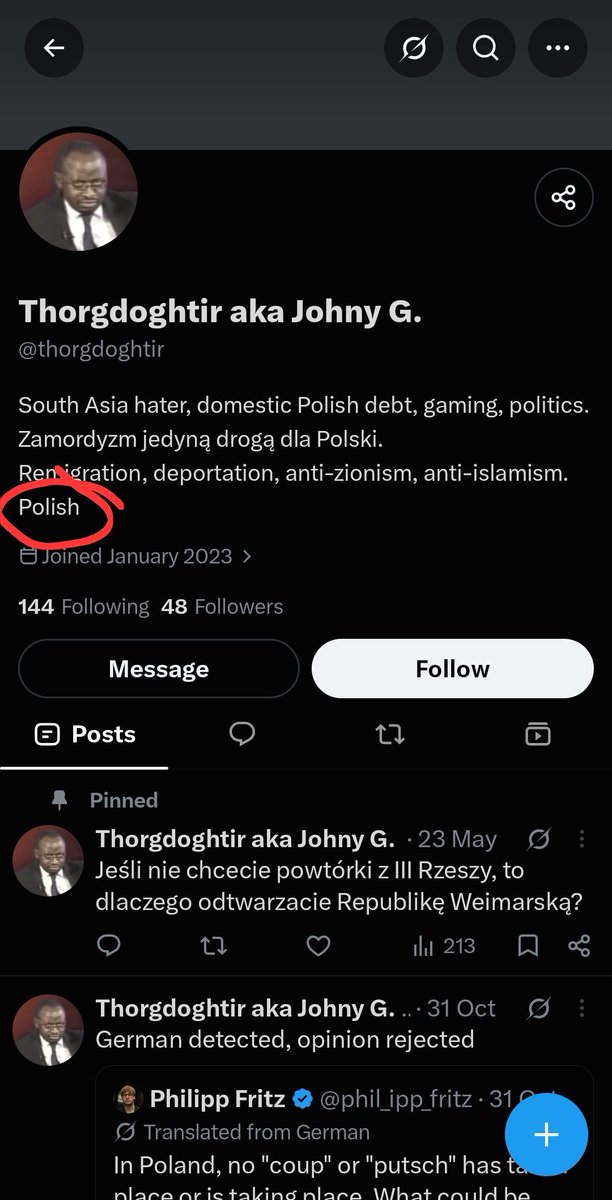
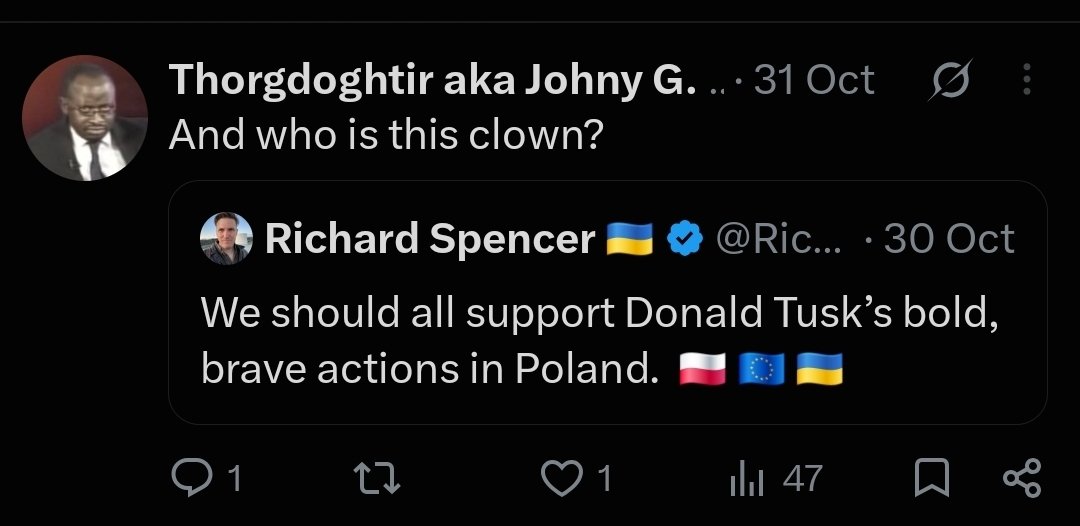
Russia's African troll farms increasingly targeting Poland, already with a campaign to blame Ukraine for the mass shooting in Krakow, posting in Polish and English.
Core narratives - Tusk is bad, Germany is the enemy, Ukraine evil.
🌍 The article is now available in 9 languages:
🇺🇦 Ukrainian · 🇬🇧 English · 🇦🇿 Azerbaijani · 🇹🇷 Turkish · 🇩🇪 German · 🇸🇪 Swedish · 🇩🇰 Danish · 🇰🇷 Korean · 🇫🇮 Finnish.
You can switch between the available language versions directly below the article's headline on the InformNapalm website.
Russia exports sabotage and chaos to Europe. But its own home front is becoming increasingly vulnerable.
According to InformNapalm's OSINT database Fire, 242 sabotage incidents have already been documented inside Russia in 2026 — more than in 2024 and 2025 combined (239).
Meanwhile, European intelligence and security services continue exposing Russian sabotage networks targeting critical infrastructure, defense industries, and support for Ukraine.
Our new analysis examines this growing two-way dynamic of sabotage warfare and raises a strategic question:
Is defending Europe against Russian sabotage enough — or should Moscow also face higher costs for its aggression?
The investigation draws on OSINT data and research by ICCT, GLOBSEC, ECFR, RUSI, and SCEEUS.
Read and share our new analysis:
https://t.co/mdQS9SBXtq
#Russia #Ukraine #Europe
Диверсії та партизанські дії в Росії: за неповний 2026 рік зафіксовано більше інцидентів, ніж за два попередні роки разом.
Наразі InformNapalm готує аналітичну статтю з оглядом проблеми російських диверсій у Європі та можливих способів (а)симетричної протидії російським спецслужбам.
На цьому тлі ми вирішили окремо проаналізувати тенденції диверсійної та партизанської активності на території самої Росії, використовуючи дані нашої OSINT-бази InformNapalm Fire, яка ведеться від початку повномасштабного вторгнення.
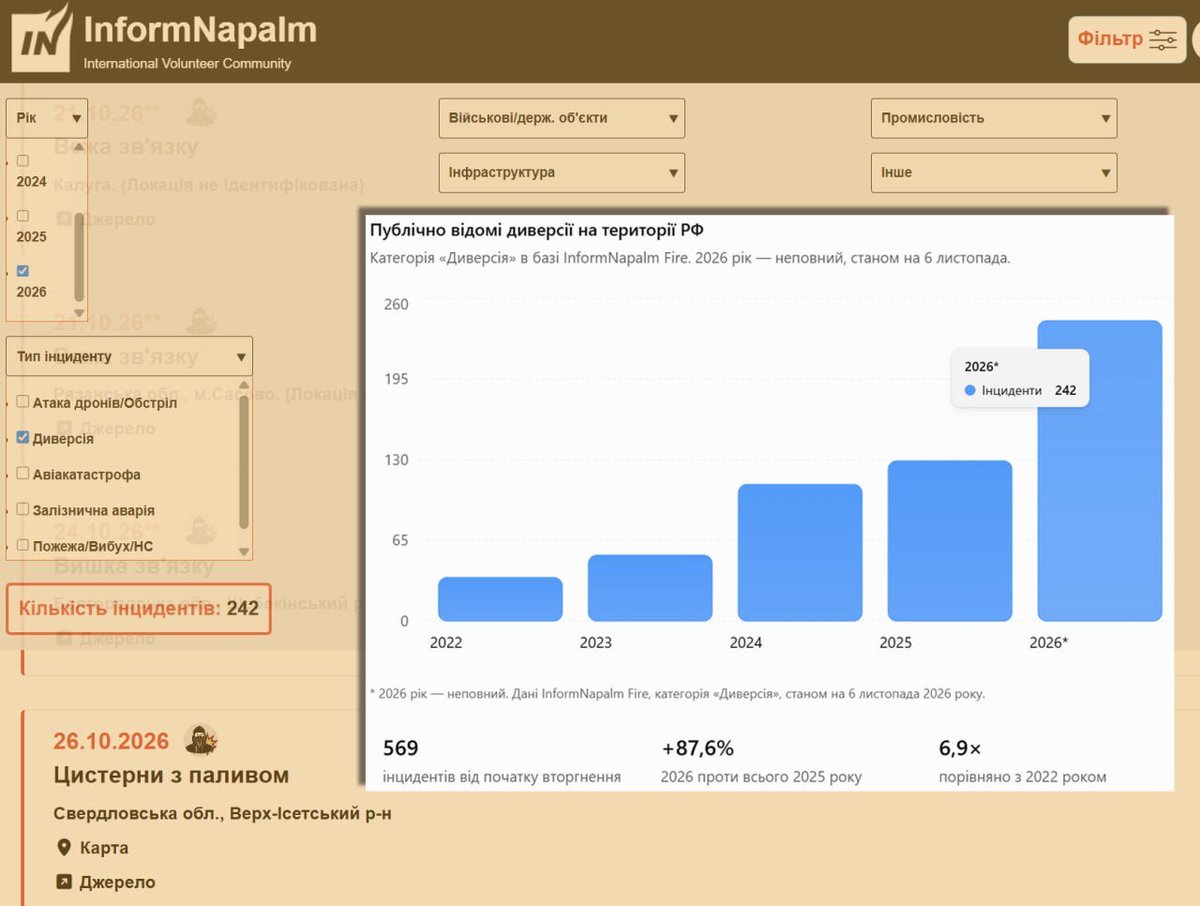
📊 Кількість публічно відомих та OSINT-верифікованих диверсій на території РФ:
2022 — 35
2023 — 53
2024 — 110
2025 — 129
2026 — 242 (станом на 6 листопада)
📈 Лише за неповний 2026 рік кількість зафіксованих диверсій уже на 87,6% перевищила показник усього 2025 року. Ба більше, 242 інциденти за 2026-й — це більше, ніж за 2024 і 2025 роки разом (239).
Йдеться виключно про категорію ⚡️ «Диверсія» в базі Fire: підпали релейних шаф на залізниці, військкоматів, телекомунікаційних вишок, пошкодження інфраструктури та інші публічно відомі випадки підпільної активності. До цієї статистики не включено тимчасово окуповані території України, а також удари дронами й ракетами, які обліковуються окремо.
Важливо: не всі ці інциденти можна безпосередньо пов'язати з діями українських спецслужб. Ми фіксуємо самі події за відкритими джерелами, а атрибуція організаторів потребує окремих доказів. Крім того, найсвіжіші випадки потрапляють до бази із затримкою на OSINT-верифікацію.
Ця статистика демонструє цікаву тенденцію: поки Москва намагається експортувати хаос і диверсійну активність у Європу, на території самої тимчасово існуючої Росії масштаби публічно зафіксованих диверсій та підпільної активності також стрімко зростають.
Чи може цей чинник стати частиною ширшої стратегії стримування російських спецслужб і підвищення ціни агресії для Кремля? Саме це питання, серед інших, розглянемо в нашому майбутньому аналітичному матеріалі.
Russia exports sabotage and chaos to Europe. But its own home front is becoming increasingly vulnerable.
According to InformNapalm's OSINT database Fire, 242 sabotage incidents have already been documented inside Russia in 2026 — more than in 2024 and 2025 combined (239).
Meanwhile, European intelligence and security services continue exposing Russian sabotage networks targeting critical infrastructure, defense industries, and support for Ukraine.
Our new analysis examines this growing two-way dynamic of sabotage warfare and raises a strategic question:
Is defending Europe against Russian sabotage enough — or should Moscow also face higher costs for its aggression?
The investigation draws on OSINT data and research by ICCT, GLOBSEC, ECFR, RUSI, and SCEEUS.
Read and share our new analysis:
https://t.co/mdQS9SBXtq
#Russia #Ukraine #Europe
Сьогодні Служба зовнішньої розвідки України опублікувала матеріал про те, як російські спецслужби вербують виконавців для диверсій у європейських країнах. Ми вирішили розглянути цю проблему ширше — від російських підпалів оборонних підприємств у ЄС до можливостей проактивного стримування агресора.
📊 Для нового аналітичного дослідження InformNapalm ми також використали власну OSINT-базу Fire і виявили цікаву тенденцію.
Деталі в статті: https://t.co/zKrtGk1Efd
Диверсії та партизанські дії в Росії: за неповний 2026 рік зафіксовано більше інцидентів, ніж за два попередні роки разом.
Наразі InformNapalm готує аналітичну статтю з оглядом проблеми російських диверсій у Європі та можливих способів (а)симетричної протидії російським спецслужбам.
На цьому тлі ми вирішили окремо проаналізувати тенденції диверсійної та партизанської активності на території самої Росії, використовуючи дані нашої OSINT-бази InformNapalm Fire, яка ведеться від початку повномасштабного вторгнення.
📊 Кількість публічно відомих та OSINT-верифікованих диверсій на території РФ:
2022 — 35
2023 — 53
2024 — 110
2025 — 129
2026 — 242 (станом на 6 листопада)
📈 Лише за неповний 2026 рік кількість зафіксованих диверсій уже на 87,6% перевищила показник усього 2025 року. Ба більше, 242 інциденти за 2026-й — це більше, ніж за 2024 і 2025 роки разом (239).
Йдеться виключно про категорію ⚡️ «Диверсія» в базі Fire: підпали релейних шаф на залізниці, військкоматів, телекомунікаційних вишок, пошкодження інфраструктури та інші публічно відомі випадки підпільної активності. До цієї статистики не включено тимчасово окуповані території України, а також удари дронами й ракетами, які обліковуються окремо.
Важливо: не всі ці інциденти можна безпосередньо пов'язати з діями українських спецслужб. Ми фіксуємо самі події за відкритими джерелами, а атрибуція організаторів потре��ує окремих доказів. Крім того, найсвіжіші випадки потрапляють до бази із затримкою на OSINT-верифікацію.
Ця статистика демонструє цікаву тенденцію: поки Москва намагається експортувати хаос і диверсійну активність у Європу, на території самої тимчасово існуючої Росії масштаби публічно зафіксованих диверсій та підпільної активності також стрімко зростають.
Чи може цей чинник стати частиною ширшої стратегії стримування російських спецслужб і підвищення ціни агресії для Кремля? Саме це питання, серед інших, розглянемо в нашому майбутньому аналітичн��му матеріалі.