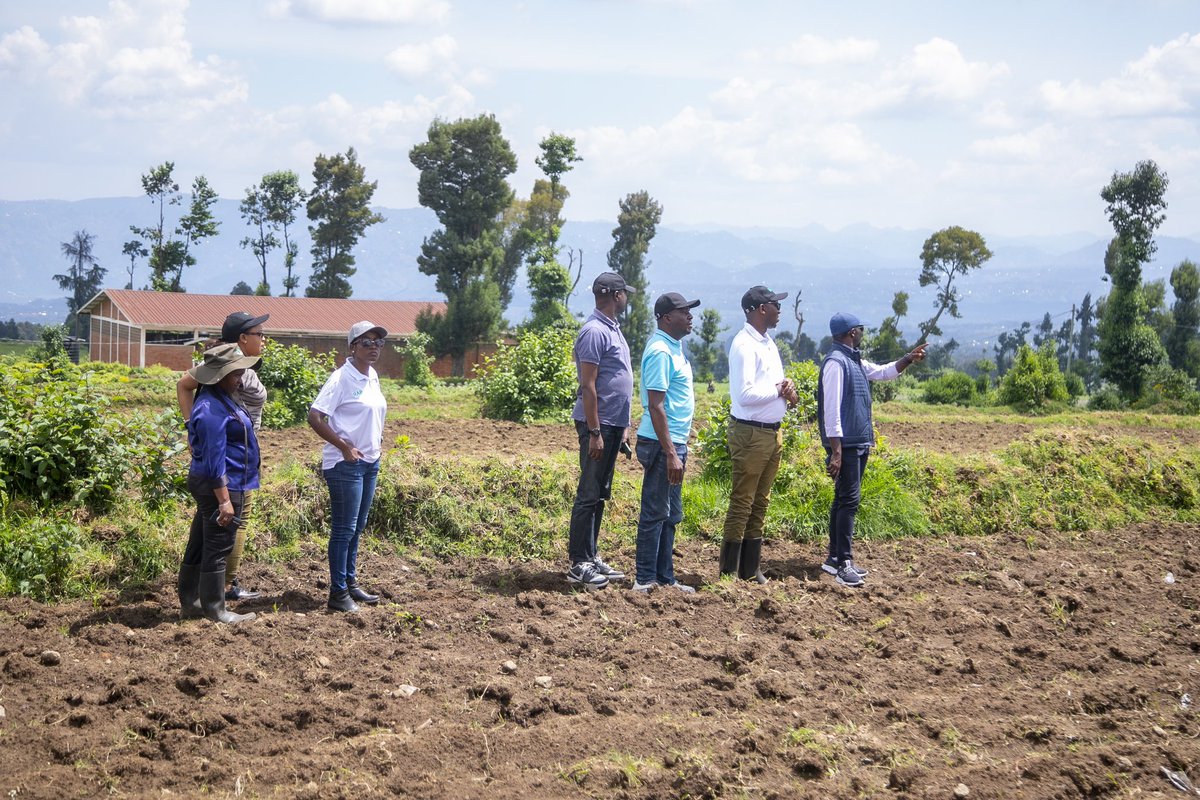
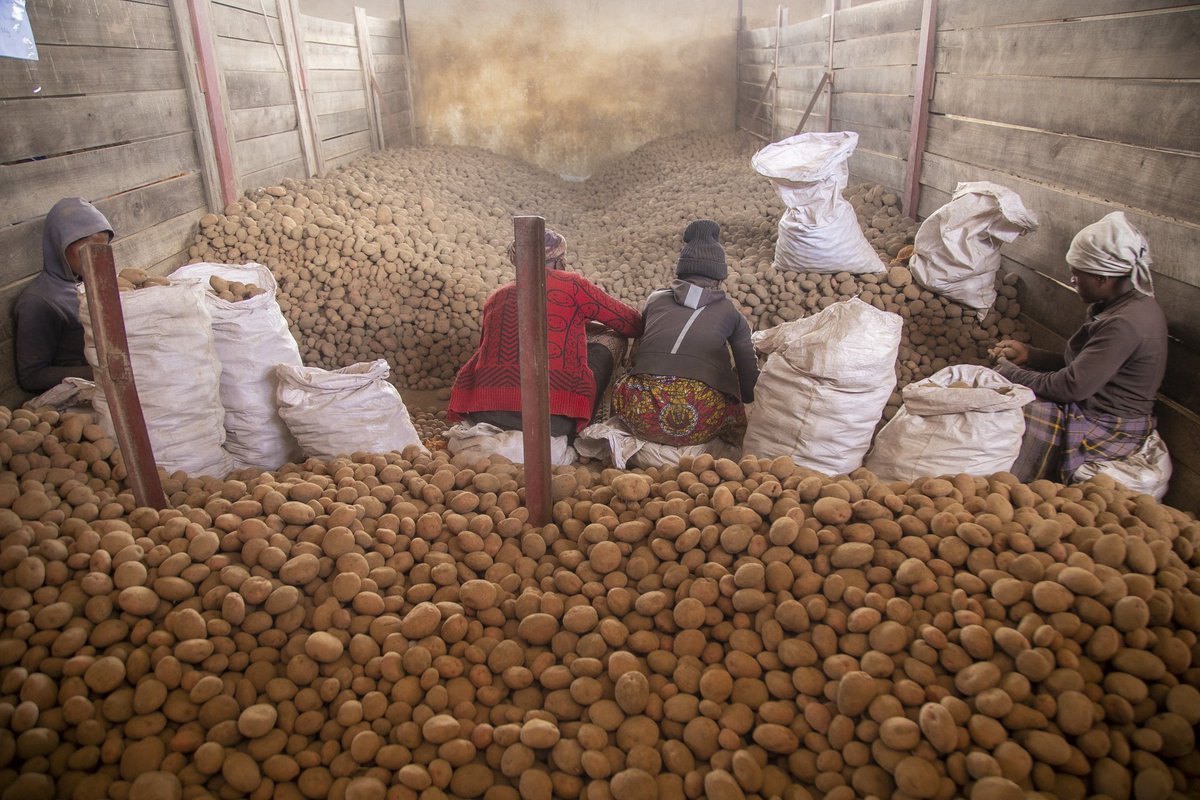
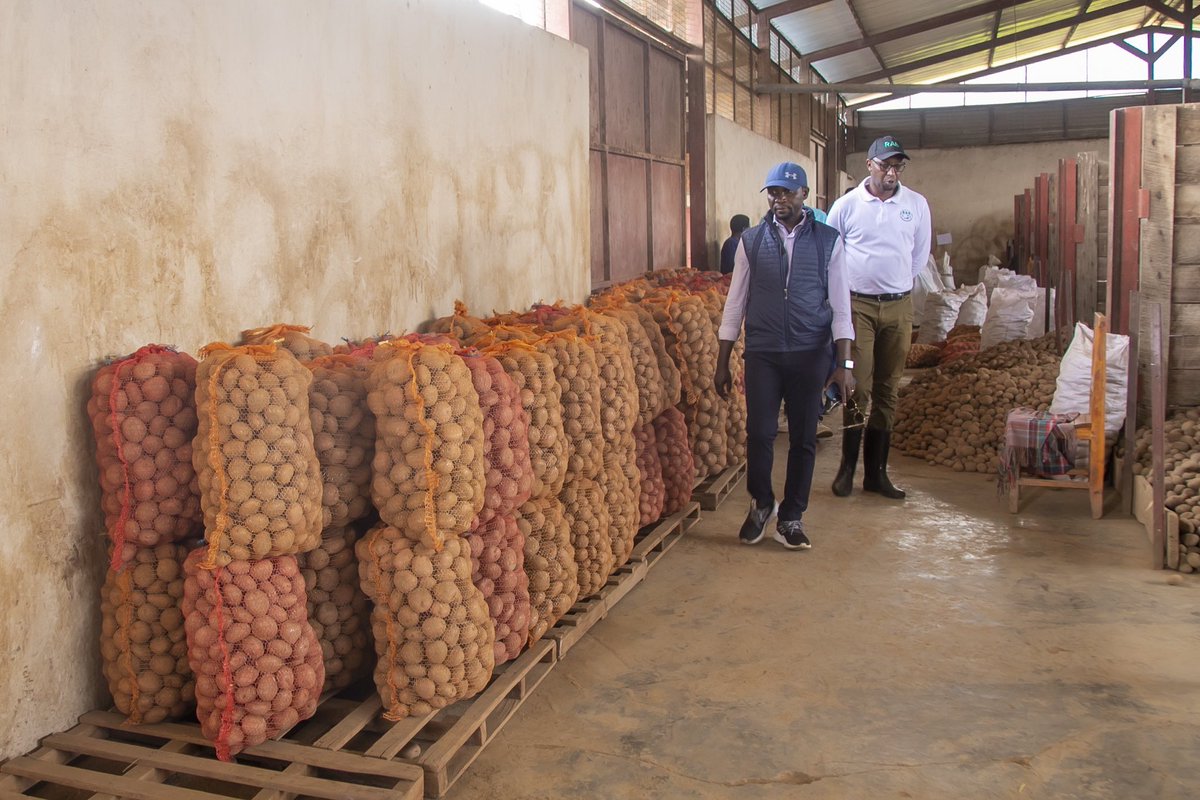
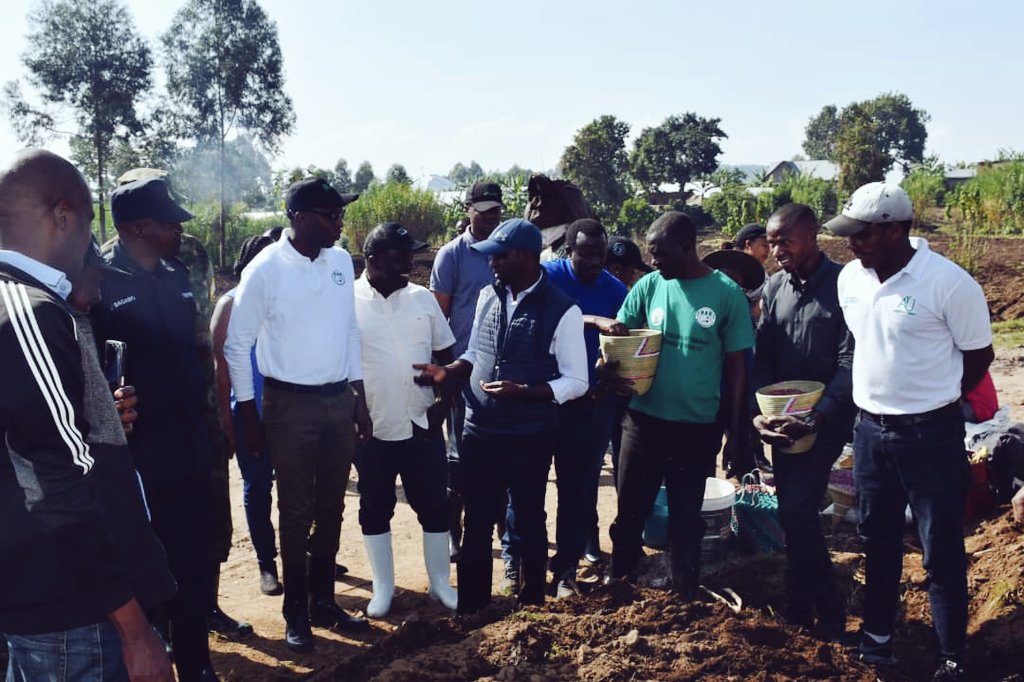
Today, I will visit @SunripeR, one of the largest horticultural farms that grows high-quality vegetables for international, regional, and local markets.
I'm super excited to learn about their progress since my last visit last year.
SOUK Farms is wishing you a very successful and fruitful Fast in this season. Cheers to more growth and another exciting festive season!
To learn more about what we do, contact us via [email protected]#SOUKFarms#RamadanKareem📷 #Ramadan2024
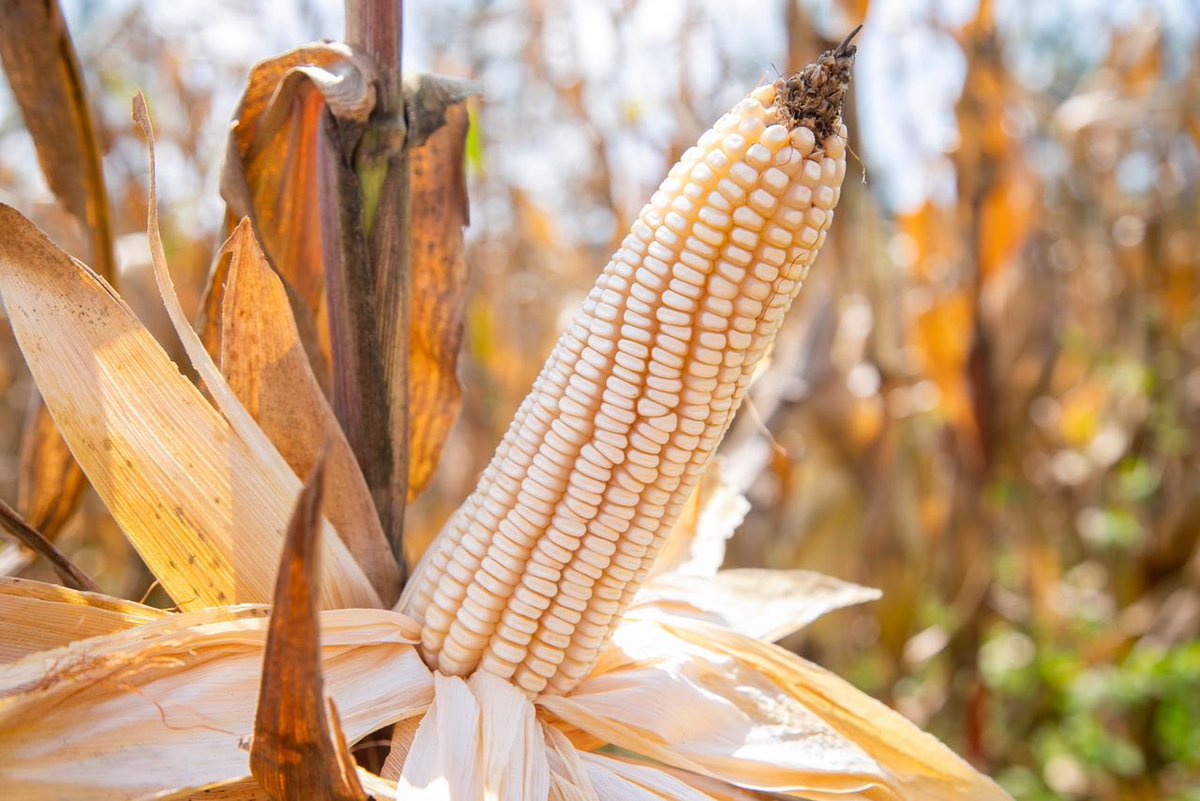
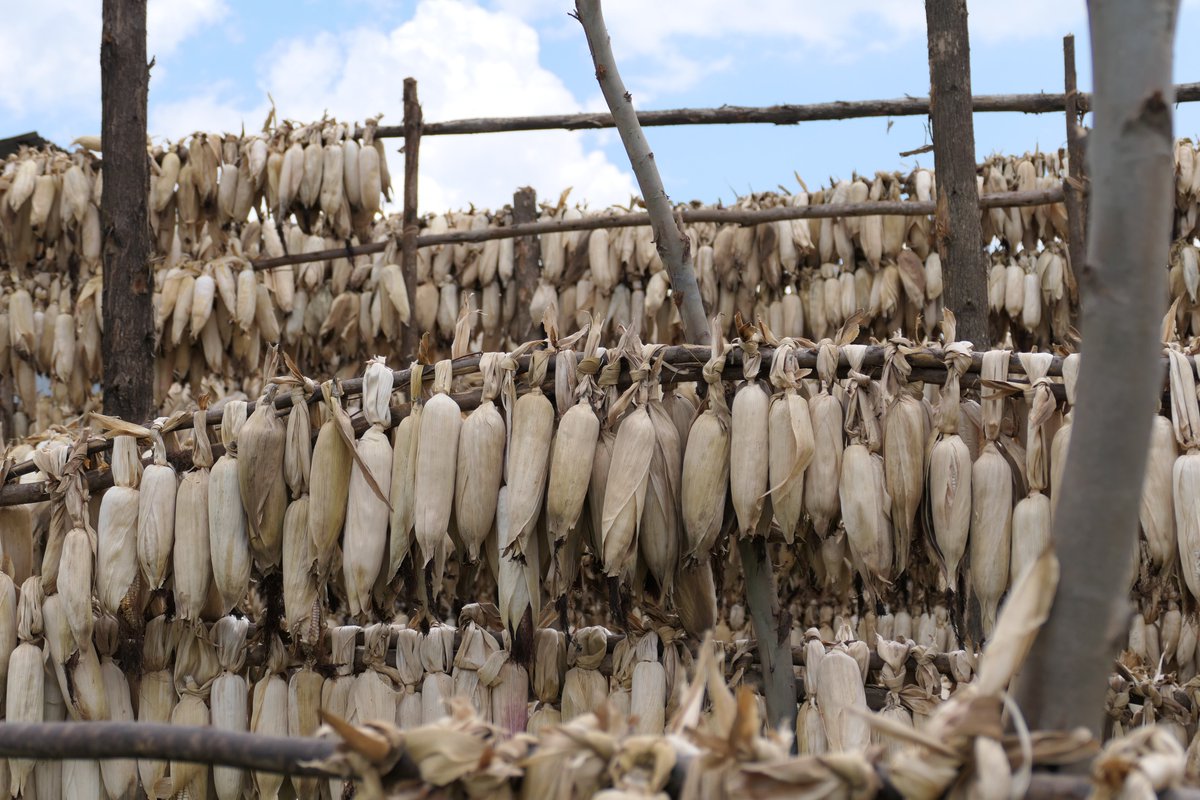
Proper post-harvest management is important for maintaining the quality and value of maize grain.
You should store maize grain in a cool, dry place and take steps to prevent insect and rodent damage.
Dear Farmers don’t let acidic soil steal your produce! Adding lime to your farm can help strengthen crops by improving nutrient uptake, enhance yields by producing a healthy root zone, and unleash key minerals for optimal growth.
#SoilHealth#ConservationAgriculture
5 eating habits that we know are good for us👇
🍅Eat plenty of veggies & fruits
💧Drink water regularly
🧂Reduce sodium/salt
🍔Watch your intake of fats
🍩Cut back on sugar
👉Read more at https://t.co/7wwXSzRFmN
Why hydroponics and vertical farming are the future of agriculture and food security in Rwanda!
Here are 10 reasons:
1. 🌱 Limited arable land: Rwanda has a high population density and limited arable land, which makes traditional agriculture challenging. Hydroponic and vertical farming allows food to be grown in smaller spaces, making it a more feasible option for densely populated areas.
2. 🌿 Water conservation: Hydroponic farming uses 90% less water than traditional agriculture. With droughts becoming more common in Rwanda, water conservation is crucial.
3. 🌞 Year-round crop production: With hydroponic and vertical farming, crops can be grown year-round, regardless of the weather outside. This means more consistent food production and less reliance on seasonal crops.
4. 🥬 Higher yields: Hydroponic and vertical farming can produce higher yields than traditional agriculture, due to the controlled growing conditions and optimal nutrient delivery.
5. 🌡️ Climate control: In a hydroponic or vertical farm, the temperature, humidity, and light can all be controlled. This creates an ideal environment for plants to grow, leading to healthier and more abundant crops.
6. 🍅 Faster growth: Hydroponic and vertical farming can produce crops up to 25% faster than traditional agriculture. This means more food can be produced in a shorter amount of time.
7. 💰 Cost-effective: While the initial setup cost of a hydroponic or vertical farm may be higher than traditional agriculture, the long-term cost can be lower due to higher yields, less water usage, and less reliance on expensive fertilizers.
8. 🐝 No need for pesticides: Hydroponic and vertical farming eliminate the need for pesticides, which can be harmful to both the environment and human health.
9. 🥗 Freshness and quality: Hydroponic and vertical farming can produce fresher and higher-quality crops, as they can be harvested and delivered directly to consumers without needing to be transported long distances.
10. 🌎 Sustainability: Hydroponic and vertical farming is sustainable agriculture methods that produce less waste, use less water and land, and have a lower carbon footprint than traditional agriculture.
Overall, hydroponic and vertical farming offers a promising solution to the challenges faced by traditional agriculture in Rwanda.
By allowing for year-round, high-yield crop production in smaller spaces, hydroponic and vertical farming can help increase food security and promote sustainable agriculture practices.
📸: Self.
Read more about the 20 Best Hydroponics eBooks for Beginners. https://t.co/2XK0oZCita…
There are only 12 days left till the IBMA conference. If you have not yet registered, please do so today. Don't miss on this chance to meet and network with global agriculture leaders. #Agirite
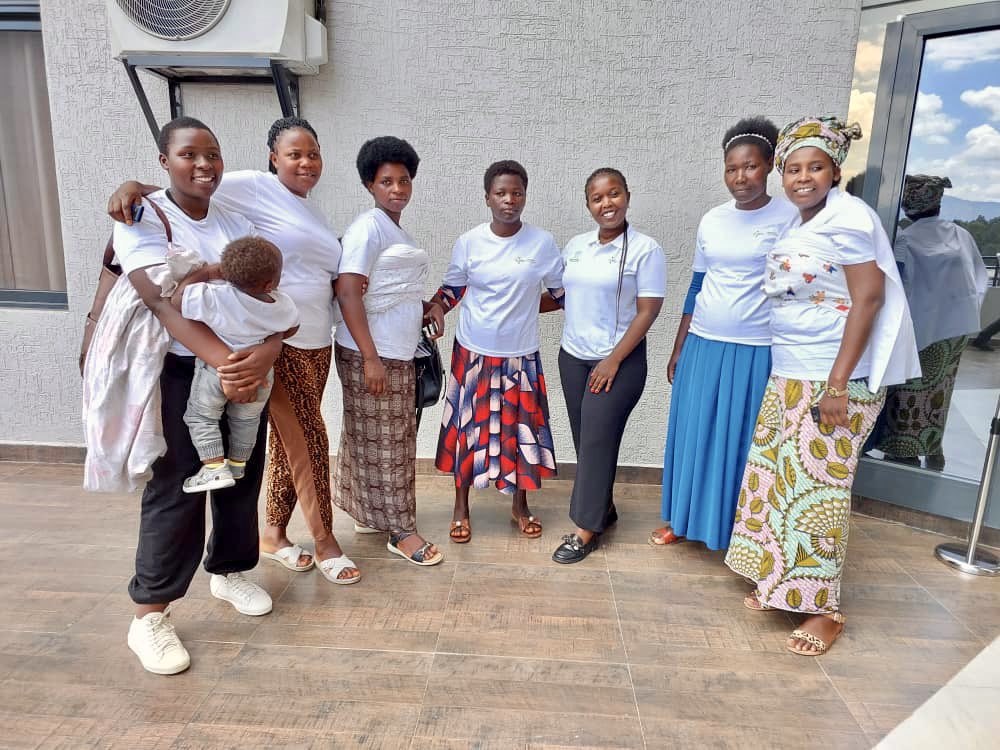
My International Women's Day was well-spent. I spent this great day with agro-dealers from Musanze and Burera districts. It's amazing to see how women are working in different areas to ensure that we have food on our plates. We appreciate your hard work. #TWEZE
“Grateful for the hands that sow, the hearts that cultivate, and the dedication that nourishes us all. Wishing our incredible farmers a bountiful and blessed Friday. Your hard work sustains the world. Thank you for feeding our communities.” @AlexisNyandwi12
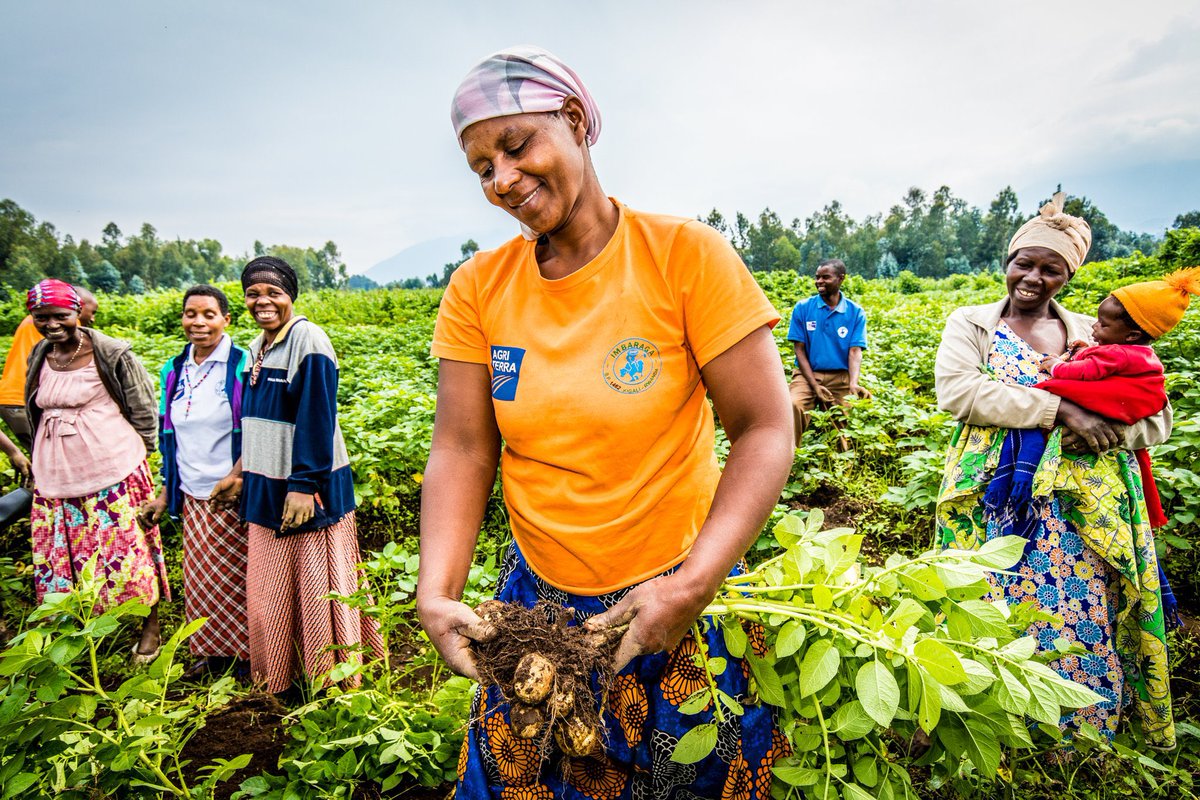
“Rural women play a key role in supporting their households and communities in achieving food and nutrition security, generating income, and improving rural livelihoods and overall well-being.” @EnyonamManye
Are you looking for ways to reduce post-harvest losses? I've got you. Try these TWO things, you'll thank me later. Dry your produce correctly, aiming for 13-14% moisture. This helps to prevent mold and pest infestations in your harvested maize. Choose clean&dry storage.#Turejeje