In 1994, as the Genocide against the Tutsi swept across Rwanda, a young woman and her family led a community that refused to die without a fight.
#biseseromovie#hillsofresistance
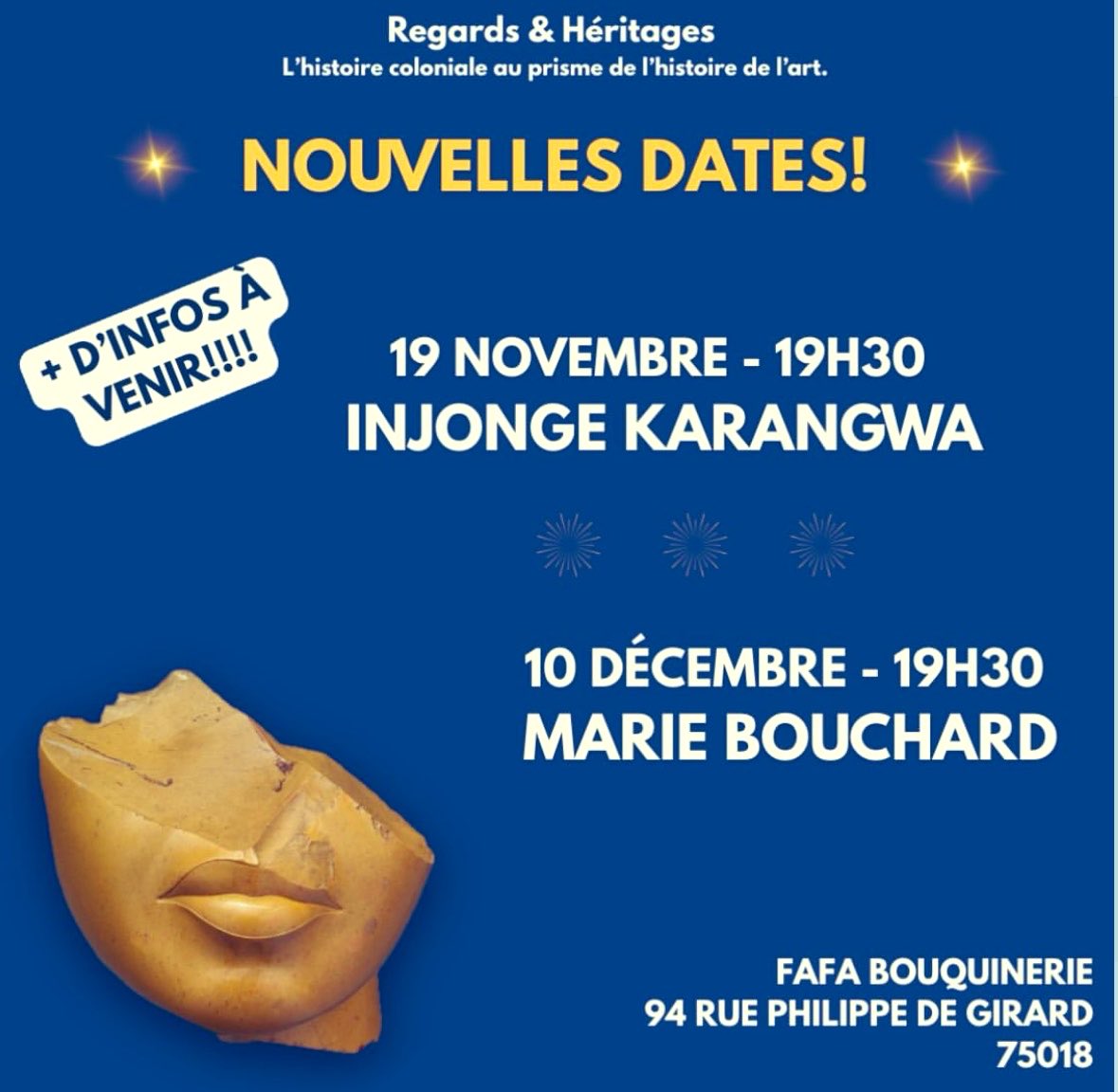
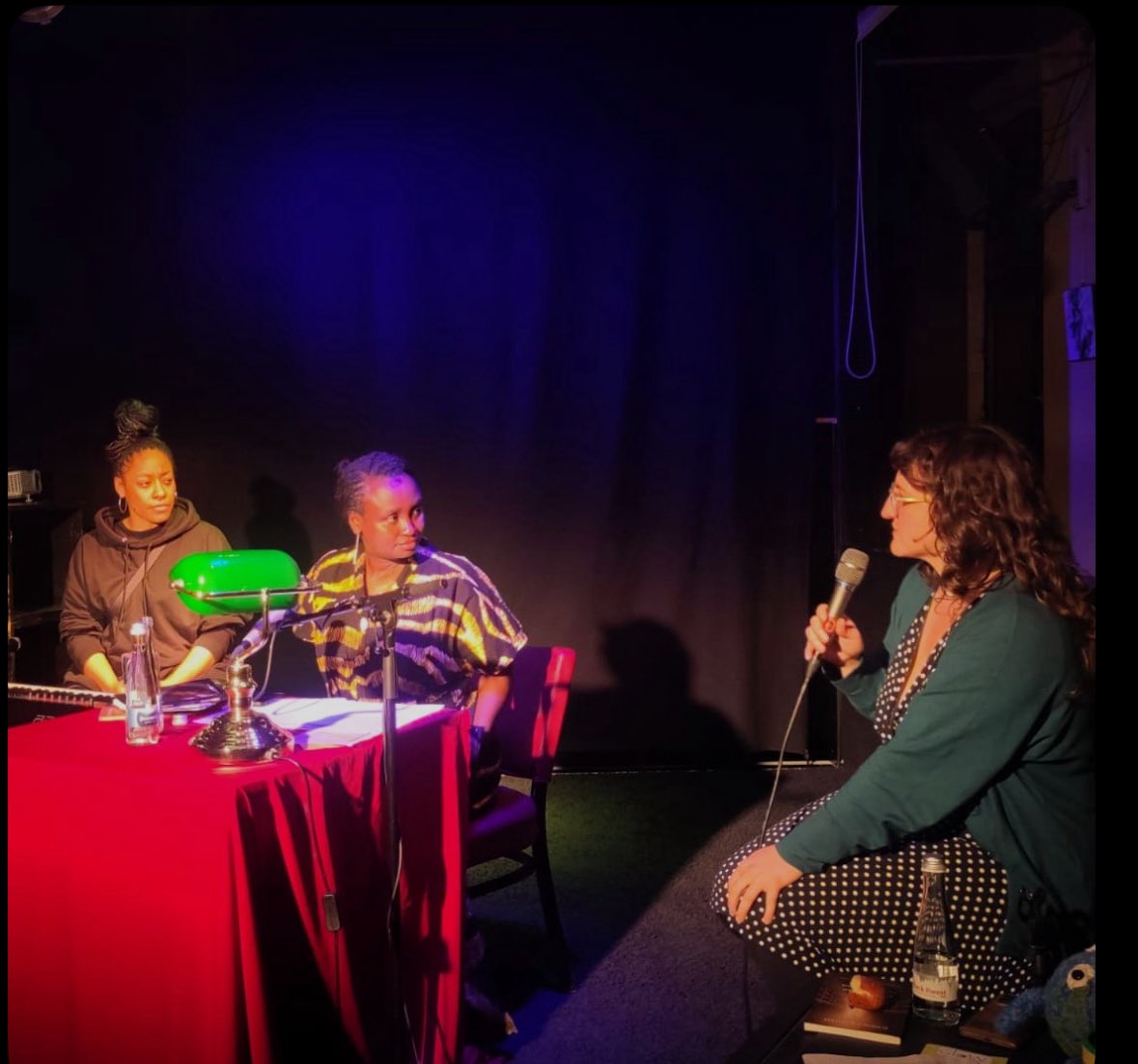
Injonge Karangwa participera en novembre à des moments d’échange et de réflexion collective autour de l’histoire de l’art et de l’histoire coloniale, à Paris, en France.
Regards & Héritages.
#Poetry#Storytelling#GusomaChallenge#DigitalMuseum
“Preservation whereby gruesome evidence of the killings was protected from removal and frozen in time comprised the earliest initiatives, which began before the sites were formalized as memorials and a full year before the Genocide Memorial Commission was created…. The first preservation efforts took place at the Nyarubuye and Ntarama Churches, rendering them places of witness that rendered the genocide viewable long after its occurrence.”
Delia Duong Ba Wendel, (2025)
https://t.co/2ef5wL3K9p
𝐀𝐥𝐬𝐨 𝐫𝐞𝐚𝐝:
𝑆𝑢𝑟𝑣𝑖𝑣𝑜𝑟 𝐴𝑔𝑒𝑛𝑐𝑦 𝑖𝑛 𝑡ℎ𝑒 𝑃𝑜𝑠𝑡-𝐺𝑒𝑛𝑜𝑐𝑖𝑑𝑒 𝑀𝑒𝑚𝑜𝑟𝑖𝑎𝑙𝑖𝑧𝑎𝑡𝑖𝑜𝑛 𝑃𝑟𝑜𝑐𝑒𝑠𝑠 𝑖𝑛 𝑅𝑤𝑎𝑛𝑑𝑎, by Stephanie Wolfe, Omar Ndizeye and Anna-Marie De Beer
https://t.co/p28NPKZ3Tj
#SitesOfMemory #GenocideAgainstTutsi #CulturalMemory #DigitalMuseum
𝑆𝑡𝑒ℎ 𝑎𝑢𝑓, 𝑚𝑒𝑖𝑛 𝐾𝑖𝑛𝑑, 𝑢𝑛𝑑 𝑔𝑒ℎ!: 𝑊𝑖𝑒 𝑖𝑐ℎ 𝑑𝑢𝑟𝑐ℎ 𝐺𝑜𝑡𝑡𝑒𝑠 𝑆𝑡𝑖𝑚𝑚𝑒 𝑑𝑒𝑛 𝑉𝑜̈𝑙𝑘𝑒𝑟𝑚𝑜𝑟𝑑 𝑎𝑛 𝑑𝑒𝑛 𝑇𝑢𝑡𝑠𝑖 𝑖𝑛 𝑅𝑢𝑎𝑛𝑑𝑎 𝑢̈𝑏𝑒𝑟𝑙𝑒𝑏𝑡𝑒 𝑢𝑛𝑑 𝐹𝑟𝑒𝑖ℎ𝑒𝑖𝑡 𝑓𝑎𝑛𝑑.
Marie ist neun Jahre alt, als in ihrem Heimatland Ruanda der Völkermord ausbricht. Unzählige Tutsi verlieren ihr Leben - darunter auch enge Familienangehörige.
Mit einem Mal ist sie auf sich allein gestellt und weiß nicht, was sie tun soll. Bis sie unvermittelt eine leise Stimme hört, die ihr genau sagt, was als Nächstes dran ist.
Durch wundersame Fügungen gelingt ihr die Flucht bis nach Deutschland. Trotz schwerster Traumatisierung schafft Marie es, dort Fuß zu fassen und wächst zu einer nach außen hin selbstbewussten jungen Frau heran.
Doch etwas in ihr bleibt verbittert und tief verwundet. Eines Tages hört sie plötzlich wieder diese leise Stimme: Gott führt sie ein zweites Mal in die Freiheit - dieses Mal endlich auch in die innere.
Eine Lebensgeschichte, die betroffen macht und staunen lässt - über einen Gott, dessen leise Stimme lauter ist als jedes Kriegsgeschrei, und über seine unfassbare Kraft der Vergebung, die immer das letzte Wort spricht.
https://t.co/kyZSAvOeMt
#Literatur #GenozidAnDenTutsi #GusomaChallenge #Resilienz #Bildung #DigitalesMuseum
“The use of derogatory terms played a significant role in laying the social groundwork for the 1994 genocide of the Tutsi in Rwanda. Linguistic practices and the norms that govern them do not operate alone; they shape and are shaped by collateral social practices and norms.”
Lynne Tirrell
Read more: https://t.co/Jph6zCWrVM…
#GenocidePrevention #Linguisticviolence #Linguisticnorms #NeverAgain
Artificial family in post Genocide societies.
The concept of 𝐚𝐫𝐭𝐢𝐟𝐢𝐜𝐢𝐚𝐥 𝐟𝐚𝐦𝐢𝐥𝐢𝐞𝐬, developed by the 𝐴𝑠𝑠𝑜𝑐𝑖𝑎𝑡𝑖𝑜𝑛 𝑑𝑒𝑠 𝐸́𝑡𝑢𝑑𝑖𝑎𝑛𝑡𝑠 𝑒𝑡 𝐸́𝑙𝑒̀𝑣𝑒𝑠 𝑅𝑒𝑠𝑐𝑎𝑝𝑒́𝑠 𝑑𝑢 𝐺𝑒́𝑛𝑜𝑐𝑖𝑑𝑒 (AERG) in response to the trauma and economic challenges faced by survivors of the 1994 Genocide against the Tutsi, offers a valuable area of study for understanding initiatives that rebuild individual lives and restore a sense of belonging in post-genocide societies.
Founded on October 20, 1996, by 12 student survivors at the University of Rwanda, AERG introduced the concept of 𝐚𝐫𝐭𝐢𝐟𝐢𝐜𝐢𝐚𝐥 𝐟𝐚𝐦𝐢𝐥𝐢𝐞𝐬, which responded to the fundamental question: 𝐻𝑜𝑤 𝑐𝑎𝑛 𝑜𝑟𝑝ℎ𝑎𝑛𝑠 𝑟𝑒𝑔𝑎𝑖𝑛 𝑎 𝑠𝑒𝑛𝑠𝑒 𝑜𝑓 𝑓𝑎𝑚𝑖𝑙𝑦 𝑎𝑛𝑑 𝑏𝑒𝑙𝑜𝑛𝑔𝑖𝑛𝑔 𝑖𝑛 𝑡ℎ𝑒 𝑎𝑓𝑡𝑒𝑟𝑚𝑎𝑡ℎ 𝑜𝑓 𝑔𝑒𝑛𝑜𝑐𝑖𝑑𝑒?
Numerous documented stories illustrate how this initiative has transformed lives and rebuilt family relationships, highlighting the importance of intergenerational, and community support in rebuilding lives, and relationships after genocide.
Photo: @CNN
Also read:
𝑇ℎ𝑒 23-𝑦𝑒𝑎𝑟-𝑜𝑙𝑑 𝑤𝑖𝑡ℎ 24 𝑘𝑖𝑑𝑠: 𝐺𝑒𝑛𝑜𝑐𝑖𝑑𝑒 𝑜𝑟𝑝ℎ𝑎𝑛𝑠 𝑓𝑜𝑟𝑚 𝑡ℎ𝑒𝑖𝑟 𝑜𝑤𝑛 𝑓𝑎𝑚𝑖𝑙𝑖𝑒𝑠, CNN
https://t.co/mknCgnMem0
𝐶𝑜𝑙𝑙𝑖𝑛𝑒𝑠 𝑑𝑒𝑠 𝑚𝑖𝑙𝑙𝑒 𝑠𝑜𝑢𝑣𝑒𝑛𝑖𝑟𝑠: 𝑉𝑖𝑣𝑟𝑒 𝑎𝑝𝑟𝑒̀𝑠 𝑒𝑡 𝑎𝑣𝑒𝑐 𝑙𝑒 𝑔𝑒́𝑛𝑜𝑐𝑖𝑑𝑒 𝑝𝑒𝑟𝑝𝑒́𝑡𝑟𝑒́ 𝑐𝑜𝑛𝑡𝑟𝑒 𝑙𝑒𝑠 𝑇𝑢𝑡𝑠𝑖 𝑑𝑢 𝑅𝑤𝑎𝑛𝑑𝑎, Andrea Grieder (Editor)
https://t.co/9GscrcXPQM
𝐿𝑒𝑔𝑎𝑙 𝑎𝑛𝑑 𝐶𝑜𝑢𝑛𝑠𝑒𝑙𝑙𝑖𝑛𝑔 𝐻𝑒𝑙𝑝𝑙𝑖𝑛𝑒, Survivors Fund Rwanda (@survivorsfund)
https://t.co/hzwqDymIbB
#TraumaHealing #MentalHealth #GenocideAgainstTutsi #Family #DigitalMuseum
In 1994, as the Genocide against the Tutsi swept across Rwanda, a young woman and her family led a community that refused to die without a fight.
#biseseromovie#hillsofresistance
May the genocide against the Tutsi receive the recognition and respect it deserves. May everyone know that Jesus can free us from our deepest fears and help us live fulfilling lives, even after experiencing trauma. If I can find healing and hope, so can you.
My story coming soon on Sat 1 🔥
A new article 𝑅𝑒𝑐𝑙𝑎𝑖𝑚𝑖𝑛𝑔 𝑀𝑜𝑡ℎ𝑒𝑟ℎ𝑜𝑜𝑑 𝑎𝑛𝑑 𝑅𝑒𝑠𝑖𝑠𝑡𝑖𝑛𝑔 𝐸𝑟𝑎𝑠𝑢𝑟𝑒 𝑖𝑛 𝐵𝑒𝑙𝑔𝑖𝑎𝑛 𝐶𝑜𝑙𝑜𝑛𝑖𝑎𝑙 𝑅𝑤𝑎𝑛𝑑𝑎: 𝑇ℎ𝑒 𝑆𝑡𝑜𝑟𝑦 𝑜𝑓 𝑃𝑒𝑟𝑢𝑠𝑖 𝐾𝑎𝑔𝑎𝑗𝑢, by Alice Urusaro Uwagaga Karekezi, Nicki Hitchcott and John Duncan McInally
“Focusing on the life of Kagaju, a Rwandan mother whose two sons were taken without her consent and adopted by a white Belgian family, this article brings to light the overlooked experiences of Rwandan mothers of colonial Métis whose mixed-‘race’ children were forcibly removed under Belgian colonial rule and who remain largely absent from both public memory and feminist scholarship. In this article, the term ‘Métis’ refers to children born to African mothers and European (predominantly Belgian) fathers during the colonial period.”
Read more here: https://t.co/1X1uHHR799
𝐎𝐧 𝐏𝐡𝐨𝐭𝐨: 𝐴 𝑙’𝑖𝑛𝑠𝑡𝑖𝑡𝑢𝑡 𝑝𝑜𝑢𝑟 𝑒𝑛𝑓𝑎𝑛𝑡𝑠 « 𝑚𝑢𝑙𝑎̂𝑡𝑟𝑒𝑠 » 𝑑𝑒 𝑆𝑎𝑣𝑒, 𝑎𝑢 𝑅𝑤𝑎𝑛𝑑𝑎, 𝑑𝑢𝑟𝑎𝑛𝑡 𝑙𝑎 𝑝𝑒́𝑟𝑖𝑜𝑑𝑒 𝑐𝑜𝑙𝑜𝑛𝑖𝑎𝑙𝑒. 𝑃ℎ𝑜𝑡𝑜 𝑑𝑎𝑡𝑎𝑛𝑡 𝑑𝑒𝑠 𝑎𝑛𝑛𝑒́𝑒𝑠 1959. 𝐶𝑂𝐿𝐿𝐸𝐶𝑇𝐼𝑂𝑁 𝑃𝑅𝐼𝑉𝐸́𝐸 𝐷𝐸 𝐹𝑅𝐴𝑁𝐶̧𝑂𝐼𝑆 𝐷’𝐴𝐷𝐸𝑆𝐾𝑌 (Le Monde, 2022)
#History #Heritage #Historiography #HistoryWithPeople #Save #Rwanda #Burundi #DRC #Belgium #DigitalMuseum
Impera z’umwaka ziregereje! Mu mpano uteganya guha abana bawe, inshuti n’umuryango, ntuzibagirwe n’𝐢𝐛𝐢𝐭𝐚𝐛𝐨. Ariko twese twitabira #GusomaChallenge!
Soma. Sangiza abandi.
📚 📚 📚 📚 📚 📚 📚
As the year draws to a close, don’t forget to include a 𝐛𝐨𝐨𝐤𝐬 among your gifts for your children, family, and friends. As we all Join the #GusomaChallenge!
Read. Share.
#GusomaChallenge #CulturalMemory #DigitalMuseum
𝑆ℎ𝑎𝑟𝑖𝑛𝑔 𝑡ℎ𝑒 𝐵𝑢𝑟𝑑𝑒𝑛 𝑜𝑓 𝑆𝑡𝑜𝑟𝑖𝑒𝑠 𝑓𝑟𝑜𝑚 𝑡ℎ𝑒 𝑇𝑢𝑡𝑠𝑖 𝐺𝑒𝑛𝑜𝑐𝑖𝑑𝑒: 𝑅𝑤𝑎𝑛𝑑𝑎: 𝑒́𝑐𝑟𝑖𝑟𝑒 𝑝𝑎𝑟 𝑑𝑒𝑣𝑜𝑖𝑟 𝑑𝑒 𝑚𝑒́𝑚𝑜𝑖𝑟𝑒 by Anna-Marie DeBeer deals with literary representations of the genocide of the Tutsis in Rwanda.
The focus is a transnational, polyphonic writing project entitled ‘Rwanda: écrire par devoir de mémoire’ (Rwanda: Writing by Duty of Memory), undertaken in 1998 by a group of nine African authors.
This work emphasizes the Afropolitan cultural frame in which the texts were conceived and written. Instead of using Western and Eurocentric tropes, this volume looks at a so-called ‘minority trauma’: an African conflict situated in a collectivist society and written about by writers from African origin.
This approach enables a more situated study, in which it becomes possible to draw out the local notions of ubuntu, oral testimonies, mourning traditions, healing and storytelling strategies, and the presence of the ‘invisible’.
Get your copy here: https://t.co/8wShqW9TeG
#Literature #Storytelling #Inkuru #Ubuvanganzo #Ubusizi #GusomaChallenge #CulturalMemory #DigitalMuseum
Judence Kayitesi at NUN Kulturraum and GloW e.V. In Germany, where she was invited to share her story and discuss her book "𝐴 𝐵𝑟𝑖𝑑𝑔𝑒 𝐵𝑒𝑡𝑤𝑒𝑒𝑛 𝑊𝑜𝑟𝑙𝑑𝑠"
A meaningful opportunity to connect through storytelling, and the exchange of perspectives and lived experiences.
Photo: NUN Kulturraum
𝐸𝑥𝑝𝑙𝑜𝑟𝑒 𝑚𝑜𝑟𝑒 𝑜𝑓 𝐽𝑢𝑑𝑒𝑛𝑐𝑒’𝑠 𝑙𝑖𝑡𝑒𝑟𝑎𝑟𝑦 𝑎𝑛𝑑 𝑝𝑢𝑏𝑙𝑖𝑠ℎ𝑖𝑛𝑔 𝑤𝑜𝑟𝑘 ℎ𝑒𝑟𝑒: https://t.co/8eu5NloBWn
#HistoryWithPeople #CulturalMemory #DigitalMuseum
“Never refuse any who ask you for help; if your pockets are empty, give them hope. Your every action must be born of kindness, your every word spoken with love.”
Immaculée Ilibagiza,(𝑂𝑢𝑟 𝐿𝑎𝑑𝑦 𝑜𝑓 𝐾𝑖𝑏𝑒ℎ𝑜: 𝑀𝑎𝑟𝑦 𝑆𝑝𝑒𝑎𝑘𝑠 𝑡𝑜 𝑡ℎ𝑒 𝑊𝑜𝑟𝑙𝑑 𝑓𝑟𝑜𝑚 𝑡ℎ𝑒 𝐻𝑒𝑎𝑟𝑡 𝑜𝑓 𝐴𝑓𝑟𝑖𝑐𝑎)
#GusomaChallenge #Literature #Kindness #DigitalMuseum
“Novels are nice,' my friend said. 'They stop.' He waggled his fingers to make quotation marks in the air. 'They say, 'The End.' Very nice. A marvelous invention. Here we have stories, but never 'The End”.
Philip Gourevitch, (𝑊𝑒 𝑊𝑖𝑠ℎ 𝑡𝑜 𝐼𝑛𝑓𝑜𝑟𝑚 𝑌𝑜𝑢 𝑇ℎ𝑎𝑡 𝑇𝑜𝑚𝑜𝑟𝑟𝑜𝑤 𝑊𝑒 𝑊𝑖𝑙𝑙 𝐵𝑒 𝐾𝑖𝑙𝑙𝑒𝑑 𝑊𝑖𝑡ℎ 𝑂𝑢𝑟 𝐹𝑎𝑚𝑖𝑙𝑖𝑒𝑠: 𝑆𝑡𝑜𝑟𝑖𝑒𝑠 𝑓𝑟𝑜𝑚 𝑅𝑤𝑎𝑛𝑑𝑎)
#CulturalMemory #Storytelling #OralHistory #NonFiction #GusomaChallenge #DigitalMemory