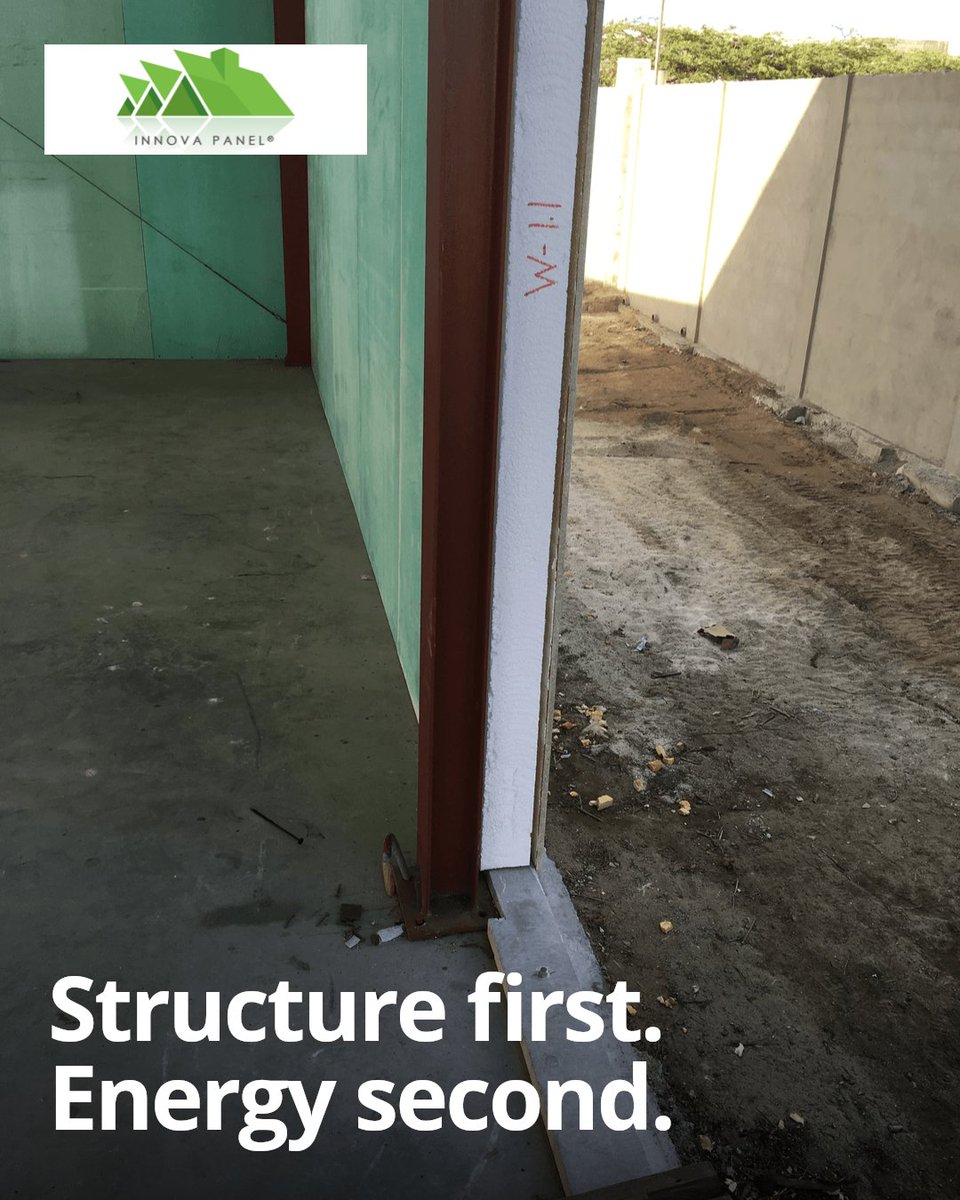
Moisture-prone panels fail at the seams, not the skin.
Look for factory-cut precision, tight sealing details, and materials built for exterior exposure. If the envelope can’t stay dry and airtight, the system won’t last.
https://t.co/wophQGOc5y #structural insulated panels
Hurricane builds getting too complex?
A good SIP system keeps it simple: factory-cut, numbered panels, airtight continuous insulation, and code-ready performance. Less field cutting. Less labor. Faster dry-in.
https://t.co/wophQGOc5y #structural insulated panels #SIPs
Can your build handle energy and load?
Sustainable materials only work when they do both. SIPs give you structural support, continuous insulation, and a tighter envelope, so the building performs on site and over time.
https://t.co/wophQGOc5y #structural insulated panels
Miami-Dade NOA can make or break your permit submittal.
If you use SIP panels, check approval before drawings go out. The right panel system can cut redesigns, delays, and reviewer back-and-forth.
Know the approval first. Build faster after.
https://t.co/wophQGOc5y
Miami-Dade NOA approval changes how architects specify wall systems. It shifts them from a generic line item to a code-ready choice, with faster approvals, clearer submittals, and fewer field surprises.
https://t.co/wophQGOc5y #structural insulated panels #SIPs
Miami-Dade NOA, plain and simple: it shows a product has been reviewed for use in Miami-Dade’s high-wind zone. For SIPs, that means less guesswork and faster spec decisions.
https://t.co/qDkIJUgo2N #structural insulated panels #SIPs#insulated panels #building materials
Which code items get missed most before panel orders?
A local SIP checklist should catch the items that slow builds down: code alignment, wind-load requirements, moisture details, and seal continuity. Review it early before you place the order.
https://t.co/wophQGOc5y
Choose SIP panels for faster enclosure: panel type, thickness, and sealing system. Factory-cut kits cut jobsite work and help crews reach dry-in faster. Match tape and connection details to the build.
https://t.co/qDkIJUgo2N #structural insulated panels #SIPs#insulated panels
Three signs a panel system is not ready for permit review in a coastal market:
1. Missing wind load documentation
2. Unclear moisture detailing
3. No code-specific assembly drawings
Fix these before you submit.
https://t.co/qDkIJUgo2N #structural insulated panels #SIPs
Worried about pre-construction surprises?
Better panel selection can reduce five risks before the first pour:
• schedule slips
• labor overruns
• waste
• enclosure delays
• moisture issues
It can mean faster enclosure and fewer change orders.
https://t.co/wophQGOc5y
Precision matters when every panel must fit the same way, every time.
On large builds, small errors cause delays, rework, and waste.
Precision manufacturing keeps SIPs consistent and helps teams build with confidence.
https://t.co/wophQGOc5y #structural insulated panels
A code consultation can save days on a project that can’t afford delays.
You catch compliance issues early.
You avoid redesigns, rework, and permit setbacks.
That’s time saved before the first panel goes up.
Start building smarter.
https://t.co/wophQGOc5y
What should you verify first on SIPs?
For code-sensitive projects, compare more than the panel skin.
Check the full system: structure, sealing, approvals, and moisture details.
That protects performance, schedule, and long-term energy savings.
https://t.co/wophQGOc5y
Load-bearing SIPs simplify framing. The panel handles structure and insulation at once, cutting site cuts and guesswork.
Where would this save the most time on your next build?
https://t.co/qDkIJUgo2N #structural insulated panels #SIPs#insulated panels #building materials
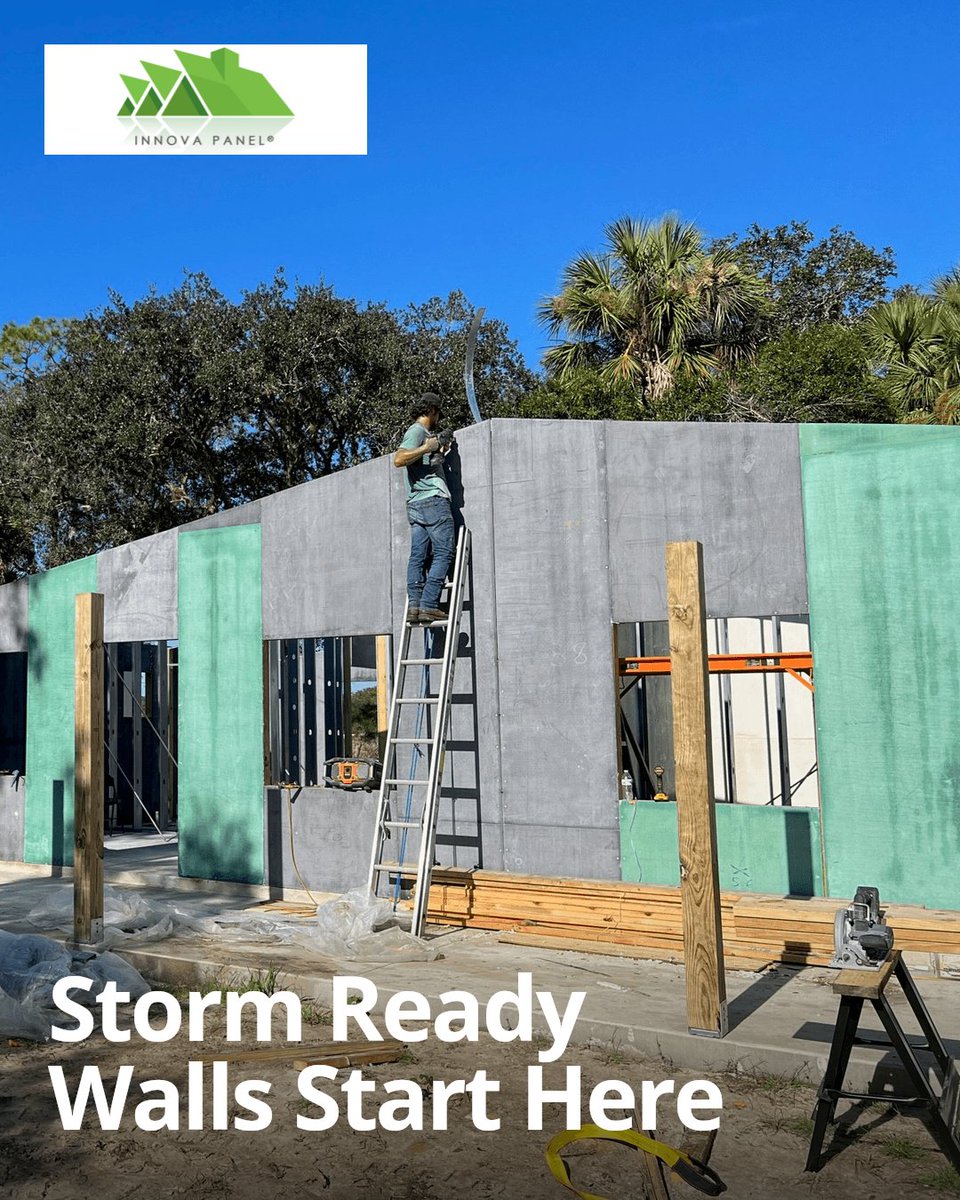
Storm season makes one thing clear: smart specs cut heat loss and hold up under pressure.
SIPs do both. Factory-cut, load-bearing panels create a tighter envelope and fewer jobsite surprises.
What part of the build process do you spec first?
https://t.co/wophQGOc5y
Storm season exposes weak walls fast. Builders are rethinking insulated panels because factory-built SIPs add structure, airtight insulation, and faster enclosure. What part of the build do you check first?
https://t.co/qDkIJUgo2N #structural insulated panels #SIPs
Weak points in a building envelope often show up before the storm. Check joints, flashing, roof edges, and penetrations. SIPs help cut leaks and heat loss. What do you inspect first?
https://t.co/wophQGOc5y #structural insulated panels #SIPs#insulated panels
Severe weather shouldn’t turn your schedule into a guess. SIPs are factory-made, quick to install, and built to perform in the envelope. What part of the build slows projects down most?
https://t.co/qDkIJUgo2N #structural insulated panels #SIPs#insulated panels
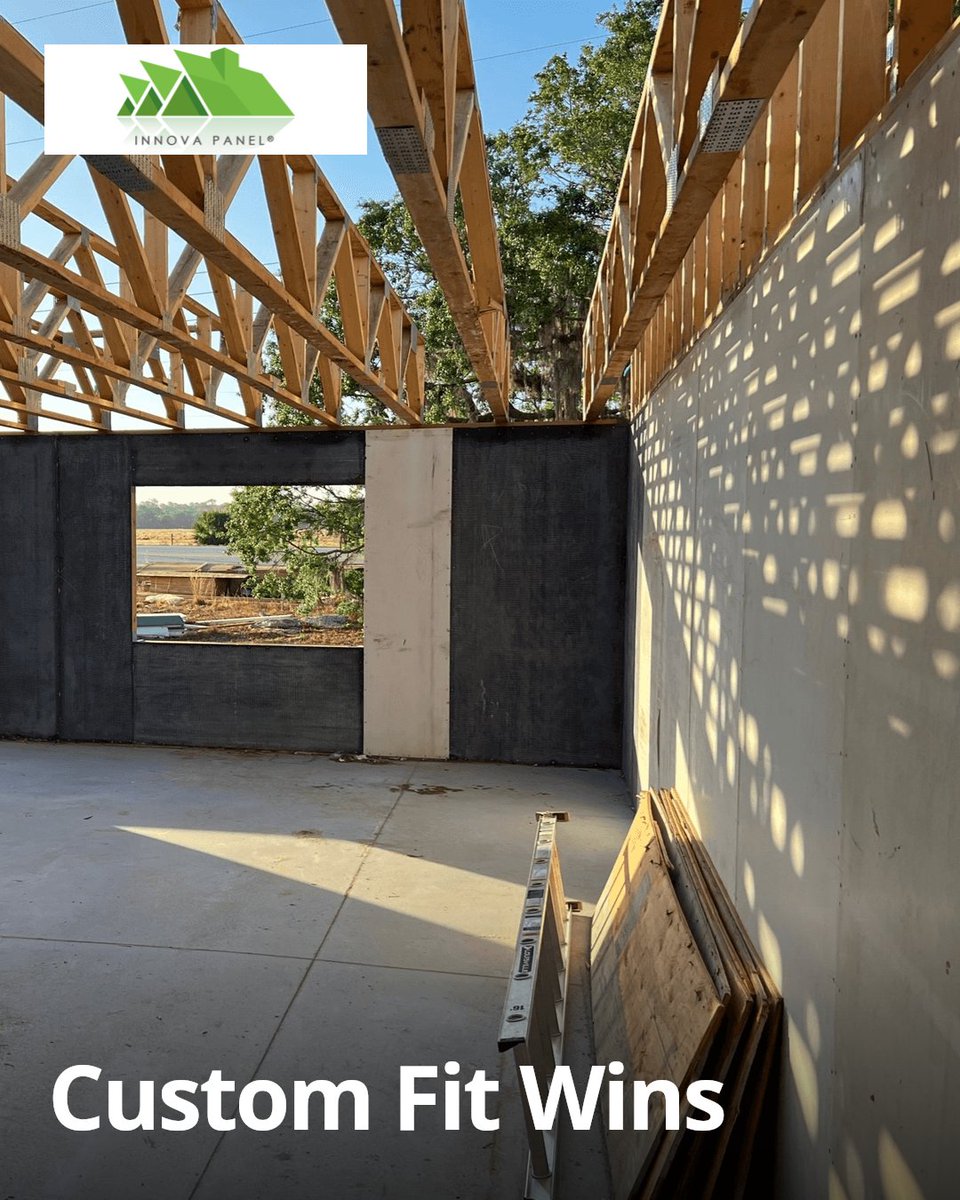
Why custom fabrication matters when standard dimensions do not fit the project brief. Custom fabrication cuts waste, reduces field modifications, and helps keep SIP performance intact when the project needs a non-standard solution.
https://t.co/wophQGOc5y