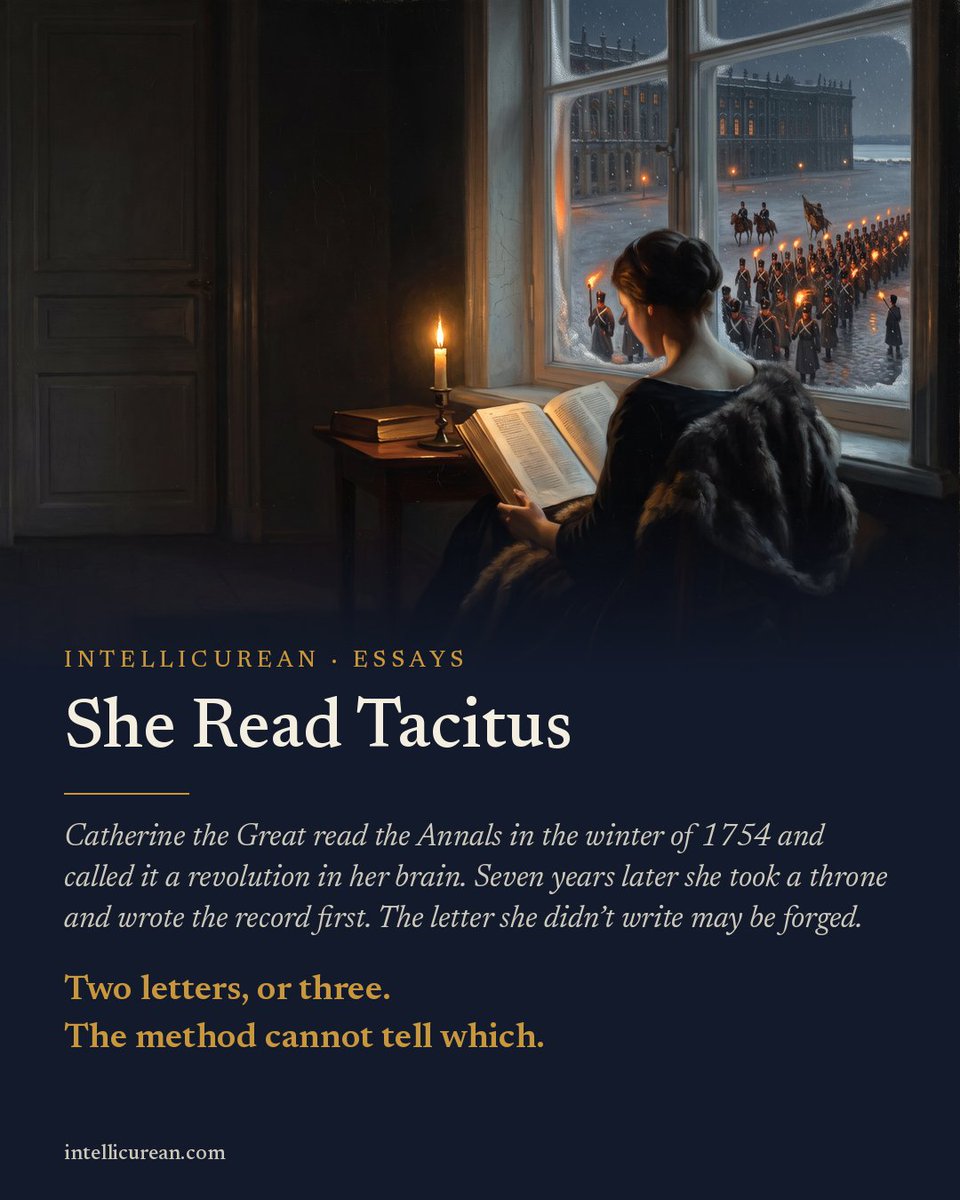
New at Intellicurean: "She Read Tacitus." Catherine, the coup of 1762, and a confession that got drunker with every printing. One guess, graded. The method cannot tell which.
https://t.co/fCaP3n00LM
Winter, 1754. A grand duchess of 25 has had her newborn son taken from her by the Empress. She has the winter and a room. She reads Baronius, then Montesquieu, then the Annals of Tacitus, which, she wrote later, "caused a singular revolution in my brain."
Then there's the letter she didn't write. A confession from Alexei Orlov at Ropsha, found in her cabinet after her death, that clears her of her husband's murder. It survives only in a copy made in a quarter of an hour. The archive's folder says: two letters. Not three.
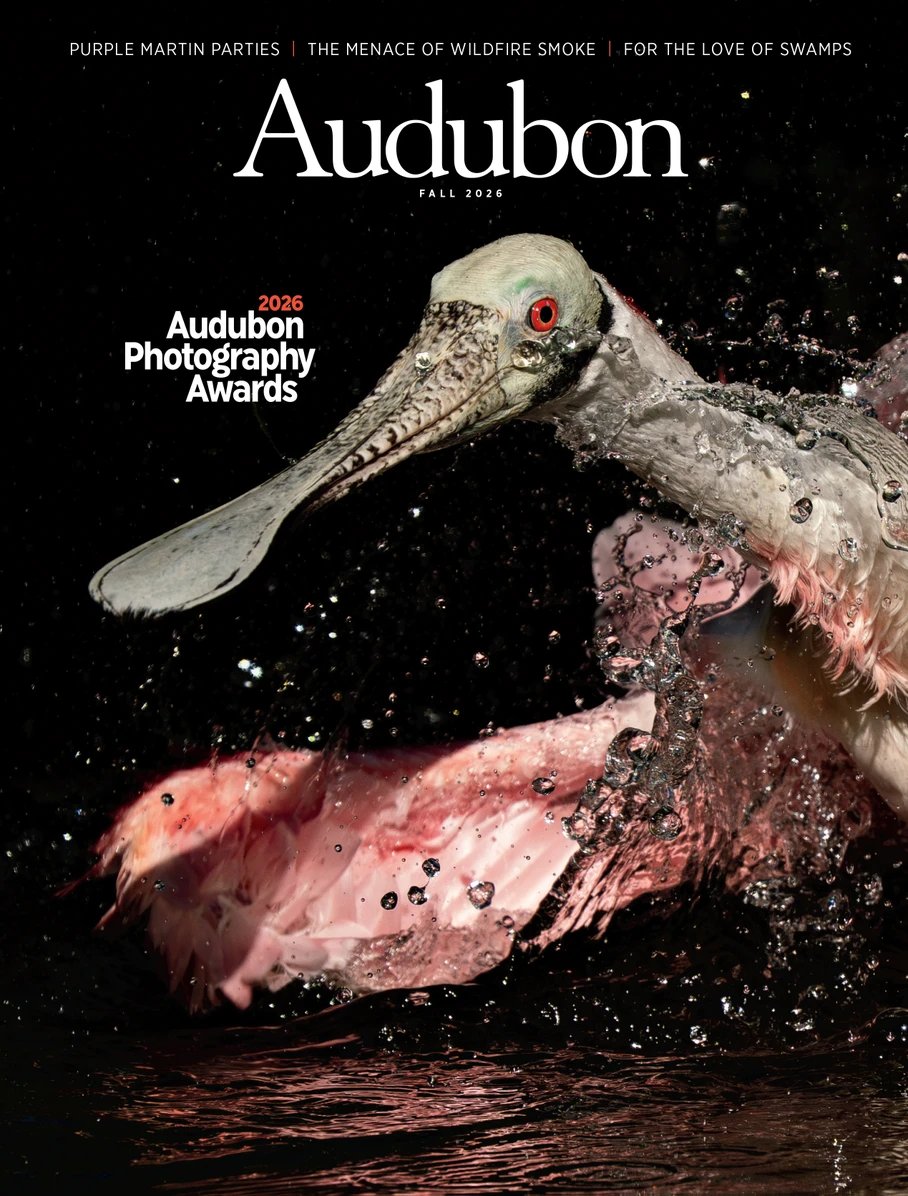
AUDUBON MAGAZINE - FALL 2026
@audubonsociety The 2026 Audubon Photography Awards: The Top 100 - The photographers’ artistry and the beauty of birdlife from Canada to Chile; Smoke from Wildfires Is a Growing Health Threat to Both People and Birds
https://t.co/Te0hAvbT44
The verdict: both sides read the same grid. The fight is over which fact is the trend and which is the residue — is flat coal the plateau before the fall, or the floor the system still stands on?
The full debate: https://t.co/EXtIP93sHI
The argument: what the West calls China's "overcapacity" is the climate's solution — Beijing's scale is decarbonizing the world. (Azhar Azam, Eurasia Review)
The answer: the electrostate still runs on old technology — coal remains its foundation. (Bloomberg Opinion) 2/3
BARRON'S MAGAZINE - SEPTEMBER 28, 2026
@barronsonline Innovation Is Driving a New Bull Market in Biotech. 16 Picks From Our Roundtable Pros; Trump Calls Xi Meeting ‘Very Productive.’ What Investors Might Not Like; The AI ‘Jobpocalypse’ Isn’t Happening.
https://t.co/85I4oODFWK
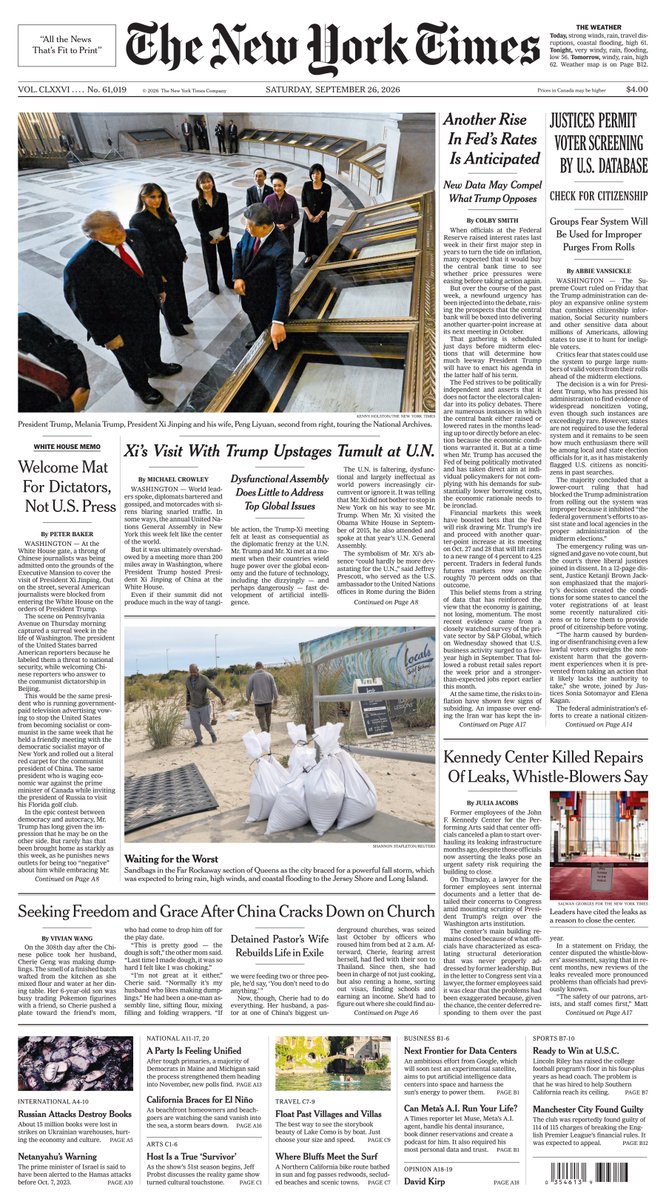
THE NEW YORK TIMES - SATURDAY, SEPTEMBER 26, 2026 - FRONT PAGE
@nytimes At Summit, Xi Sought to Tilt Trump’s Stance on America’s Place in Asia; Xi Jinping Snubs a Troubled U.N. for Trump; Heroine or Public Enemy? The Israeli Blocking Netanyahu’s Agenda
https://t.co/xCvC5Ksmbo
DOES A SHIELD MAKE PEACE?
The general who runs Golden Dome says missile defense is a commitment to peace through strength. The arms-control school says every shield breeds more spears — why the ABM Treaty existed.
One argument. Two sides. One verdict.
https://t.co/Lsi0vbPwCv
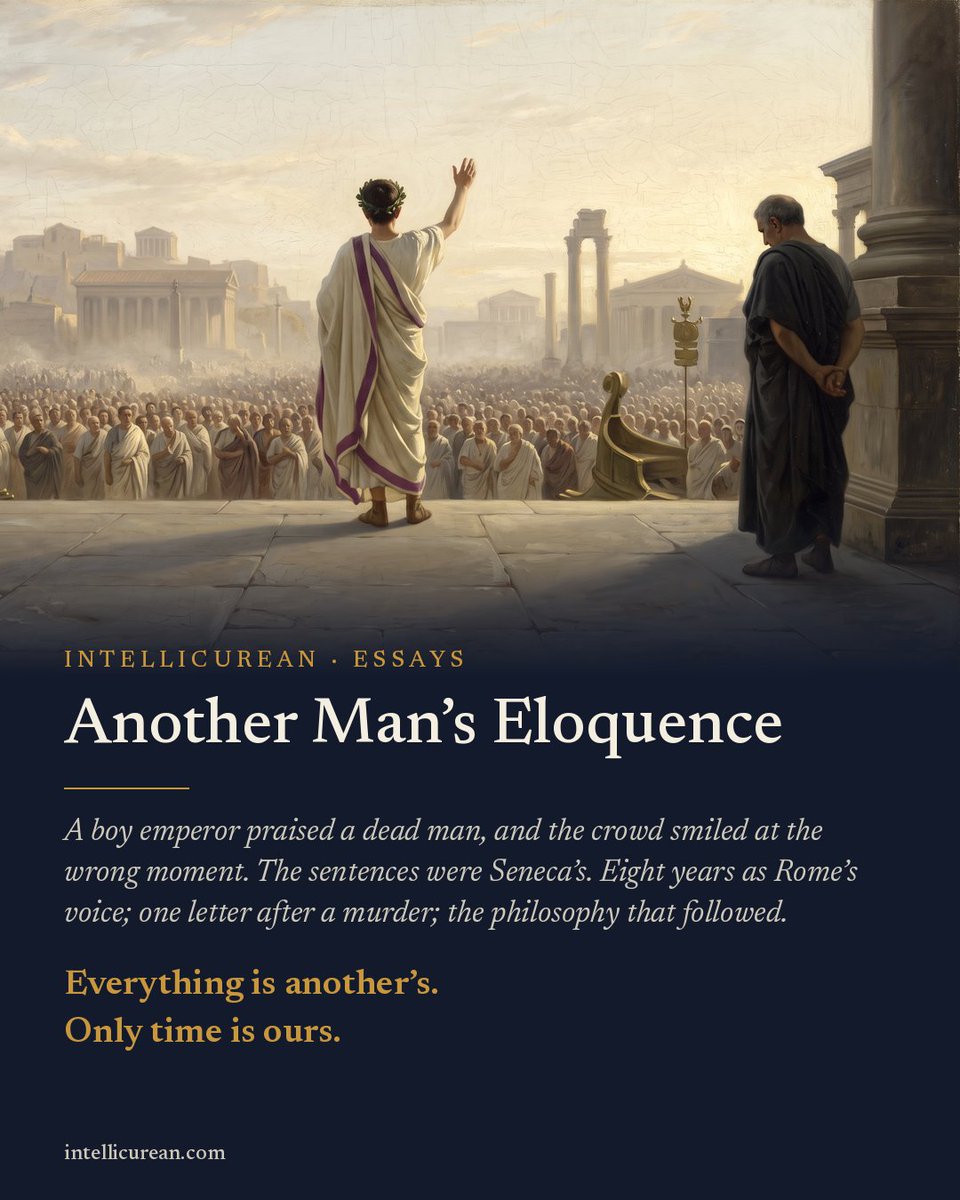
New at Intellicurean: "Another Man's Eloquence." Seneca, Nero, and the first ghostwriter the record caught. One guess about what the throne cost him, graded, with the hostile witnesses printed in full.
https://t.co/Zrnj1lu9Ck
ANOTHER MAN'S ELOQUENCE - AN INTELLICUREAN ESSAY
Rome, AD 54. A boy of sixteen praises the dead Claudius. When the speech reaches his wisdom, nobody in the Forum can keep a straight face. The old men's verdict, in Tacitus: Nero was the first ruler to need another man's eloquence.
Then, in the first year he owned his own mouth, he wrote the most famous opening in Roman philosophy: set yourself free for your own sake. And the word Tacitus used for Nero's borrowed voice turns up in the same letter: everything is another's; only time is ours.
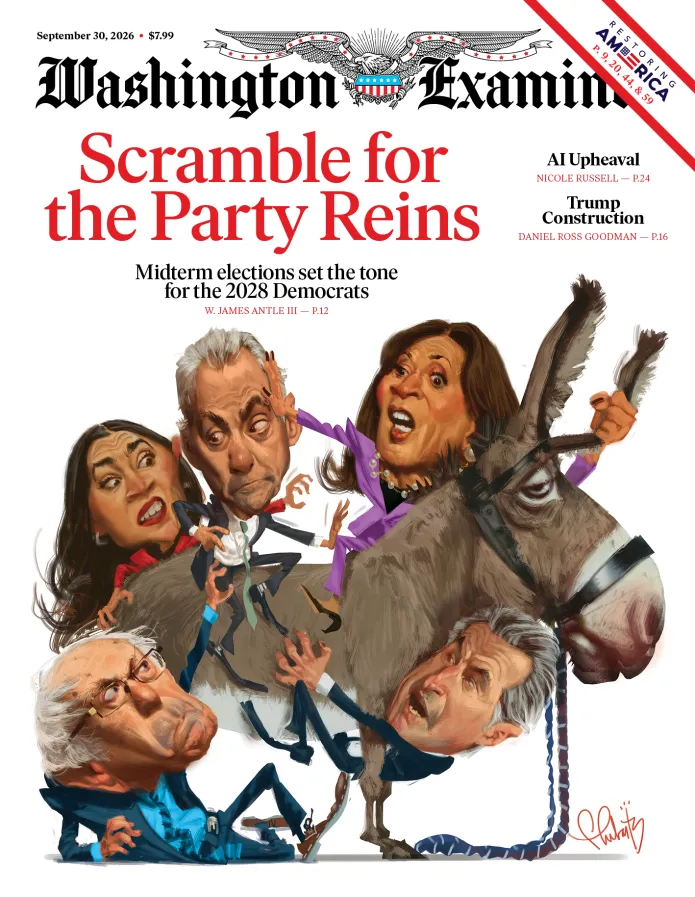
WASHINGTON EXAMINER MAGAZINE - SEPTEMBER 30, 2026
@dcexaminer Midterm elections set Democrats up for 2028 success or failure; Failing public schools need higher standards, not more money; California voter ID ballot measure could be rare GOP statewide win
https://t.co/nJvF4jgBKT
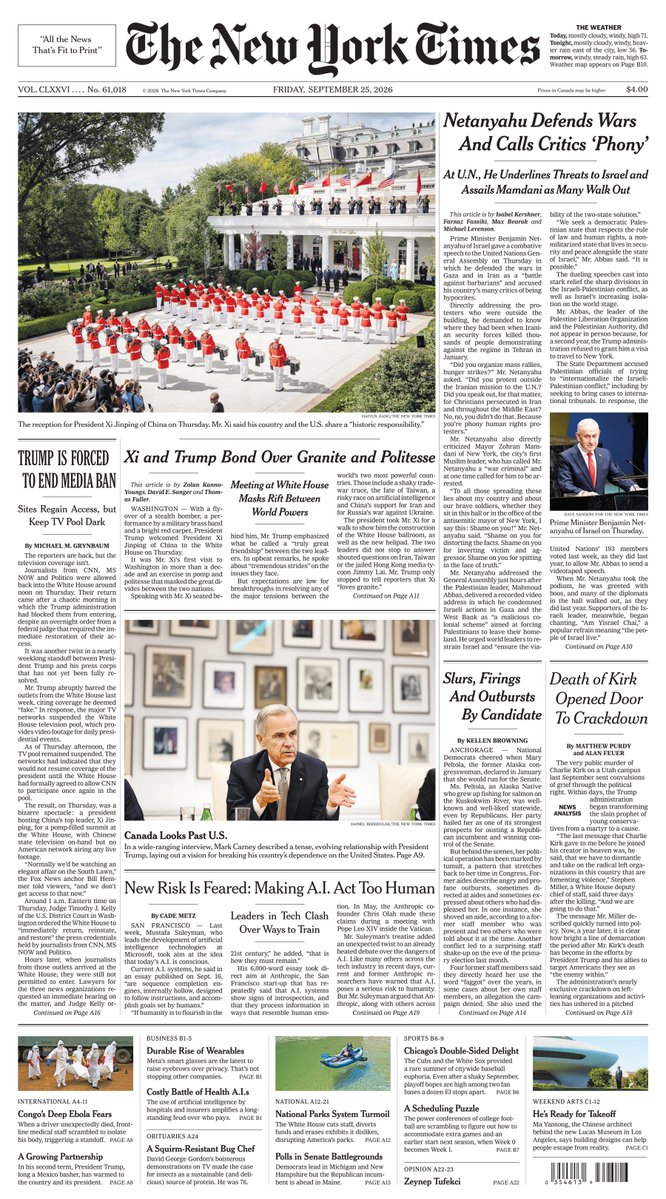
THE NEW YORK TIMES - FRIDAY, SEPTEMBER 25, 2026 - FRONT PAGE
@nytimes In Trump’s White House, China’s Strongman Is Welcome. U.S. Media Less So; Russia Intensifies Its Focus on Ukraine’s Economy; Leo XIV, Trying to Be Everyone’s Pope, Tours Secular France
https://t.co/Q60SdGJehF
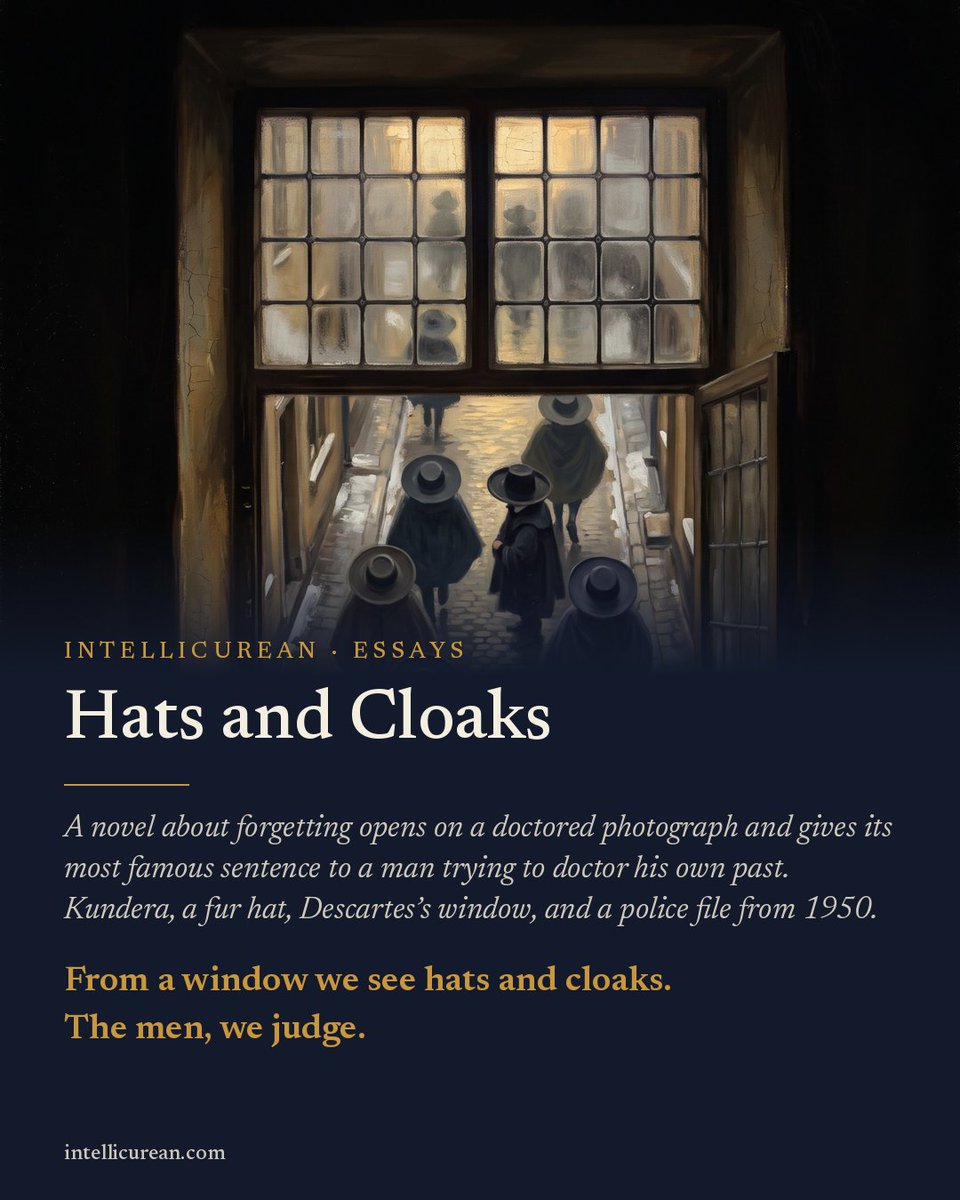
Descartes had the frame in 1641: from a window we see hats and cloaks; the men, we judge. Kundera, Nietzsche's demon, a police file from 1950, and a sister with scissors. New at Intellicurean: "Hats and Cloaks."
https://t.co/DZOCddvS9O
HATS AND CLOAKS - AN INTELLICUREAN ESSAY
Prague, February 1948. A leader speaks from a balcony; a comrade in a fur hat stands beside him. Four years later the comrade is hanged and painted out of the photograph. The hat, Kundera wrote, stayed on the leader's head.
Except it didn't. Scholars who went back to the original print say both men wore hats all along. The most famous opening in postwar Czech literature is a novelist's addition to the record, and the essay takes that as its subject rather than its scandal.