InverclydeTV’s core values do NOT coincide with the that of the new owner of Twitter. We have taken the step with the new year to remove ourselves from this platform. Please visit our Linktree as we will no longer post here. https://t.co/ZZh7Lgz0LP
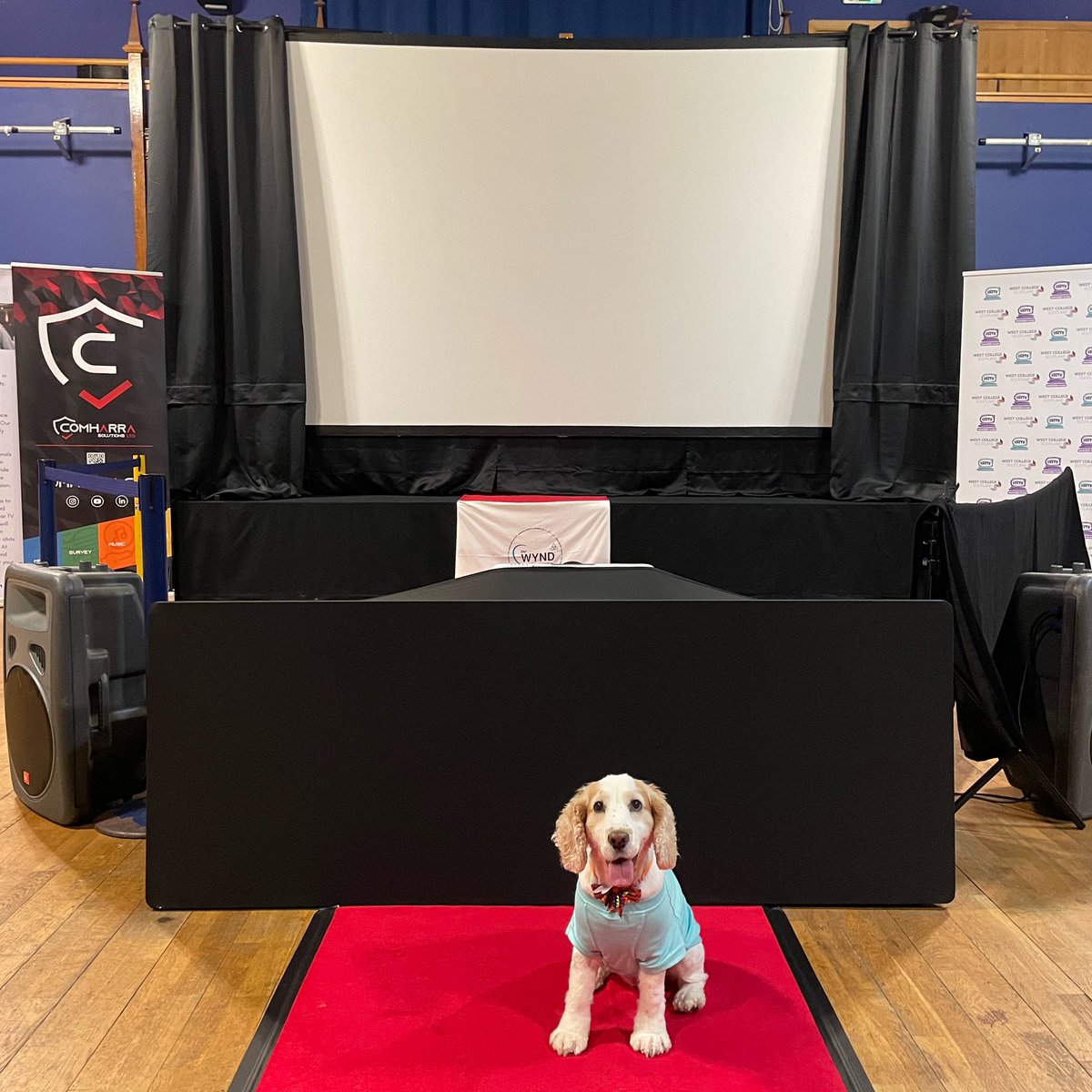
Inverclyde-TV have returned again to sponsor BEST SOUND at THE HB FILM FESTIVAL
Inverclyde TV is West College Scotland's student-led television station. Content is created by students as they learn the skills for broadcast & film production from industry lecturers
@InverclydeTV
.@TheHBFilmFest returns for 2023, showcasing films from Scotland, the UK and worldwide in the heart of Paisley between the 5th & 8th October!
https://t.co/YBPoANUJ2M
The Watt Institution is on @Sketchfab!
The world's largest platform for 3d models!
Take the opportunity to experience our collection in greater detail from anywhere in the world.
check out our profile here: https://t.co/u2b1fAhc6s
@discinverclyde@InverclydeLibs@inverclyde
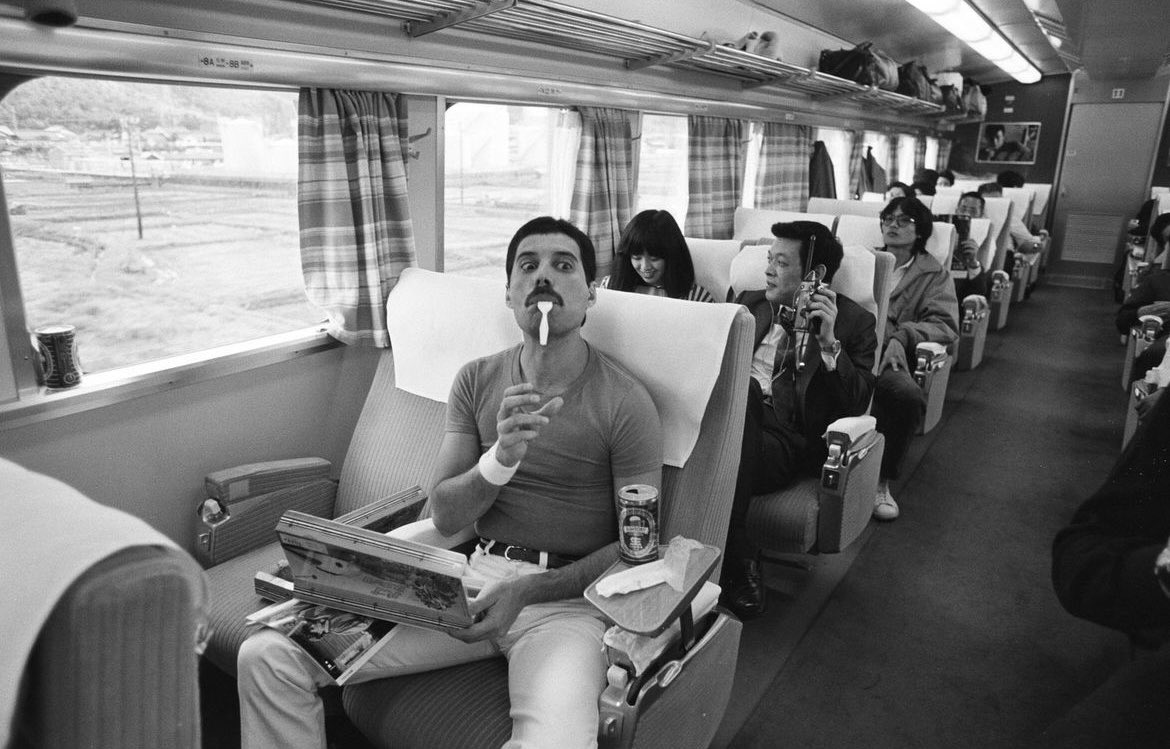
Freddie Mercury, the iconic lead vocalist of the British rock band Queen, embarked on a memorable journey during the Hot Space Japan tour on October 25, 1982. The band's visit to Nishinomiya, Japan, coincided with their travel plans on a high-speed bullet train, known as the Shinkansen, bound for Nagoya. This particular leg of the tour showcased the band's popularity and their ability to captivate audiences not only through their music but also with their extravagant stage presence.
Freddie Mercury, known for his flamboyant persona and powerful vocal range, was an integral part of Queen's success. His energetic performances and unique stage costumes contributed to the band's larger-than-life image. The image of Freddie Mercury boarding a bullet train in Nishinomiya captures a moment in time when the band was at the height of their fame and their music was resonating with fans around the world.
The Shinkansen, introduced in Japan in 1964, revolutionized train travel with its high-speed capabilities. Its efficient and punctual service made it an ideal mode of transportation for Queen as they embarked on their tour across Japan. The choice to travel on a bullet train further emphasized the band's larger-than-life image and their desire to connect with fans in different cities efficiently.
Overall, the image of Freddie Mercury on a bullet train leaving for Nagoya during the Hot Space Japan tour represents a significant moment in Queen's history, highlighting their global popularity and the grandeur of their performances.
As part of our new exhibition, 'Pride: A Queer History' created with Clyde Pride LGBT Youth Group, we are sharing the story of Oscar Wilde who visited The Watt Institution on 13th of February, 1885.
@discinverclyde@MuseumsGalScot@HeritageFundSCO
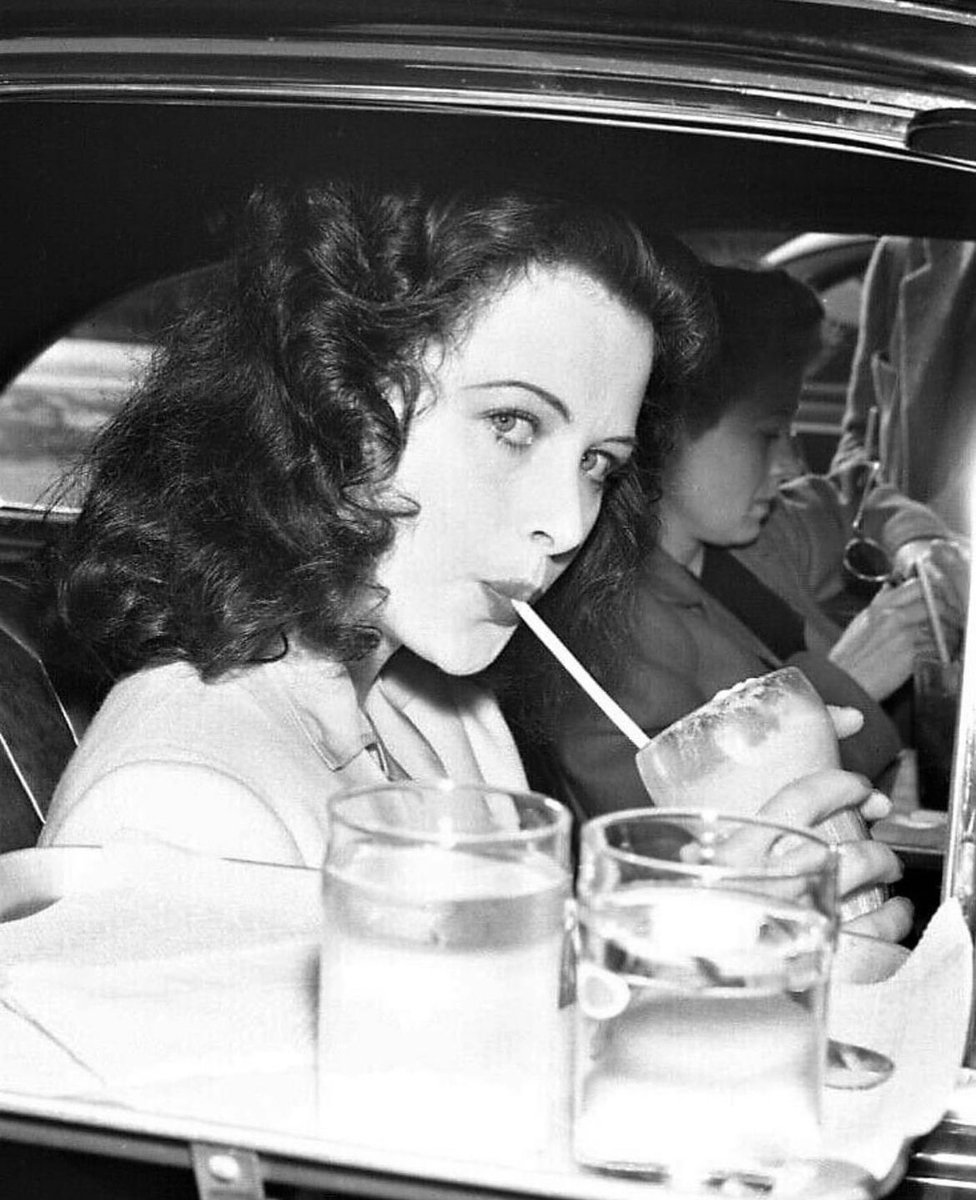
Hedy Lamarr was a Hollywood actress in the 1940s and 1950s, and she was considered "the most beautiful woman in the world" during her time. She began her acting career in Austria and became notorious for being the first woman to simulate an orgasm on screen in 1933. It was during this time that she also got married to Friedrich Mandl, a Vienna-based arms dealer with ties to Mussolini and later Hitler.
The marriage did not last long. In her own words, she wrote, "I knew very soon that I could never be an actress while I was his wife... He was the absolute monarch in his marriage... I was like a doll. I was like a thing, some object of art which had to be guarded and imprisoned, having no mind, no life of its own." According to her autobiography, she disguised herself as one of the maids and managed to flee to Paris. Others say she convinced her husband to wear all of her jewelry for a dinner party and then disappeared afterwards.
She eventually booked a liner to New York, where she met the head of MGM, who was impressed enough to offer her a $500-a-week contract to work as an actress. In 1938, she arrived in Hollywood and went on to star in several movies, working with the likes of Clark Gable and James Stewart.
Beyond her acting career, Lamarr was also a scientist and co-patented spread-spectrum technology during World War II to prevent the Nazis from jamming navy torpedoes. However, her invention was rejected and wouldn't be implemented until the Cold War in 1962. The technology would eventually be used in developing Wi-Fi and Bluetooth technology.
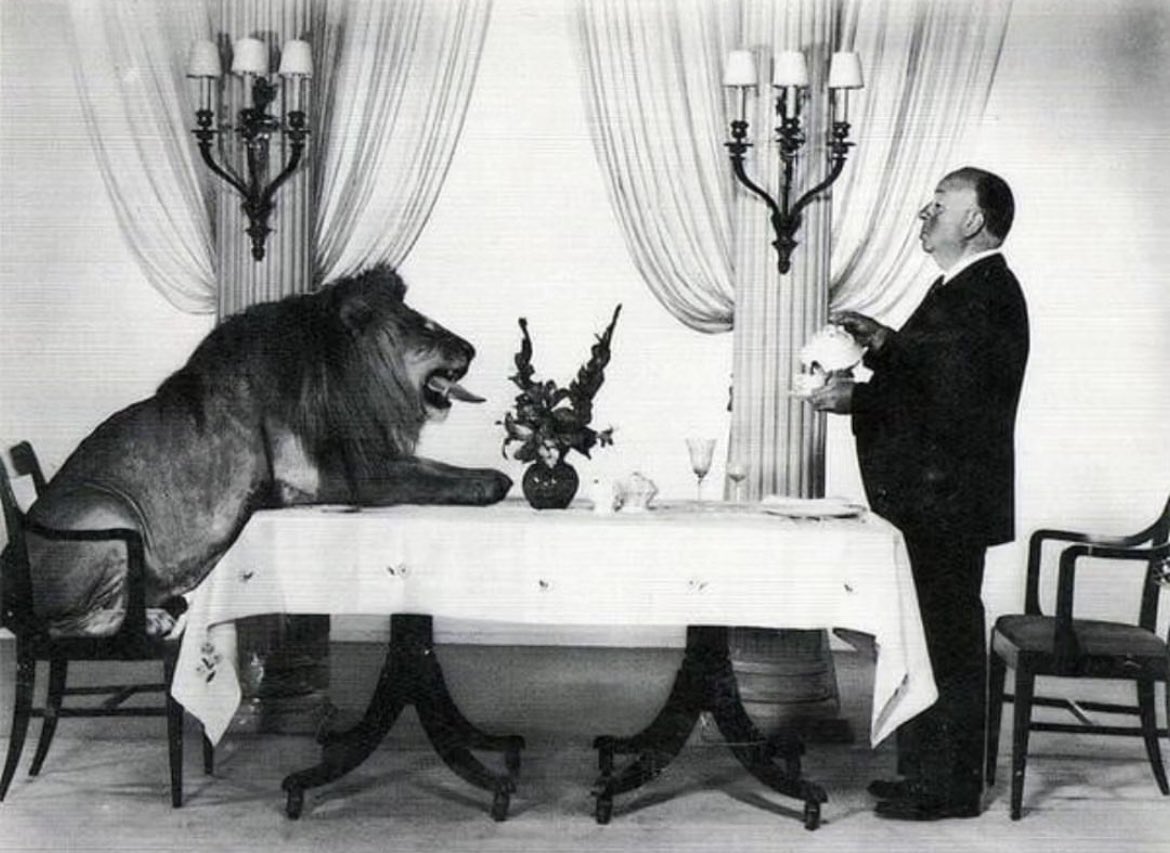
The iconic image of Alfred Hitchcock serving tea to Leo the Lion captures a unique moment in the history of Hollywood. It was taken in 1957, during a promotional event organized by MGM, one of the most prominent film studios of the time. Leo the Lion, famously known as the roaring mascot of MGM, was present as a symbol of the studio's power and influence in the movie industry.
Alfred Hitchcock, a renowned English film director and master of suspense, was invited to participate in the event, adding an element of intrigue and excitement. Known for his exceptional storytelling and mastery of visual techniques, Hitchcock had already established himself as a prominent figure in the world of cinema.
The meeting of these two legends, Hitchcock and Leo the Lion, created a delightful juxtaposition. On one side, you had Hitchcock, a creative genius known for his dark and suspenseful movies, often featuring thrilling plots and mysterious characters. On the other side, you had Leo the Lion, a majestic and powerful symbol associated with the glamour and grandeur of the MGM film studio.
The photograph captures the playful and unexpected moment when Alfred Hitchcock served tea to Leo the Lion. It showcases a lighthearted interaction between the director and the iconic mascot, bridging the gap between the world of filmmaking and the larger-than-life imagery associated with Hollywood.
This image became a fascinating symbol of the entertainment industry, representing the convergence of talent, creativity, and larger-than-life personalities. It serves as a reminder of the enchantment and magic that can be found both behind the scenes and on the silver screen.
We are delighted to announce our newest exhibition, ‘Pride: A Queer History’ which has been curated in partnership with, Clyde Pride LGBT youth group, to uncover the hidden queer histories of the The Watt Institution.
At Apple, we believe technology should be designed to help everyone do what they love. We’re excited to preview new accessibility features to help even more people follow their dreams.
https://t.co/9Xz46Fc4Ih
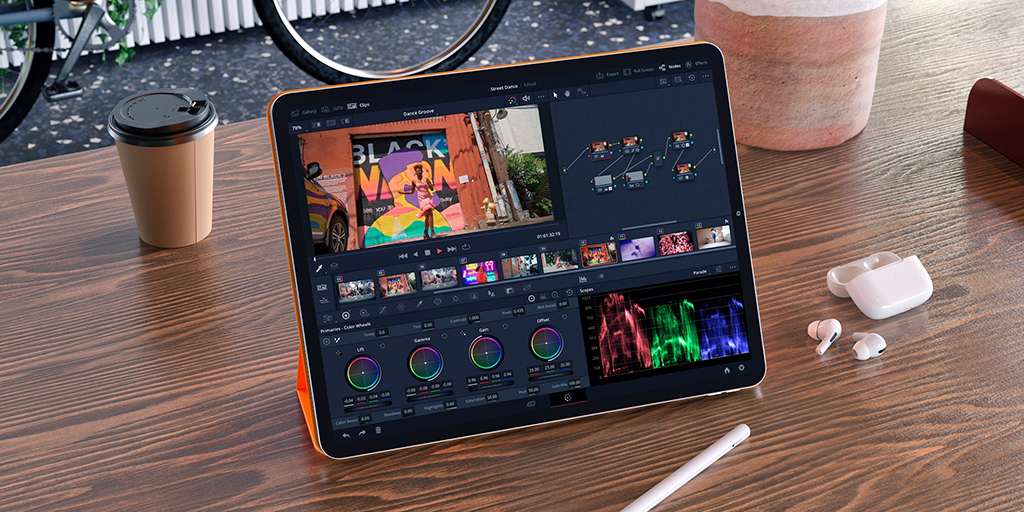
DaVinci Resolve for iPad now available! Get the same color correction and editing tools used on Hollywood films on iPad, plus Blackmagic Cloud multi user collaboration, AI based magic mask, voice isolation, dialogue leveler and more! Download now from https://t.co/jIlh5hm5C7
This year's Men's Football World Cup is in Qatar – a country where LGBTQ+ people are criminalised and persecuted simply for being themselves.
I've just joined @stonewalluk's #ProudStadium to stand with the LGBTQ+ community in Qatar. Show your support: https://t.co/P61VvPyZKJ
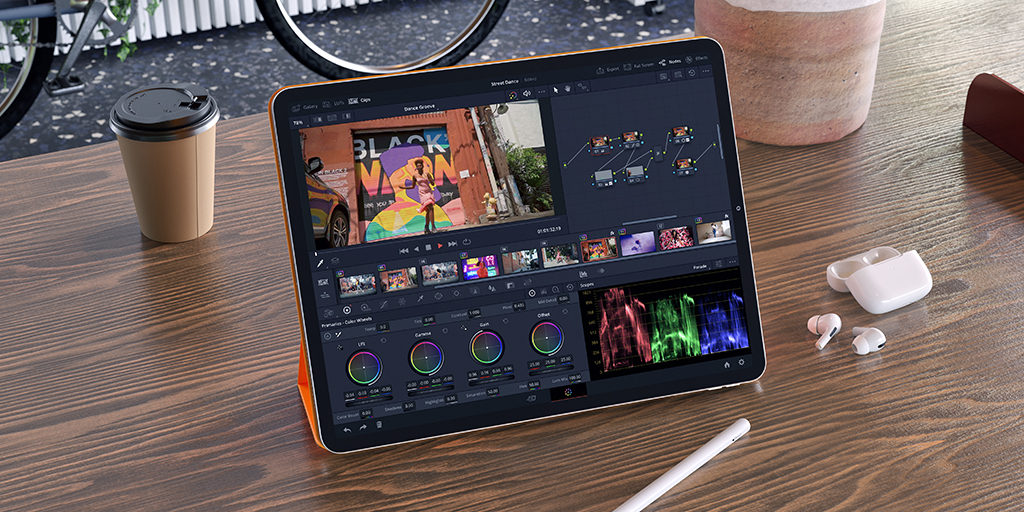
Introducing DaVinci Resolve for iPad! Get professional Hollywood quality editing and color correction tools, as well as Blackmagic Cloud multi user collaboration, Dropbox media syncing, Blackmagic RAW, H.264, H.265 and ProRes, and more! Available in Q4.