IoTやSBCやLinuxの情報を収集してツイートします!中の人はarmbianとYoctoを仕事で使ってます。 Tweet about SBC and linux and IoT.Personaly using armbian and Yocto Linux in my job. Not a bot.
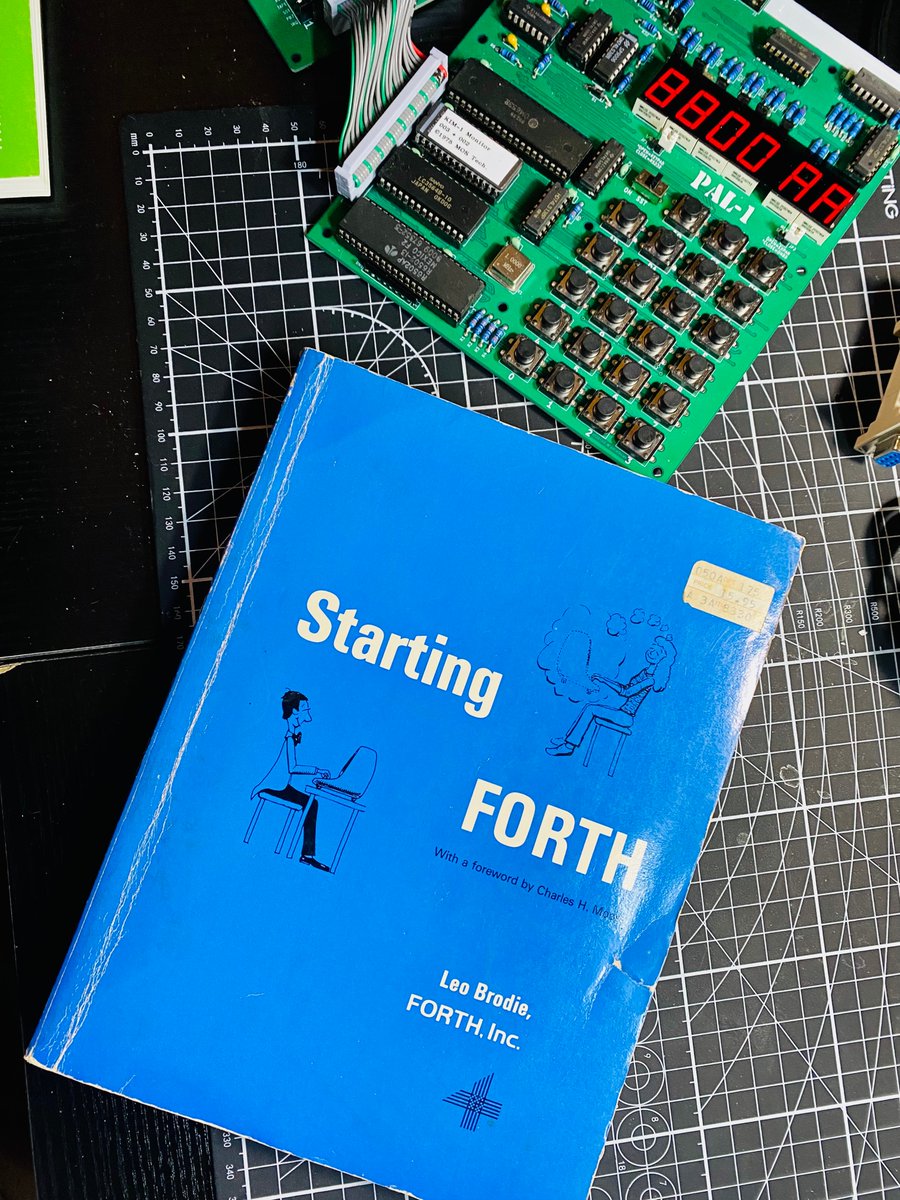
Okay, FORTH language people, what problem areas is FORTH particularly well suited for? I'm past the super beginner stages and ready to apply it to a problem area to see how I feel about it.
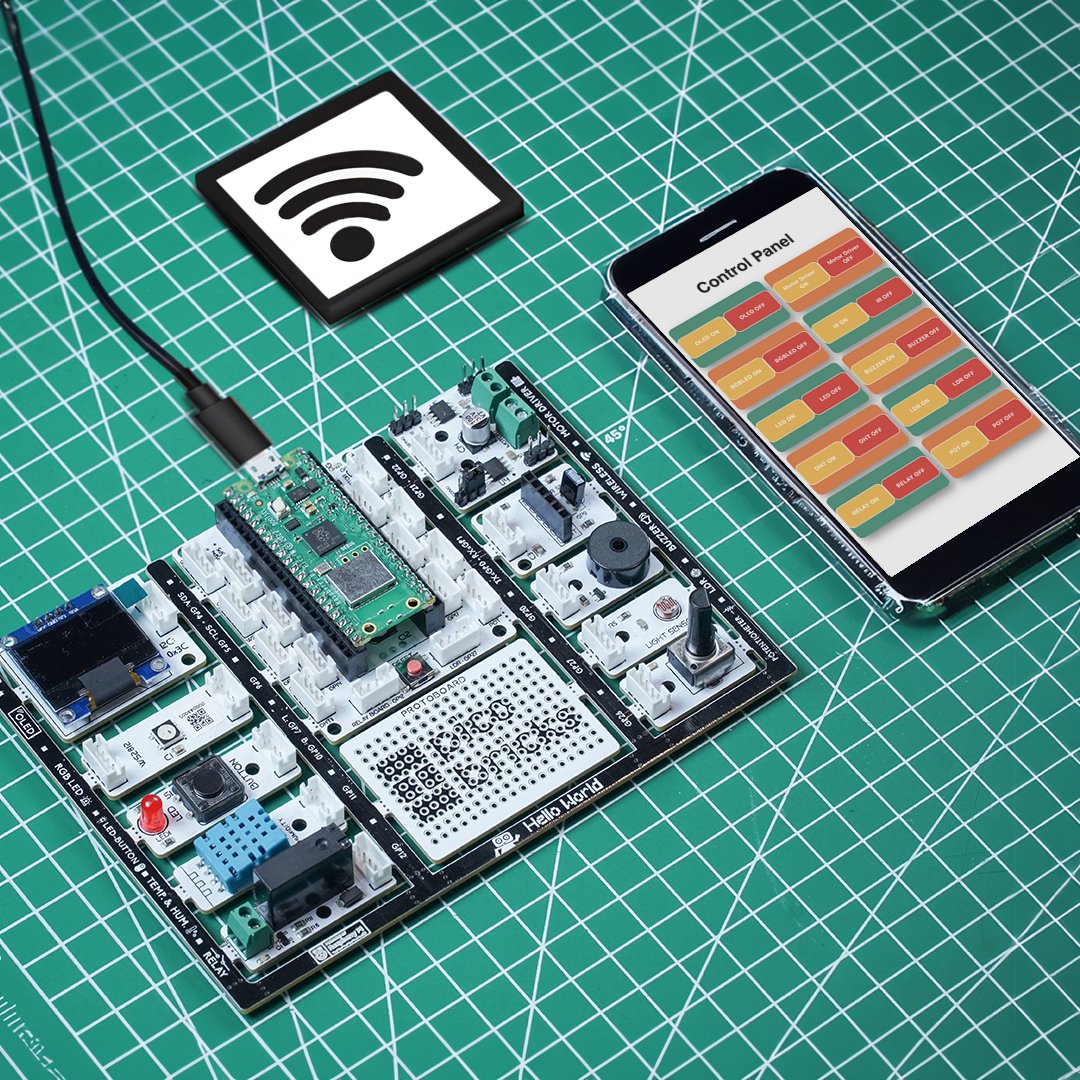
Raspberry Pi Pico W has a built-in WIFI module that allows you to make creative IoT projects with your PicoBricks. You can also remotely manage PicoBricks' modules with your cell phone!
Visit our community page for the project: https://t.co/JYgKeCGjAV
🚢 NEW PRODUCT ALERT 🌈
Get ahead in navigation! 🧭 Add five directional buttons, a rotary encoder and ✨rainbows✨ to your @Raspberry_Pi and @Raspberry_Pi Pico projects with our fully assembled RGB Encoder Wheel breakout.
https://t.co/3LpzBaBrPY
Every week we’ll 3D print designs from the community and showcase slicer settings, use cases and of course, Time-lapses! This week: 3D Benchy Storage By TOMA3D https://t.co/6Dokub3VdC #3dprinting#adafruit https://t.co/jzZvtt2qwV
EYE SPI with my little eyes, a new accessory for our QT Py
We have done 300 revisions https://t.co/z4H3uoAGs6 including just-about-all of our OLED, E-Ink and TFT displays to add EYE SPI connectors https://t.co/6v3ElUA7zp to make it very fast and easy to wire up displays, touchscreens and microSD cards without a ton of breadboarding. yay! but now we have to make the controller side easy as well. First up, this EYE SPI accessory for the QT Py uses a slim FPC connector https://t.co/CSrEQQGk5i and makes plug-n-play connectivity to our 2.8" capacitive touch screen child's-play https://t.co/YRcOwdwKhQ works a treat - we'll be getting this into the adafruit shop faster than you can blink.
Programming the I2C to ANO navigation switch and encoder breakout
🔌💡📲🔍👍🤖🎛️🔧🚀👌🤩💻📚💼🛠️🎉
The ANO encoder and navigation switch https://t.co/VV7ZU936Vb is an adorable 'iPod-classicy' UI element but it has soooo many pins for the encoder and 5 switches. so we slapped a seesaw https://t.co/EwF5sF1MrE chip on the back here and put on some Stemma QT ports. now you can use I2C to read the whole thing, super easy. our Metro M0 does the UPDI programming https://t.co/gfzagZUXAa and then connects over I2C to verify the address selection and functionality is all as expected. with 4 address pads you can have up to 16 on one bus! well, more actually because you can use the EEPROM to set any address. anyway, we'll get this into the shop soon :)