Researchers used the IonOptix MyoStretcher and MultiCell to show that inhibiting RBM20 reduces titin stiffness and improves diastolic function. Inducing compliant titin isoforms offers a novel therapeutic strategy for HFpEF. 🫀
Full study: https://t.co/Dz7D1v1gyV
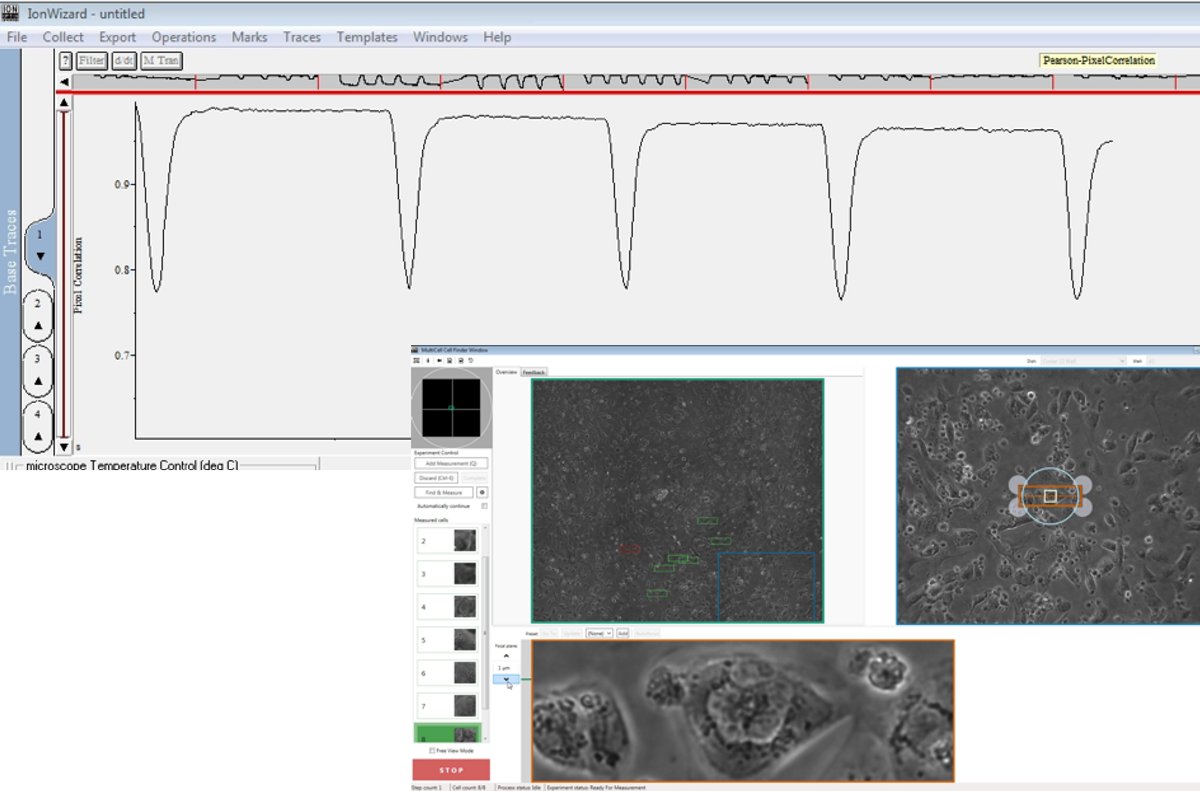
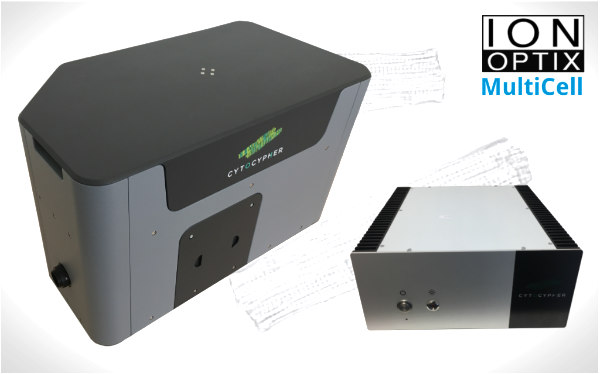
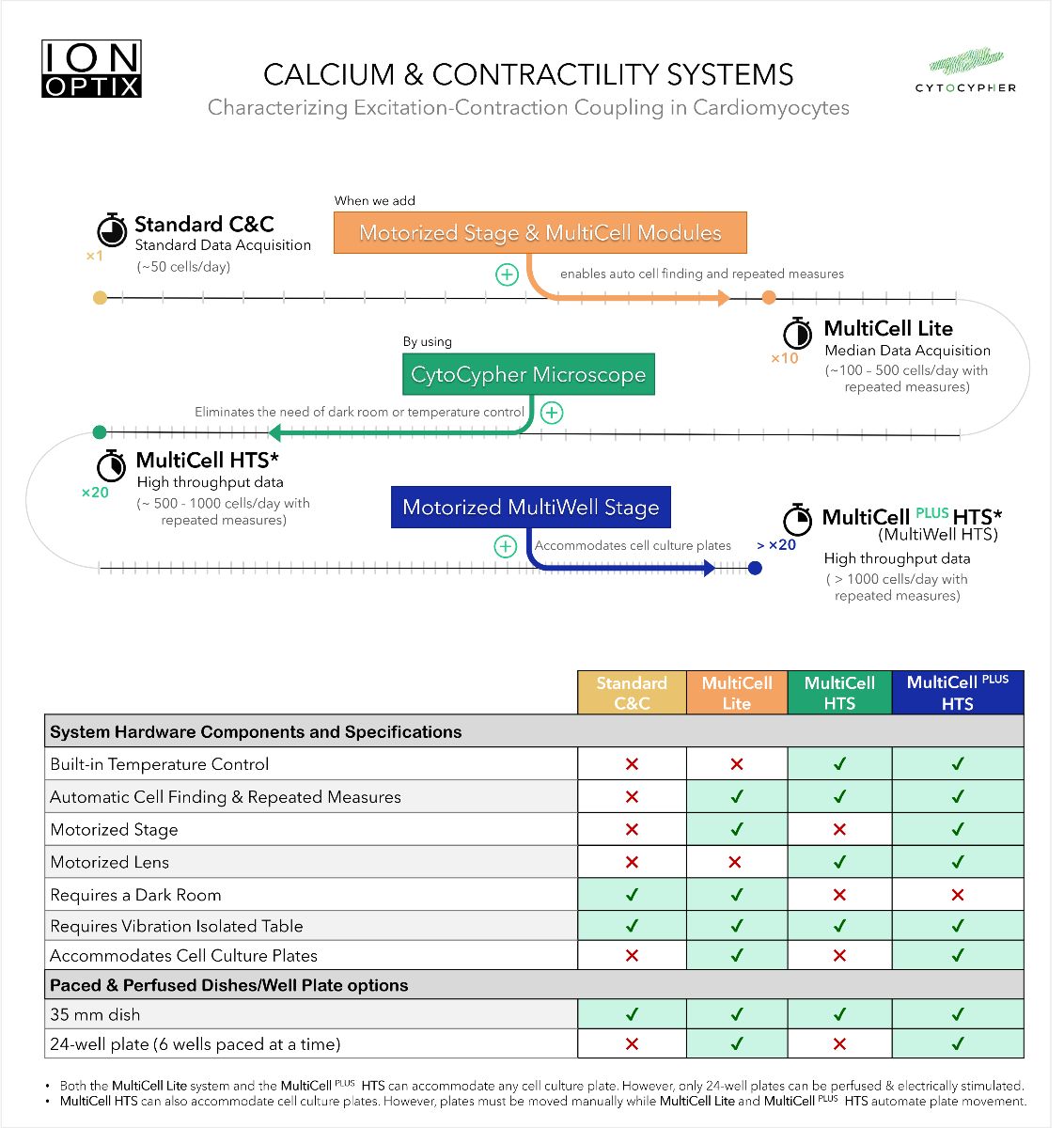
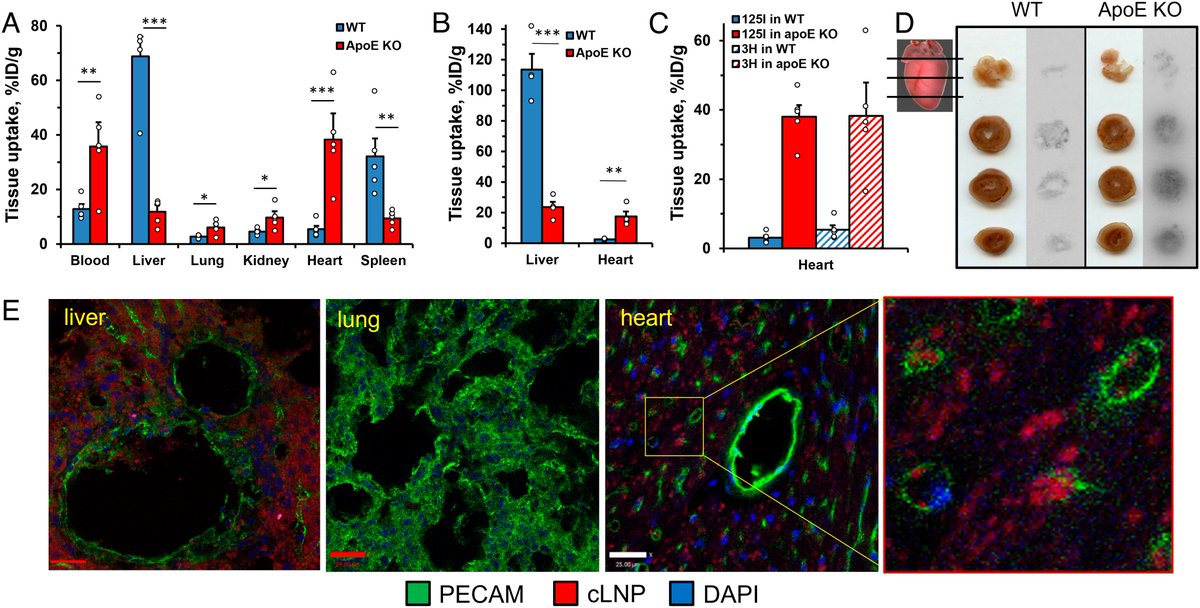
Researchers used our MultiCell System to evaluate cardiac contractility after cLNP-mediated RNA delivery. This study highlights a novel systemic approach to target the heart while bypassing liver uptake, validated by high-content functional data. https://t.co/UxWPuu9zor
Researchers used the IonOptix C-Pace to compare myokine secretion in murine C2C12 and human skeletal muscle cells during simulated exercise. High-resolution analysis revealed distinct differences in contraction-regulated secretomes. 🧬 https://t.co/oGofXa0RhZ
Work Loop Power Analysis lets you quantify mechanical work in myocardial slices. Using IonWizard, force‑length loops reveal key parameters of heart function, linking measurements to physiological and pathological conditions. Learn more: https://t.co/UPHr22l0Sz
A recent study links N-terminal acetylation dysregulation to cardiac arrhythmia and cardiomyopathy. Using patient-derived iPSC-CMs and the IonOptix Calcium & Contractility System, researchers uncovered how NatA mutations disrupt cardiac function. https://t.co/Je4DtoLLbG
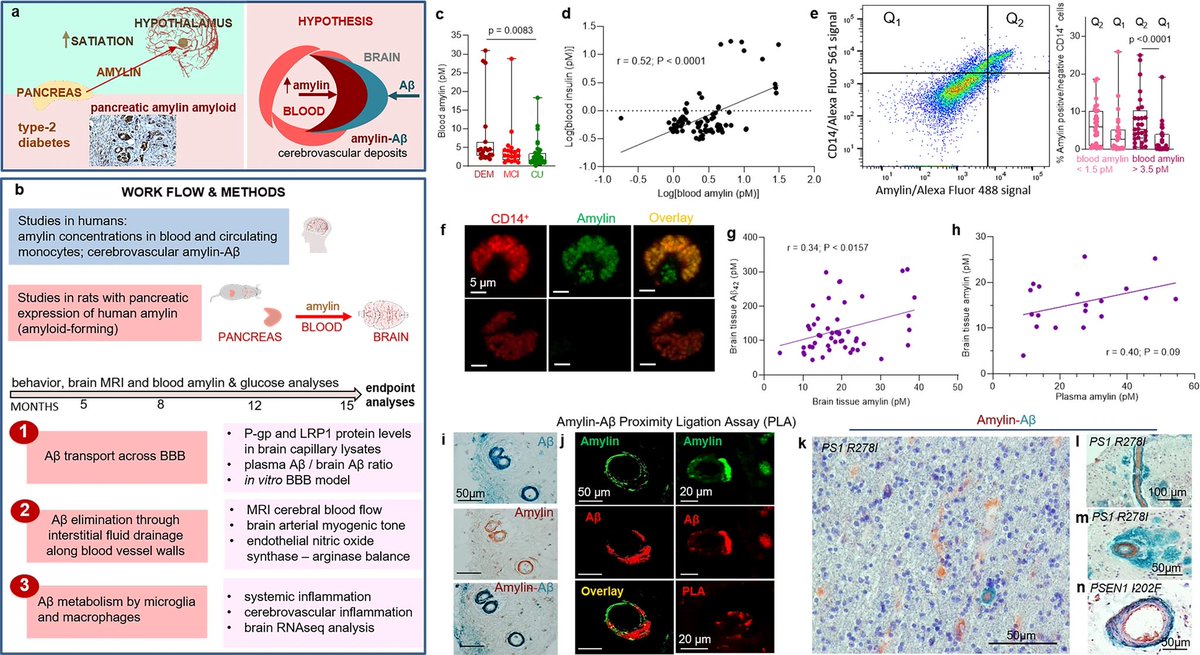
Bloodborne pancreatic amylin may impair cerebral Aβ clearance, contributing to Alzheimer's pathology. Using the IonOptix Vessel Diameter System, researchers showed how amylin affects vascular tone and Aβ pathways. https://t.co/c9sa6zeiYC
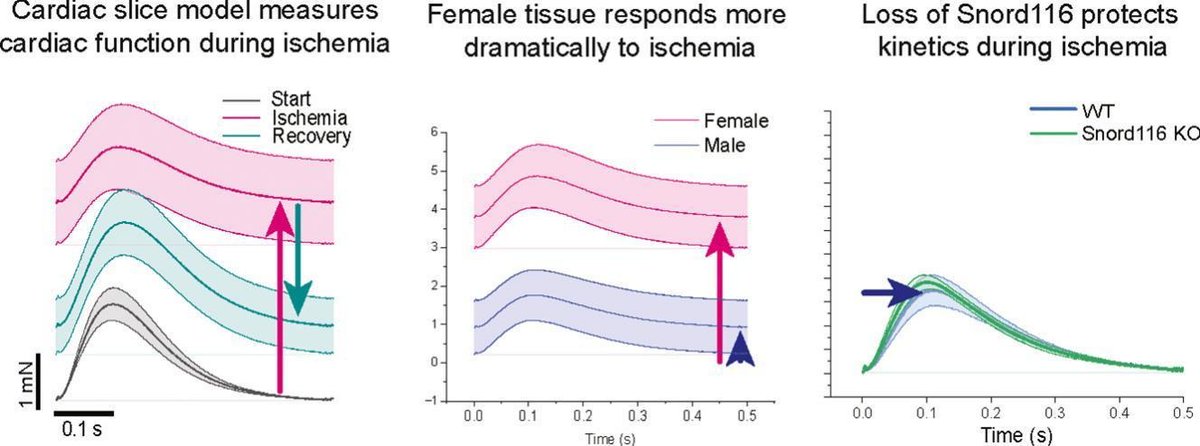
Loss of Snord116 improves cardiomyocyte performance during ischemic stress. Using living myocardial slices and the IonOptix Cardiac Slice System, researchers showed improved contractility and kinetics during ischemia–reperfusion injury. https://t.co/SalspKsiYN
A Nature study shows iPSC-CM maturation can be significantly improved by combining metabolic media, nanopatterning, and electrostimulation. Using the IonOptix C-Pace, researchers achieved more adult-like structure, function, and drug response. https://t.co/4w9P3zjacO
Stretch-mediated β₂-adrenergic signaling in cardiomyocytes depends on caveolae. Using the IonOptix CytoCypher MultiCell, researchers showed stretch increases contractility and cAMP via β₂AR—not β₁AR—and is lost when caveolae are disrupted. https://t.co/xZiDoHJdzA
Mechanical loading reveals hidden cardiomyocyte stiffness in cardiometabolic disease. Using IonOptix MyoStretcher and Calcium & Contractility systems, researchers found HFSD-fed mice had stiffer cells and slower Ca²⁺ decay—signs of diastolic dysfunction. https://t.co/63siEAtxtL
A recent study reveals how a titin mutation alters thick filament length, driving dilated cardiomyopathy. Using the IonOptix MyoStretcher and CytoCypher MultiCell Systems, researchers measured changes in force, sarcomere length, and calcium handling. https://t.co/K9kUWzZcCT
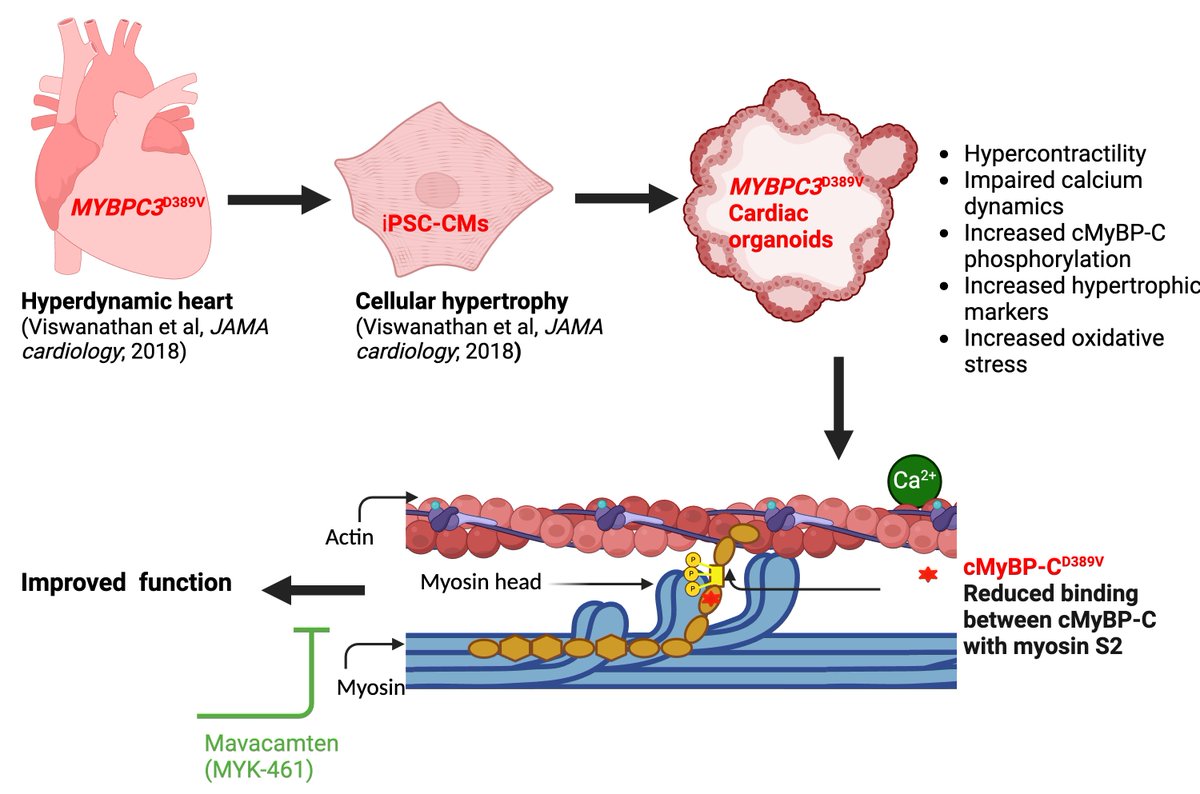
Researchers modeled hypertrophic cardiomyopathy using human cardiac organoids derived from hiPSC-CMs carrying the MYBPC3 D389V variant. Using the IonOptix CytoCypher MultiCell System, they measured faster contractility and calcium kinetics. https://t.co/H9LoqiMBJ0
In this Cardiovascular Research study, researchers used IonOptix’s MyoStretcher and MultiCell systems to assess stiffness and calcium handling in cardiomyocytes. Targeting titin isoforms via Rbm20-ASO reduced stiffness and improved diastolic function. https://t.co/2nVfuEiiCX
Researchers used IonOptix cardiomyocyte systems to study GPR41 function. Butyrate reduced cell shortening and Ca²⁺ transients in WT but not GPR41−/− mice, implicating GPR41 in modulating inotropy via cAMP signaling and SERCA2a activity.
Read more: https://t.co/gDBkqDaW6o
Researchers used IonOptix cardiomyocyte systems to study GPR41 function. Butyrate reduced cell shortening and Ca²⁺ transients in WT but not GPR41−/− mice, implicating GPR41 in modulating inotropy via cAMP signaling and SERCA2a activity.
Read more: https://t.co/gDBkqDbtVW
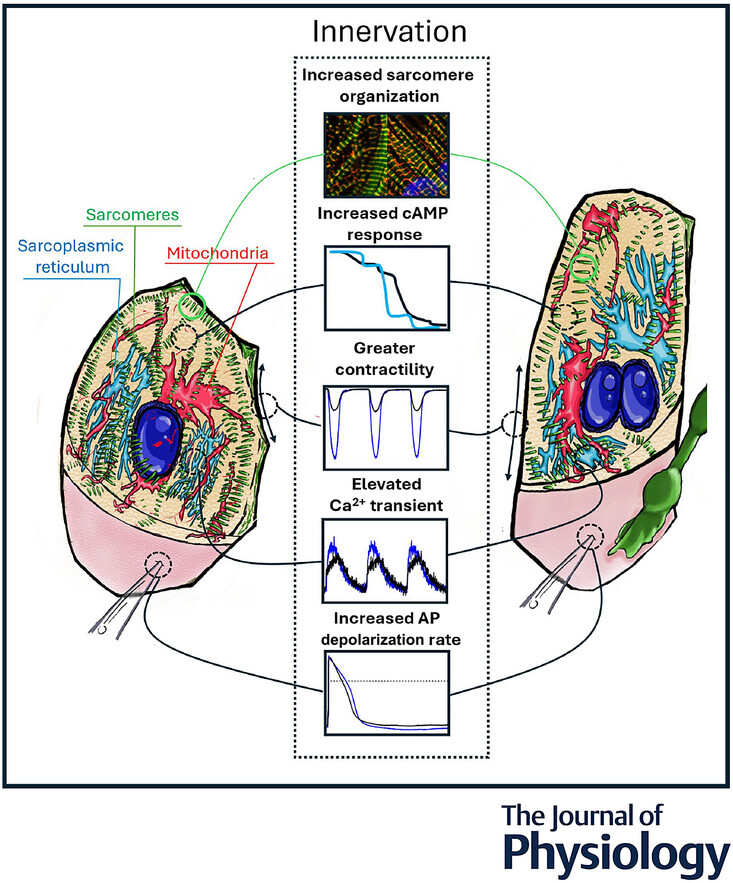
Researchers used the IonOptix CytoCypher MultiCell to compare calcium handling and contractility in hiPSC-cardiomyocytes with or without sympathetic neurons. Coculture enhanced inotropy, chronotropy, and structure—supporting improved maturation. https://t.co/atLW53rPe7
Researchers feature IonOptix systems while highlighting the value of intact cardiomyocytes and tissue slices in HFpEF research. Preserving native environments yields more physiologically relevant insights than skinned preps.
Read more: https://t.co/L9DIHuZYDF
Using the IonOptix MyoStretcher, researchers revealed that diastolic dysfunction in a novel ovary-intact HFpEF mouse model stems from increased stiffness in ventricular myocytes—highlighting a link between menopause and HFpEF.
Read more: https://t.co/E6eiT9CYTm
Researchers use IonOptix cardiomyocyte systems to characterize the role of G-protein-coupled receptor 41 (GPR41) in cardiomyocytes. This study shows that butyrate, a GPR41 agonist, reduces cell shortening & Ca²⁺ transients in WT but not GPR41−/− mice. https://t.co/GBvSJK8dMk
Researchers use the IonOptix CytoCypher MultiCell System to show that the MYBPC3 D389V variant induces hypercontractility in cardiac organoids, modeling HCM pathogenesis. Findings suggest mavacamten reverses these effects.
Read more: https://t.co/y0aYxHcJmz