Sustainable Success Is Built on Competence, Integrity, Discipline and hardworking.
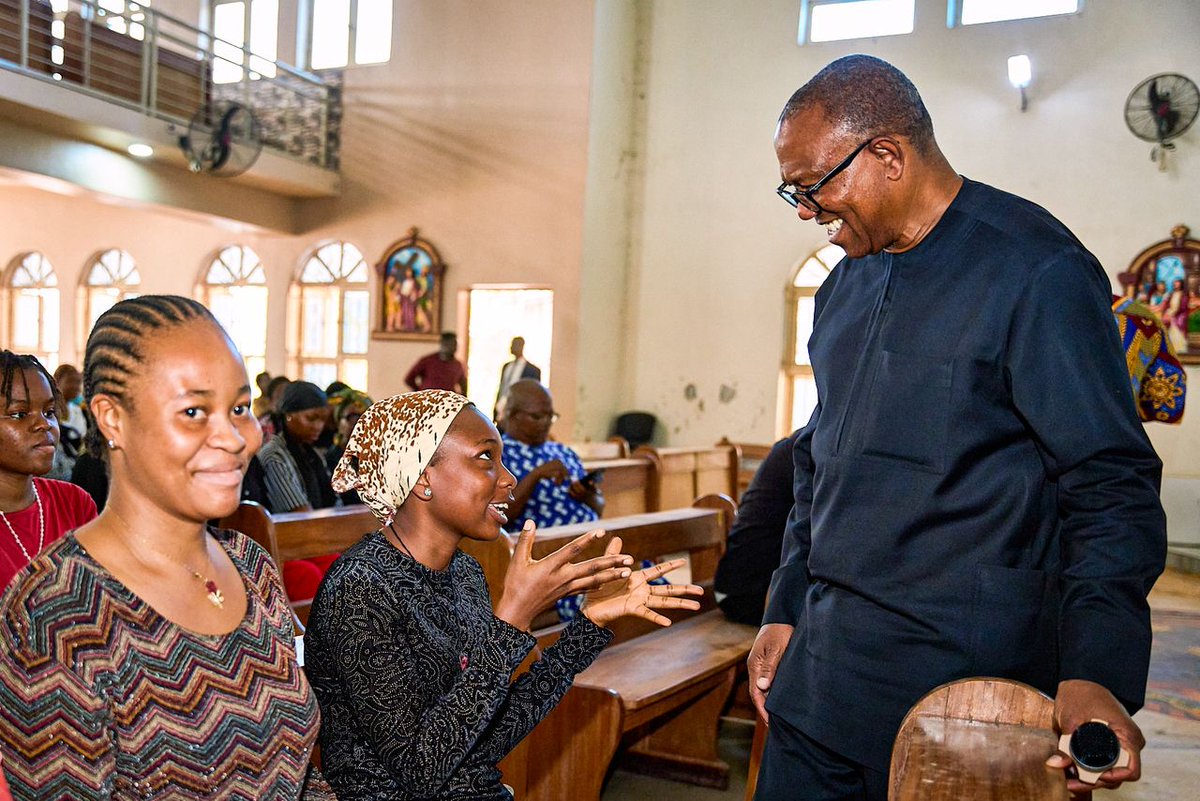
On Saturday, I had the privilege of interacting with young entrepreneurs, professionals, business leaders, and members of the emerging generation at the This Generation Conference hosted by Summit Bible Church in Abuja.
Our discussion focused on what it takes to thrive in the marketplace despite prevailing economic challenges. I shared insights from my years in business and public service, emphasizing that sustainable success is built on integrity, competence, discipline, and a commitment to creating value for society.
I reminded participants that no nation develops by consumption alone. Nations progress when their citizens are productive, innovative, and committed to excellence. Our young people must resist the temptation of shortcuts and instead embrace education, skills acquisition, entrepreneurship, and ethical leadership.
The future of Nigeria depends largely on the quality of leadership and enterprise this generation is willing to build. We must move from a culture of sharing poverty to one of creating prosperity through production, innovation, and responsible governance.
I left encouraged by the energy, intelligence, and determination of the young people I met. Their questions, ideas, and aspirations reaffirmed my belief that Nigeria’s greatest resource remains her people.
Together, through hard work, integrity, and purposeful leadership, we can build the New Nigeria that is POssible. -PO
Owning Up to Leadership Failures and Political Responsibility
This morning, I listened to the British Prime Minister’s speech announcing his planned resignation in July. As a keen observer of global politics, my primary interest lies in examining what successful nations do right and the structural factors that cause others to lag or struggle with governance and development.
The Prime Minister’s planned resignation comes amid mounting public frustration over a stagnant economy, a worsening cost-of-living crisis, and a perceived failure to honour key campaign pledges.
Looking inward in our dear country, we can recall our own situation. Before 2015, our President on several occasions championed the call for the then President Goodluck Jonathan to resign over economic hardship and insecurity affecting Nigerians. During the Chibok school kidnapping incident, he demanded the immediate resignation of President Jonathan, arguing that the government had failed in its most fundamental duty of protecting lives.
During the 2023 election campaign, President Bola Ahmed Tinubu made several promises, including improved electricity supply. He also challenged the electorate not to vote for him for a second term if he failed to deliver on those commitments—particularly in providing stable power, fighting corruption, and improving the welfare of Nigerians.
At present, however, these conditions have worsened. Electricity supply remains unreliable, insecurity has intensified in many areas, including kidnappings, and economic hardship has deepened rather than eased. Similar concerns are reflected across other critical sectors such as security, infrastructure, transportation, and anti-corruption efforts, all of which have regressed. We are in the worst possible condition.
I, therefore, join Nigerians of goodwill in calling for the resignation of the President over monumental failure in governance. Such a gesture would help enthrone a political culture rooted in accountability and responsibility, rather than further entrenching impunity. It would also send a powerful message that public office is a sacred trust, not an entitlement, and help build a society in which future leaders understand that failure carries consequences. Only by ending the culture of impunity can we secure a better future for the society our children will inherit in a New Nigeria that is possible. -PO
SOWORE BEING SENT TO PRISON: A DANGEROUS REGRESSION FOR OUR DEMOCRACY
I have received, with deep concern, the news of the court’s remand of citizen activist Omoyele Sowore in Kuje Prison.
While the judiciary remains the ultimate arbiter of justice, we must consistently guard against any trend that gives the appearance of state institutions being weaponised to systematically stifle dissent, muzzle the press, or shrink the legitimate space for civic engagement in Nigeria.
A thriving democracy does not survive on the silencing of opposing voices; rather, it is anchored on the robust protection of fundamental human rights, most notably the freedoms of expression and peaceful assembly, as enshrined in our Constitution. Moreover, our society is already strained by insecurity and biting economic hardship; therefore, deliberate steps should be taken, even by the courts, to avoid inflaming the situation.
When we begin to treat citizen critics, activists, and journalists as threats to state survival rather than as partners in building accountability, we signal a dangerous slide toward authoritarianism. Our current challenges, ranging from economic strain to internal security vulnerabilities, require inclusive dialogue and cohesive nation-building, not the incarceration of those who demand a better society.
I urge the relevant authorities to ensure that the rule of law is strictly adhered to, that Mr. Sowore’s constitutional rights are fully protected, and that our security and judicial institutions are used solely for the impartial administration of justice. We cannot build a New Nigeria if we continue to undermine the very democratic structures meant to protect us all. -PO
Nigeria’s Worrisome Terrorism status
The latest Global Terrorism Index report ranks Nigeria among the most terrorized nations in the world, showing one of the highest increases in deaths from terrorism. This is a painful indictment of failed leadership.
While many countries are seeing a decline in terrorism, Nigeria is moving in the opposite direction. This trend is a direct result of misplaced priorities, weak governance, corruption, a lack of rule of law, and the persistent neglect of security, which is the government's most fundamental duty.
From the insurgency of Boko Haram to the growing threat posed by the Islamic State West Africa Province, the crisis of kidnapping, and unchecked violence in our rural communities by heavily armed bandits, Nigerians are dying daily while those in power continue to feast.
What is the purpose of government if it cannot protect lives? Why are we normalizing tragedy while other nations make progress?
This is not the Nigeria we should accept. We cannot continue down this path. It is time to move from excuses to action, and from failure to measurable progress.
A safe and secure Nigeria is not too much to ask; it is the right of every citizen, and it must be delivered.
A New Nigeria is POssible. -PO
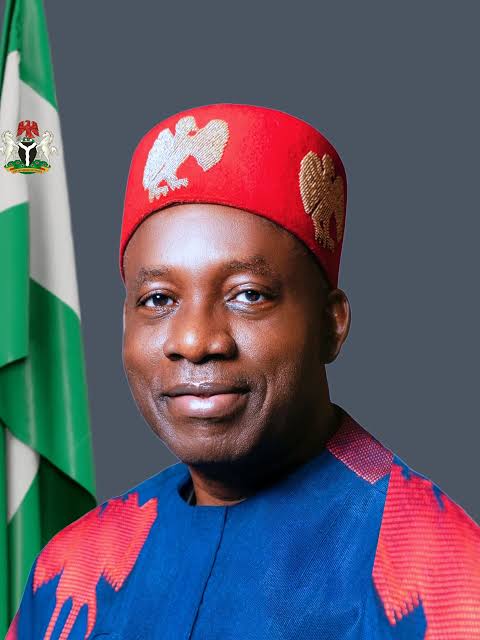
I congratulate Prof. Charles Soludo on his swearing-in for a second tenure. As always, I wish him success in serving the people, and I hope this term brings greater progress and development. May God Almighty bless the good people of Anambra State and Nigeria. -PO
A Nation Under Siege
The nation is once again engulfed in grief and outrage following the horrific explosions in Maiduguri, Borno State, yesterday. These tragic events serve as a painful reminder of how far we have strayed from the fundamental duty of governance: the protection of lives and property.
The fact that several innocent Nigerians can be killed in multiple coordinated attacks, with over a hundred others injured in vulnerable places like markets and near hospitals, highlights a troubling reality. The silence from our nation in response to such atrocities indicates a disturbing normalization of insecurity rather than a decisive confrontation with the issue.
In light of recent attacks in Kwara, Nasarawa, Kogi, Plateau, Sokoto, Benue, and even within the Federal Capital Territory, the pattern of insecurity is deeply concerning. In some regions, such as Katsina, there are alarming reports of communities being coerced into paying a "Peace Tax" to armed groups just to avoid further attacks and ensure their survival.
These moments test not only our security architecture but also the very essence of leadership. Such a grave national emergency requires immediate presence, attention, and action. It is crucial to cancel any planned trips to visit affected communities in favor of prioritizing efforts to safeguard lives.
During this time of grief, my thoughts and prayers are with the families who have lost loved ones, as well as those who are injured and fighting to recover. May God grant eternal rest to the departed, comfort the bereaved, and provide strength and healing to all affected.
We cannot continue down this path. Our nation must rise to protect its citizens with urgency, responsibility, and compassion.
A New Nigeria is POssible. -PO
Disturbing Report on Our Growing Poverty.
Recent reports should deeply concern every responsible leader and citizen in Nigeria. A new policy study released by Agora Policy, with support from the Nigeria Economic Stability and Transformation Programme and the United Kingdom’s Foreign, Commonwealth and Development Office, has shown that the poverty rate in our country has climbed from about 40% before the current reforms to over 63% today under this administration. Explicitly showing that the economic reforms of this administration have pushed more Nigerians into poverty than ever experienced in our dear nation.
For a country whose population is estimated at over 220 million people, this means that well above 140 million Nigerians now live in poverty. Families nationwide can no longer afford basic necessities such as food, transportation, rent, or healthcare.
Across the six geopolitical zones of Nigeria, families report painful coping strategies, reducing food consumption, trekking instead of using public transport, having no electricity to use, and borrowing simply to survive. Small businesses, which are the backbone of our economy are shutting down.
An economy cannot be said to be improving when the majority of its people are becoming poorer.
What makes this situation even more troubling is the contrast between the growing hardship faced by ordinary Nigerians and the continued pattern of lavish and insensitive spending by those in power. At a time when citizens are tightening their belts, struggling to eat, and watching their businesses collapse, the politicians continue to spend huge budgets on their comfort and other non-essential extravagances. Leadership must lead by example, especially during difficult times. You cannot ask the citizens to fast while you feast. Sacrifice must begin from the top.
True economic reform must be people-centred. It must protect the most vulnerable while pursuing fiscal sustainability. Reforms that deepen poverty, widen inequality, and crush small businesses cannot be described as successful.
Nigeria is blessed with immense human and natural resources. What we require is leadership that prioritises prudence, compassion, and accountability, leadership that measures success not by elite comfort but by the well-being of the ordinary Nigerian.
Nigeria must urgently and strictly implement policies that support development, expand production, small businesses, and protect vulnerable households.
A New Nigeria is POssible. -PO
The Attack on Democracy in Bakassi
What occurred at the ADC office in Bakassi, Cross River State, is not merely an attack on a political party; it is an attack on democracy itself. When thugs can storm a party office and destroy property without facing arrest, it reflects how dangerously low our democratic standards have fallen.
In the current state of Nigeria, what can we expect when leadership standards have plummeted to the extent that qualification, certification, and credibility are no longer deemed necessary for public office? The ability for individuals to present forged certificates for election sends a troubling message to our society. If we continue down this path, violence may become the future of our democracy.
We must recognize that fraud and violence cannot create true leadership; they will only result in chaos. This chaos will ultimately affect us and our children.
A New Nigeria is POssible. -PO
Celebrating our family pillars on Mother’s Day
Today, we celebrate you, the pillars of faith, love, and wisdom in our families and communities. Your tireless dedication, nurturing hearts, and guidance shape not only the lives of your children but also the moral and spiritual fabric of our society. Every sacrifice you make, every lesson you teach, and every prayer you offer leaves a lasting impact across generations.
As you are honoured today, may God continue to bless you abundantly, grant you strength in every challenge, joy in every moment, and peace in every season of life. Your role in shaping the future is invaluable, and your love remains the foundation upon which our communities thrive.
With your continued sound motherhood and prayers, a new Nigeria is POssible. -PO
My Visit to Western Academy, Umueze-Anam
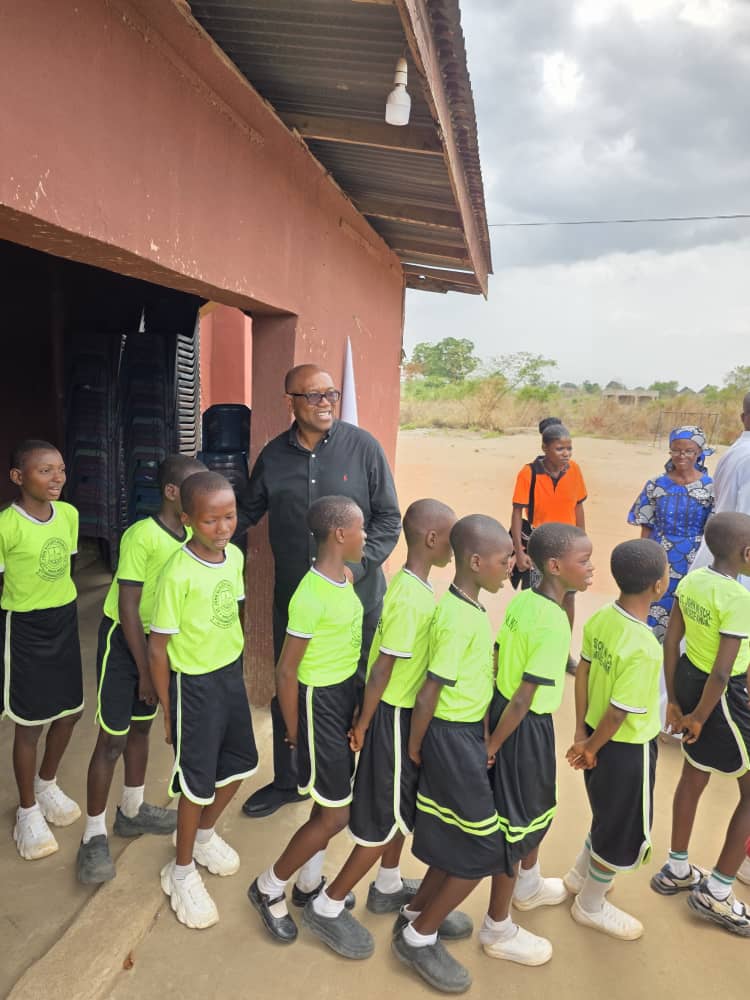
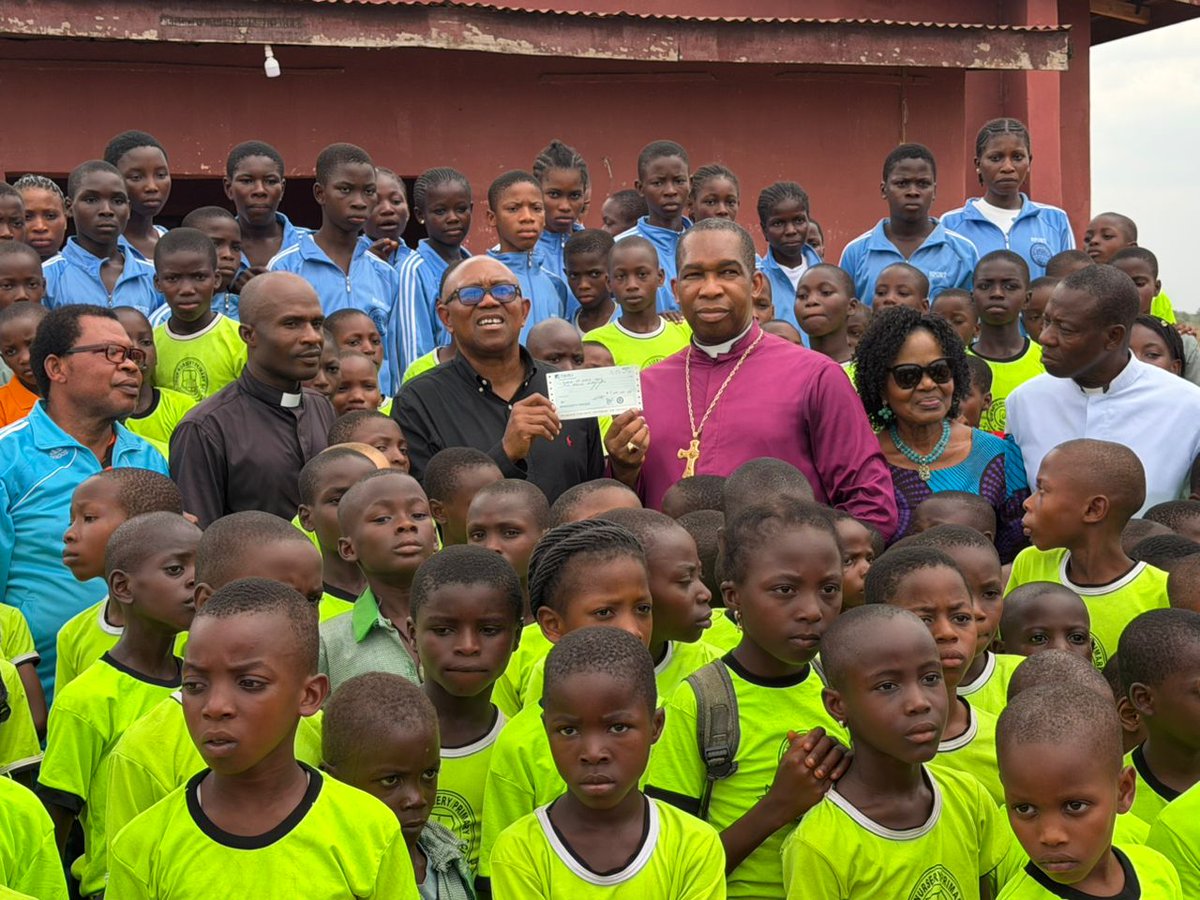
In continuation of my support for educational facilities, yesterday, Friday the 13th, I visited a school in a rural community, Western Academy, Umueze Anam, in Anambra West. The school, which commenced about three years ago, currently uses local church facilities as classrooms. They welcomed me warmly and shared their dreams and ambitions.
During the visit, and in support of efforts to improve learning facilities, I donated ₦10 million towards the school’s planned infrastructure development, covering both its primary and secondary arms. My hope is that this contribution will help create a better environment for teaching and learning, and enable the students to thrive.
I encouraged the students to take their studies seriously, reminding them that education opens the door to limitless opportunities. With hard work and determination, they can compete with anyone, anywhere, and go on to become successful in life.
Reflecting on my own journey, I shared that part of my primary education was at St. Augustine Primary School, Umuoba Anam. I urged the students not to be limited by their environment, but to remain disciplined, focused, and committed to their dreams. Greatness can come from anywhere when opportunity is combined with determination.
With students like those I met at Western Academy, my faith is renewed in a New Nigeria that is POssible. -PO
Nigeria is facing a troubling contradiction.
What type of country are we trying to bequeath for our children?
The same lawmakers who have proposed a fine of ₦10 million and up to two years in prison for dual political party membership have simultaneously removed certificate forgery, age falsification, and false declarations as grounds for challenging an election in a tribunal. This is in direct contradiction to the provisions of the Constitution of Nigeria (1999, as amended).
This situation raises a fundamental question about the priorities of our political system.
In any serious democracy, the gravest offense in public life is deceiving the people to gain power. Submitting false documents, falsifying one’s age, forging certificates, and making dishonest declarations to electoral authorities are among the most serious offenses in any democracy. Such actions not only lead to automatic disqualification but also warrant criminal prosecution.
Yet today, our electoral system seems more focused on protecting political structures than on upholding the truth.
There is no justification for prioritizing punishment for party alignment over punishing false certificates, forgery, and other forms of deception in the pursuit of public office.
Laws should strengthen democracy, not weaken it. They should promote ethical leadership rather than lower standards for those who aspire to govern.
A nation cannot rise above the integrity of its leaders. If we truly want a better Nigeria, our laws must defend truth, character, competence, and accountability. We cannot continue to tolerate criminal behavior.
A New Nigeria is POssible. -PO
When Countries Fail to Plan
Many people wonder why any adverse development in the global economy quickly impacts Nigeria. A recent example is the tension involving Iran, which led to an increase in global oil prices and, subsequently, a rise in petroleum prices in Nigeria.
A few weeks ago, petrol was selling for less than ₦1,000 per litre, but today it costs over ₦1,200 per litre. Diesel, which was also priced below ₦1,000 per litre, is now over ₦1,500 per litre. These rapid increases illustrate how quickly external shocks can affect the Nigerian economy.
The reason for this is straightforward: most countries, whether they are oil-producing or non-oil-producing, maintain strategic petroleum reserves to cushion against supply or price shocks. This means that when there is a disruption in the global oil market, they can release part of these reserves to stabilize supply. However, Nigeria lacks such a buffer, so the impact is felt almost immediately.
The underlying issue is a lack of planning. Countries that engage in planning create buffers against shocks, while those that do not remain vulnerable to them. The old maxim remains true: when a country fails to plan, it has already planned to fail.
A New Nigeria is POssible. -PO
Being unemployed, not having your own place and not having transportation is stressful asf. I pray anybody that’s trying to get back on their feet come back 10 times harder ‼️ That storm never last long🫰🏾🙌🏾
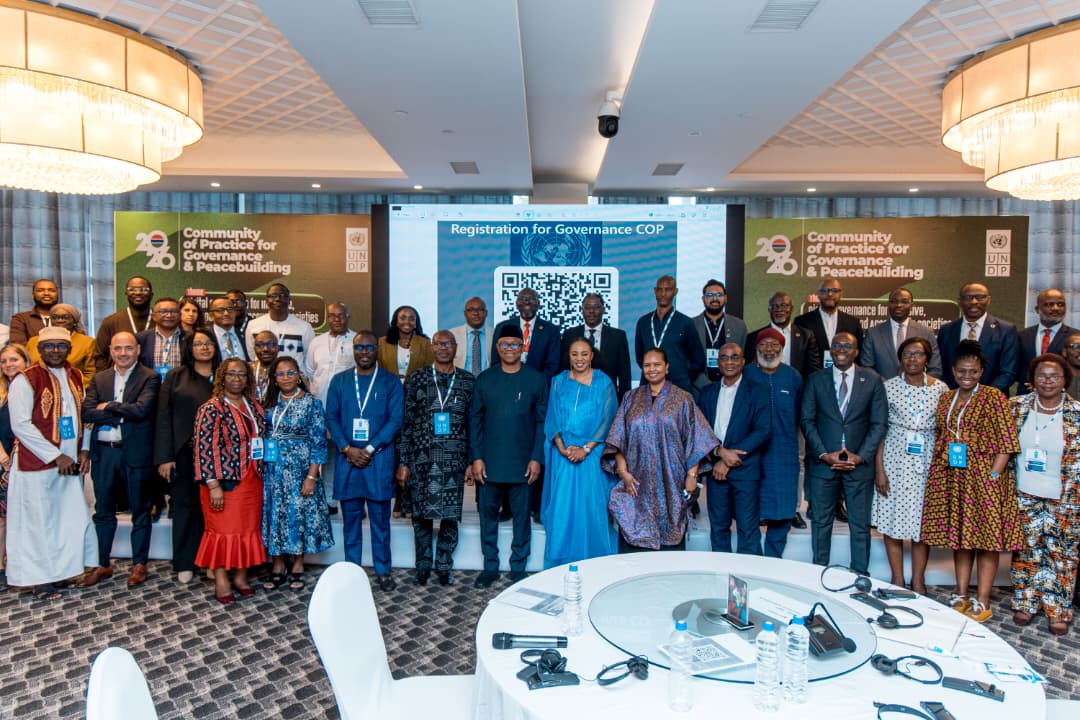
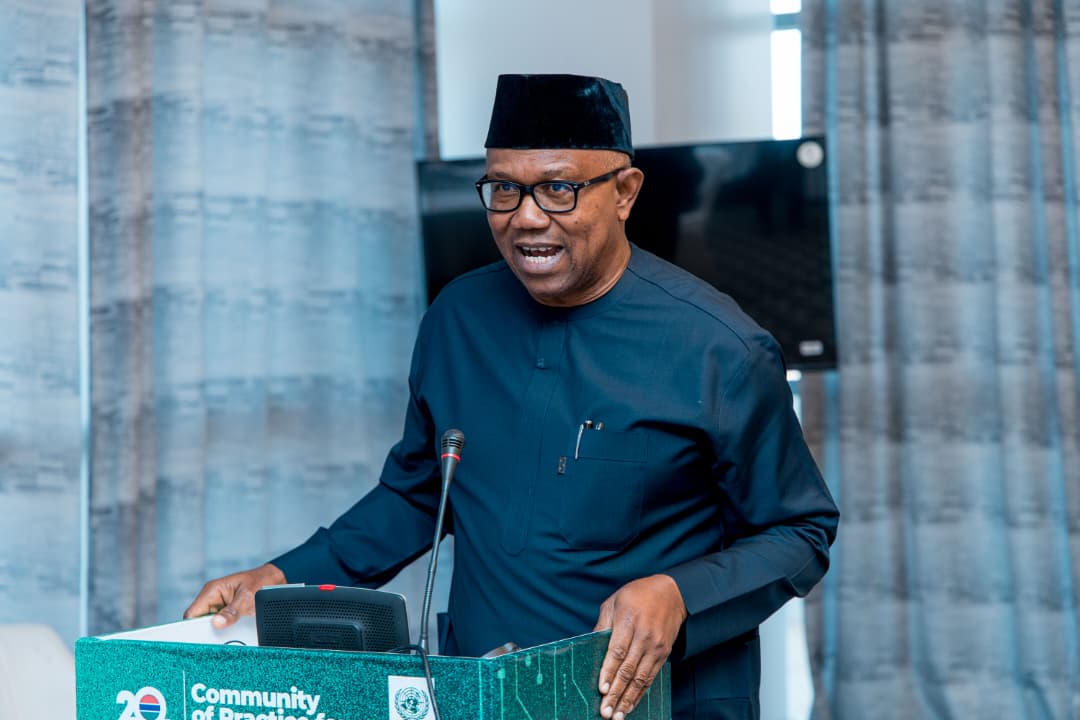
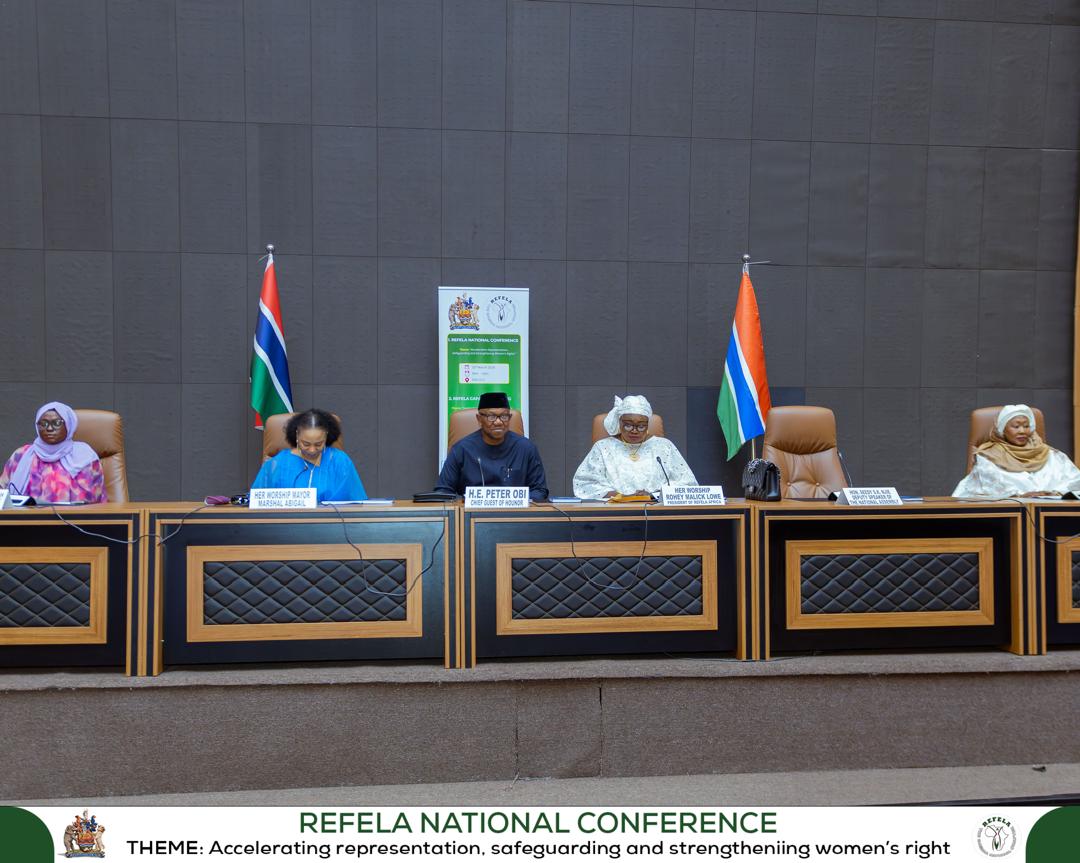
Today in Banjul, following my engagement at the REFELA National Conference, I had the honour of also joining the United Nations Development Programme (UNDP) Community of Practice for Governance and Peacebuilding Conference, themed “Digital Governance for Inclusive, Transparent, and Accountable Societies.”
In my brief interaction with them, I sincerely appreciated the UNDP for the invaluable work of supporting governments across Africa. Many African States and sub-nations have benefited directly from UNDP’s expertise and support, and I can gladly count Anambra State during my administration as one of them.
Dr. David Omozuafoh, the Head of Regional Governance and Rule of Law of the UNDP told the conferees of the challenging moment of my first meeting with them when I was Governor of Anambra State. He narrated to the stakeholders how the UNDP had earlier left Anambra because resources they had provided were mismanaged by a previous administration, and how they initially declined working with me due to this bad experience when I first approached them.
However, after I sought an audience, we had a thorough and candid meeting where I transparently explained why Anambra needed assistance, why we were committed to reform, and how the stronger governance systems we put in place would ensure that every intervention would be used for the public good. I made them understand that our people deserved better, and that we were ready to be held accountable for results. I firmly promised that any support they provided would be transparently managed for the benefit of the people of Anambra, especially in the critical areas of development, education, health, and lifting people out of poverty.
After those discussions, the UNDP agreed to return and work with Anambra State. The moderator then noted that the outcome of that partnership was remarkable. He informed the conferees that Anambra eventually became the best-performing state in Nigeria in the implementation of the Millennium Development Goals (MDGs) particularly in health and education. He added that Anambra State was then cited by the UNDP as a model for other sub-national governments, which led to my being invited to New York City to share and present our approach.
I encouraged them that we must continue to work together, governments, civil society, and international partners, to build societies where accountability, justice, and shared economic growth are the foundation upon which we build the future we want for our children and generations to come.
I still believe that a New Nigeria is POssible. -PO
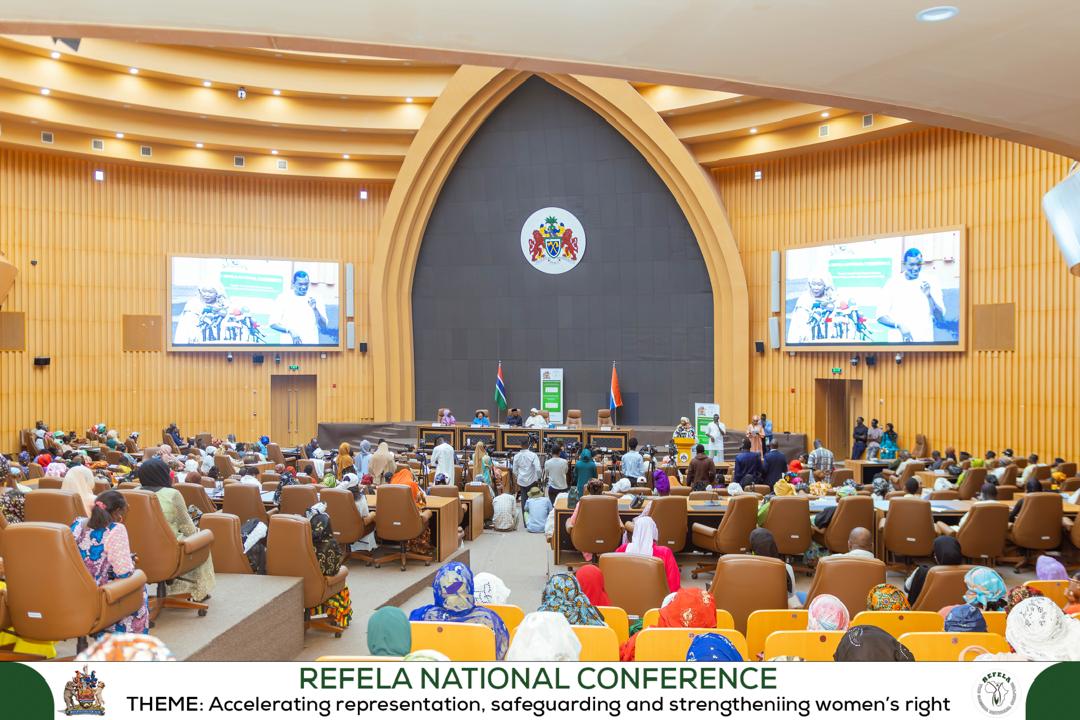
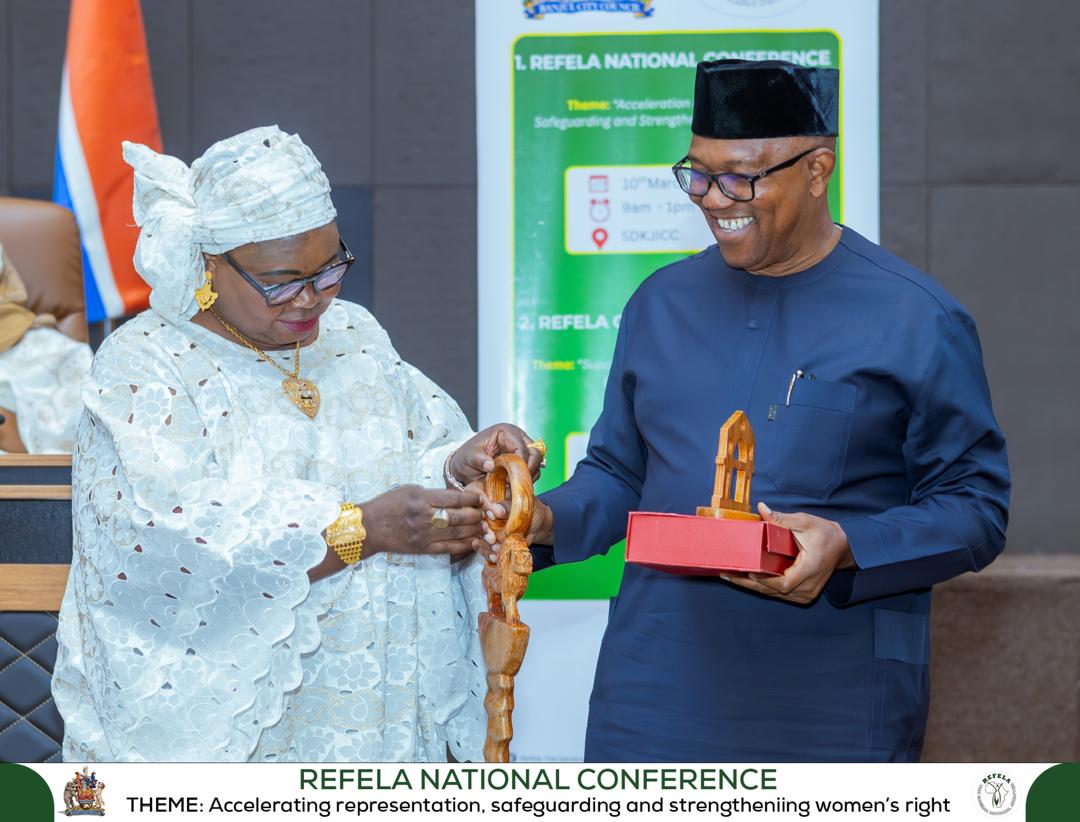
Yesterday, 10th March, in Banjul, The Gambia, at the REFELA National Conference, themed 'Accelerating Representation, Safeguarding, and Strengthening Women’s Rights,' I had the honour and privilege to address the august gathering as both the Guest Speaker and Chief Guest of the occasion.
Focusing on this year’s International Women’s Day theme, “Give to Gain,” I emphasised that the prosperity of nations is directly tied to how seriously they invest in their people, particularly women.
I reiterated a fundamental truth that nations that deliberately invest in human capital eventually gain stronger economies and more stable societies. When women are given equal access to education, finance, and leadership opportunities, they become not just participants but critical drivers of national development.
As Nobel Laureate in Economics, Amartya Sen, famously argued, billions of women are “missing” from economic transactions, and this exclusion is holding back the prospects of development in Africa and other developing economies.
For nations seeking lasting prosperity, particularly Nigeria, The Gambia and other African countries, the path forward must be aggressive, deliberate, and strategic investment in human capital. Prioritising education, healthcare, skills development, and economic inclusion for women and youth is the foundation for sustainable growth and development of any nation.
On this International Women’s Day, I thank the Mayor of Banjul, Hon Rohey Malick Lowe for the honour of inviting me, for the warm reception and for graciously hosting my team and me. I extend my sincere appreciation to the Nigerian community in The Gambia for the useful interaction we had.
I join all men and women of goodwill in celebrating women across the world, recognising their crucial and complementary roles in society. Now more than ever, women must step into public service and leadership roles.
By empowering women, fostering accountability, and prioritising education and skills development, Africa can transform potential into tangible progress, building shared opportunity for all. This is 'development as freedom'.
A New Nigeria is POssible. -PO
Perilous Era of Political Thuggery
Nigeria is descending into a perilous era of political thuggery under the current administration, where violence and intimidation are increasingly weaponized to suppress democracy and stifle political participation.
The recent attack on H.E. Rotimi Amaechi, a prominent opposition figure, and the brutal assault on his supporters during a political event starkly illustrate the deteriorating state of our democracy. The attack on Amaechi's convoy in Rivers State, the orchestrated burning of African Democratic Congress (ADC) offices, and the rampant disruption of political meetings nationwide are alarming developments that cannot be ignored.
The failure to arrest and prosecute those responsible for these heinous acts signals a grave danger—the steady erosion of the very foundation of democracy and the entrenchment of lawlessness by those entrusted to enforce the law.
If we do not confront this troubling trend with unwavering resolve, citizens will feel compelled to take matters into their own hands simply to exercise their democratic rights.
Nigeria cannot claim to be a democracy while political actors are endangered simply for expressing themselves, organizing, or attending meetings. A nation where thugs dictate who can gather, speak, or campaign is not practicing democracy; it is careening toward a brutal regime of political thuggery, aided and abetted by those in power.
We must unequivocally reject this descent into a democracy of thuggery. Nigerians deserve a political environment organized through competency, capacity, compassion,and commitment to the good of society, not one controlled by incompetence and thuggery. Democracy must be defined by the rule of law, accountability, competence, and the unrestricted participation of citizens in shaping their nation's future through political actions.
A New Nigeria is not just POssible; it is imperative, urgent, and achievable. -PO
Time to End the Persecution of Political Opponents
The current administration must put an end to the blatant persecution of political opponents disguised as criminal prosecution. The integrity of the rule of law in Nigeria is non-negotiable; its degradation undermines our economic development and threatens national stability.
The recent arrests and continued detention of key leaders from the African Democracy Congress (ADC), namely Mr. Abubakar Malami, former Attorney General of the Federation, and Malam Nasir El-Rufai, former Governor of Kaduna State is worrisome. The timing of their arrests—coinciding with their commitment to ensure the current administration is voted out in 2027—raises serious questions. The methods used in their apprehension contradict the principles of rule of law. Prosecutorial decisions must be grounded in concrete evidence and probable cause, transparently presented without ulterior motives. The undue denial of bail or unjustly stringent conditions imposed on bail leave little doubt that the government is wielding criminal prosecution as a weapon against its political opponents.
The situation surrounding Malam El-Rufai is particularly concerning; his repeated transfers between the EFCC, ICPC, and DSS suggest a desperate search for any charge that might stick, straying dangerously close to a fishing expedition rather than a credible investigation.
I firmly believe that Nigeria requires a civil and criminal justice system that instills confidence in every citizen—that no one should fear persecution for their political beliefs or actions disapproved by those in power. The criminal trial process must adhere strictly to legal standards. As we approach a critical election period, the government must cease its efforts to undermine political opponents under the pretense of battling corruption, and wrong doing.
I wholeheartedly support the fight against corruption, and wrong doing, but it must be conducted with integrity and transparency, starting with those currently in power rather than targeting opponents.
A credible anti-corruption and anti wrong doing campaign cannot afford to be selective.
A new Nigeria is POssible. -PO
Politics in front as insecurity spreads.
Our nation is clearly under siege, and the scale of insecurity is becoming unbearable spreading widely all over the country. This week alone in Borno State’s Ngoshe community, terrorists overpowered soldiers, killing them and several citizens, while abducting more than 100 women and children yet our leaders are silent.
The sacrifice of our brave and dedicated soldiers is passed in silence. I look forward to the day when our fallen soldiers are given the dignified burials they deserve, with their bodies received and honoured by the nation’s leaders and political authorities.
From Nasarawa, Kogi and Benue, residents are screaming that terrorists now flock to their farms and forests, disrupting economic activities forcing entire villages to flee in fear.
In Nasarawa’s Kadarko area alone, 14,318 civilians are now registered as internally displaced persons (IDPs).
In Oyo State, travellers were abducted in the dead of night along the Kishi‑Igbeti road, their whereabouts still unknown. In Ondo State, criminals shot at, abducted and wounded innocent citizens. And in Kebbi State, terrorists are on a rampage, killing officers and citizens, making it the third deadly attack this month.
The wave of terror has now brazenly crept into our nation’s capital. The attack in Kubwa, Abuja, just this week, about 19 citizens were abducted from their homes, including women and children. This is yet another grim reminder that insecurity is no longer distant but now a norm. These are national tragedies happening simultaneously all over our country, claiming the lives of civilians and security operatives alike.
The primary responsibility of any government is to secure the lives and property of its citizens. Yet, the response from the government in power to all the incidents has been dead SILENCE, as if Nigerian lives no longer matter. The ruling class are instead devastatingly more preoccupied with how to snatch, grab, and run away with the next election.
These are not just news items, Nigerians deserve commitment and leadership that puts their safety and welfare first.
It is time to restore security, dignity, and hope to every corner of this nation.
A New Nigeria is POssible. -PO
Revalidation of My ADC Membership
On the 31st of December, leading figures from across Igboland gathered in Enugu in a historic meeting of the “who is who” in the region. The purpose was clear: to call on Igbo leaders, intellectuals, and stakeholders to join the ADC as the most credible platform for political renewal and responsible governance.
At the meeting in Enugu, prominent leaders from across the region were in attendance. From Enugu came Chief Okwesilieze Nwodo and Hon. Gilbert Nnaji, among others. From Imo were Hon. Emeka Ihedioha and Chief Achike Udenwa, among others. From Abia were Senator Enyinnaya Abaribe and Onyema Ugochukwu. At the same time, while Anambra was represented by the likes of Senators Ben Ndi Obi, Victor Umeh, and Tony Nwoye, among others, including numerous members of the National Assembly and the State Houses of Assembly. Their presence underscored a shared conviction that the South-East must work together with a united voice and common purpose.
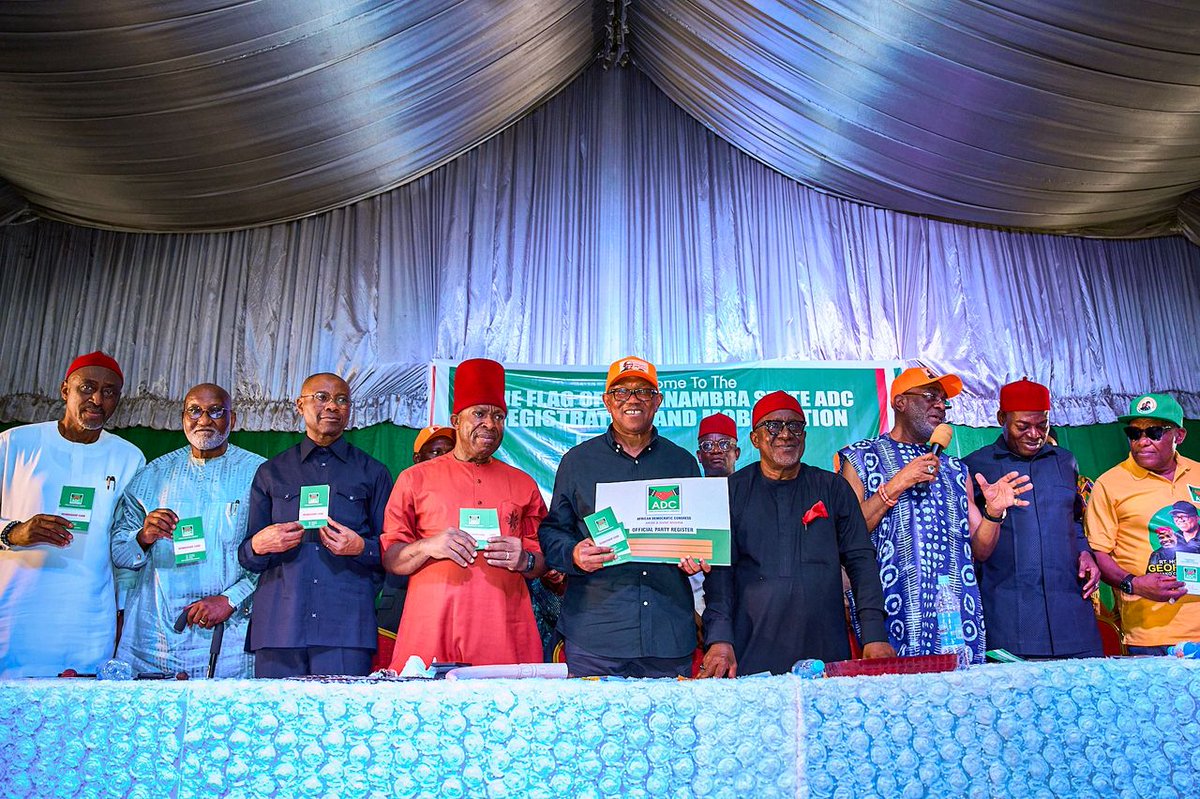
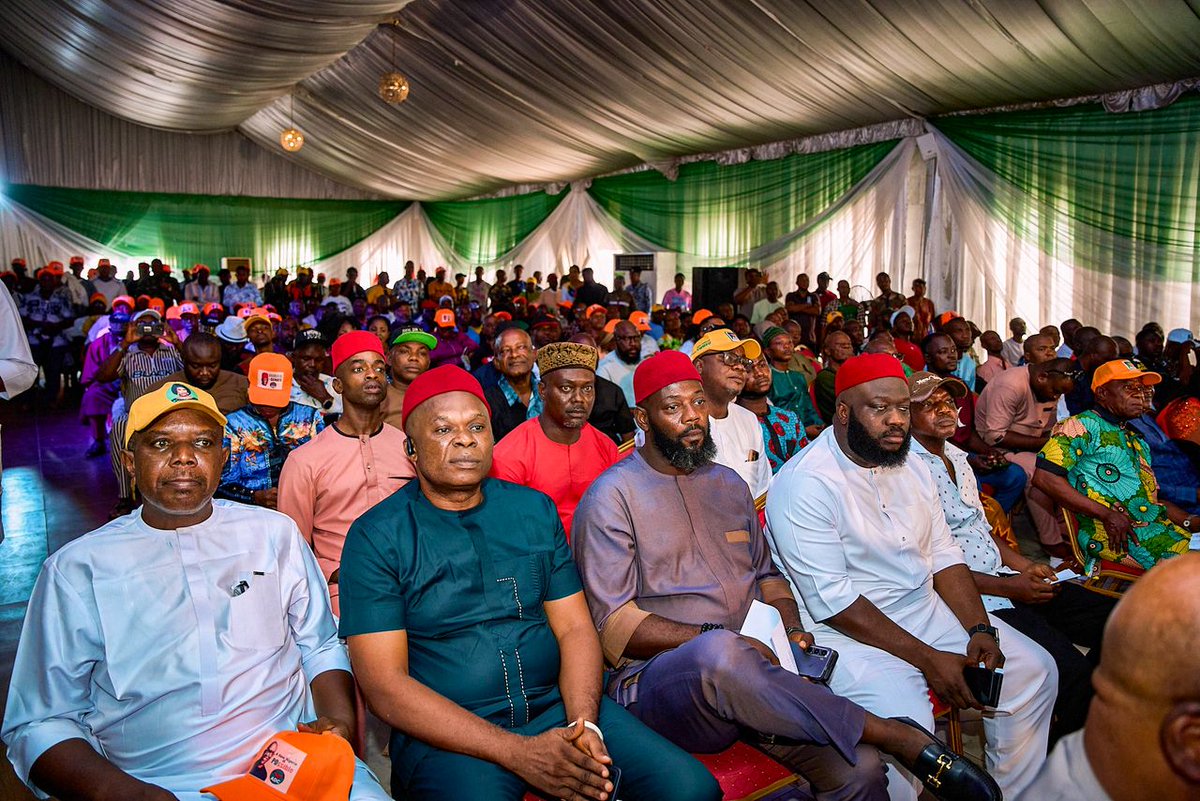
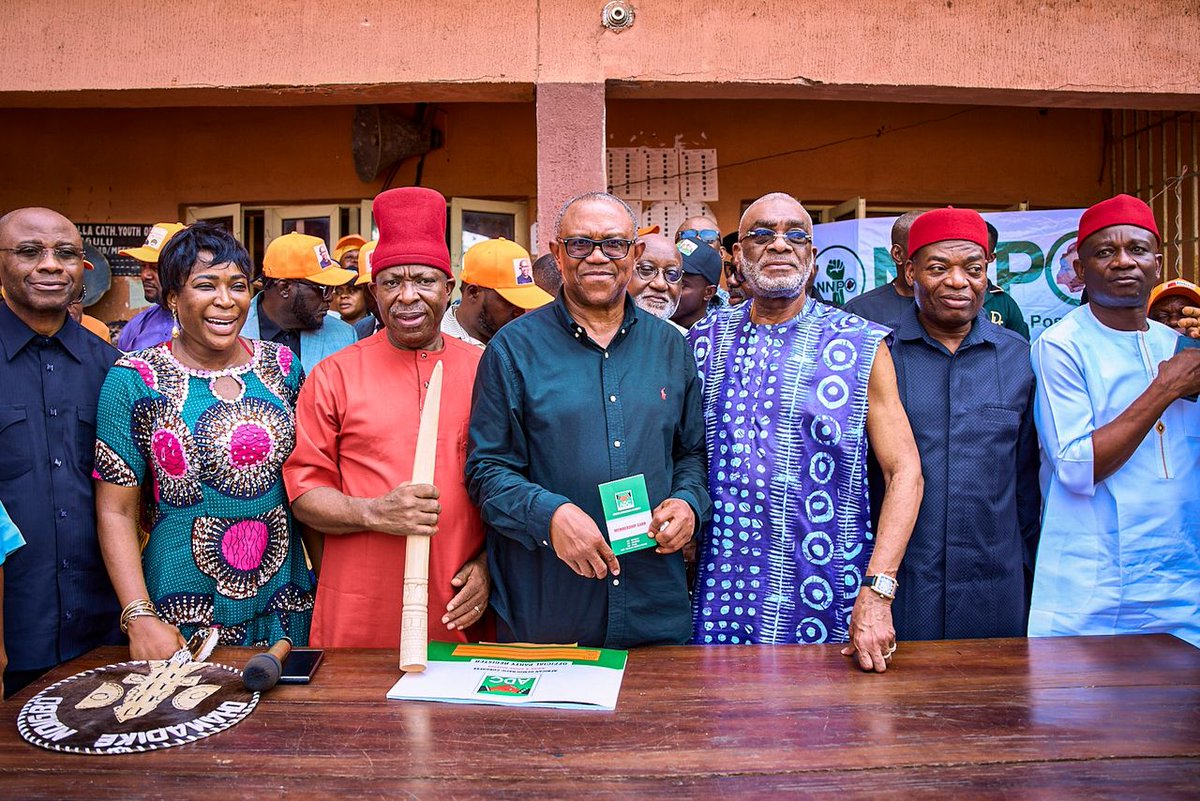
Yesterday, the 8th of March, we once again gathered in Awka to formally flag off the membership validation and registration exercise. The event also attracted a wide spectrum of leaders and stakeholders, including 2 Senators, 5 members of the National Assembly, 6 members of the State Houses of Assembly, and a host of dignitaries.
Speaking during the event, I urged all opposition parties to come together in the determination to confront and end bad governance. The forthcoming election in 2027 will not merely be a contest between political parties; it will be a defining choice between the Nigerian people and bad governance.
Following the flag-off ceremony in Awka, we moved to Agulu, where I personally completed my membership validation and encouraged others to follow suit. Our message is simple, meaningful change begins with participation.
The journey toward a New Nigeria that is POssible continues. -PO
From Ibadan to Achina: Empowering Minds, Building Nations
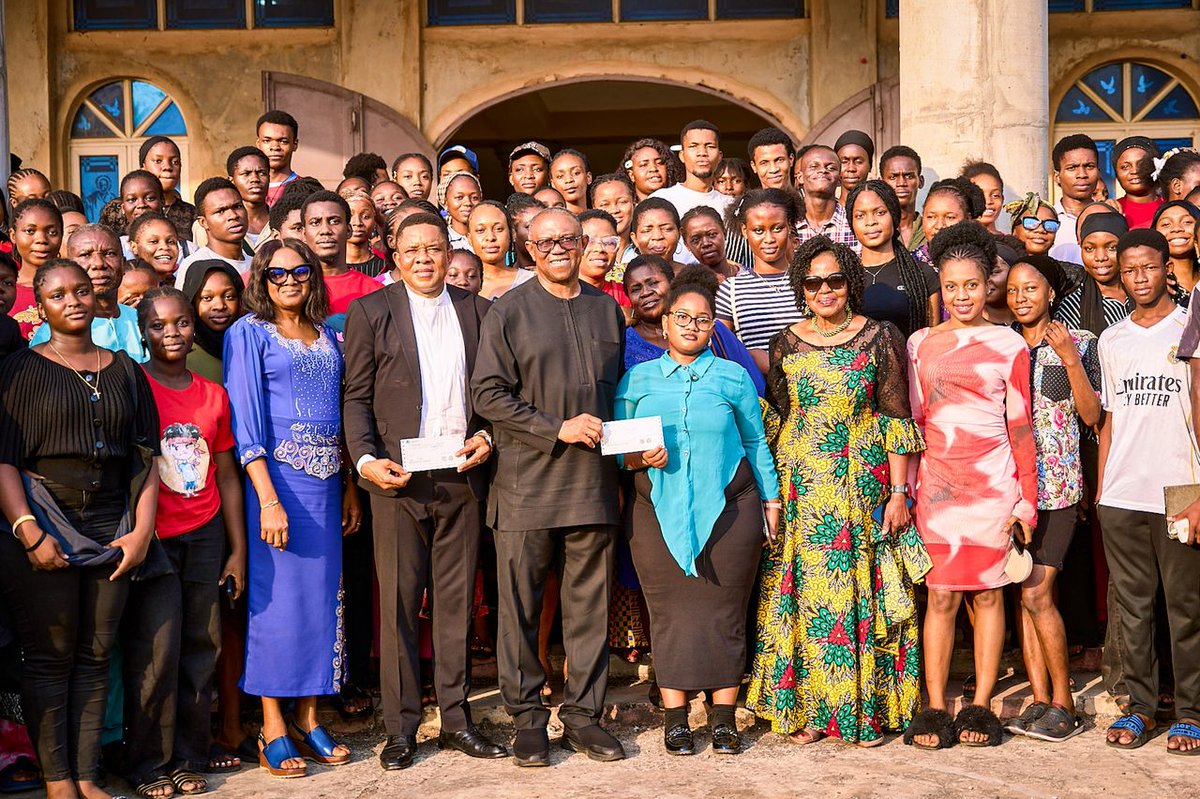
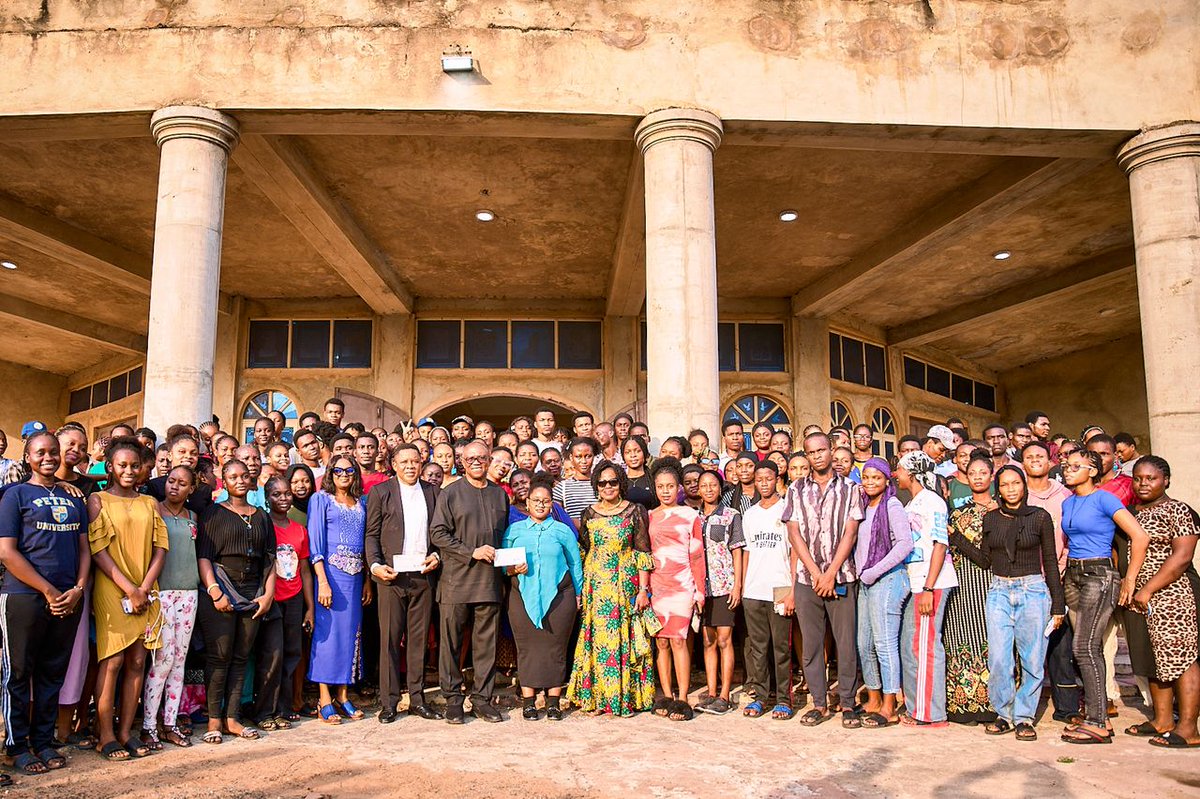
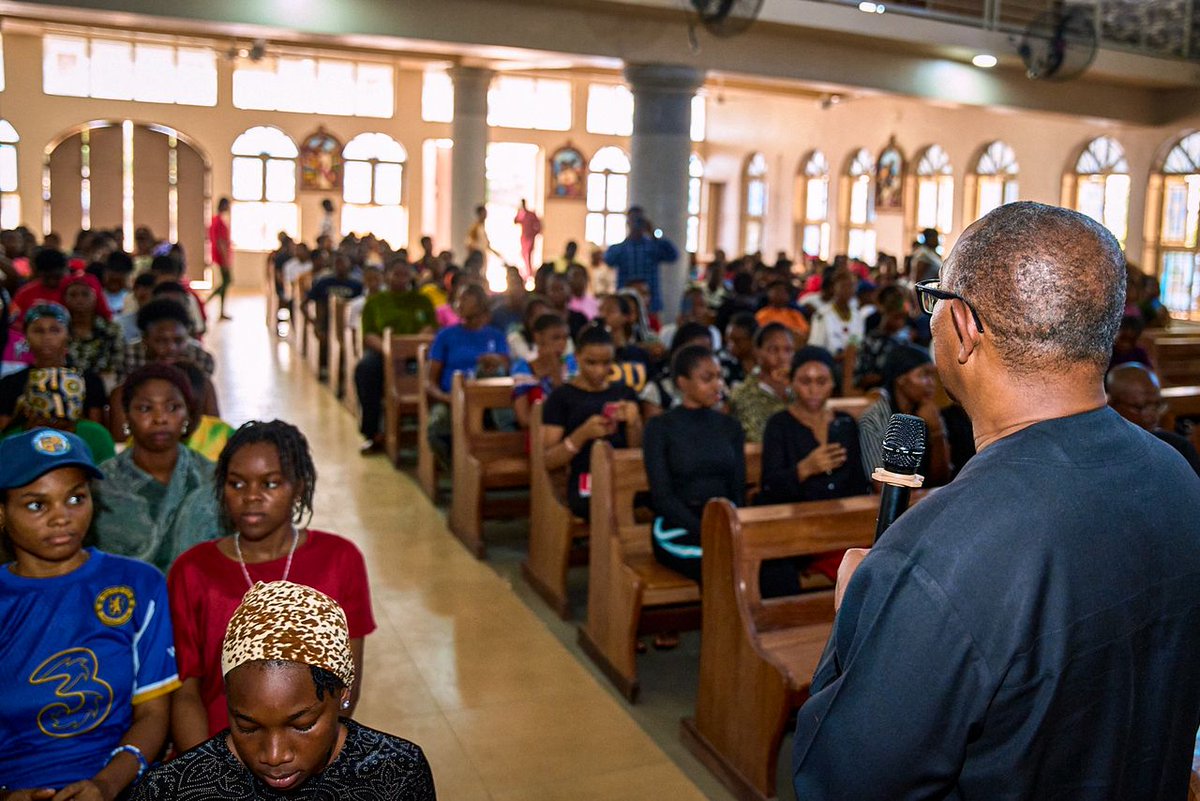
A few weeks ago, I visited Dominican University in Ibadan, Oyo State, where I donated ₦30 million to support their educational development. Yesterday, March 6th, I was at Peter University in Achina/Onneh, continuing my commitment to support institutions dedicated to shaping the minds and futures of our young people. On that occasion, I also donated another ₦30 million to Peter University to aid its growth and academic development.
For me, education is one of the most enduring investments that any society can make. It not only opens doors for individuals but also strengthens communities and prepares nations for the challenges of tomorrow. Whenever the opportunity presents itself, I consider it a privilege to contribute, even in a modest way, to institutions devoted to learning, character formation, and service to humanity.
My visit was not merely ceremonial; it was an affirmation of my belief that universities should remain centers where young men and women are inspired to dream beyond their immediate circumstances and see themselves as citizens of a wider world.
A New Nigeria is POssible. -PO