@Escudri_ Pues a mi me ha encantado el listado de frases que repito en clase, el listado de situaciones graciosas y las notas de agradecimiento. Lo hemos celebrado con helados y un trebol de la suerte para cada uno🙌🏼. En esta vida hay que ser agradecid@s y celebrar todo lo que se pueda 🌼
No solo no hay aparatos de aire acondicionado en las aulas, sino que muchos centros no cuentan ni con espacios de sombra en el patio pero, eso sí, cada político y experto educativo de turno con su despacho climatizado.
El periodisme actual (i de sempre) té molta responsabilitat en tot el què està passant. No en teniu ni idea de què passa a les aules i tampoc no fareu res per assebentar-vos-en. Seguiu obeint a l'amo, no fos cas que feu la vostra feina en matèria educativa.
@annariusoficial@eniubo Ahir un alumne em diu, quina calor que fa. La meva resposta: ens ventem amb la pantalla? . Els vaig explicar que es gasten els diners sense preguntar a la trinxera. A quins interessos responen aquestes despeses?@eniubo
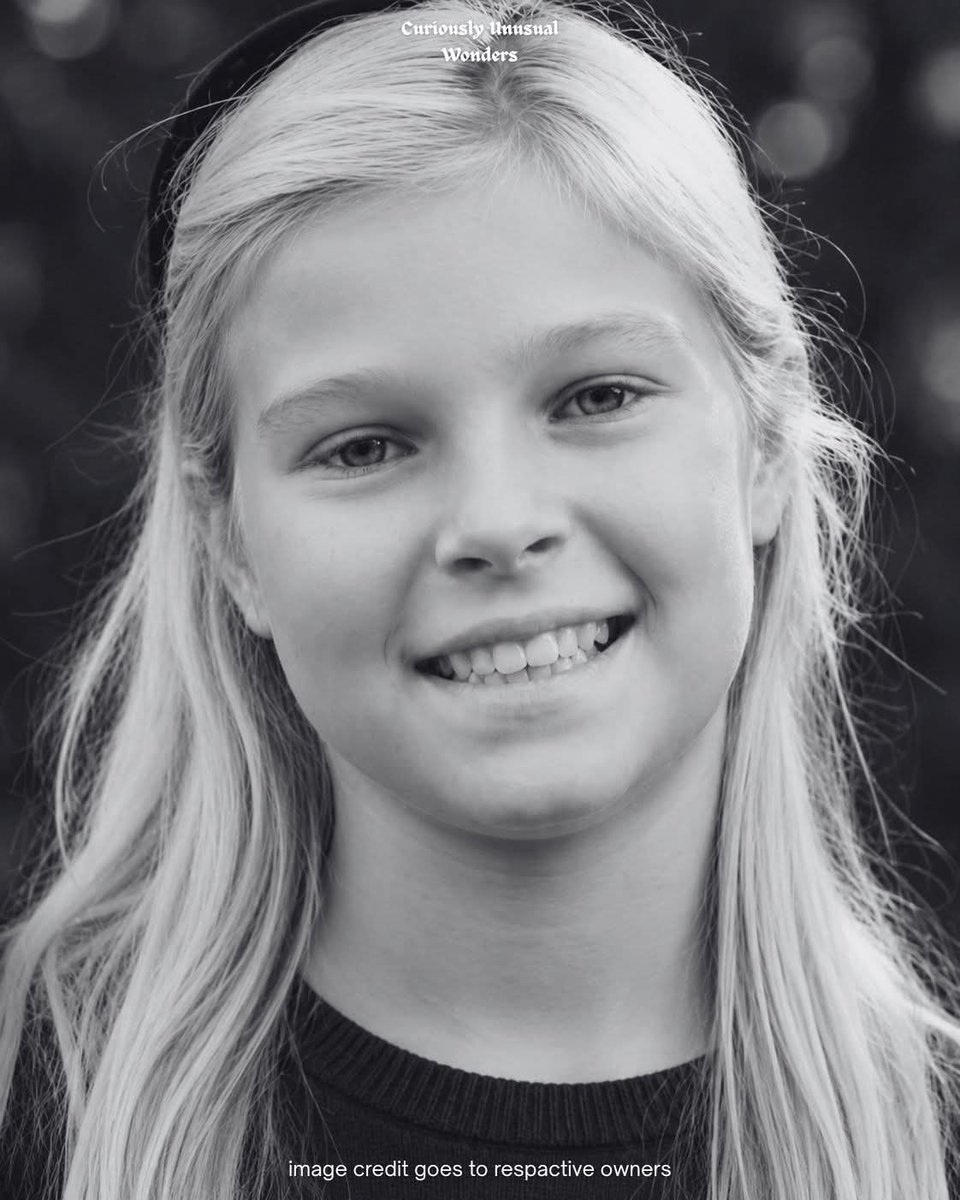
"A ten-year-old started screaming about a wave no one could see—and 100 people lived because her parents believed her.
December 26, 2004. Mai Khao Beach, Phuket, Thailand. Christmas holiday. Perfect weather. The Smith family walked along the sand on their first overseas vacation together.
Then Tilly noticed something wrong.
The water wasn't behaving normally. ""It wasn't calm and it wasn't going in and then out,"" she later recalled. ""It was just coming in and in and in.""
The sea had turned frothy—""like you get on a beer,"" she said. ""It was sort of sizzling.""
Any other ten-year-old might have thought it strange. Tilly knew exactly what it meant.
Two weeks earlier, her geography teacher Andrew Kearney had shown the class footage of the 1946 tsunami that devastated Hawaii. He taught them the warning signs: sea receding unusually far, frothy bubbling water, ocean behaving strangely.
Tilly was watching those exact warning signs unfold in front of her.
She started screaming at her parents. ""There's going to be a tsunami!""
They didn't believe her. They couldn't see any wave. The sky was clear. The beach was calm.
But Tilly wouldn't stop. She became more insistent, more frantic.
""I'm going,"" she finally said. ""I'm definitely going. There is definitely going to be a tsunami.""
Her father Colin heard the urgency in her voice. He decided to trust his daughter.
By coincidence, a Japanese man nearby overheard Tilly use the word ""tsunami."" He'd just heard news of an earthquake in Sumatra. ""I think your daughter's right,"" he said.
Colin alerted hotel staff. They began evacuating immediately.
Tilly's mother Penny was one of the last to leave. She had to sprint as the water began rushing in behind her. ""I ran,"" she recalled, ""and then I thought I was going to die.""
They made it to the second floor with seconds to spare.
Then the wave hit. Thirty feet tall.
Everything on the beach—beds, palm trees, debris—was swept into the pool and beyond. ""Even if you hadn't drowned,"" Penny later said, ""you would have been hit by something.""
The 2004 Indian Ocean tsunami killed over 230,000 people across 14 countries. Entire beaches in Phuket were wiped out.
But at Mai Khao Beach, not a single person died.
Because a ten-year-old girl paid attention in geography class.
Tilly was hailed as the ""Angel of the Beach."" She received awards, spoke at the United Nations, met Bill Clinton. Her story is now taught in schools worldwide.
Her father Colin still thinks about what could have happened. ""If she hadn't told us, we would have just kept on walking,"" he said. ""I'm convinced we would have died.""
Tilly still credits her teacher. ""If it wasn't for Mr. Kearney,"" she told the UN, ""I'd probably be dead and so would my family.""
Two weeks. One lesson. One hundred lives.
That's the power of education.
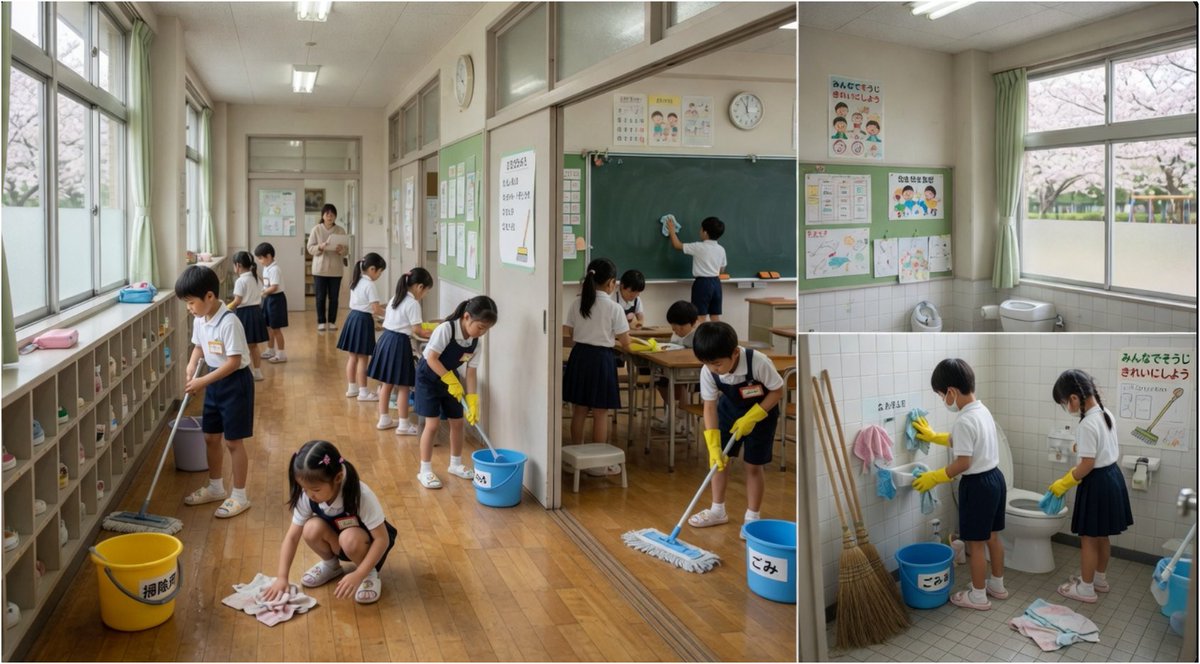
In Japan, children clean their own schools.
Every day. After lunch.
About twenty minutes.
Classrooms.
Hallways.
Toilets.
Not because the schools are too poor
to hire someone.
Because in 1947, this country decided
that cleaning your own space
is part of becoming a person.
The cleaning rag
is on the school supply list.
Right next to the pencils.
Egypt teaches it now.
So does Indonesia.
So does Mongolia.
Think about the last time
you watched a seven-year-old
mop a floor without complaining.
Japan does that
in every elementary school
in the country.
Not as punishment.
As education.
@JodidoDoctor Yo hice la EGB, nunca fuimos 45. Había compañeros de quinta en una clase de Educación Especial, apartados! Eso ahora no pasa (por suerte).Hacen falta manos i dinero para la https://t.co/hf2NGz4Xn0 había tanto TDAH, a nadie se le ocurriua tirar una silla o contradecir a un profe..