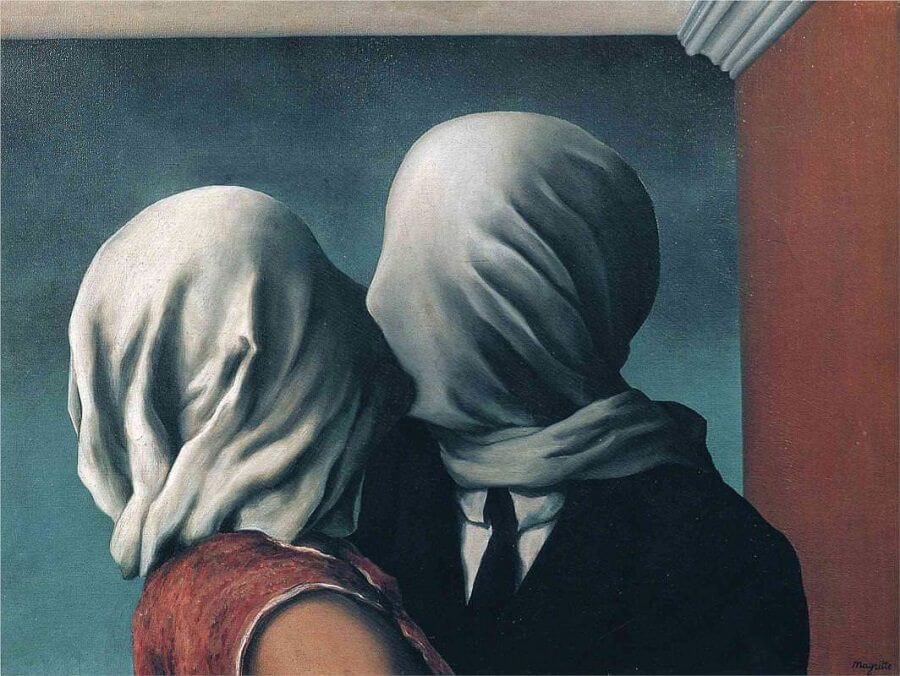
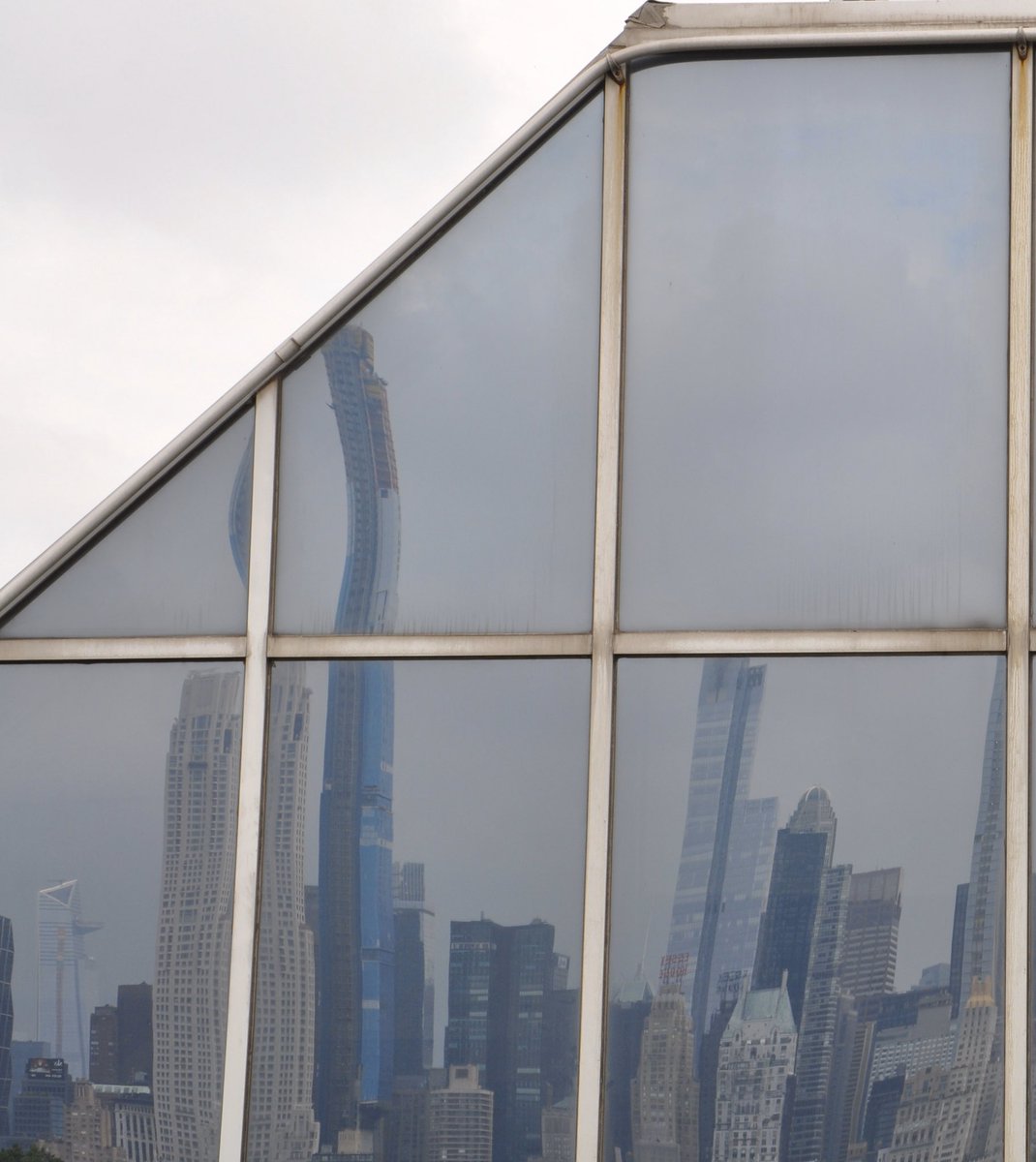
This Vogue Portugal cover features a masked couple kissing and is oddly reminiscent of Rene Magritte’s surrealist work The Lovers II, painted in 1928. #HA231
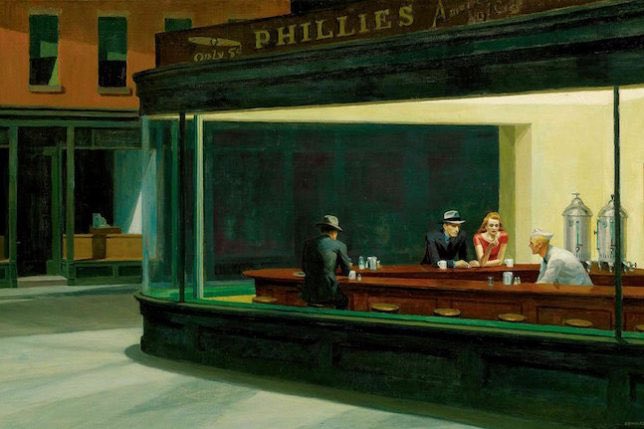
This painting is Nighthawks, by the New York artist Edward Hopper in 1942 as part of the Social Realism movement. The mood of this painting definitely resonates with the country’s self-quarantining, as everything is so empty that it feels like midnight all the time. #HA231
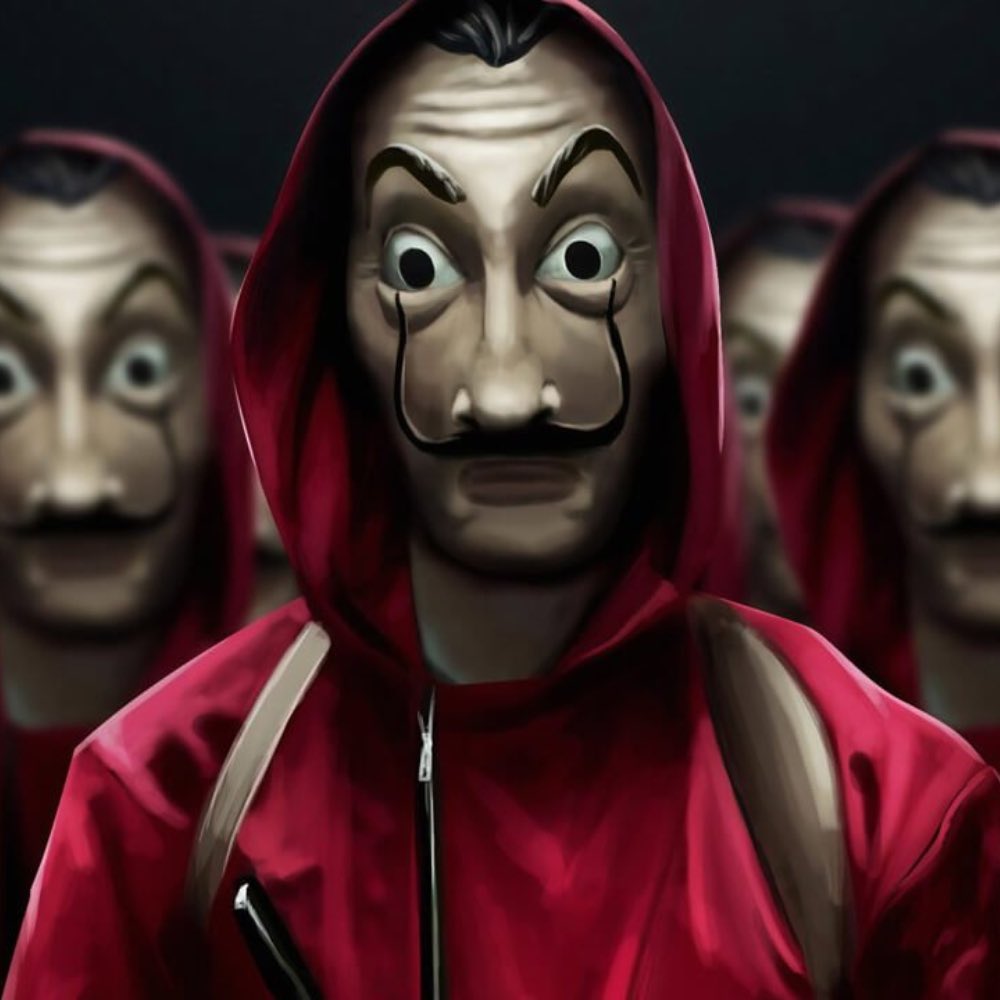
Since we learned about Salvador Dalí and the Surrealist movement last class, I figured I’d tweet a picture from my current favorite show, La Casa de Papel, in which the bank robbers wear Dalí masks to hide their identities. #HA231#MoneyHeist
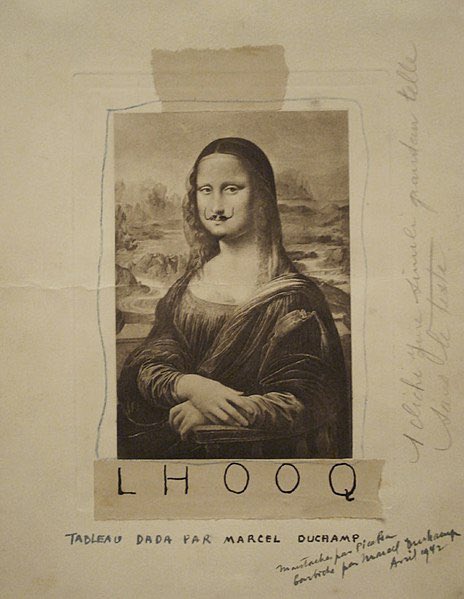
This is L.H.O.O.Q., a work conceived by the Dada artist Marcel Duchamp in 1919. He took a postcard of the Mona Lisa, drew facial hair on her, and renamed it. This type of work is considered a readymade, which is a utilitarian object transformed into art. #quarantinebeard#HA231
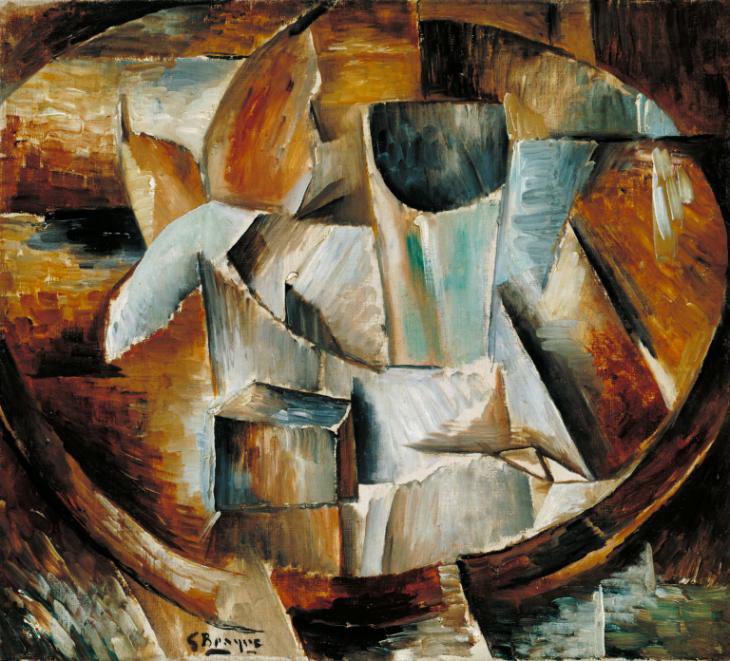
This painting was done by Georges Braque from 1909-1910. This work was part of the Analytic Cubism movement, with very little color, lots of geometry, and a much more abstract rendering of the many angles of real world imagery. #HA231
Missing the Met a ton right now. Here are a few photos I took and edited when my sister got me into the Met early while working there as an intern last summer. #HA231#themet#metmuseum
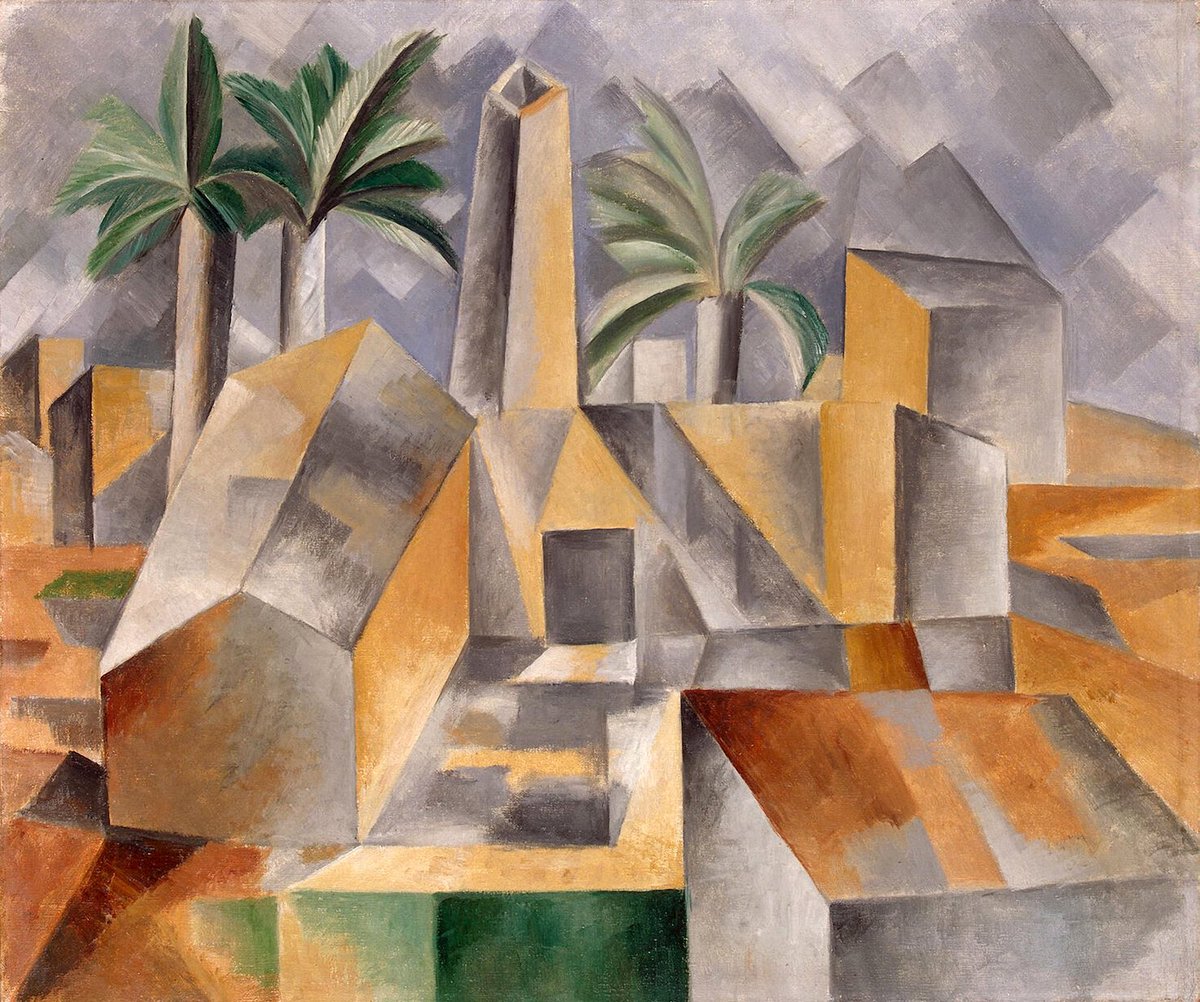
This is Pablo Picasso’s Brick Factory at Tortosa, painted in 1909 during his cubist period. I was lucky enough to see it a few years ago while in Paris at the Louis Vuitton Foundation gallery. #HA231
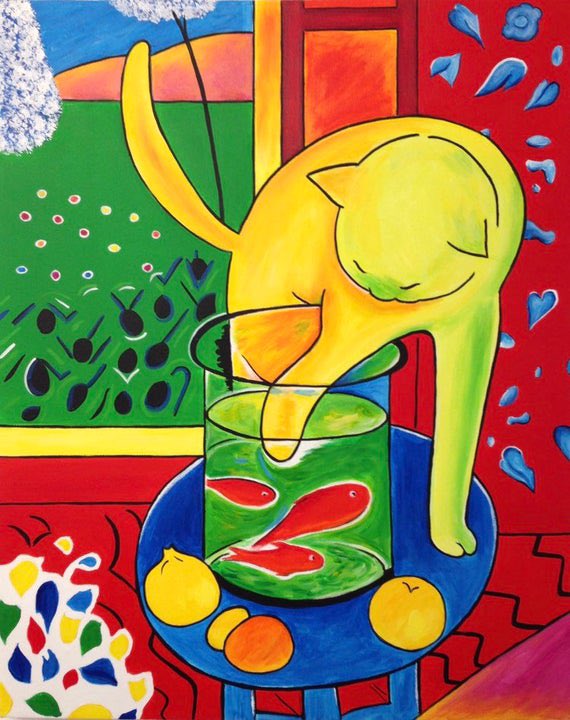
This is Cat with the Red Fish, painted by the French Fauvist artist Henri Matisse in 1938. It features unnatural colors and his signature painting/window on the wall. #HA231
This is some really cool decorative paper I bought a few years ago, featuring the Japanese print called The Great Wave off Kanagawa by Hokusai recolored and embossed with gold. Japanese prints inspired several art movements and are still a huge part of art & culture today. #HA231
This is one of my favorite scarves that I got from the Met, inspired by Tiffany’s wisteria lamp, designed in 1901 by Clara Driscoll. I’ve got a few others, like one inspired by the Tiffany peony lamp. #HA231
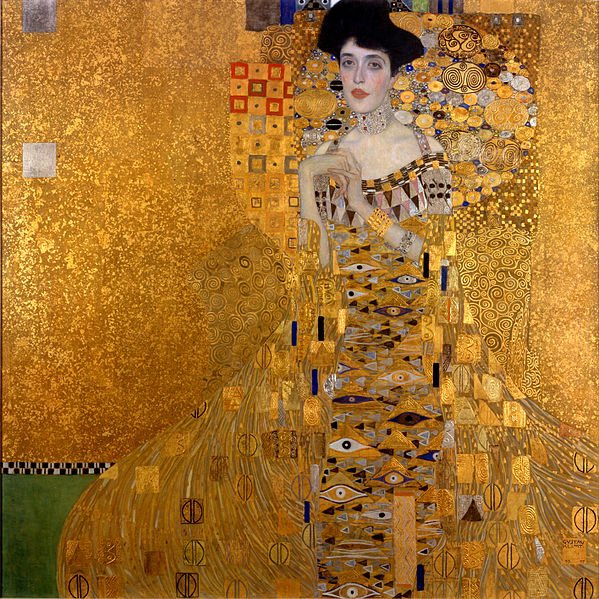
This is the Portrait of Adele Bloch-Bauer, the wife of a Jewish banker and sugar producer, by the symbolist painter Gustav Klimt during his golden phase. It was completed in 1907 and was stolen by the Nazis during WWII, but was eventually returned to the Bloch-Bauer’s. #HA231
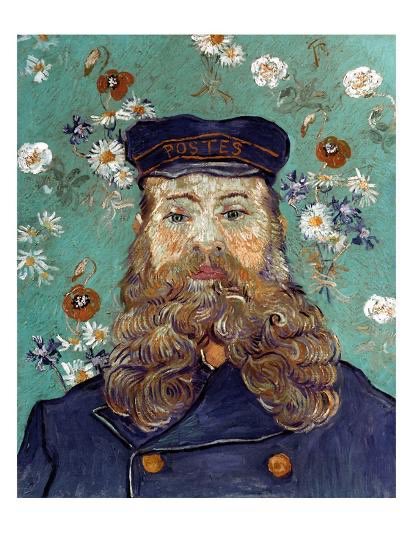
This is Van Gogh’s painting of his postman, a post-impressionist work painted around 1888. In second grade, I recreated this painting for an art project, but sadly I couldn’t find it to tweet, so here’s the original. #HA231
This painting is probably the most famous Post-Impressionist painting ever, and is called Starry Night by Vincent Van Gogh. It was painted in 1889 and depicts an ideal village from the east window of Van Gogh’s room in the Saint-Remy-de-Provence asylum just before sunrise. #HA231
These are two paintings that were part of Monet’s series called Houses of Parliament, painted from 1899 to 1901. He painted the Palace of Westminster during different times of day while living in London and they can be considered Impressionist. #HA231
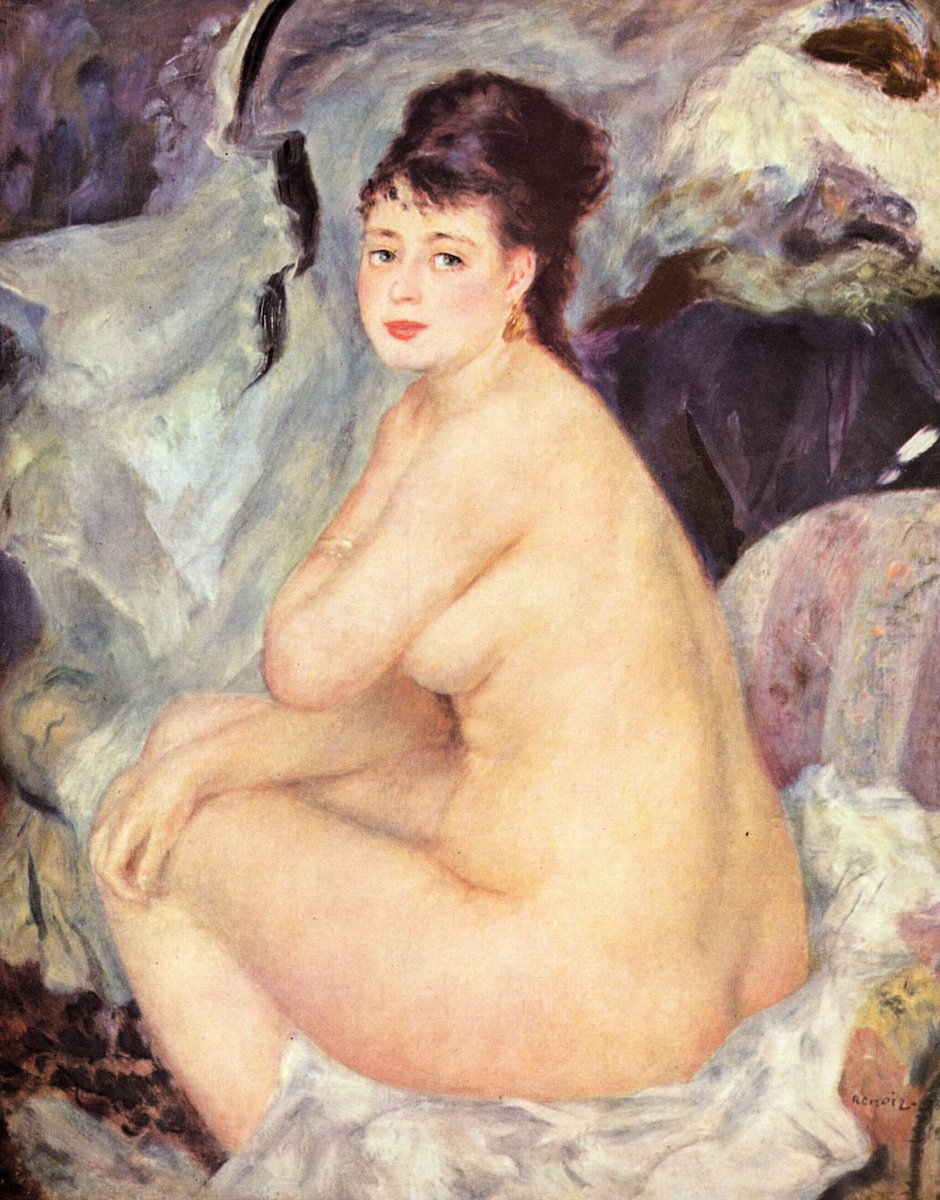
This is the Female Nude (Anna) by Pierre-August Renoir, painted in 1876. It shows a naked woman wearing nothing but her jewelry in a somewhat odd position, sitting with her back turned, twisting her neck to look at the viewer. However, the color palette is soft and pretty. #HA231
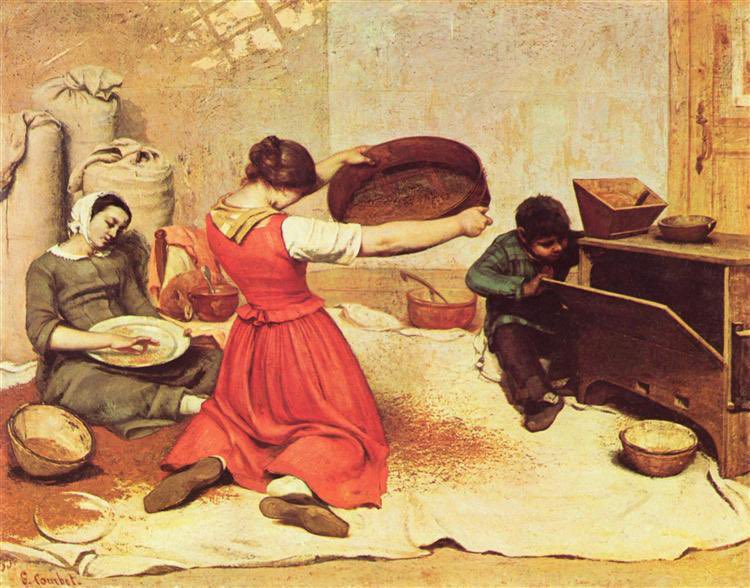
This painting is titled “The Wheat Sifters” and was painted by Gustave Courbet from 1854 to 1855. It is part of the Realism movement because it brings attention to ordinary people taking part in their often backbreaking, tiring jobs. #HA231#dailygrind
This is Odalisque in Grisaille, painted by Jean Auguste Dominique Ingres and his workshop ca. 1824-1834. It is a mysterious and erotic depiction of an exotic woman, which makes it a part of the orientalist movement. This is one of my favorite paintings so far. #HA231
Marie Guillelmine Benoist painted Madame Philippe Panon Desbassayns de Richemont in 1802. This is a Neoclassical painting that shows classical dress and an emphasis on the female duty of motherhood. #HA231