What the hail is going!?
In this episode, hosts @hannahrsdawson and @InnaOsmol chat to masters student @Isabelle__Greco about their research on hailstorm risk and hailstorm probability in Australia.
Check it out here or wherever you get your podcasts: https://t.co/25NA2RMYe9
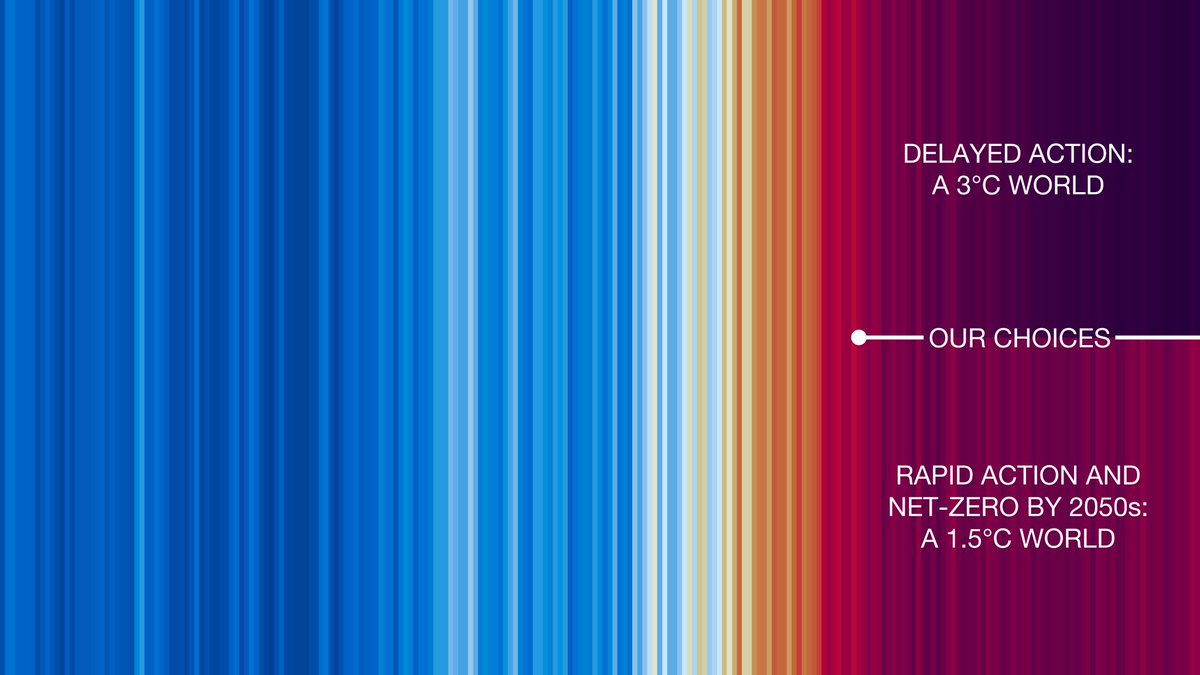
1. Global warming will continue until we reach net-zero.
2. The climate consequences will keep getting worse until we reach net-zero.
3. After reaching net-zero we will have to live and suffer in a warmer world for generations.
Do we act now or delay further?
A couple of our students will be at the @powerhouse this Thursday evening for Climate Cafe: a free event for you to come talk and ask questions to young experts & activists who are working to address climate change. For more info:
https://t.co/SGTtExLnsl
What does @IPCC_CH say about extremes?
Heatwaves have become more frequent & more intense across most regions. Human influence has increased frequency of fire weather in some regions. Some recent hot extremes would have been extremely unlikely to occur without human influence.
“All the evidence points to worsening bushfire conditions in the decades ahead due to greenhouse gas emissions causing climate change,” A/Prof. Perkins-Kirkpatrick says. https://t.co/TH15k4dgFS
On anticyclones: “Two effects happen: it allows radiation from the sun to come in which is absorbed by the Earth and re-emitted – and that’s what heats the atmosphere. Also, you get lots of sinking air come down the centre, which also warms the local area” https://t.co/5r7vzYDx7d
University of Melbourne researcher Ruby Lieber joined Channel 7's Weekend Sunrise to explain the likely declaration of an El Niño and what that means for Australia (Thanks to Weekend Sunrise for supporting emerging scientists - see the full interview on 7Plus).
Amazing tech: At Winter School we got to see a BGC-Argo float: devices dropped into the ocean to measure physical and biogeochemical properties. The floats can adjust their buoyancy to move up and down through the upper 2,000 m of the ocean every 10 days: https://t.co/dJwuWhyEaf
From sailors hauling up buckets of seawater to the amazing technology behind BGC-Argo Floats - our students have today been learning about ocean observations.
Hello Australia - it is #ShowYourStripes day!
Your climate is warming rapidly, mainly due to burning fossil fuels.
This is not good news for your amazing coral reefs.
Perhaps you would like to start a climate conversation with a friend today about this?
https://t.co/LW5Kgrr8w3
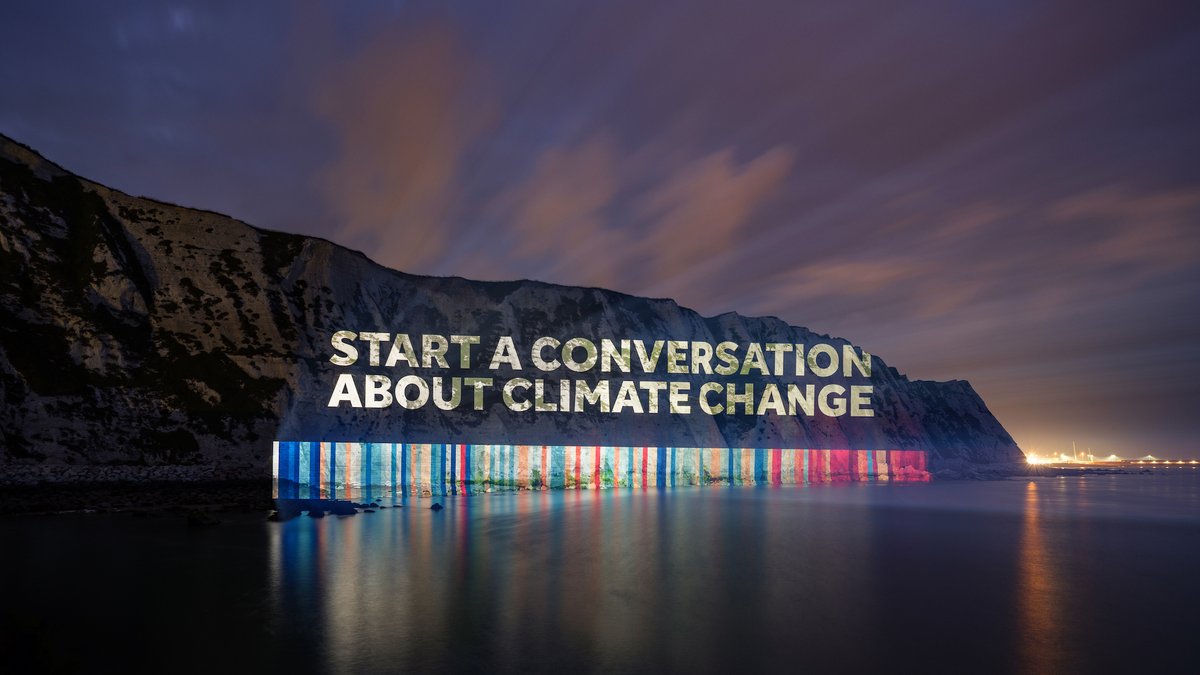
BREAKING: the White Cliffs of Dover have been illuminated with the UK 'warming stripes' for #ShowYourStripes day!
These stripes represent the UK average temperature from 1884 to 2022 with blue colours for colder years and red colours for hotter years.
https://t.co/LW5Kgrr8w3
Climate science brings together a wide range of specialties and disciplines - so our Winter School gives students the chance to collaborate and learn from each other. Topics have covered paleoclimate, remote sensing, the atmosphere, land observations, machine learning and more.
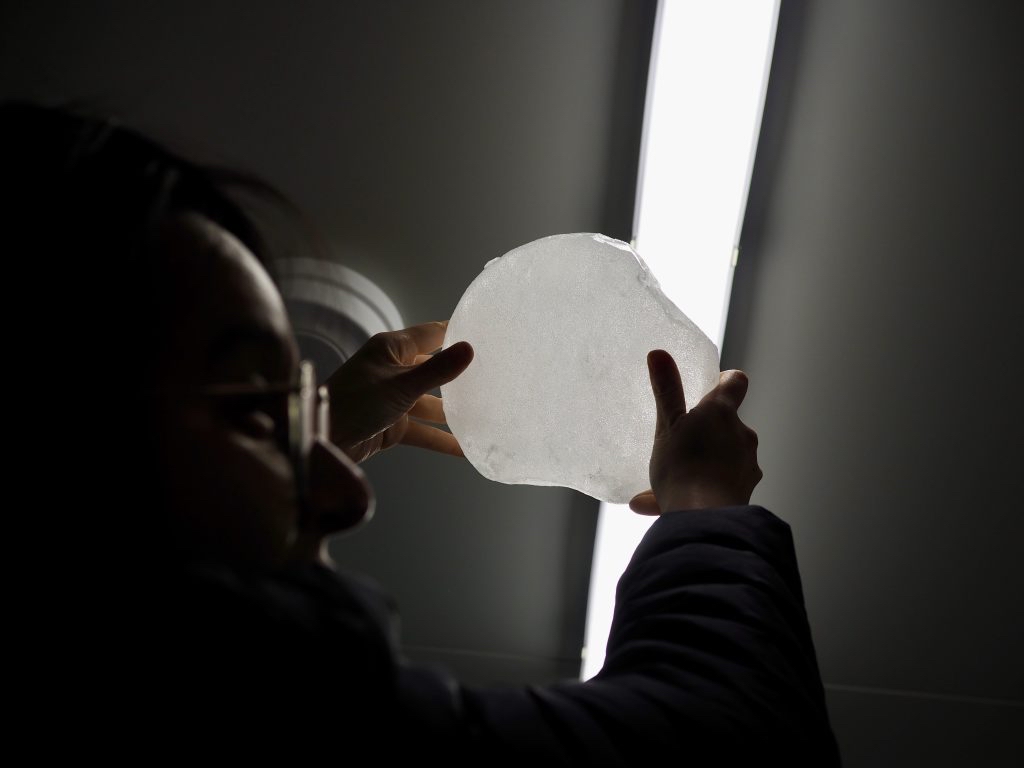
Students at our Winter School had the great opportunity to see how ice core research is undertaken at the Institute for Marine and Antarctic Studies in Hobart.
Excited to feature in the highlights reel of Day 1 of the @ClimateExtremes Winter School! It’s been a blast so far and can’t wait to see what comes next tomorrow!