Your abstract is costing you citations.
Here's the formula top researchers use to fix that.
The 7 components you MUST include:
(only if you want to publish in Nature though 😊)
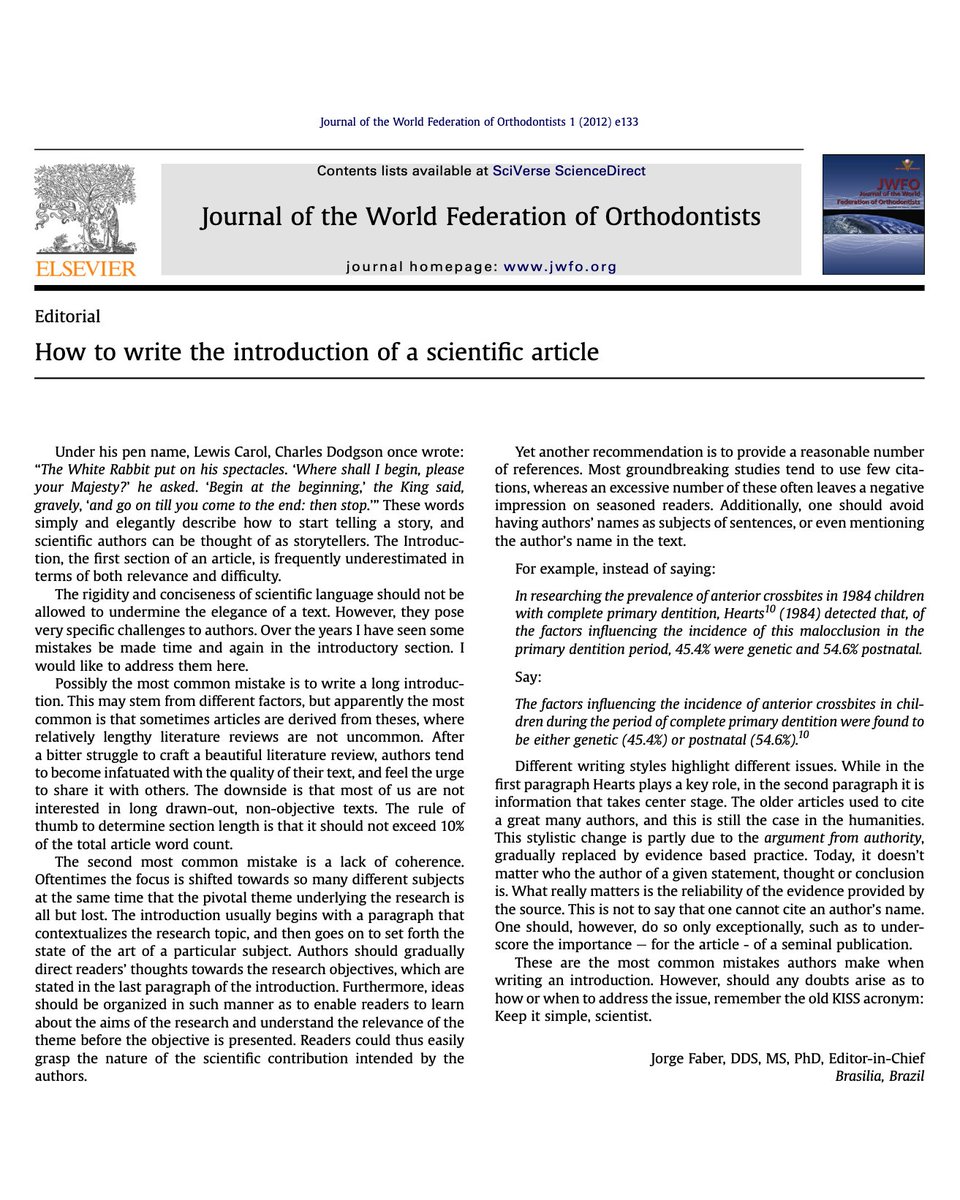
Most scientists write introductions that reviewers never finish reading.
They're too long, unfocused, and packed with names nobody cares about.
Faber reported the three mistakes that destroy submissions in this 2012 JWFO piece. And it's still relevant today.
Here's how to fix them:
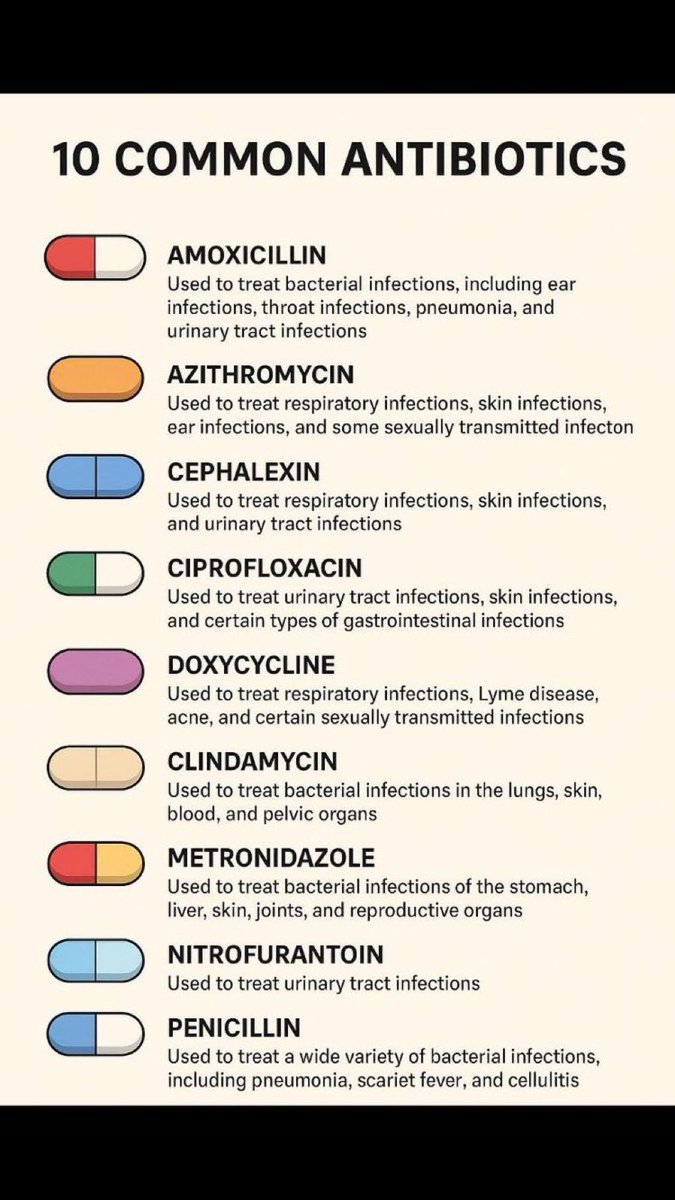
9 COMMON ANTIBIOTICS
AMOXICILLIN
Used to treat bacterial infections, including ear infections, throat infections, pneumonia, and urinary tract infections
AZITHROMYCIN
Used to treat respiratory infections, skin infections, ear infections, and some sexually transmitted infecton
CEPHALEXIN
Used to treat respiratory infections, skin infections, and urinary tract infections
CIPROFLOXACIN
Used to treat urinary tract infections, skin infections, and certain types of gastrointestinal infections
DOXYCYCLINE
Used to treat respiratory infections, Lyme disease, acne, and certain sexually transmitted infections
CLINDAMYCIN
Used to treat bacterial infections in the lungs, skin, blood, and pelvic organs
METRONIDAZOLE
Used to treat bacterial infections of the stomach, liver, skin, joints, and reproductive organs
NITROFURANTOIN
Used to treat urinary tract infections
PENICILLIN
Used to treat a wide variety of bacterial infections, including pneumonia, scariet fever, and cellulitis
-Save for later-
During my PhD, I submitted 400 pages of brilliant research.
Supervisor: "None of it makes sense together."
Chapter 3 referenced Chapter 5 findings.
Lit review came after methodology. Introduction promised arguments that never appeared.
"Your research is excellent. Your thesis doesn't tell a story."
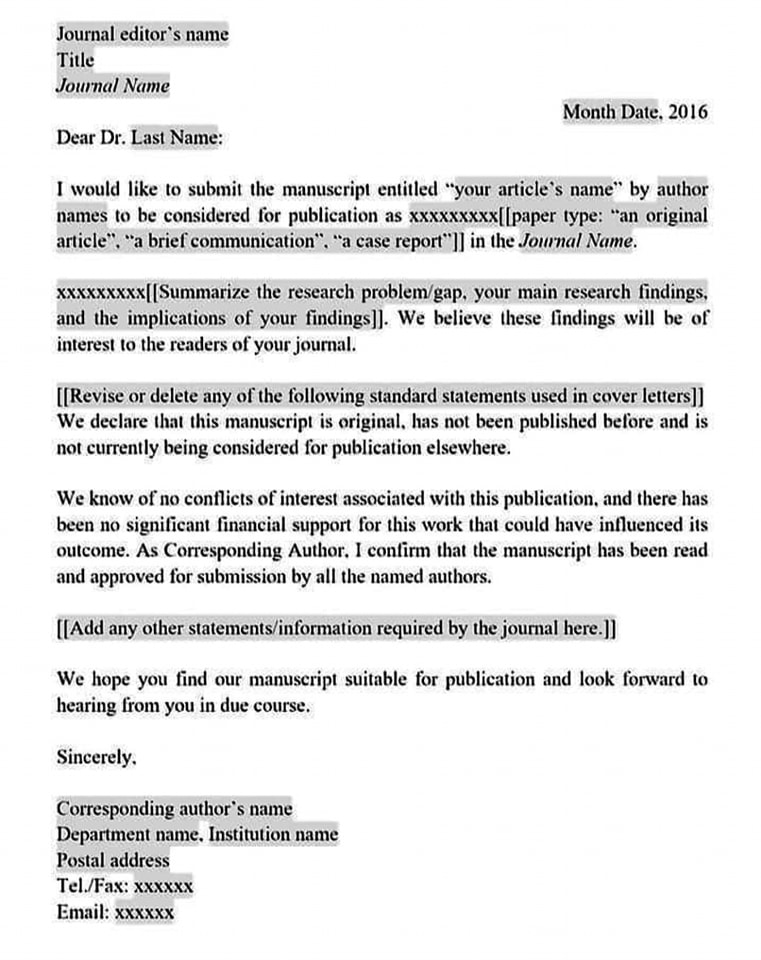
How to write a cover letter for journal submission?
An effective cover letter should briefly introduce your work, explain its importance, and highlight its suitability for the chosen journal.
Here's a sample: 🔽
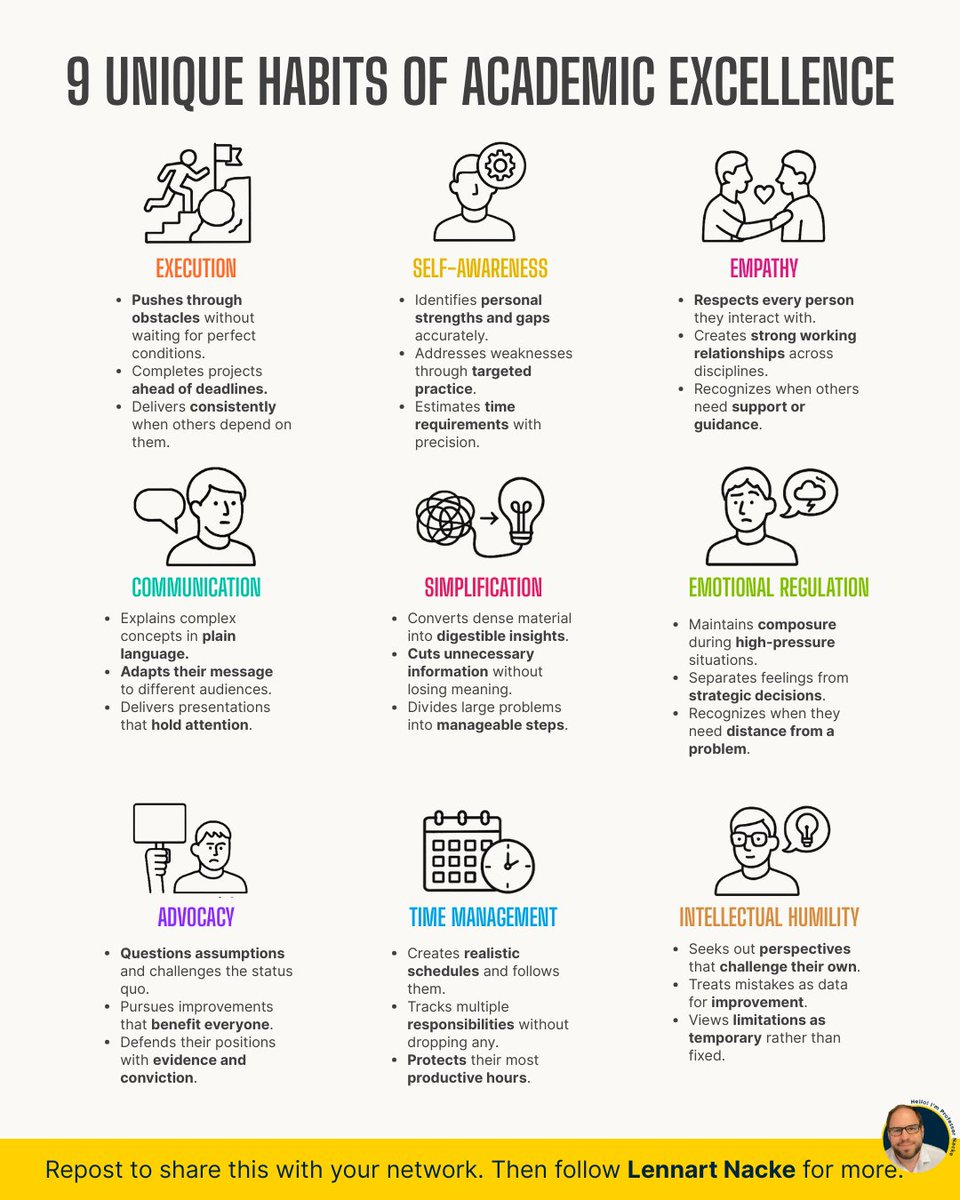
During my PhD, I burnt out chasing perfect papers.
Until I realized habits scale harder than hours.
Hard work doesn’t finish a thesis early.
Smart structure does.
I built a framework that multiplied my focus overnight.
You don’t need more focus.
You need fewer decisions.
Here is what works:
Most PhD students stare at blank pages for months. Years of research. Hundreds of notes.
No idea how to organize.
The problem isn't research. It's structure.
Here's the 6-chapter framework that works for every PhD:
Rejected within 24 hours.
That’s how my academic journey really started.
My writing has never been the same since.
Here’s what I learned from 300+ submissions:
Too many papers get rejected instantly.
How to write like an academic storyteller
(without losing your rigour)
Intro:
Despite [progress], [core problem] persists. This study addresses [specific gap].
Lit Review:
Prior work on [topic] has shown [trend], but failed to [key omission].
Methods:
To investigate, we [brief design].
Results:
We found [main pattern], which suggests [insight].
Discussion:
These findings advance [field] by [specific contribution].
In your discussion, explicitly write one of these:
“This suggests an overlooked connection between…”
“This challenges the assumption that…”
“This adds to the theory of…”
These phrases make reviewers lean in.
They frame contribution as a narrative resolution.
Poor writing kills more academic careers than bad research.
Here's a FREE 94-page systematic writing guide that changed everything:
Published by Education and Training Boards Ireland.