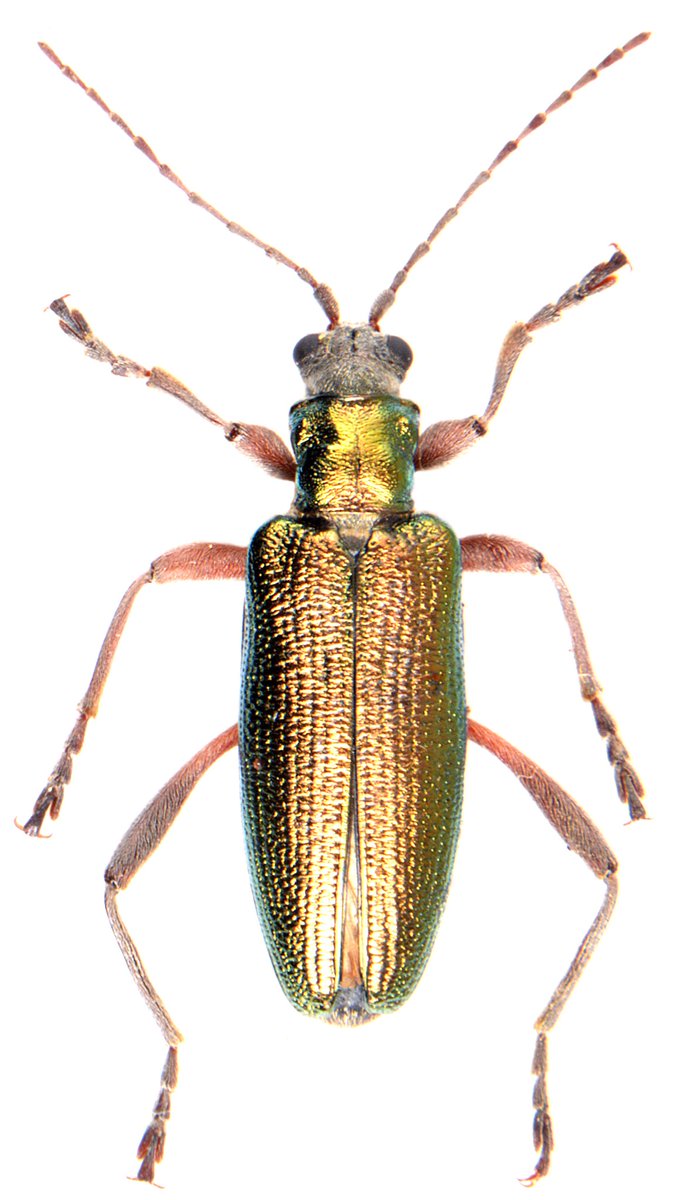
The common reed beetle lives in English wetlands & has beautiful metallic stripes of colour. Their larvae develop entirely underwater attached to the roots of aquatic plants - wow! #buglove 💚
Assassin bugs are a species of the family reduviidae. They are also known as Kissing Bugs named for their habit of targeting the lips of their sleeping host. 👄 🐜 💚 #buglove
Millipedes are a type of arthropod that are characterized by having 2 pairs of jointed legs on each body segment; they are known scientifically in the class diplopoda. Most millipedes are slow moving detritivores eating decaying leaves and other dead plants. #buglove
Attacus atlas, the atlas moth is a large sutiniid moth endemic to the forests of asia. Its one of the largest lepidopterans in the world. Wow!#buglove 🦋 💛
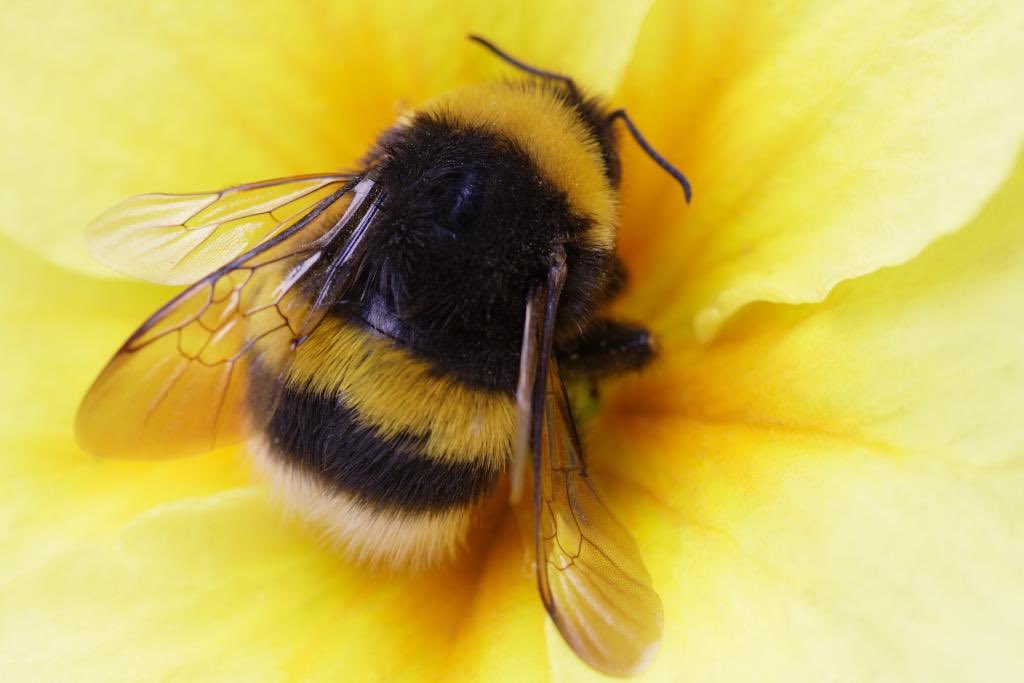
A bumblebee is one type in 250 species of bees. Most bumblebees are social bees and form a colony with 1 queen bee. Bumblebees are covered in fur (long branched setae) called pile making them appear and feel fuzzy. Their scientific name is bombus. #buglove
Flower crab spiders eat bees and wasps. The way they catch bees and wasps is that they hide on a flower and when bees or wasps go to collect pollen from the flower the spider jumps in and paralyzes it with its bite. They can change color although it takes up to 7 days. #buglove
The shield beetle’s scientific name is palomena prasina. They are also known as stink bugs. These species are in the pentatomidae family. They are found in england and wales also in Scotland but they are less common there. They lay their eggs underneath the leaves. #buglove
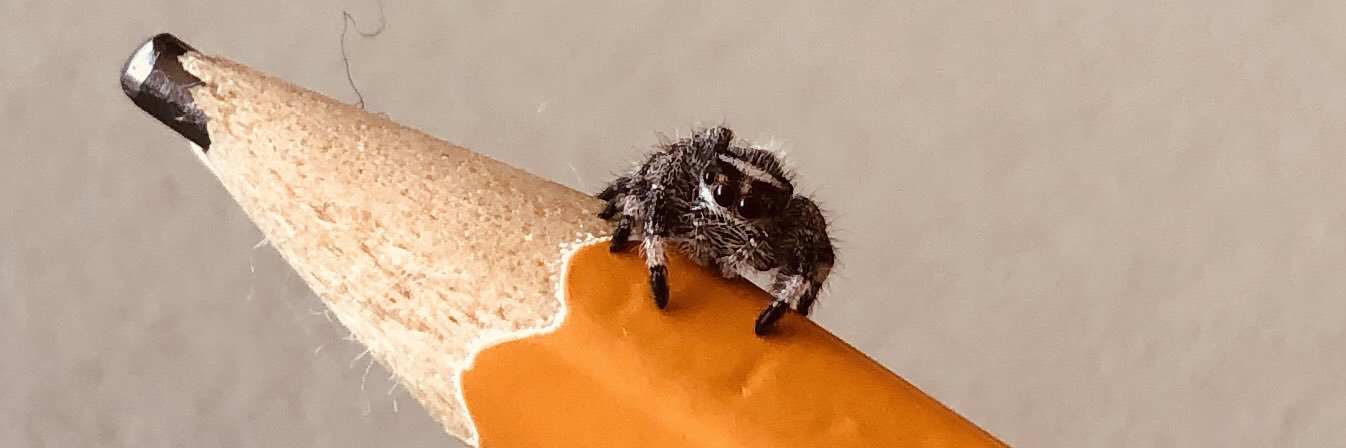
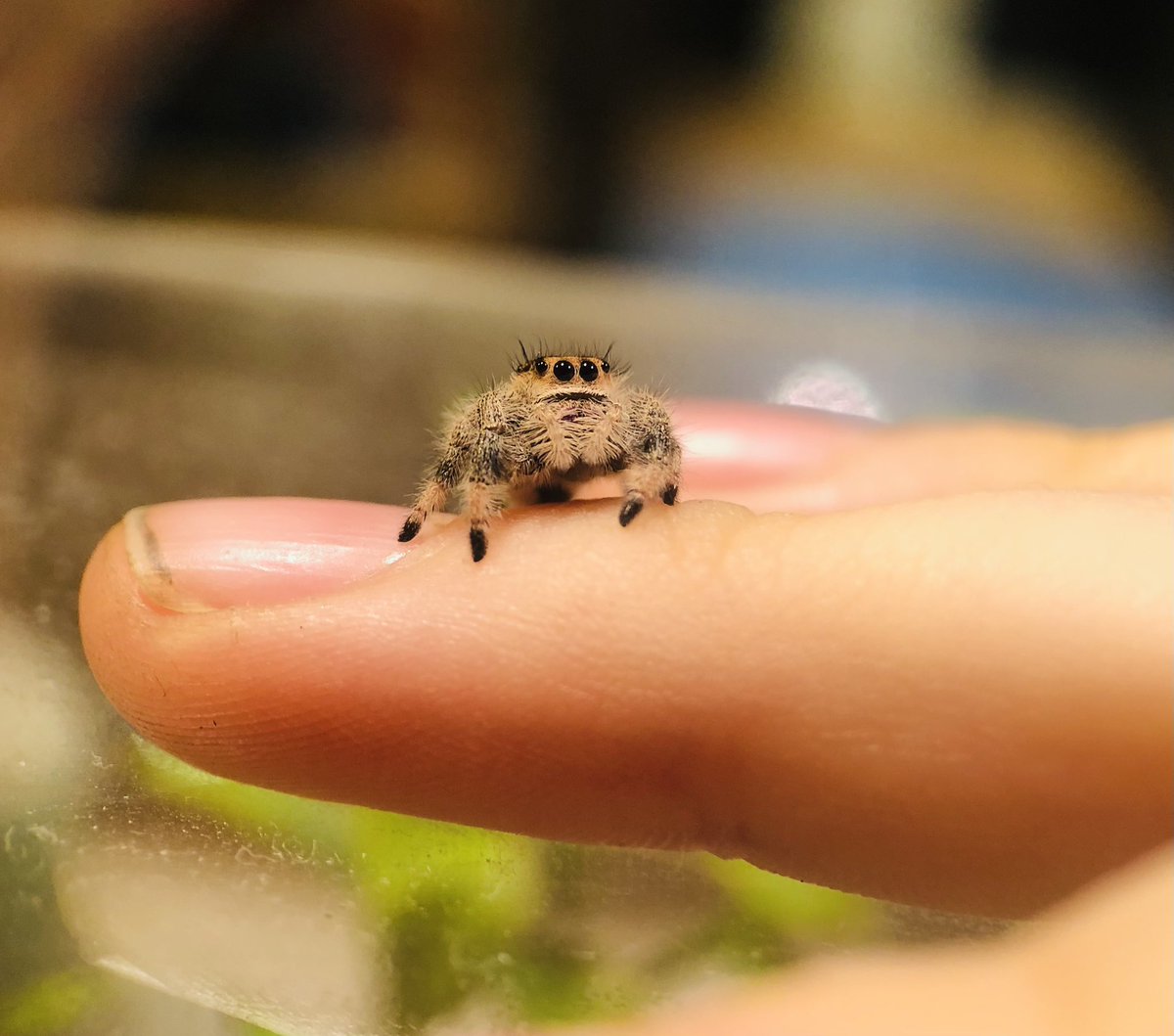
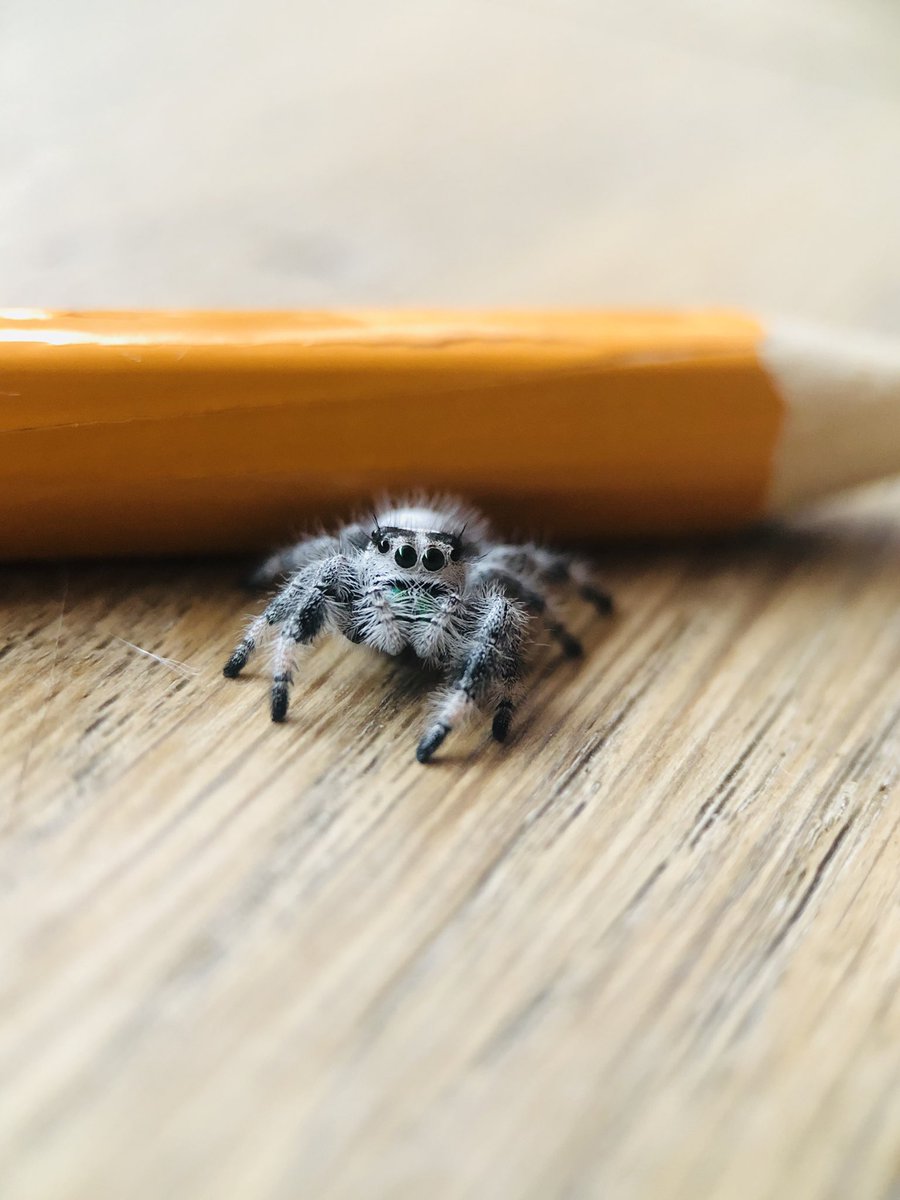
Peacock spiders are a species of jumping spider. The males perform a dance to the female so if the female thinks the boy is good they can mate but if the female thinks the male isn't good enough & she is has the munchies the female eats the male! 💚🕷⭐️
The tarantula hawk wasp or parasitoid pompilid wasp is tarantulas’ enemy! They paralyse spiders with their mega sting then they lay their eggs inside the spider so when the babies hatch they can eat the spider inside out 💀 🕷 😞
Attercopus fimbriungus was a prehistoric spider. It lived 350 million yrs before the dinosaurs. Even though it had no true spinnerets, it could still produce silk. It had an abdomen, a cephalothorax, legs & pedipalps. The funniest thing about it was it had a tail! #spiders 💚🕷