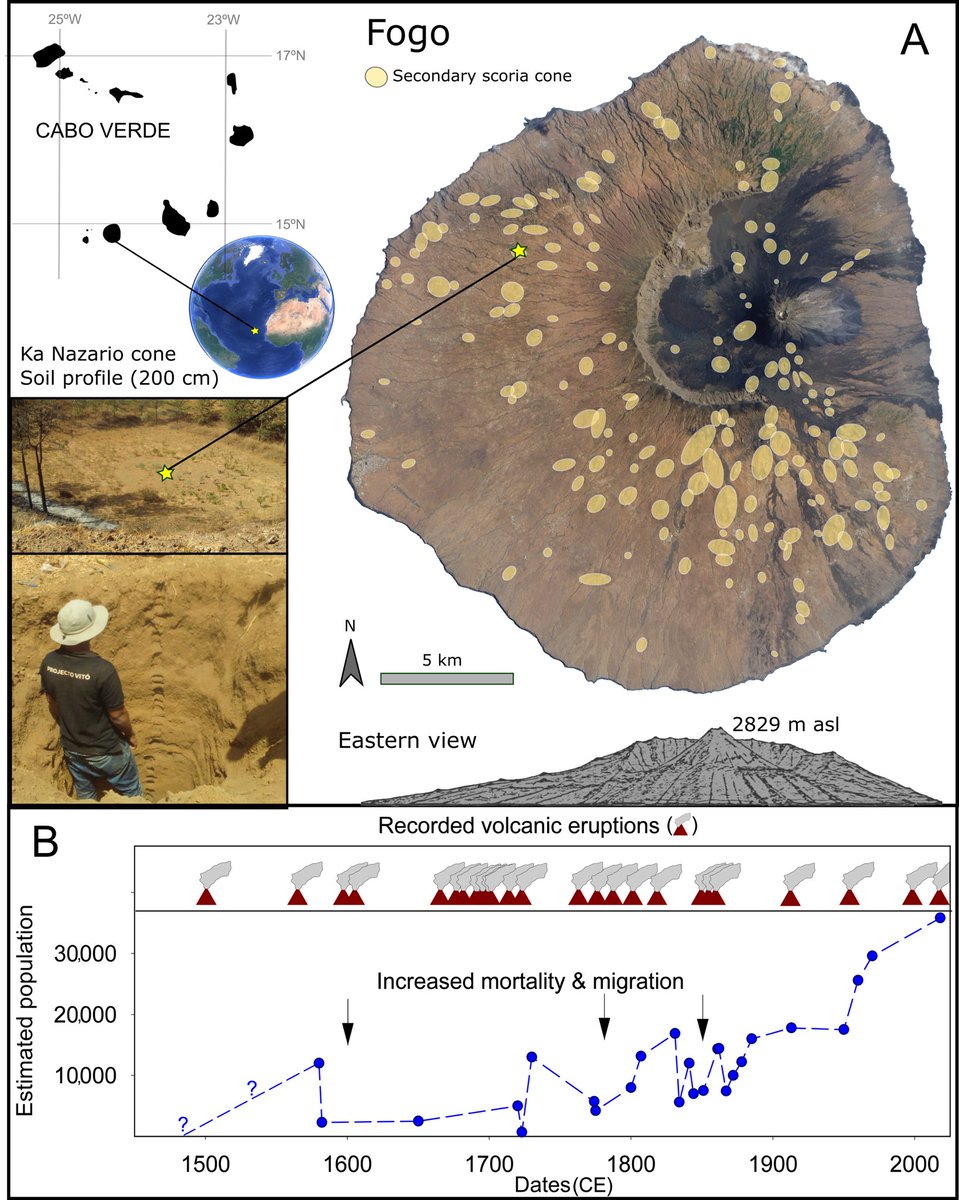
Our new paper in The Holocene: 'Taming Fogo Island: Late-Holocene volcanism, natural fires and land use as recorded in a scoria-cone sediment sequence in Cabo Verde', a first step towards disentangling how volcanism and human action shaped the landscapes of this island
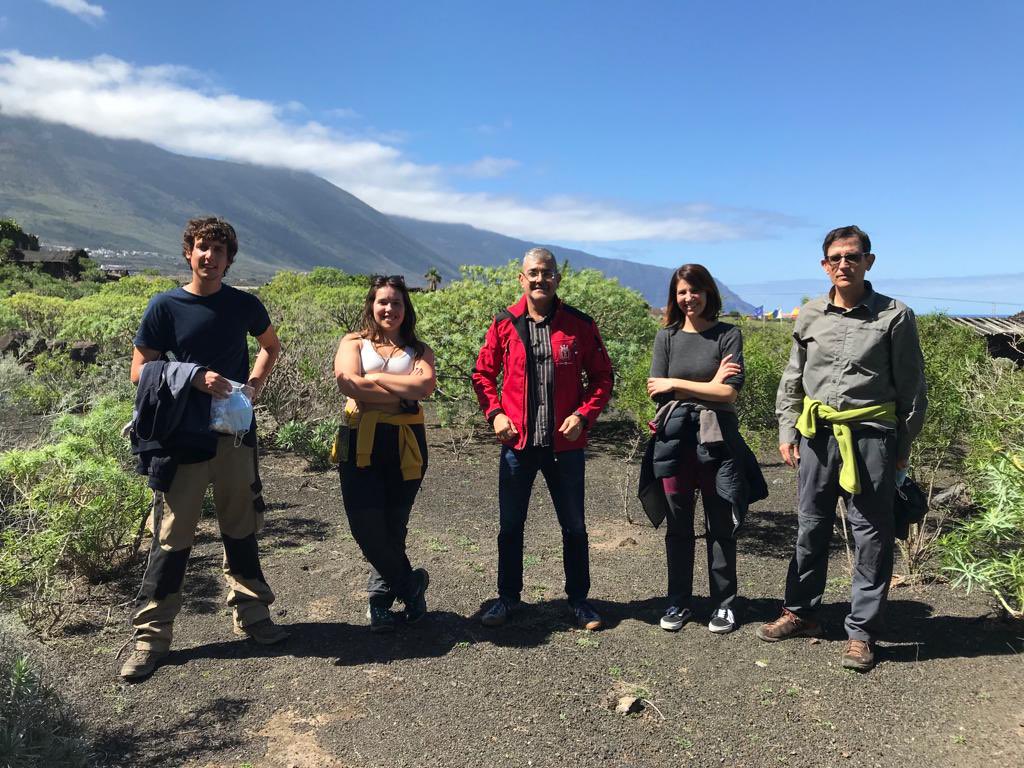
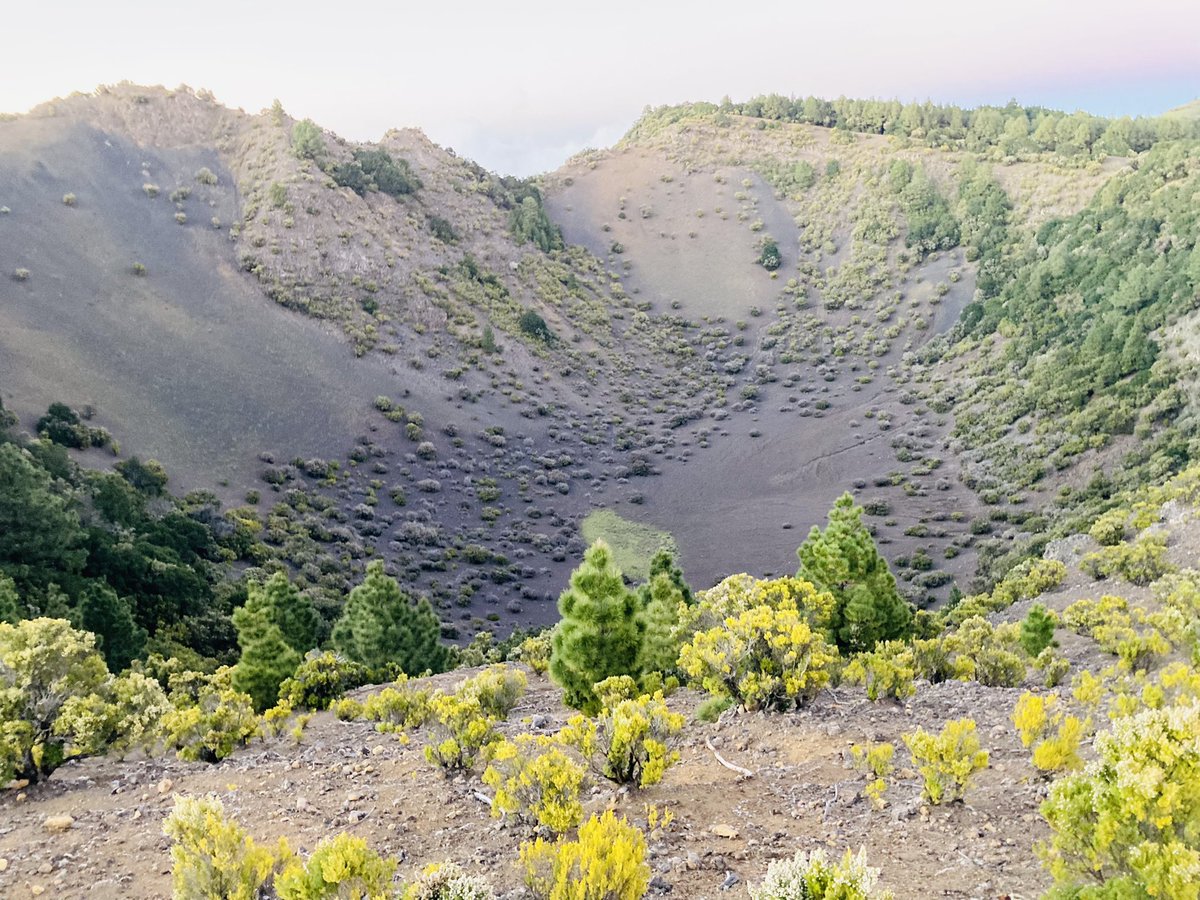
In El Hierro looking for new coring sites and visiting Miguel Ángel Rodríguez at the Giant Lizard Conservation Center @CienciaULL#islands#recce#palaeoecology
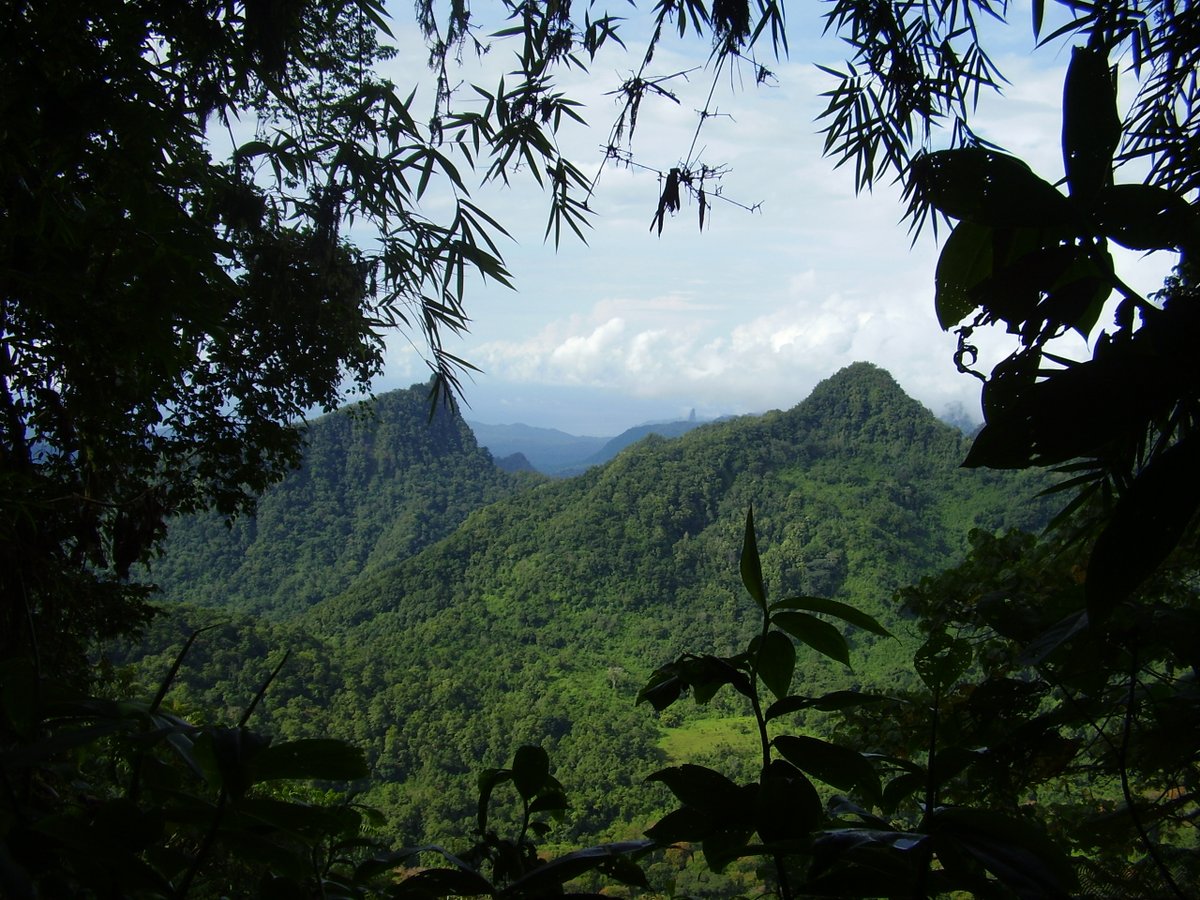
Excited to share our new paper: palaeoecological data for longterm view of the effects of a regional drying trend, volcanic eruptions, and human migration in the oceanic island of Brava, Cabo Verde. Open access now
https://t.co/RcyrntSmYB
@JBiogeography@palaeoecology@PLUSsoton
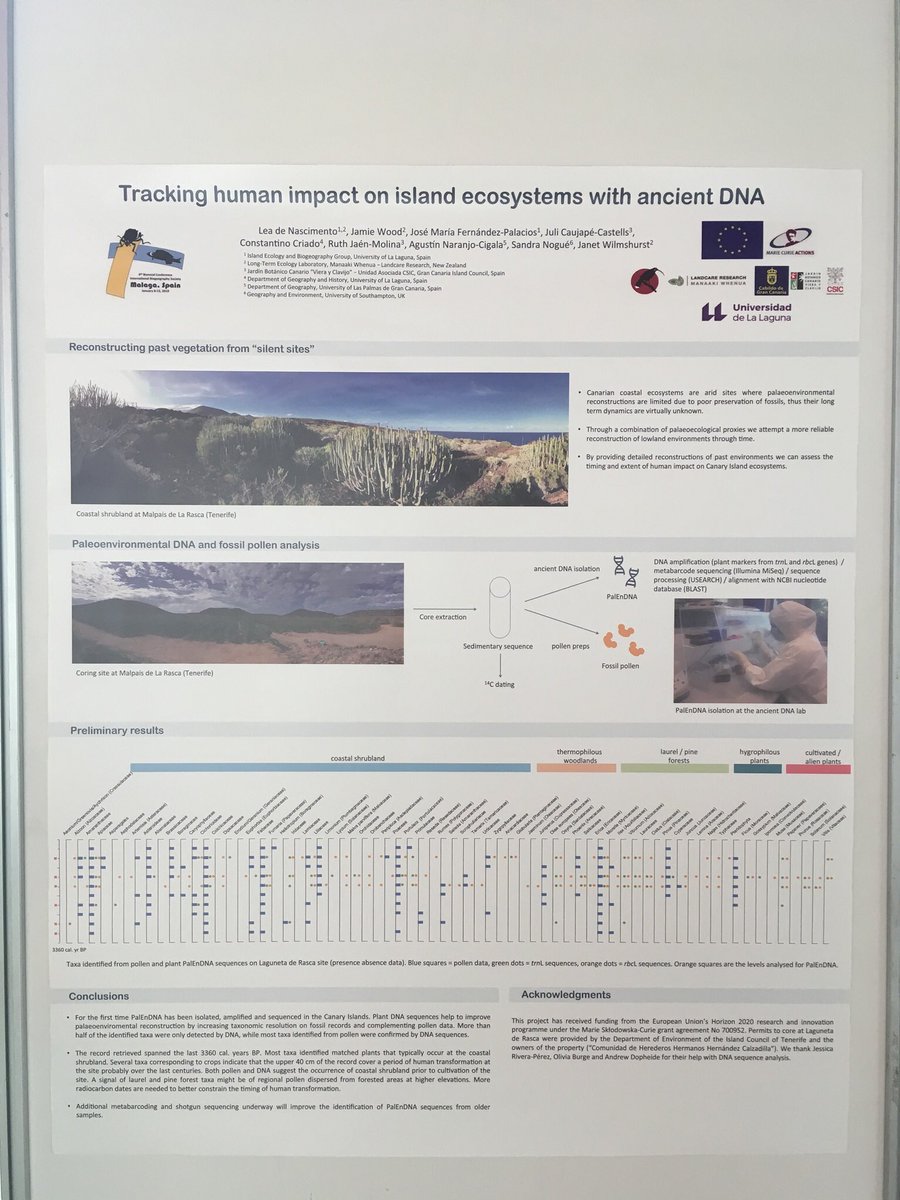
Palaeoenvironmental DNA paints a picture of human impact on the Canary Islands | Result In Brief | CORDIS | European Commission https://t.co/NovEHnx7nP @CORDIS_EU@EU_H2020#researchimpactEU
Island biodiversity best conserved in inaccessible landscapes! New publication by @SietzeNorder and colleagues in @AnthropoceneMag Read more on our website: https://t.co/s2W3XaoOpb
@drysdyk@UvA_Amsterdam@UvA_Science@CE3CResearch
Cajoling #eDNA out of ancient samples from warm, wet places doesn't usually work but Lea de Nascimento is pushing the barriers to figure out what trees grew in the #Canaries before humans arrived @IslandPaleco@canalull@LCR_LTEL#aDNA#palaeoecology https://t.co/W9UTGsGs1e
Digging deep in the past, this was our second try to get sediments with ancient DNA from La Vega de Arucas in Gran Canaria @EU_H2020@CanalULL#ResearchimpactEU